
Review Article
Traditional Herbal Medicine in Supportive Cancer Care: From Alternative to Integrative
- Kundan Mandloi
- Akash Yadav *
- Neelam Balekar
- Dinesh Kumar Jain
IPS Academy College of Pharmacy, Indore, Madhya Pradesh, India.
*Corresponding Author: Akash Yadav, IPS Academy College of Pharmacy, Indore, Madhya Pradesh, India.
Citation: Mandloi K., Yadav A., Balekar N., Dinesh K. Jain. (2025). Traditional Herbal Medicine in Supportive Cancer Care: From Alternative to Integrative, Journal of Clinical Research and Clinical Trials, BioRes Scientia Publishers. 4(5):1-9. DOI: 10.59657/2837-7184.brs.25.056
Copyright: © 2025 Akash Yadav, this is an open-access article distributed under the terms of the Creative Commons Attribution License, which permits unrestricted use, distribution, and reproduction in any medium, provided the original author and source are credited.
Received: March 27, 2025 | Accepted: September 12, 2025 | Published: September 24, 2025
Abstract
Cancer remains a significant global health burden, with conventional therapies often associated with severe side effects and limited efficacy. In response, there is growing interest in traditional herbal medicine (THM) as a complementary approach to cancer care. THM has been used for centuries in various cultures, including Traditional Chinese Medicine, Ayurveda, and indigenous healing practices, to prevent and treat cancer. The potential benefits of integrating THM into cancer care, including its ability to alleviate symptoms, enhance quality of life, and improve treatment outcomes. Certain herbal remedies, such as turmeric, ginger, ginseng, and astragalus, have demonstrated promising anti-cancer properties, including anti-inflammatory, antioxidant, and anti-proliferative effects. The use of THM may also help mitigate the adverse effects of conventional cancer treatments, such as chemotherapy and radiation therapy. While challenges remain, including standardization, safety concerns, and regulatory obstacles, the incorporation of THM into cancer care offers a promising complementary approach to improving patient outcomes and enhancing overall well-being.
Keywords: cancer; traditional herbal medicine; herbal remedies; alternative to integrative
Introduction
Cancer continues to be a major contributor to global morbidity and mortality, with conventional therapies such as chemotherapy, radiation, and immunotherapy playing an essential role in treatment. However, these medical interventions are often associated with severe side effects, including nausea, fatigue, immunosuppression, and organ toxicity, all of which can significantly reduce patients' quality of life [1]. Consequently, there has been an increasing interest in complementary and integrative medicine, particularly in the use of traditional herbal medicine (THM), to help manage cancer and mitigate the adverse effects of conventional treatments [2].
For centuries, THM has been widely employed across different cultures, including Traditional Chinese Medicine (TCM), Ayurveda, and indigenous healing practices, for both cancer prevention and therapy (Zhao et al., 2020). Initially viewed as an "alternative" therapy, recent scientific advancements and clinical studies have positioned herbal medicine as a complementary or integrative component of cancer treatment [3]. Integrative oncology follows a holistic, patient- centered approach that combines conventional medicine with scientifically validated complementary therapies to improve treatment outcomes and enhance patient well- being [4].
Several herbal remedies, such as Curcuma longa (curcumin), Panax ginseng, Withania somnifera (ashwagandha), and Ganoderma lucidum (reishi mushroom), have shown promising effects in regulating immune function, reducing inflammation, and counteracting chemotherapy-induced toxicity [5]. Moreover, certain bioactive compounds in these herbs exhibit anti-proliferative, apoptotic, and anti-metastatic properties, contributing to cancer prevention and adjunctive therapy [6]. Despite their potential, integrating herbal medicine into conventional cancer treatment presents several challenges, including standardization, safety concerns, possible herb-drug interactions, and regulatory obstacles [7].
Traditional Herbal Medicine in Cancer Care
Traditional herbal medicine (THM) has been used in various forms, including individual herbs, herbal extracts, and complex formulations, to support cancer care. Several widely studied medicinal plants have demonstrated therapeutic potential in alleviating symptoms and complementing conventional treatments.
Turmeric (Curcuma longa), particularly its bioactive compound curcumin, is known for its strong anti-inflammatory, antioxidant, and anti-cancer effects. Studies suggest that curcumin may inhibit tumor growth and enhance the efficacy of chemotherapy and radiotherapy [8]. Ginger (Zingiber officinale) has been extensively used for its antiemetic properties, helping to manage chemotherapy-induced nausea and vomiting, thereby improving patients' quality of life [9].
Ginseng (Panax spp.) is another widely used herb in cancer care, known for its adaptogenic properties that help combat fatigue, enhance cognitive function, and improve overall well- being in patients undergoing cancer treatment [10]. Similarly, Astragalus membranous is recognized for its immunomodulatory effects, aiding in immune function enhancement and mitigating chemotherapy-induced toxicity [11].
Herbal Medicine in Cancer Treatment and Survival Management Turmeric
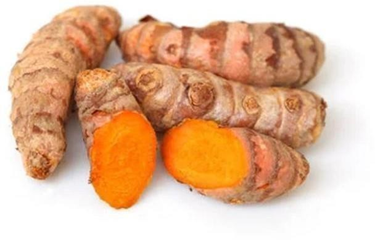
Figure 1: Turmeric.
Turmeric was traditionally recognized as a mild digestive aid, known for its aromatic, stimulant, and carminative properties. It was considered one of nature's most powerful healing agents, with curcumin identified as its active component. Used for over 2,500 years in India, turmeric was initially applied as a dye before its medicinal benefits became widely acknowledged. Over time, its therapeutic properties were gradually discovered, particularly its potent anti-inflammatory effects. Turmeric possessed remarkable health benefits, contributing to the treatment of various conditions, including cancer and Alzheimer’s disease. In India, an ointment derived from turmeric was applied as an antiseptic, while turmeric-infused water was traditionally used as a cosmetic to enhance skin tone with a golden glow. Curcumin was found to be effective against Staphylococcus aureus, which caused pus-producing infections. Historically, turmeric was utilized for numerous ailments, including anemia, cancer, diabetes, indigestion, food poisoning, gallstones, irritable bowel syndrome (IBS), parasitic infections, circulatory disorders, staph infections, and wound healing. It was also employed to reduce Kapha dosha, aiding in the removal of mucus from the throat, watery discharges such as leucorrhea, and pus accumulation in the eyes, ears, and wounds. In Unani medicine, turmeric was used for liver obstructions and jaundice, and it was externally applied for ulcers and inflammation. Roasted turmeric was incorporated into formulations for treating dysentery, while its powdered form was a common ingredient in traditional toothpastes. It played a significant role in folk medicine across India, Pakistan, and Bangladesh. The rhizome, being the most commonly used part of the plant, was prepared in different ways to alleviate asthma and coughs. In Ayurvedic practice, hot water extracts of dried turmeric rhizome were consumed to reduce inflammation. Additionally, turmeric was classified as a rasayana herb in Ayurveda, where it was believed to counteract aging processes and promote longevity [12].
Curcumin, a compound derived from the root of the turmeric plant, was identified as a yellow or orange pigment and served as the primary component of curry powder commonly used in Asian cuisine. For thousands of years, it held a significant role in traditional Indian and Chinese medicine, particularly for its therapeutic properties. In recent years, curcumin has become a focal point of scientific research, especially in the field of cancer treatment. Curcumin was recognized for its advantages in terms of low toxicity, affordability, and widespread availability [13].
Turmeric, an ancient spice obtained from the rhizomes of Curcuma longa, belongs to the ginger family (Zingiberaceae). Commonly referred to as the "Golden Spice of India," it has been an integral part of Indian traditional medicine for centuries. It was widely used as a household remedy for numerous ailments, including biliary disorders, anorexia, cough, diabetic wounds, hepatic conditions, rheumatism, and sinusitis. Beyond its role as a culinary spice and natural pigment, turmeric and its key bioactive compounds, primarily curcumin and essential oils, exhibited a broad spectrum of biological properties. These included anti-inflammatory, antioxidant, anti- carcinogenic, anti-mutagenic, anticoagulant, antifertility, anti-diabetic, antibacterial, antifungal, antiprotozoal, antiviral, anti-fibrotic, anti-venom, antiulcer, hypotensive, and hypocholesterolemia activities [14].
Because of its potential therapeutic effects, curcumin, the main component of turmeric, has garnered a lot of attention in the field of breast cancer research. Curcumin may influence breast cancer-specific anticancer properties in several ways. The main way curcumin impacts breast cancer is by stopping the growth of cancer cells and promoting apoptosis, or programmed cell death, in breast cancer cell lines. Curcumin has also been shown to interfere with signaling pathways linked to tumor growth and metastasis, such as the nuclear factor-kappa B (NF-κB) pathway, which is critical for inflammation and cancer progression. Additionally, curcumin exhibits promising anti- inflammatory qualities. which are particularly relevant to breast cancer since chronic inflammation has been connected to the development and spread of the illness. By controlling inflammatory cytokines and enzymes, curcumin may help create an environment that is less conducive to cancer growth and metastasis. Furthermore, curcumin's potential to increase the efficacy of conventional breast cancer treatments like chemotherapy and radiation. Curcumin may both increase the sensitivity of cancer cells to its cytotoxic effects and maybe reduce side effects related to treatment. Additionally, curcumin exhibits anticancer effects in cancer stem-like cells, or CSCs. It has been shown to dramatically decrease the micro tentacles of the CSC plasma membrane, preventing the cells from attaching to new surfaces.
Curcumin has also been demonstrated to restore the expression of the tumor suppressor gene E- cadherin in breast CSCs. The p53 pathway has been connected to activation in CUR-induced apoptosis, the effects of curcumin on the expression of ER- alpha and p53 in T-47D breast cancer cells in the presence of estrogen, bisphenol-a (BPA), and anti-estrogens. It has been demonstrated that CUR suppresses the p53 gene's transcription, which lowers p53 levels and functions in colon cancer cells. These outcomes support that CUR inhibits p53 regulation in T- 47D breast cancer cells. However, the exact proportion of mutant to wild-type p53 in T-47D cells is still unknown [15].
Ginger
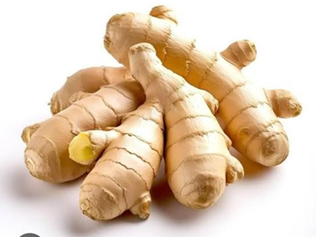
Figure 2: Ginger.
Ginger, derived from the rhizome of Zingiber officinalis, is one of the most commonly used species in the ginger family, serving as a popular condiment in various foods and beverages. With a history of medicinal use spanning over 2500 years, ginger has been employed across different regions to aid digestion and treat ailments such as stomach upset, diarrhea, and nausea. The pungent compounds found in ginger and other zingiberaceous plants possess strong antioxidant and anti-inflammatory properties, with some exhibiting cancer-preventive effects in experimental carcinogenesis. The anticancer potential of ginger is attributed to compounds such as [6]-gingerol, [6]-paradol, shogaols, and zingerone [16].
Although significant progress has been made in understanding the molecular basis of cancer and advancements in its treatment, it remains the second leading cause of death worldwide. Clinical treatment approaches vary depending on the stage of the disease and may involve surgery, radiotherapy, and systemic therapies such as hormonotherapy and chemotherapy, all of which are associated with adverse effects. The increasing use of traditional herbal medicine among cancer patients is driven by the belief that these remedies are non-toxic, help alleviate cancer-related symptoms, strengthen the immune system, and may even possess anticancer properties. For centuries, the rhizome of Zingiber officinale Roscoe, commonly known as ginger and belonging to the Zingiberaceae family, has been widely used as both a spice and a medicinal remedy in various cultures. Traditionally, ginger has been employed to treat ailments such as the common cold, fever, digestive issues, stomach upset, diarrhea, nausea, rheumatic disorders, gastrointestinal complications, and dizziness. Ginger exhibits chemo preventive and antineoplastic properties, its effectiveness in mitigating the side effects of γ-radiation, doxorubicin, and cisplatin, as well as its ability to inhibit the efflux of anticancer drugs via P-glycoprotein(P-gp) and enhance chemo sensitization in certain neoplastic cells in both in vitro and in vivo studies [17].
Ginger (Zingiber officinale) has been valued as both a spice and medicinal plant for over 200 years in Traditional Chinese Medicine. It holds significant medicinal and nutritional importance in Asian and Chinese traditional healing systems. Ginger and its bioactive compounds, including iron (Fe), magnesium (Mg), calcium (Ca), vitamin C, flavonoids, and phenolic compounds such as gingerdiol, gingerol, gingerdione, and shogaols, as well as sesquiterpenes and paradols, have long been used to treat various conditions. These include vomiting, pain, cold symptoms, and inflammatory disorders. Ginger has demonstrated anti- inflammatory, anti-apoptotic, anti-tumor, antipyretic, anti-platelet, anti-tumorigenic, anti- hyperglycemic, antioxidant, anti-diabetic, anti- clotting, and analgesic properties, along with cardiotonic and cytotoxic effects. It has been widely utilized for managing arthritis, cramps, sprains, sore throats, rheumatism, muscular aches, vomiting, constipation, indigestion, hypertension, dementia, fever, and infectious diseases. In addition to its medicinal applications, ginger leaves have been used as food flavoring in Asian Traditional Medicine, particularly in China. Ginger oil has also found applications as a food- flavoring agent in soft drinks, bakery products, confectionery, pickles, sauces, and preservatives.
Ginger is commonly available in three forms: fresh root ginger, preserved ginger, and dried ginger. The pharmacological activities of ginger are primarily attributed to its active phytocompounds, including 6-gingerol, 6-shogaol, and zingerone, alongside other phenolics and flavonoids. Among these, gingerol and shogaol are particularly known for their antioxidant and anti-inflammatory properties. In both Traditional Chinese Medicine and modern China, ginger is incorporated into nearly half of all herbal prescriptions. Traditional medicinal plants are often more affordable, locally accessible, and easily consumed in raw or simple medicinal preparations. The findings highlight the potential of ginger extract as a valuable additive in both the food and pharmaceutical industries. The ability of ginger and its primary bioactive constituents to cause cytotoxicity to many cancer types, with a focus on retinoblastoma, breast, cervical, colorectal, leukemia, liver, lung, nasopharyngeal, ovarian, and prostate cancers. There is more proof that the type of cancer affects the apoptotic pathways. Important enzymes associated with the advancement of cancer, such as cytochrome 450, cyclooxygenase-2, matrix metalloproteinases-2 and -9, telomerase, and leukotriene A4 hydrolase, were also inhibited by ginger and its active ingredients. Additionally, ginger was shown to improve the effectiveness of chemotherapy medications and lessen the negative effects of radiation therapy [18].
Ginseng
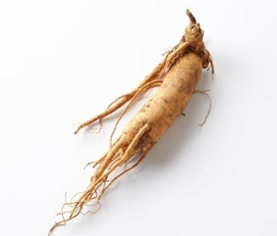
Figure 3: Ginseng.
Panax ginseng has been a fundamental part of traditional Chinese medicine for thousands of years. Commonly used as a general tonic or adaptogen, it has been frequently included in traditional prescriptions from China, Japan, and Korea, particularly for cancer patients. The primary active compounds in ginseng are ginsenosides, with more than two dozen identified. These compounds are present in both Panax ginseng and other Panax species used in herbal medicine. Due to its high cost, ginseng has often been subject to adulteration. As a result, ginsenoside analysis has been incorporated into quality control assessments to ensure the authenticity of available products. Many standardized extracts currently on the market contain the ginsenoside levels stated on their packaging. The toxicity of ginseng appears to be low, and reports of toxic reactions may be linked to other ingredients in multi-herb formulations rather than ginseng itself. Clinical trials with well characterized ginseng preparations have shown a very low incidence of toxicity. The pharmacological effects of ginseng and its ginsenosides have been widely studied, particularly in relation to cancer. Ginseng has demonstrated immune- modulating, antistress, and antihyperglycemic activities in both laboratory and clinical research. While its antifatigue properties have been extensively tested in humans, the results remain inconclusive. Additionally, several investigations have suggested that ginseng may possess antitumor properties and other cancer-related pharmacological effects. However, no clinical trials have definitively proven its anticancer efficacy. Cancer patients may find ginseng helpful in managing fatigue, but further clinical studies are needed to confirm its potential benefits [19].
The ginseng family, which includes Panax ginseng (Asian ginseng), Panax quinquefolius (American ginseng), and Panax notoginseng (notoginseng), is widely used in herbal medicine. White ginseng is obtained by air-drying the root after harvest, whereas red ginseng undergoes a steaming or heating process. The anticancer properties of red ginseng are significantly enhanced due to the formation of active anticancer ginsenosides during the steaming process, making it more potent than white ginseng.
Most anticancer research has primarily focused on Asian ginseng. Studies on red ginseng varieties, including red Asian ginseng, red American ginseng, and red notoginseng, have demonstrated their ability to inhibit cancer progression. The main anticancer mechanisms of red ginseng compounds include cell cycle arrest, induction of apoptosis or paraptosis, and suppression of angiogenesis. Structure-function relationship analyses have shown that ginsenosides from the protopanaxadiol group exhibit stronger anticancer effects than those from the protopanaxatriol group. Additionally, the presence of sugar molecules in ginsenosides reduces their antiproliferative potential, while ginsenoside stereoselectivity and the position of double bonds also play a role in their anticancer activity [20].
Cancer incidence and mortality continue to rise globally, with the effectiveness of cancer treatment largely dependent on the stage of disease progression. Prevention strategies, including screening tests and early detection of precancerous conditions, play a crucial role in reducing cancer risk and improving treatment outcomes. Early-stage diagnosis increases the likelihood of a full recovery, while advanced cancer remains difficult to cure with existing methods. Recently, natural products have gained attention in cancer therapy. Panax ginseng (PG), one of the most widely used natural remedies, has demonstrated diverse pharmacological effects in cancer treatment [21].
Traditional Chinese Medicine (TCM) use has become increasingly prevalent in the U.S. and Canada, particularly among Chinese immigrants, who report high rates of utilization. A cross- sectional survey study was conducted to examine the types of Traditional Chinese Herbal Medicine (TCHM) used, the concurrent use of TCHM with conventional cancer treatments, and communication with healthcare providers regarding TCHM use among Chinese immigrant cancer patients in New York City (NYC) [22].
A significant challenge in anticancer therapy is the presence of cancer stem cells (CSCs), a distinct subpopulation of cancer cells with stem cell-like characteristics, including self-renewal and the ability to divide through symmetric or asymmetric divisions in a multi-stage lineage state. CSCs contribute to tumor initiation, heterogeneity, progression, and recurrence. Despite their crucial role in cancer development and progression, current anticancer therapies fail to completely eliminate CSCs. Additionally, the limited therapeutic windows and effectiveness of existing anti- CSC drugs highlight the need for optimizing and developing novel anticancer agents targeting CSCs. Ginseng has been traditionally used to enhance immunity and reduce fatigue. Due to its long history of use and established safety, it has gained attention for its potential pharmacological properties, including anticancer effects. The active compounds in ginseng, particularly its saponins (ginsenosides) and non-saponin components, have been extensively studied. Research has demonstrated various pharmacological activities of ginseng, including anti-fatigue, anticancer, and antidiabetic effects [23].
Astragalus
Astragalus is a common Traditional Chinese Medicinal plant and is a commonly used as herbal product in China and other countries. The main groups of chemical compounds found in the environment are saponins, polysaccharides, amino acids, flavonoids, organic acids, glycosides, alkaloids, and trace elements species in the genus Astragalus. In Traditional Chinese Medicine, Astragalus is regarded to be useful in the treatment of diabetes, mellitus, nephritis, leukemia, uterine cancer, plus its tonic agent and diuretic effects. In addition to certain diseases, astragalus is used to treat kidney and urinary issues, digestive and liver issues, problems with the female reproductive system, muscular and skin issues, cardiovascular and blood related issues, immune and lymphatic system, nervous system, and respiratory system issues. It helps shield the body from both physical and emotional stress, among other forms of stress. In addition to its anti-aging qualities, astragalus root helps to prevent bone loss. There have been reports of hepatoprotective, antiviral, antioxidative, anti-hypertensive, and immunostimulant properties from Astragali radix, the root of Astragalus membranaceus Bunge. It has also been shown to improve new tissue formation, drainage activity, and surface resistance.
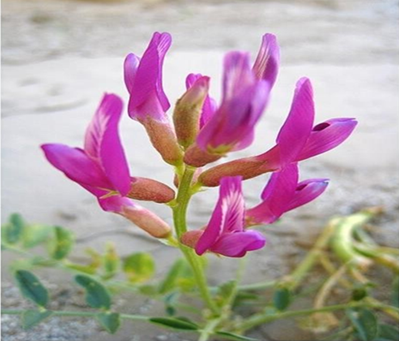
Figure 4: Astragalus.
For thousands of years, traditional Chinese medicine (TCM) has utilized various herbal remedies to enhance the immune system and promote overall health. China produces over 3 million tons of medicinal herbs, which are widely used in TCM clinics. Among these, certain herbs have been valued for their anti-aging properties since ancient times. Astragalus membranaceus, a key adaptogenic herb known for its Qi-tonifying effects, has played a significant role in TCM due to its long history of medicinal use. TCM places great emphasis on the concept of Qi (vital energy) and the balance between Yin and Yang (negative and positive forces) to maintain overall well-being. Herbal medicine continues to be an integral part of traditional healthcare practices in China and other parts of Asia, serving as a natural immune booster [24].
Colorectal cancer (CRC) remains one of the most prevalent malignancies, ranking as the third most common cancer and the second leading cause of cancer-related mortality worldwide. In recent years, significant advancements have been achieved in CRC treatment, driven by a deeper understanding of the disease and the development of more precise diagnostic biomarkers and clinical therapeutics. Traditional Chinese Medicine (TCM) is widely utilized as a complementary approach in cancer treatment, demonstrating its potential to enhance therapeutic efficacy while mitigating the adverse effects of conventional anticancer strategies. Recently, increasing attention has been directed toward Chinese herbal medicine due to its promising anticancer properties, along with its favorable safety and efficacy profiles [25].
Cancer has become one of the most feared diseases, rapidly increasing and posing a significant global economic burden. Standard chemotherapy regimens, though aimed at curing the disease, weaken the immune system and damage healthy cells, making patients vulnerable to infections and severe side effects such as pain and fatigue. Astragalus membranaceus (AM) has a long history of use in treating severe diseases. For thousands of years, its root has been included in mixed herbal decoctions to treat cancer. Due to the growing interest in its potential application for treating various cancers and tumors, AM has attracted significant research attention. Astragalus membranaceus was shown to have the ability to modulate the immune system during chemotherapy, helping patients maintain physical fitness and extend their lives. It gained popularity among herbalists as one of the top seven adaptogenic herbs, with a protective effect against chronic stress and cancer. The plant also demonstrated significant improvement in alleviating the toxic effects caused by the concurrent use of chemo-onco drugs. The natural phytoconstituents of Astragalus membranaceus, including formononetin, astragalus polysaccharide, and astragalosides, which exhibit potent anti-cancer activity. Some of these constituents have been used in clinical trials to address cancer-related fatigue [26].
From Alternative to Integrative
In recent years, cancer care experienced a transition from alternative to integrative approaches. Integrative oncology combined conventional cancer treatments with evidence-based complementary therapies, including Traditional Herbal Medicine (THM). This approach acknowledged that effective cancer care encompassed not only treating the disease but also addressing patients' physical, emotional, and spiritual needs [27].
Complementary medicine (CM) is widely used by cancer patients. It is used by 30% to more than 50% of patients at various stages of diagnosis and treatment, including adjuvant chemotherapy and radiation therapy, perioperative/neoadjuvant, palliative, and surveillance phases. The idea of using complementary and alternative medicine (CM) in cancer treatment has evolved significantly over the past two decades, and it may now have some evidence-based value. The potential additive role of CM in supportive cancer care has drawn the attention of healthcare practitioners due to an increasing number of randomized, controlled trials on the positive effects of CM modalities in enhancing patients' quality of life (QOL) [28].
The Middle East Research Group in Integrative Oncology (MERGIO) is a multidisciplinary collaboration established across six Middle Eastern countries. Operating under the Middle East Cancer Consortium (MECC), which is supported by the National Cancer Institute, MERGIO focuses on integrating traditional and complementary medicine into supportive cancer care. The group's primarily centers on herbal medicine and mind-body-spiritual practices, reflecting the region's rich traditional medical heritage. MERGIO has conducted comprehensive reviews of complementary and alternative medicine (CAM) in Middle Eastern cancer care, identifying numerous studies on CAM prevalence, doctor-patient communication, ethics, regulation, psychosocial aspects, safety, quality assurance, and education for healthcare providers. Through innovative educational, basic science, and clinical projects, MERGIO aims to develop patient-centered integrative oncology models that respect individual health beliefs and the broader socio-cultural-religious context of patients' communities. In Middle Eastern nations, complementary and traditional medicine, or CTM, is very well-liked by cancer sufferers. CTM is still considered an alternative to traditional oncology therapy in many of these nations, or alternatively, as a complementary strategy whose objective is to simultaneously produce positive results from "natural" and scientific sources [29].
Integrative oncology offers a systematic approach to combining traditional, complementary and integrative medicine (TCIM) with conventional cancer care, aiming to make treatment more affordable, accessible, and equitable, especially in low- and middle-income countries (LMICs). In LMICs, patients often rely on TCIM due to its familiarity, lower cost, and widespread availability. Integrative oncology provides a framework to research and integrate safe, effective TCIM alongside conventional cancer treatment, helping to bridge healthcare gaps and deliver evidence-informed, patient-centered care. However, tensions between conventional medicine and TCIM can disrupt efforts in evidence-based cancer care. Integrative oncology seeks to address these challenges by fostering collaboration and understanding between different medical paradigms. By uniting conventional medicine and TCIM under a cohesive framework, integrative oncology aims to provide patients worldwide with access to safe, effective, evidence-informed, and culturally sensitive cancer care [30].
Liver cancer ranks fourth globally in terms of cancer-related deaths and is the sixth most prevalent type of cancer to be diagnosed. Hepatocellular carcinoma (HCC) is primarily treated using Western medicine and therapies, however the overall prognosis for HCC patients remains poor. Prevention of HCC is especially crucial in these situations. The concept of "preventative treatment" is central to traditional Chinese medicine (TCM), which includes a multitude of recorded therapeutic tools. For thousands of years, TCM has been utilized in China to prevent HCC. In more recent times, it has also been shown to be successful in treating HCC. In China, however, the TCM theory for HCC prevention and treatment is more commonly acknowledged than overseas. TCM is an advanced cancer therapy technique with positive curative benefits that has developed over time. Additionally, thorough evaluations and methodical research techniques offer fresh ideas for updating TCM for the future [31].
Conclusion
Cancer remains a major global health concern, with conventional therapies often associated with severe side effects, which can significantly reduce patients' quality of life. The increasing interest in complementary and integrative medicine, particularly Traditional Herbal Medicine (THM), offers a promising approach to managing cancer and mitigating the adverse effects of conventional treatments. THM has been widely employed across different cultures for centuries, with various herbal remedies, such as turmeric, ginger, ginseng, and Astragalus, exhibiting anti-inflammatory, antioxidant, and anti- cancer properties. These herbs have shown potential in regulating immune function, reducing inflammation, and counteracting chemotherapy-induced toxicity. Integrative oncology, which combines conventional medicine with evidence-based complementary therapies, provides a holistic, patient- centered approach to cancer care. As the global burden of cancer continues to rise, exploring the therapeutic potential of THM and integrating it into conventional cancer care may offer new hope for patients and healthcare providers alike.
Declarations
Acknowledgement
I would like to show my sincere gratitude towards IPS Academy College of Pharmacy for providing the necessary requirements and facilities throughout the study. Lastly, I would like to express my appreciation to all my colleagues and peers for their helpful discussions and moral support, which contributed to the success of this work.
Conflict of Interest
The authors declare no conflict of interest.
References
- Kumar N, Gupta S, Joshi R. (2022). Herbal Medicine in Oncology: A Review of Current Evidence and Future Perspectives. J Integr Oncol. 11(2):78-90.
Publisher | Google Scholor - Ben-Arye E, Samuels N, Goldstein L, Mutafoglu K, Schiff E. (2021). Integrative Oncology in Supportive Cancer Care: From Traditional to Evidence-Based Medicine. Support Care Cancer. 29(1):1-12.
Publisher | Google Scholor - Wang Y, Chen P, Liu X, Zhao Y. (2021). Herbal Medicine in Cancer Treatment: A Bridge Between Tradition and Modern Science. Chin Med. 16:35.
Publisher | Google Scholor - Sagar SM, Wong RKS, Venner P. (2019). Integrative Oncology: A Canadian and Global Perspective. Curr Oncol. 26(6):e784-e792.
Publisher | Google Scholor - Xu H, Zhang Y, Li J. (2023). The Role of Medicinal Mushrooms in Cancer Therapy: A Review of Recent Advances. Biomed Pharmacother. 158:114036.
Publisher | Google Scholor - Lu X, Xu T, Li H, Zhao J. (2022). Phytochemicals as Adjuncts in Cancer Therapy: Mechanistic Insights and Clinical Progress. Front Pharmacol. 13:987654.
Publisher | Google Scholor - Liu J, Wang S, Zhang Y. (2020). Challenges and Regulatory Perspectives in Integrating Herbal Medicine with Conventional Cancer Therapy. Pharmacol Res. 160:105179.
Publisher | Google Scholor - Gupta SC, Patchva S, Aggarwal BB. (2013). Therapeutic Roles of Curcumin: Lessons Learned from Clinical Trials. AAPS J. 23(1):102.
Publisher | Google Scholor - Ryan JL, Heckler CE, Roscoe JA, Dakhil SR, Kirshner J, et al. (2003). Ginger for Chemotherapy- Related Nausea in Cancer Patients: A Randomized Controlled Trial. Support Care Cancer. 28(9):4119- 27.
Publisher | Google Scholor - Deng G, Cassileth BR, Yeung KS. (2021). Ginseng in Cancer Care: A Review of Clinical Evidence. Integr Cancer Ther. 20:15347354211043290.
Publisher | Google Scholor - Li X, Qu L, Dong Y, Han L, Liu E, et al. (2022). The Immunomodulatory Effects of Astragalus Membranaceus in Cancer Treatment. J Ethnopharmacol. 280:114432.
Publisher | Google Scholor - Bhowmik D, Kumar KS, Chandira M, Jayakar B. (2009). Turmeric: An Herbal and Traditional Medicine. Arch Appl Sci Res. 1(2):86-108.
Publisher | Google Scholor - Unlu A, Nayir E, Kalenderoglu MD, Kirca O, Ozdogan M. (2016). Curcumin (Turmeric) and Cancer. J Buon. 21(5):1050-1060.
Publisher | Google Scholor - Rathaur P, Raja W, Ramteke PW, John SA. (2012). Turmeric: The Golden Spice of Life. Int J Pharm Sci Res. 3(7):1987.
Publisher | Google Scholor - Asalya F. (2024). A Systematic Review of The Effectiveness of Turmeric in The Treatment of Breast Cancer. J Knowl Learn Sci Technol. 3(3):305-326.
Publisher | Google Scholor - Shukla Y, Singh M. (2007). Cancer Preventive Properties of Ginger: A Brief Review. Food Chem Toxicol. 45(5):683-690.
Publisher | Google Scholor - Pereira MM, Haniadka R, Chacko PP, Palatty PL, Baliga MS. (2011). Zingiber officinale Roscoe (ginger) as an adjuvant in cancer treatment: a review. J Buon. 16(3):414-424.
Publisher | Google Scholor - Shahrajabian MH, Sun W, Cheng Q. (2019). Clinical Aspects and Health Benefits of Ginger (Zingiber Officinale) in Both Traditional Chinese Medicine and Modern Industry. Acta Agric Scand B Soil Plant Sci. 69(6):546-556.
Publisher | Google Scholor - Chang YS, Seo EK, Gyllenhaal C, Block KI. (2003). Panax Ginseng: A Role in Cancer Therapy? Integr Cancer Ther. 2(1):13-33.
Publisher | Google Scholor - Chong-Zhi W, Anderson S, Wei D, Tong-Chuan H, Chun-Su Y. (2016). Red Ginseng and Cancer Treatment. Chin J Nat Med. 14(1):7-16.
Publisher | Google Scholor - Kim S, Kim N, Jeong J, Lee S, Kim W, et al. (2021). Anti-Cancer Effect of Panax Ginseng and Its Metabolites: From Traditional Medicine to Modern Drug Discovery. Processes. 9(8):1344.
Publisher | Google Scholor - Leng J, Lei L, Lei SF, Zhu Z, Ocampo A, et al. (2020). Use of Traditional Chinese Herbal Medicine Concurrently with Conventional Cancer Treatment Among Chinese Cancer Patients. J Immigr Minor Health. 22:1240-1247.
Publisher | Google Scholor - Nauman MS, Toor SI, Marium S. (2020). Ginseng Root as Old Traditional Medicine and Therapeutic Effects on Cancer. Complement Altern Med Chin. 59.
Publisher | Google Scholor - Shen L, Gwak SR, Cui ZY, Joo JC, Park SJ. (2021). Astragalus-Containing Chinese Herbal Medicine Combined with Chemotherapy for Cervical Cancer: A Systematic Review and Meta-Analysis. Front Pharmacol. 12:587021.
Publisher | Google Scholor - Lin S, An X, Guo Y, Gu J, Xie T, et al. (2019). Meta-Analysis of Astragalus-Containing Traditional Chinese Medicine Combined with Chemotherapy for Colorectal Cancer: Efficacy and Safety to Tumor Response. Front Oncol. 9:749.
Publisher | Google Scholor - Sheik A, Kim K, Varaprasad GL, Lee H, Kim S, et al. (2021). The Anticancerous Activity of Adaptogenic Herb Astragalus Membranaceus. Phytomedicine. 91:153698.
Publisher | Google Scholor - Latte-Naor S, Mao JJ. (2019). Putting integrative oncology into practice: concepts and approaches. J Oncol Pract. 15(1):7-14.
Publisher | Google Scholor - Ben-Arye E, Massalha E, Bar-Sela G, Silbermann M, Agbarya A, et al. (2014). Stepping from Traditional to Integrative Medicine: Perspectives of Israeli-Arab Patients on Complementary Medicine's Role in Cancer Care. Ann Oncol. 25(2):476-480.
Publisher | Google Scholor - Ben-Arye, E., Samuels, N., Daher, M., Turker, I., Nimri, O., et al. (2017). Integrating Complementary and Traditional Practices in Middle-Eastern Supportive Cancer Care. Journal of the National Cancer Institute Monographs, 52:lgx016.
Publisher | Google Scholor - Mao JJ, Pillai GG, Andrade CJ, Ligibel JA, Basu P, et al. (2022). Integrative Oncology: Addressing the Global Challenges of Cancer Prevention and Treatment. CA Cancer J Clin. 2022;72(2):144-164.
Publisher | Google Scholor - Liao X, Bu Y, Jia Q. (2020). Traditional Chinese Medicine as Supportive Care for The Management of Liver Cancer: Past, Present, And Future. Genes Dis. 7(3):370-379.
Publisher | Google Scholor