

Review Article
The Effectiveness of Hypnosis in Children Undergoing Surgery: A Systematic Review and Meta-analysis
1School of Humanities, Social and Education Sciences, European University of Cyprus, Nicosia, Cyprus.
2School of Medicine, European University of Cyprus, Nicosia, Cyprus.
3The JBI (Joanna Briggs Institute) University of West Attica Evidence-Based Healthcare Center, Athens, Greece.
4First Department of Obstetrics and Gynecology, Maternity Hospital, Elena Venizelou, Athens, Greece.
5Department of Obstetrics and Gynaecology, Larnaca General Hospital, Larnaca, Cyprus.
*Corresponding Author: Stylianos Sergios Chatziioannou, School of Medicine, European University of Cyprus, Nicosia, Cyprus.
Citation: Papasideri V, Stylianos S. Chatziioannou, Palaiologos P. (2026). The Effectiveness of Hypnosis in Children Undergoing Surgery: A Systematic Review and Meta-analysis, Journal of BioMed Research and Reports, BioRes Scientia Publishers. 11(1):1-12. DOI: 10.59657/2837-4681.brs.26.266
Copyright: © 2026 Stylianos Sergios Chatziioannou, this is an open-access article distributed under the terms of the Creative Commons Attribution License, which permits unrestricted use, distribution, and reproduction in any medium, provided the original author and source are credited.
Received: August 20, 2026 | Accepted: September 02, 2026 | Published: September 10, 2026
Abstract
Background: Children undergoing surgery frequently experience perioperative anxiety and postoperative pain, which may adversely affect recovery. Clinical hypnosis has emerged as a promising non-pharmacological intervention, but its effectiveness in pediatric surgical populations remains unclear.
Objective: To systematically evaluate the effectiveness of hypnosis on perioperative outcomes in children undergoing surgical procedures and to synthesize the available evidence through meta-analysis.
Methods: A systematic review was conducted according to PRISMA 2020 guidelines and registered in PROSPERO (CRD420261296483). PubMed, Scopus, Cochrane Library, CINAHL, and PsycINFO were searched from database inception to July 2026. Randomized controlled trials and observational studies evaluating hypnosis in children (≤18 years) undergoing surgery were included. Outcomes included postoperative pain, anxiety, analgesic consumption, recovery, and patient satisfaction. A random-effects meta-analysis was performed for postoperative pain at 24 hours when appropriate.
Results: Five studies involving approximately 370 pediatric patients met the inclusion criteria. Hypnosis was associated with improvements in several perioperative outcomes, including reduced postoperative pain, lower anxiety, decreased analgesic requirements, shorter recovery time, and higher patient satisfaction. Meta-analysis demonstrated a significant reduction in postoperative pain favoring hypnosis (Hedges' g = -1.75, 95% CI -3.06 to -0.45), although heterogeneity was considerable (I² = 94.6%, τ² = 1.47).
Conclusion: Clinical hypnosis appears to be an effective adjunctive intervention for improving perioperative outcomes in pediatric surgical patients, particularly by reducing postoperative pain. However, the substantial heterogeneity and limited number of available studies highlight the need for larger, well-designed randomized controlled trials using standardized hypnosis protocols before routine clinical implementation can be recommended.
Keywords: hypnosis; pediatric surgery; children; perioperative care; postoperative pain; anxiety; systematic; meta-analysis
Introduction
Each year, large numbers of children undergo elective and emergency surgical procedures, and the perioperative period is frequently characterized by substantial anxiety, pain, and distress for both patients and their families [1]. Elevated preoperative anxiety in children and their parents has been consistently associated with greater postoperative discomfort, including increased pain, nausea, and behavioral disturbances, as well as more challenging recovery trajectories [2]. Conventional perioperative management relies heavily on pharmacological strategies such as general anaesthesia, sedatives, and opioids, which, while effective, may carry risks of adverse effects, prolonged recovery, and resource-intensive care, prompting interest in complementary non-pharmacological interventions that can enhance child comfort and optimize outcomes [2-4].
Over the past decade, a growing body of randomized and prospective studies has evaluated hypnosis as a perioperative intervention for children undergoing surgery and other invasive procedures under anaesthesia or sedation [5, 6]. These trials span a variety of clinical contexts including superficial paediatric surgery, major orthopaedic operations, tonsillotomy and adenoidectomy, cardiac catheterisation, and minor dermatosurgical procedures and collectively indicate that hypnosis is feasible, generally well accepted by children and families, and can be integrated into routine perioperative workflows without major disruption[7-9]. Across these settings, hypnosis has typically been delivered either as a brief preoperative session, as structured hypnoanalgesia combined with local anaesthesia, or as scripted self‑hypnotic relaxation, reflecting the flexibility of hypnotic techniques and their adaptability to different age groups and procedural demands [10].
Beyond the surgical theatre, paediatric hypnosis has been applied in a wider range of medical procedures such as venepuncture, lumbar puncture, oncological interventions and dermatological treatments where procedure‑related pain and anxiety are prominent concerns [10-12]. Evidence from these contexts suggests that both therapist‑led hypnosis and self‑hypnosis can reduce acute pain, lower procedural anxiety, decrease reliance on pharmacological sedation or analgesia, and improve children’s subjective experience of care [12-14]. Taken together, these findings imply that hypnosis may influence multiple perioperative outcomes including pain intensity, anxiety levels, analgesic consumption, physiological stress responses, behavioural recovery, and length of hospital stay, although variability in hypnotic protocols, timing, patient populations and outcome measures poses challenges for drawing definitive conclusions [6].
In parallel, editorials and expert commentaries in anaesthesia and paediatric pain medicine have highlighted clinical hypnosis as a promising non‑pharmacological strategy within perioperative care, emphasizing its potential to serve as an adjunct and in selected cases, an alternative to traditional anaesthetic and analgesic regimens [11]. These perspectives underscore the need for rigorous, systematic evaluation of hypnosis in paediatric surgical populations, so that clinicians can better understand its effectiveness, indications and practical implications when striving to minimise perioperative distress and improve recovery in children [15].
Existing reviews have tended to focus on the effectiveness of hypnosis for reducing procedure-related pain and distress in children and adolescents across diverse medical contexts, rather than specifically synthesizing evidence on perioperative outcomes in paediatric surgical populations [16-19]. At the same time, the growing number of randomized controlled trials and clinical studies in paediatric surgery and invasive procedures suggests that hypnosis could represent a valuable adjunct or, in selected cases, an alternative to conventional anaesthetic approaches, yet the overall magnitude and consistency of its effects on perioperative outcomes remain unclear [10, 14, 19]. Given the clinical importance of minimizing perioperative anxiety, pain, and postoperative discomfort in children, and the need for evidence-based guidance on integrating hypnotic interventions into paediatric anaesthesia pathways, a systematic synthesis of the available literature is warranted.
Research Question
What is the effectiveness of hypnosis in perioperative outcomes among children undergoing surgical procedures?
Material and Methods
Study Design
This systematic review was conducted to evaluate the effectiveness of hypnosis as a therapeutic intervention for children undergoing surgical procedures. The PICO framework guided the structure of the review. The population consisted of children and adolescents (≤18 years) undergoing any type of surgery. The intervention involved hypnosis, including clinical hypnosis, guided imagery, or self-hypnosis techniques adapted for pediatric populations. Comparisons were made either against no intervention, placebo, or other standard perioperative care approaches. The primary outcomes assessed were reductions in pain, anxiety, and distress, as well as improvements in coping and overall perioperative experience.
This review adhered to the Preferred Reporting Items for Systematic Reviews and Meta-Analyses (PRISMA) 2020 guidelines to ensure a transparent and reproducible methodology [20] and employed the Joanna Briggs Institute’s (JBI) Critical Appraisal Checklist for Systematic Reviews and Research Syntheses to minimize bias [21]. A registration for this review was made in PROSPERO.
(https://www.crd.york.ac.uk/PROSPERO/view/CRD420261296483) (22).
Eligibility Criteria
Studies were included if they evaluated the effectiveness of hypnosis in reducing physical and psychological symptoms and enhancing perioperative and postioperative outcomes in children undergoing surgery. Surgical procedures were defined according to standardized clinical criteria. Symptom severity, anxiety, pain, and overall perioperative experience were assessed using validated pediatric self-report instruments, parent-proxy reports, or standardized questionnaires. Eligible studies were restricted to randomized controlled trials and observational studies published in English the last decade (up to July 2026).
Exclusion criteria included studies conducted in adult populations, studies investigating non-surgical conditions without reporting separate outcomes for pediatric surgery, non-randomized controlled trials reviews, case reports, opinion papers, non-English publications, and studies lacking complete outcome data.
Search Strategy
A comprehensive literature search was conducted in PubMed, Scopus, Cochrane, CINAHL and PsycINFO using a combination of MeSH terms and keywords such as “child,” “pediatric,” “surgery,” “hypnosis,” “self-hypnosis,” “pain,” “anxiety,” and “stress”. Boolean operators were used to refine and optimize search results. The search was limited to English-language studies involving human participants (Appendix 1). Additionally, citation tracking and manual screening of reference lists from included articles were performed to ensure comprehensive coverage.
Study Selection
Search results were imported into JBI SUMARI software, and duplicates were removed (23). Two reviewers independently screened titles and abstracts of all identified studies. Full texts of potentially relevant studies were reviewed to determine eligibility according to predefined criteria. Any disagreements were resolved through discussion with a third reviewer. The study selection process was documented using a PRISMA flow diagram.
Assessment of Methodological Quality
Eligible studies were critically appraised by two independent reviewers at the outcome level for methodological quality in the review using standardized critical appraisal instruments from JBI for cohort studies [24] and the JBI Critical Appraisal Checklist for Randomized Controlled Trials [25] were used, as appropriate. Any disagreements that have arisen were resolved through team discussion. The results of critical appraisal were reported in narrative form and in a Table 2, Table 3, Table 4.
In keeping with JBI recommendations, no overall quality score was calculated to determine study eligibility. Instead, each study was appraised across individual methodological domains, and identified limitations were considered when interpreting the findings and assessing the overall certainty and consistency of the evidence. For descriptive purposes, studies with multiple unmet appraisal criteria were considered to be at greater risk of bias; however, no study was excluded on the basis of its methodological quality alone.
Data Extraction
A standardized data extraction form was developed to systematically record information on: authors, year of publication, study design, country/institution, population, intervention, comparator, outcomes, measurement instruments, and results.
Data Synthesis
Given the clinical and methodological heterogeneity across studies, a random-effects meta-analysis was conducted where sufficient data were available. Outcomes that were not amenable to pooling because of differences in study design, interventions, outcome measures, or reporting format were summarized narratively. The synthesis focused on the effects of hypnosis on postoperative pain, anxiety, distress, coping, and other perioperative outcomes in pediatric surgical patients.
Ethics
As this review analyzed previously published data, no primary data collection was involved. It was assumed that all included studies had obtained prior ethical approval.
Results
The database searches yielded a total of 415 records, comprising 28 records from PubMed, 126 records from Scopus, 18 records from Cochrane, 121 records from CINAHL and 22 records from APA-PsychInfo. The abstracts were uploaded to JBI SUMARI, which identified 94 duplicates that were subsequently removed. Screening was conducted on 321 abstracts, leading to the manual exclusion of 307 abstracts. Of the 13 full-text articles sought, all were retrieved and assessed for eligibility. Six excluded due to an ineligible study design, 1 due to ineligible clinical setting and 1 due to ineligible participant characteristics. A total of five studies met the eligibility criteria and were included in the systematic review. These studies were published between 2018 and 2025 and investigated the effectiveness of perioperative clinical hypnosis in pediatric surgical patients. Overall, the included studies enrolled approximately 370 children and adolescents, with sample sizes ranging from 60 to 120 participants. A detailed illustration of the study selection process is provided in the accompanying PRISMA flow diagram (Figure 1).
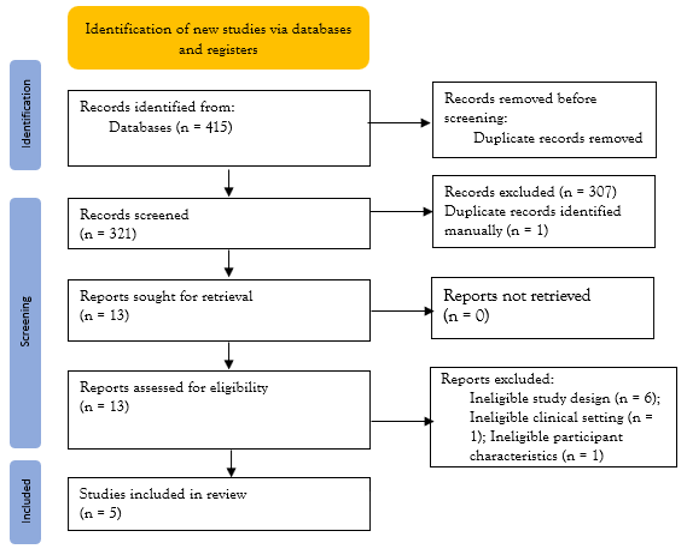
Figure 1: Prisma Flow diagram
Study characteristics
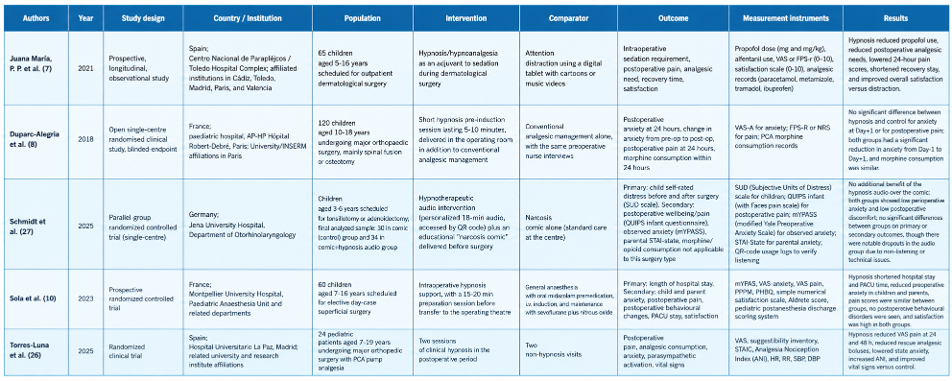
The characteristics of the included studies are summarized in Table 1. Four studies were randomized controlled trials, while one was a prospective longitudinal observational study. The studies were conducted in France (n=2), Spain (n=2) and Germany (n=1).
Participants were children and adolescents aged 3 to 18 years undergoing a variety of surgical procedures, including dermatological surgery, orthopedic surgery, tonsillotomy or adenoidectomy, and elective superficial surgery. One study focused specifically on children undergoing major orthopedic surgery, whereas another evaluated hypnosis during outpatient dermatologic procedures performed under sedation.
The hypnosis interventions varied considerably across studies. Three studies used face-to-face perioperative clinical hypnosis delivered by trained healthcare professionals, whereas one study evaluated a personalized hypnotherapeutic audio recording used before surgery, and another incorporated hypnosis as an adjunct to sedation during dermatological surgery. Comparator groups included standard perioperative care, distraction techniques, educational interventions, or pharmacological premedication.
Outcome measures also differed between studies but generally included postoperative pain intensity, analgesic consumption, anxiety, perioperative distress, recovery time, hospital length of stay, and patient or parent satisfaction. Pain was primarily assessed using validated pediatric scales, including the Visual Analogue Scale (VAS), Faces Pain Scale–Revised (FPS-R), and Numeric Rating Scale (NRS). Anxiety was commonly evaluated using the modified Yale Preoperative Anxiety Scale (mYPAS), State-Trait Anxiety Inventory (STAI), or VAS-based anxiety measures.
Effects of hypnosis on postoperative pain
Pain outcomes were reported in all included studies. Three studies demonstrated clinically meaningful benefits of hypnosis for postoperative pain management. Juana María, P. P. et al. [7] reported lower postoperative pain scores and reduced analgesic requirements among children receiving hypnosis compared with distraction techniques. Similarly, Torres-Luna et al. found significantly lower pain scores at both 24 and 48 hours after major orthopedic surgery, together with fewer rescue analgesic boluses in the hypnosis group [26]. Sola et al., however, observed no significant differences in postoperative pain despite improvements in other perioperative outcomes [23].
In contrast, Duparc-Alegria et al. found no significant differences between hypnosis and conventional care regarding postoperative pain or morphine consumption after orthopedic surgery [8]. Likewise, Schmidt et al. reported that adding a hypnotherapeutic audio intervention to standard educational preparation did not improve postoperative discomfort compared with the educational intervention alone [27].
Overall, the available evidence suggests that clinical hypnosis may reduce postoperative pain in pediatric patients, although the magnitude of benefit appears to depend on the type of hypnosis intervention and the surgical setting.
Effects of hypnosis on anxiety
Four studies assessed perioperative anxiety. Two studies reported significant reductions in anxiety among children receiving hypnosis. Torres-Luna et al. demonstrated lower postoperative state anxiety alongside improved autonomic nervous system regulation, while Sola et al. observed lower preoperative anxiety in both children and their parents [26].
Conversely, Duparc-Alegria et al. found no significant differences between groups in postoperative anxiety, although anxiety decreased over time in both intervention and control groups [8]. Schmidt et al. similarly reported no additional reduction in perioperative distress with the hypnotherapeutic audio intervention compared with standard educational preparation [27].
Analgesic consumption
Three studies evaluated postoperative analgesic requirements. Juana María P.P. et al. reported reduced propofol consumption during surgery together with decreased postoperative analgesic use among children receiving hypnosis [7]. Torres-Luna et al. similarly demonstrated fewer rescue analgesic boluses in the hypnosis group after major orthopedic surgery [26]. In contrast, Duparc-Alegria et al. found no significant difference in postoperative morphine consumption between hypnosis and standard care [8].
Recovery outcomes and patient satisfaction
Several studies reported improvements in recovery-related outcomes. Juana María P.P. et al. observed shorter recovery room stays and higher patient satisfaction among children treated with hypnosis [7]. Likewise, Sola et al. found reductions in post-anesthesia care unit duration and overall hospital stay, with high satisfaction reported in both study groups [10]. Torres-Luna et al. also reported improved physiological recovery, reflected by higher Analgesia Nociception Index (ANI) values and lower postoperative nausea and vomiting [21].
Table 1: Characteristics of the included studies.
Meta-analysis
Postoperative pain (24 h/Day 1)
A random-effects meta-analysis including four studies, comprising one prospective observational study and three randomized controlled trials, demonstrated that hypnosis was associated with a significant reduction in postoperative pain at 24 hours/Day 1 compared with the control intervention. The observational study was included because comparable quantitative outcome data were available, and, given the limited evidence base, its inclusion was considered appropriate to provide the most comprehensive synthesis of the available evidence. The pooled standardized mean difference (Hedges' g) was -1.75 (95% CI -3.06 to -0.45), indicating a large effect favoring hypnosis. However, there was considerable between-study heterogeneity (I² = 94.6%, τ² = 1.47), suggesting substantial variability in treatment effects across studies. Despite this heterogeneity, the overall pooled estimate remained statistically significant, with the confidence interval not crossing the line of no effect. Nevertheless, the potential influence of the mixed study designs on the certainty and interpretation of the findings was carefully considered throughout the methodological quality assessment and discussion.
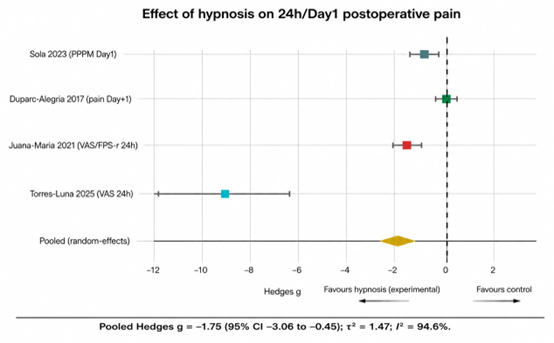
Figure 2: Forest plot of the random-effects meta-analysis evaluating the effect of hypnosis on postoperative pain at 24 hours (or postoperative Day 1).
Critical appraisal results.
Table 2: Critical Appraisal of Eligible Cohort Study
| Citation | Q1 | Q2 | Q3 | Q4 | Q5 | Q6 | Q7 | Q8 | Q9 | Q10 | Q11 |
| Juana María P.P. et al. 2021 (7) | N | N | N | N | N | Y | Y | Y | Y | N | Y |
| % | 0.0 | 0.0 | 0.0 | 0.0 | 0.0 | 100.0 | 100.0 | 100.0 | 100.0 | 0.0 | 100.0 |
Table 3: Critical Appraisal of Eligible Randomized Controlled Trial.
| Citation | Q1 | Q2 | Q3 | Q4 | Q5 | Q6 | Q7 | Q8 | Q9 | Q10 | Q11 | Q12 | Q13 |
| Duparc‐Alegria N et al. 2018 (8) | Y | Y | Y | N | N | Y | Y | Y | Y | Y | Y | Y | Y |
| Schmidt B, et al. 2025 (27) | N | N | N | N | N | Y | N | N | N | Y | Y | Y | N |
| Sola C. et al. 2023 (10) | Y | U | Y | N | N | Y | Y | Y | Y | Y | Y | Y | Y |
| Torres-Luna R. et al. (26) | Y | N | Y | N | N | N | Y | N | Y | Y | Y | Y | Y |
| % | 75.0 | 25.0 | 75.0 | 0.0 | 0.0 | 75.0 | 75.0 | 50.0 | 75.0 | 100.0 | 100.0 | 100.0 | 75.0 |
The methodological quality of the included studies was assessed using the appropriate Joanna Briggs Institute (JBI) critical appraisal tools according to study design (Tables 2 and 3). Overall, the methodological quality of the evidence was moderate. The prospective cohort study demonstrated adequate outcome measurement and statistical analysis but was limited by insufficient control of confounding and potential selection bias [7]. Among the randomized controlled trials, most studies clearly described the interventions, outcome assessment, and statistical analyses. The most common methodological limitations were inadequate or unclear allocation concealment and the lack of blinding of participants, personnel, and outcome assessors, reflecting the practical challenges of implementing hypnosis interventions in clinical settings. Attrition was generally low, and outcome reporting was complete in most studies. Despite these methodological limitations, no study was excluded on the basis of quality assessment, and all were considered suitable for inclusion in the qualitative synthesis and meta-analysis. Nevertheless, the identified risks of bias should be taken into account when interpreting the magnitude and certainty of the observed treatment effects.
Discussion
This review synthesizes the available evidence on pediatric perioperative hypnosis, providing a focused evaluation of its effects on postoperative pain and other clinically relevant perioperative outcomes. Our meta-analysis demonstrated that hypnosis delivered during the perioperative period significantly reduced postoperative pain at 24 hours (Hedges' g = -1.75), indicating a large treatment effect in favor of hypnotic interventions. However, between-study heterogeneity was considerable (I² = 94.6%), suggesting substantial variability in treatment effects across studies. This heterogeneity likely reflects differences in hypnosis techniques (therapist-led, scripted self-hypnosis, or brief preoperative hypno-relaxation), intervention timing, surgical procedures, and outcome assessment methods. Consequently, although the magnitude and direction of the pooled effect suggest that hypnosis can meaningfully reduce early postoperative pain in pediatric surgical patients, these findings should be interpreted with caution. If confirmed by larger and more methodologically homogeneous randomized controlled trials, clinical hypnosis could represent a valuable adjunct to standard anesthetic and analgesic care. As a non-pharmacological, low-cost, and generally well-accepted intervention, hypnosis has the potential to be incorporated into multimodal perioperative care pathways to reduce pain, decrease sedative and opioid requirements, and improve the overall perioperative experience for children and their families when appropriately trained personnel and resources are available.
Several individual trials and syntheses report results in line with our findings, showing clinically relevant reductions in procedural or postoperative pain when hypnosis is used in children. For example, randomized trials of scripted self‑hypnotic relaxation in pediatric cardiac catheterization and brief hypnoanalgesia combined with local anesthesia for dermatological procedures documented significant reductions in pain and distress outcomes comparable to those we pooled [5, 7, 10, 28]. Larger pragmatic trials in paediatric superficial surgery also reported lower analgesic requirements and better perioperative comfort with hypnosis vs standard care, supporting the plausibility and external validity of our pooled result [10].
Moreover, prior literature supports the use of hypnosis as a useful adjunct throughout the pediatric perioperative period. Kuttner’s review described hypnosis as applicable before, during, and after anesthesia, with potential benefits including reduced anxiety, shorter hospital stay, and less pain and discomfort in children [6]. More recently, Lauder G. and Kuttner L. have reinforced this view by emphasizing pediatric hypnosis as a valuable nonpharmacologic tool in pediatric anesthesia that may help reduce pain and anxiety while improving the overall perioperative experience [29].
Our results also align with the broader literature on perioperative behavioral interventions in children. Reviews of perioperative child anxiety emphasize that preoperative distress is multifactorial and that effective management often requires a tailored combination of educational, cognitive, and behavioral strategies rather than pharmacologic approaches alone [30]. This is important because parental anxiety and child anxiety are closely linked, and interventions that improve coping, communication, and perceived control may reduce both immediate distress and downstream recovery problems [2, 31]. In this context, hypnosis may be best understood not as a stand-alone technique, but as one component of a multimodal, family-centered perioperative pathway.
Not all studies agree with a positive effect of hypnosis on perioperative pain: some randomized trials and reviews have found smaller or non‑significant differences between hypnosis and control groups, or improvements limited to anxiety and behavioral outcomes rather than pain intensity [8, 32-34]. Heterogeneity in these discordant studies often stemmed from differences in hypnotic protocol (duration, therapist training, scripted vs individualized techniques), timing of delivery (single brief preoperative session versus multi‑session preparation), patient selection (age ranges, baseline anxiety or hypnotizability), comparator conditions (active attention control, standard care, or other behavioral methods), and outcome measurement (self‑report vs observer‑rated scales) [11, 34]. These methodological differences likely explain why some trials do not find the same magnitude of analgesic benefit that we observed.
There are important limitations that temper confidence in the pooled estimate. First, between‑study heterogeneity was very high (I2 = 94.6%), indicating large variability in effect sizes across included trials, which reduces the certainty of generalizing the pooled effect to all pediatric surgical contexts. Second, included studies varied markedly in hypnotic technique, dose, provider expertise, and comparator conditions, creating clinical and methodological heterogeneity that complicates interpretation. Third, risk of bias concerns in some trials (small sample sizes, inadequate blinding of outcome assessment, incomplete reporting) may have inflated effect estimates; several studies relied on subjective pain measures without independent assessor blinding. Fourth, the number of trials contributing to the primary meta‑analysis was limited, restricting our ability to explore moderators (age, procedure type, hypnotizability, timing) through subgroup or meta‑regression analyses. Finally, publication bias cannot be excluded given the small number of included studies and tendency for positive non‑pharmacological trials to be published preferentially; this could overestimate the true effect.
Given the limited number of studies available for quantitative synthesis, additional exploratory analyses were not considered methodologically appropriate. Specifically, sensitivity analyses, including leave-one-out analyses, were not performed because the exclusion of any single study would have substantially altered the pooled estimate and produced unstable results. Likewise, subgroup analyses according to surgical procedure, hypnosis protocol, timing of the intervention, or participant characteristics were not feasible due to the small number of eligible studies and the considerable clinical and methodological heterogeneity among them. Consequently, the findings of the meta-analysis should be interpreted with appropriate caution, and future studies with larger and more homogeneous datasets are needed to allow more robust exploration of potential sources of heterogeneity.
Future randomized trials should standardize core elements of hypnotic interventions (manualized protocols, training and fidelity checks), use blinded outcome assessment where possible, and include objective secondary outcomes such as analgesic consumption and length of stay. Trials should prespecify and measure potential effect modifiers (age, baseline anxiety, hypnotizability, type of surgery) to allow meaningful subgroup analyses, and larger multicenter studies would improve precision and generalizability. Implementation research is also needed to assess feasibility, cost‑effectiveness, and integration of hypnosis into routine pediatric perioperative pathways.
Conclusion
Clinical hypnosis appears to be an effective adjunctive intervention for improving perioperative outcomes in children undergoing surgery. The available evidence suggests that hypnosis can reduce postoperative pain, perioperative anxiety, analgesic requirements, and improve recovery, with the meta-analysis demonstrating a significant reduction in postoperative pain. However, considerable heterogeneity and the limited number of studies warrant cautious interpretation. Larger, high-quality randomized controlled trials using standardized hypnosis protocols are needed to confirm these findings and establish the role of hypnosis in routine pediatric perioperative care.
References
- Kain, Z. N., Mayes, L. C., Caldwell-Andrews, A. A., Karas, D. E., & McClain, B. C. (2006). Preoperative anxiety, postoperative pain, and behavioral recovery in young children undergoing surgery. Pediatrics, 118(2):651–658.
Publisher | Google Scholor - Fortier, M. A., & Kain, Z. N. (2015). Treating perioperative anxiety and pain in children: A tailored and innovative approach. Paediatric Anaesthesia, 25(1):27–35.
Publisher | Google Scholor - Ahmed, M. I., Farrell, M. A., Parrish, K., & Karla, A. (2011). Preoperative anxiety in children: Risk factors and non-pharmacological management. Middle East Journal of Anaesthesiology, 21(2):153–164.
Publisher | Google Scholor - Agbayani, C. G., Fortier, M. A., & Kain, Z. N. (2020). Non-pharmacological methods of reducing perioperative anxiety in children. BJA Education, 20(12):424–430.
Publisher | Google Scholor - Viegas, J., Holtby, H., Runeckles, K., & Lang, E. V. (2022). The impact of scripted self-hypnotic relaxation on the periprocedural experience and anesthesiologist sedation use in the pediatric cardiac catheterization suite: A prospective randomized controlled trial. Journal of Pain Research, 15, 3447–3458.
Publisher | Google Scholor - Kuttner, L. (2012). Pediatric hypnosis: Pre-, peri-, and post-anesthesia. Paediatric Anaesthesia, 22(6):573–577.
Publisher | Google Scholor - PP, J. M. P., SC, M., QD, M., B, J. M., & EA, F. J. (2021). Effectiveness of hypnoanalgesia in paediatric dermatological surgery. Children, 8(12).
Publisher | Google Scholor - Duparc-Alegria, N., Tiberghien, K., Abdoul, H., Dahmani, S., Alberti, C., & Thiollier, A. F. (2018). Assessment of a short hypnosis in a paediatric operating room in reducing postoperative pain and anxiety: A randomised study. Journal of Clinical Nursing, 27(1–2):86–91.
Publisher | Google Scholor - Fontanges, P. A., De Jonkheere, J., Baudelet, J. B., Godart, F., Domanski, O., Delarue, A., et al. (2023). Clinical hypnosis associated with local anesthesia for cardiac catheterization in pediatric population. Archives of Cardiovascular Diseases Supplements, 15(1):141.
Publisher | Google Scholor - Sola, C., Devigne, J., Bringuier, S., Pico, J., Coruble, L., Capdevila, X., et al. (2023). Hypnosis as an alternative to general anaesthesia for paediatric superficial surgery: A randomised controlled trial. British Journal of Anaesthesia, 130(3):314–321.
Publisher | Google Scholor - Al-Beltagi, M. (2025). Clinical hypnosis in pediatric care: An adjunctive tool or therapeutic illusion. World Journal of Experimental Medicine, 15(4):114554.
Publisher | Google Scholor - Geagea, D., Tyack, Z., Kimble, R., Polito, V., Ayoub, B., Terhune, D. B., et al. (2023). Clinical hypnosis for procedural pain and distress in children: A scoping review. Pain Medicine, 24(6):661–702.
Publisher | Google Scholor - Lombart, B., & Kerever, S. (2017). L’hypno-analgésie en oncohématologie pédiatrique. Des preuves à la pratique. Revue d'Oncologie Hématologie Pédiatrique, 5(2):94–100.
Publisher | Google Scholor - Yadav, P., & Sahni, K. (2026). PS52: A randomized controlled trial to assess the effect of adding hypnoanaesthesia to existing standard infiltration anaesthetic technique in reducing pain and anxiety in children undergoing minor dermatosurgical procedures, compared with standard infiltration anaesthetic technique alone. British Journal of Dermatology, 195(Supplement_1):ljag086.667.
Publisher | Google Scholor - Cyna, A. M., Hewson, D. W., & Hardman, J. G. (2023). Clinical hypnosis: Implications in anaesthesia and perioperative care. British Journal of Anaesthesia, 130(6):647–650.
Publisher | Google Scholor - Gold, J. I., Kant, A. J., Belmont, K. A., & Butler, L. D. (2007). Practitioner review: Clinical applications of pediatric hypnosis. Journal of Child Psychology and Psychiatry, 48(8):744–754.
Publisher | Google Scholor - Montgomery, G. H., David, D., Winkel, G., Silverstein, J. H., & Bovbjerg, D. H. (2002). The effectiveness of adjunctive hypnosis with surgical patients: A meta-analysis. Anesthesia & Analgesia, 94(6):1639–1645.
Publisher | Google Scholor - Rosendahl, J., Alldredge, C. T., & Haddenhorst, A. (2023). Meta-analytic evidence on the efficacy of hypnosis for mental and somatic health issues: A 20-year perspective. Frontiers in Psychology, 14, 1330238.
Publisher | Google Scholor - Tefikow, S., Barth, J., Maichrowitz, S., Beelmann, A., Strauss, B., & Rosendahl, J. (2013). Efficacy of hypnosis in adults undergoing surgery or medical procedures: A meta-analysis of randomized controlled trials. Clinical Psychology Review, 33(5):623–636.
Publisher | Google Scholor - Page, M. J., McKenzie, J. E., Bossuyt, P. M., Boutron, I., Hoffmann, T. C., Mulrow, C. D., et al. (2021). The PRISMA 2020 statement: An updated guideline for reporting systematic reviews. BMJ, 372:n71.
Publisher | Google Scholor - Hilton, M. (2024). JBI critical appraisal checklist for systematic reviews and research syntheses. Journal of the Canadian Health Libraries Association, 45(3).
Publisher | Google Scholor - Chatziioannou, S. S., & Papasideri, V. (2026). The effectiveness of hypnosis in children undergoing surgery: A systematic review [PROSPERO protocol].
Publisher | Google Scholor - Piper, C. (2019). System for the Unified Management, Assessment, and Review of Information (SUMARI). Journal of the Medical Library Association, 107(4):634–636.
Publisher | Google Scholor - Liu, X.-L., Sears, K., Leonardi-Bee, J., Tufanaru, C., Hasanoff, S., Moola, S., et al. (2025). The revised JBI critical appraisal tool for the assessment of risk of bias for cohort studies. JBI Evidence Synthesis, 23(3):441–453.
Publisher | Google Scholor - Barker, T. H., Leonardi-Bee, J., Aromataris, E., Stone, J. C., Munn, Z., Tufanaru, C., et al. (2023). The revised JBI critical appraisal tool for the assessment of risk of bias for randomized controlled trials. JBI Evidence Synthesis, 21(3):494–506.
Publisher | Google Scholor - Torres-Luna, R., Sellán Soto, M. C., & Reinoso-Barbero, F. (2025). Analgesic efficacy of clinical hypnosis in pediatric patients following orthopedic surgery. Anales de Pediatría (English Edition):102(4):503831.
Publisher | Google Scholor - Schmidt, B., Thomas, C., Göttermann, A., Meißner, W., Geißler, K., Guntinas-Lichius, O., et al. (2025). Reducing perioperative anxiety and postoperative discomfort in children with hypnosis before tonsillotomy and adenoidectomy: A prospective randomized trial. Health Science Reports, 8(3):e70484.
Publisher | Google Scholor - Fontanges, P. A., Jonkheere, J., Baudelet, J. B., Godart, F., Domanski, O., Delarue, A., et al. (2023). Clinical hypnosis associated with local anesthesia for cardiac catheterization in pediatric population. Archives of Cardiovascular Diseases Supplements, 15, 141.
Publisher | Google Scholor - Lauder, G., & Kuttner, L. (2024). Innovative change not as yet fully integrated in pediatric anesthesia. Paediatric Anaesthesia, 34(8):697–700.
Publisher | Google Scholor - Cohen-Salmon, D. (2010). Perioperative psychobehavioural changes in children. Annales Françaises d’Anesthésie et de Réanimation, 29(4):289–300.
Publisher | Google Scholor - Sullivan, V., Sullivan, D. H., & Weatherspoon, D. (2021). Parental and child anxiety perioperatively: Relationship, repercussions, and recommendations. Journal of PeriAnesthesia Nursing, 36(3):305–309.
Publisher | Google Scholor - Geagea, D., Tyack, Z., Kimble, R., Polito, V., Ayoub, B., Terhune, D. B., et al. (2023). Clinical hypnosis for procedural pain and distress in children: A scoping review. Pain Medicine, 24(6):661–702.
Publisher | Google Scholor - Geagea, D., Tyack, Z., Kimble, R., Eriksson, L., Polito, V., & Griffin, B. (2021). Hypnotherapy for procedural pain and distress in children: A scoping review protocol. Pain Medicine, 22(12):2818–2826.
Publisher | Google Scholor - Kendrick, C., Sliwinski, J., Yu, Y., Johnson, A., Fisher, W., Kekecs, Z., et al. (2016). Hypnosis for acute procedural pain: A critical review. International Journal of Clinical and Experimental Hypnosis, 64(1):75–115.
Publisher | Google Scholor