

Research Article
The Effect of Intimate Partner Violence on The Utilization of Maternal Health Care Services Among Pregnant Women Attending Antenatal Care in Usmanu Danfodiyo University Teaching Hospital Sokoto, Sokoto State- Nigeria: A Mixed-Methods Cross-Sectional
- Anas Rabiu Funtua 1*
- Nafisatu Abdullahi 2
- Abubakar Usman Mayana 3
- Sadiya Musa Gwadabe 4
- Aloy Ugwu Okechukwu 5
- Sanusi Garba Rimi 6
- Chapa Mohammed Aliyu 7
1 Department of OBGYN, Federal Teaching Hospital Katsina, Katsina City, Katsina State of Nigeria.
2 Department of Internal Medicine, Federal Teaching Hospital Katsina, Katsina City, Katsina State of Nigeria.
3 Department of OBGYN, Usmanu Danfodiyo University Teaching Hospital Sokoto, Sokoto City, Sokoto State of Nigeria.
4 Department of OBGYN, University of Illorin Teaching Hospital, Illorin City, Kwara State of Nigeria.
5 68 Nigerian Army Reference Hospital Yaba, Lagos, Nigeria.
6 Nigerian Custom Service Hospital Karu Abuja, Nigeria. 7Department of OBGYN, Jummai Babangida Aliyu Maternal and Neonatal Hospital, Minna, Nigeria.
*Corresponding Author: Anas Rabiu Funtua, Department of OBGYN, Federal Teaching Hospital Katsina, Katsina City, Katsina State of Nigeria.
Citation: Funtua AR, Abdullahi N, Mayana AU, Gwadabe SM, Okechukwu AU, et al. (2026). The Effect of Intimate Partner Violence on The Utilization of Maternal Health Care Services Among Pregnant Women Attending Antenatal Care in Usmanu Danfodiyo University Teaching Hospital Sokoto, Sokoto State- Nigeria: A Mixed-Methods Cross-Sectional Study, Journal of Women Health Care and Gynecology, BioRes Scientia Publishers. 6(3):1-7. DOI: 10.59657/2993-0871.brs.26.116
Copyright: © 2026 Anas Rabiu Funtua, this is an open-access article distributed under the terms of the Creative Commons Attribution License, which permits unrestricted use, distribution, and reproduction in any medium, provided the original author and source are credited.
Received: May 29, 2026 | Accepted: July 13, 2026 | Published: July 31, 2026
Abstract
Background: Intimate partner violence (IPV) during pregnancy poses significant public health and human rights concerns. It may hinder women's autonomy and reduce their access to maternal health services. This study assessed the effect of IPV on maternal healthcare service utilization among pregnant women attending antenatal care.
Materials and Methods: A mixed-methods cross-sectional study was conducted among 286 pregnant women using structured interviewer-administered questionnaires and focus group discussions (FGDs). The IPV prevalence, forms of IPV, and associations with maternal health service utilization were determined. Logistic regression was used to assess adjusted odds ratios (aOR). Qualitative data from FGDs were thematically analyzed.
Results: IPV prevalence was 30.6%. The commonest forms were sexual violence (42.9%), physical violence (30%), and emotional violence (27.1%). Autonomy in healthcare decisions was significantly reduced. IPV was significantly associated with dependence on male partners for key maternal health decisions. The odds are increased for dependence when deciding when to get pregnant (aOR = 0.371; CI: 0.182-0.758), when to start ANC (aOR = 0.380; CI: 0.172-0.838), and contraceptive type (aOR = 0.357; CI: 0.170-0.748).
Conclusion: IPV significantly affects women’s autonomy and utilization of maternal health care. Routine IPV screening and integrated support during antenatal care could improve maternal health outcomes.
Keywords: intimate partner violence; maternal health; antenatal care; Nigeria; gender-based violence; women's autonomy
Introduction
Intimate partner violence (IPV) represents one of the most persistent and devastating forms of gender-based violence worldwide, with an estimated one in three women globally experiencing physical or sexual IPV during their lifetime [1]. In sub-Saharan Africa, the prevalence of IPV ranges between 20% and 70% [2]. According to the United Nations, violence against women is defined as any act of gender-based violence that results in or is likely in, physical, sexual or psychological harm or suffering to women, including threats of such acts, as coercion or arbitrary deprivation of liberty whether occurring in public or private life [3]. Intimate partner violence (IPV) is a global issue and it cuts across all types of families irrespective of social, racial, economic or religious background and place of residence [3]. It is of special concern in pregnancy because of the effect on the woman and the unborn baby; it is known to be associated with adverse pregnancy outcome such as miscarriage, preterm delivery, low birth weight and perinatal death. It is also associated with a range of adverse physical, mental, and other reproductive health consequences and intergenerational effects [2,3].
In sub-Saharan Africa, cultural and socioeconomic structures-such as male dominance, low female literacy, and restricted reproductive autonomy-exacerbate IPV prevalence and its consequences [3]. Nigeria presents a unique context where gender roles are deeply entrenched, and women often lack decision-making power regarding healthcare, family planning, and finances [4-7]. Previous studies have linked IPV to poor reproductive health outcomes, including miscarriage, preterm birth, and delayed antenatal care attendance [7,8].
Despite policy progress, such as Nigeria’s National Gender Policy and the Violence Against Persons Prohibition Act [11], implementation remains inconsistent [12]. There is also limited data from Northern Nigeria on the association between IPV and maternal healthcare service utilization. This study investigates the relationship between IPV and maternal healthcare service utilization among pregnant women attending antenatal care at a tertiary hospital in Sokoto. It aims to provide actionable insights to integrate IPV screening and support mechanisms into existing maternal health systems.
Materials and Methods
A facility-based cross-sectional design using quantitative and qualitative methods was adopted. This mixed-methods approach enabled a deeper exploration of IPV dynamics and maternal healthcare behaviors. The study took place at UDUTH, Sokoto, a tertiary hospital serving Sokoto, Kebbi, and Zamfara states. Eligible participants were pregnant women aged 15-49 years attending ANC at UDUTH between July and October 2021. Women in emergencies or presenting with psychiatric symptoms were excluded.
A sample size of 286 was estimated using Cochran's formula, with systematic random sampling applied. A structured interviewer-administered questionnaire, adapted from the WHO Multi-country Study on Women's Health and Domestic Violence, captured IPV data. FGDs explored sociocultural perspectives on IPV and maternal healthcare. The questionnaire and discussion guide were pretested and translated into Hausa.
The primary exposure variable was IPV (emotional, physical, or sexual abuse). The main outcome was maternal health care utilization, assessed by decision-making autonomy on when to start ANC, place of delivery, and contraceptive use. Quantitative data were analyzed using SPSS v20. Descriptive statistics, chi-square tests, and binary logistic regression were applied. Thematic analysis was used for qualitative data. Approval was granted by UDUTH Health Research Ethics Committee (Ref: UDUTH/HREC/2023/1182/V2). All participants provided informed consent.
Results
The mean respondent age was 26.2 years (SD ±6.6). Most were married (91.6%), of Hausa/Fulani ethnicity (63.6%), and had at least secondary education (78%). More than half (59.1%) lived in polygamous settings. This is a summarized below in Table 1.
Table 1: Distribution of respondents’ sociodemographic characteristics.
| Demographic Characteristic | Frequency (286) | Percentage (%) |
| Age Group (Years) | ||
| < 20> | 42 | 14.7 |
| 20 - 24 | 93 | 32.5 |
| 25 - 29 | 69 | 24.1 |
| 30 - 34 | 46 | 16.1 |
| ≥ 35 | 36 | 12.6 |
| Occupation | ||
| House wife | 150 | 52.4 |
| Civil servant | 72 | 25.2 |
| Trader | 26 | 9.1 |
| Business woman | 38 | 13.3 |
| Tribe | ||
| Hausa/ Fulani | 182 | 63.6 |
| Yoruba | 51 | 17.8 |
| Igbo | 39 | 13.6 |
| Others (Nupe, Igala) | 14 | 4.9 |
| Religion | ||
| Islam | 201 | 70.3 |
| Christianity | 82 | 28.7 |
| Others (free thinkers) | 3 | 1.0 |
| Educational Status | ||
| No formal education | 32 | 11.2 |
| Primary | 31 | 10.8 |
| Secondary | 126 | 44.1 |
| Tertiary | 97 | 33.9 |
| Educational Status of Partner | ||
| No formal education | 17 | 5.9 |
| Secondary | 79 | 27.6 |
| Tertiary | 190 | 66.4 |
| Occupation of Partner | ||
| Farmer | 41 | 14.3 |
| Civil servant | 138 | 48.3 |
| Trader | 36 | 12.6 |
| Business man | 64 | 22.4 |
| None | 6 | 2.1 |
| Other (plating) | 1 | 0.3 |
| Marital Status | ||
| Single | 13 | 4.5 |
| Married | 262 | 91.6 |
| Divorce | 7 | 2.4 |
| Widow | 4 | 1.4 |
| Marital Setting | ||
| Monogamous | 117 | 40.9 |
| Polygamous | 169 | 59.1 |
| Family Setting | ||
| Nuclear | 126 | 44.1 |
| Extended | 160 | 56.2 |
| Who Are You Currently Residing With | ||
| My partner | 175 | 61.2 |
| My family | 22 | 7.7 |
| His family | 57 | 19.9 |
| On my own | 32 | 11.2 |
A total of 30.6% reported at least one form of IPV. Sexual violence was most common (42.9%), followed by physical (30.0%) and emotional (27.1%). This summarized in Figure 1.
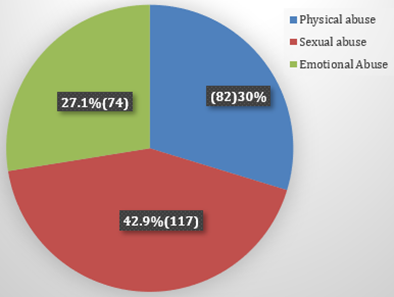
Figure 1: Distribution of IPV Types Among Participants.
Only 71% of women reported joint or individual decision-making in reproductive health matters. The rest relied solely on their partners or family members. This is shown in Figure 2.
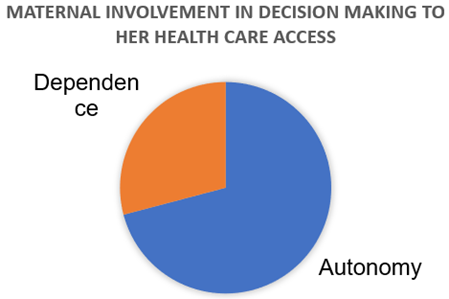
Figure 2: Pie Chart of Healthcare Decision-Making Autonomy.
The findings show that women who experienced intimate partner violence were significantly less likely to make independent decisions about their reproductive health. Specifically, IPV was associated with reduced autonomy in deciding when to get pregnant, when to start antenatal care, and which contraceptive method to use, with affected women being 60-65% less likely to make these decisions on their own. These associations were statistically significant as seen in Table 2.
Table 2: IPV and Maternal Healthcare Decision-Making.
| Domain | Autonomy (%) | Dependence (%) | p-value |
| When to start ANC | 58.7 | 17.8 | <0> |
| Where to give birth | 60.1 | 15.4 | <0> |
| Contraceptive method choice | 58.0 | 15.7 | <0> |
Women who experienced IPV were significantly more likely to lack autonomy in reproductive health:
- When to get pregnant (aOR = 0.371, 95% CI: 0.182-0.758)
- ANC initiation (aOR = 0.380, 95% CI: 0.172-0.838)
- Contraceptive method (aOR = 0.357, 95% CI: 0.170-0.74
Discussion
Our findings confirm the significant burden of IPV in pregnancy and its adverse impact on maternal healthcare access in northern Nigeria. The 30.6% IPV prevalence observed in this study is consistent with findings from other sub-Saharan African countries, underscoring the endemic nature of IPV in the region [5,6]. The high prevalence of sexual violence, in particular, raises important concerns about women's bodily autonomy and the widespread social acceptance of non-consensual sex within marital relationships [4].
Sexual violence being the most reported form of IPV reflects longstanding sociocultural norms that tolerate forced sex within marriage, a phenomenon corroborated by previous literature [8,10]. These practices are deeply entrenched in patriarchal systems where women’s reproductive roles are controlled by male partners, limiting their decision-making capacity. Such norms have direct consequences for women's ability to access reproductive health services, as highlighted in our study.
IPV's influence on maternal healthcare service utilization was significant across multiple domains including ANC attendance, contraceptive use, and decisions on delivery location. Women who experienced IPV were more likely to be dependent on their partners for these decisions, consistent with findings from Musa et al. (2019) and Ononokpono and Azfredrick (2014) [3,7,9], who also identified IPV as a barrier to maternal health autonomy. Our multivariate analysis further demonstrated that IPV reduces the likelihood of a woman making independent decisions about reproductive matters, thereby diminishing timely and adequate access to care.
Qualitative insights from our FGDs also exposed the normalized nature of IPV and the justifications provided by both victims and society at large. Economic dependence emerged as a major factor-many women expressed that their inability to financially support themselves or their children forced them to tolerate abuse. Similar observations have been made in studies from Ethiopia, Ghana, and South Africa, where women reported enduring violence due to fear of abandonment or economic hardship [9,12].
Moreover, the fear of stigma and lack of legal enforcement mechanisms contribute to the persistence of IPV. Although Nigeria has enacted the Violence Against Persons (Prohibition) Act (2015), enforcement is weak, especially in northern regions where customary and religious laws dominate [11]. There is a lack of trained personnel and systems to identify IPV in healthcare settings, further perpetuating silence around the issue.
Internationally, interventions incorporating routine IPV screening during ANC have been shown to increase disclosure and facilitate timely intervention [14]. In countries like the United States, Australia, and Sweden, screening tools and supportive referral systems within maternal healthcare settings have helped improve outcomes for both mothers and infants [16-18]. Nigeria can benefit from adapting such models, with contextual modifications that consider the sensitivity of IPV and the cultural dynamics involved.
Another dimension to consider is the psychological toll of IPV. Chronic exposure to IPV has been linked to poor mental health outcomes including depression, anxiety, and post-traumatic stress disorder, all of which can adversely affect maternal and neonatal health [19,20]. The burden of mental distress may reduce ANC attendance, limit nutrition and self-care, and impair mother-infant bonding postpartum.
Public health responses to IPV should include community-based interventions to raise awareness, strengthen legal frameworks, and create safe reporting environments. Community leaders, religious scholars, and men must be engaged to address the root causes of IPV. Simultaneously, economic empowerment initiatives targeting women can increase their financial independence and reduce tolerance for abusive relationships.
Incorporating IPV prevention strategies into the maternal health framework is vital for achieving Sustainable Development Goal 3 (good health and well-being) and SDG 5 (gender equality). Policymakers, healthcare providers, and researchers must work collaboratively to implement systems that can screen for, prevent, and respond to IPV.
Study Limitations
This study’s facility-based nature may limit the generalizability of findings to all pregnant women in the community, particularly those not attending antenatal care. IPV is also a sensitive subject, and despite ensuring confidentiality, underreporting due to social desirability bias is possible. However, the use of trained interviewers, local language tools, and FGDs provided rich triangulated data that enhanced validity.
Conclusion
This study emphasizes the need for urgent interventions to mitigate the effects of IPV on maternal healthcare service utilization. Addressing IPV is not only a matter of human rights but also essential for improving maternal and neonatal health outcomes in Nigeria and similar settings. Multisectoral strategies should prioritize early identification of IPV during ANC, implement community engagement programs, and enforce legal protection against gender-based violence.
Declarations
Ethics Approval and Consent to Participate
The study was conducted in accordance with the ethical principles outlined in the declaration of Helsinki. Ethical approval was obtained from the Usmanu Danfodiyo University Teaching Hospital Health Research Ethics Committee (Ref: UDUTH/HREC/2023/1182/V2). Informed consent was obtained from all participants prior to data collection, and confidentiality was strictly maintained throughout the study.
Consent for Publication
Informed consent obtained from all participants.
Availability of Data and Materials
Available upon reasonable request.
Competing Interests
None declared.
Funding
Supported by Rotary International Scholarship.
References
- WHO. (2021). Violence Against Women Prevalence Estimates, 2018. World Health Organization.
Publisher | Google Scholor - Ononokpono, D. N., Azfredrick, E. C. (2014). Intimate Partner Violence and The Utilization of Maternal Health Care Services in Nigeria. Health Care for Women International, 35(7-9):973-989.
Publisher | Google Scholor - Ashimi, A. O., Amole, T. G. (2015). Prevalence and Predictors for Domestic Violence Among Pregnant Women in A Rural Community Northwest, Nigeria. Nigerian Medical Journal, 56(2):118-121.
Publisher | Google Scholor - Bourey, C., Williams, W., Bernstein, E. E., Stephenson, R. (2015). Systematic Review of Structural Interventions for Intimate Partner Violence in Low-and Middle-Income Countries: Organizing Evidence for Prevention. BMC Public Health, 15(1):1165.
Publisher | Google Scholor - Alhusen, J. L., Bullock, L., Sharps, P., Schminkey, D., Comstock, E., et al. (2014). Intimate Partner Violence During Pregnancy and Adverse Neonatal Outcomes in Low-Income Women. Journal of Women's Health, 23(11):920-926.
Publisher | Google Scholor - Musa, A., Chojenta, C., Geleto, A., Loxton, D. (2019). The Associations Between Intimate Partner Violence and Maternal Health Care Service Utilization: A Systematic Review and Meta-Analysis. BMC Women's Health, 19(1):36.
Publisher | Google Scholor - Solanke, B. L. (2018). Does Exposure to Interparental Violence Increase Women’s Risk of Intimate Partner Violence? Evidence from Nigeria Demographic and Health Survey. BMC International Health and Human Rights, 18(1):1.
Publisher | Google Scholor - Bawuah, A., Baatiema, L., Sarfo, M., Appiah, F., Yaya, S. (2025). The Shadow of Violence: How Intimate Partner Violence Shapes Contraceptive and Maternal Health Service Use Across 25 African Countries. PLOS Global Public Health, 5(11):e0005470.
Publisher | Google Scholor - Oluwole, E. O., Onwumelu, N. C., Okafor, I. P. (2020). Prevalence and Determinants of Intimate Partner Violence Among Adult Women in An Urban Community in Lagos, Southwest Nigeria. Pan African Medical Journal, 36(1).
Publisher | Google Scholor - Olwanda, E., Opondo, K., Oluoch, D., Croke, K., Maluni, J., et al. (2024). Women’s Autonomy and Maternal Health Decision Making in Kenya: Implications for Service Delivery Reform-A Qualitative Study. BMC Women's Health, 24(1):181.
Publisher | Google Scholor - Garcia-Moreno, C., Jansen, H. A., Ellsberg, M., Heise, L., Watts, C. H. (2006). Prevalence Of Intimate Partner Violence: Findings from The WHO Multi-Country Study on Women's Health and Domestic Violence. The lancet, 368(9543):1260-1269.
Publisher | Google Scholor - Dhar, D., McDougal, L., Hay, K., Atmavilas, Y., Silverman, J., et al. (2018). Associations Between Intimate Partner Violence and Reproductive and Maternal Health Outcomes in Bihar, India: A Cross-Sectional Study. Reproductive Health, 15(1):109.
Publisher | Google Scholor - Benebo, F. O., Schumann, B., Vaezghasemi, M. (2018). Intimate Partner Violence Against Women in Nigeria: A Multilevel Study Investigating the Effect of Women’s Status and Community Norms. BMC Women's Health, 18(1):136.
Publisher | Google Scholor - Human Rights Watch. (2021). Nigeria: Violence Against Women Laws Not Enforced.
Publisher | Google Scholor - Jewkes, R., Flood, M., Lang, J. (2015). From Work with Men and Boys to Changes of Social Norms and Reduction of Inequities in Gender Relations: A Conceptual Shift in Prevention of Violence Against Women and Girls. The Lancet, 385(9977):1580-1589.
Publisher | Google Scholor - Shay-Zapien, G., Bullock, L. (2010). Impact of Intimate Partner Violence on Maternal Child Health. MCN: The American Journal of Maternal/Child Nursing, 35(4):206-212.
Publisher | Google Scholor - O'Doherty, L., Hegarty, K., Ramsay, J., Davidson, L. L., Feder, G., et al. (2015). Screening Women for Intimate Partner Violence in Healthcare Settings. Cochrane Database of Systematic Reviews, (7).
Publisher | Google Scholor - Shen, S., Kusunoki, Y. (2019). Intimate Partner Violence and Psychological Distress Among Emerging Adult Women: A Bidirectional Relationship. Journal of Women's Health, 28(8):1060-1067.
Publisher | Google Scholor - Benebo, F. O., Schumann, B., Vaezghasemi, M. (2018). Intimate Partner Violence Against Women in Nigeria: A Multilevel Study Investigating the Effect of Women’s Status and Community Norms. BMC Women's Health, 18(1):136.
Publisher | Google Scholor - Alhusen, J. L., Geller, R., Jellig, J., Budhathoki, C., Decker, M. (2018). Intimate Partner Violence, Small for Gestational Age Birth and Cigarette Smoking in The Pregnancy Risk Assessment Monitoring System. Journal of Women's Health, 27(4):458-465.
Publisher | Google Scholor - Ajayi, A. I., Akpan, W. (2020). Maternal Health Care Services Utilisation in The Context Of ‘Abiye’(Safe Motherhood) Programme in Ondo State, Nigeria. BMC Public Health, 20(1):362.
Publisher | Google Scholor - Oche, O. M., Adamu, H., Abubakar, A., Aliyu, M. S., Dogondaji, A. S. (2020). Intimate Partner Violence in Pregnancy: Knowledge and Experiences of Pregnant Women and Controlling Behavior of Male Partners in Sokoto, Northwest Nigeria. International Journal of Reproductive Medicine, 1:7626741.
Publisher | Google Scholor - Paul, P., Mondal, D. (2021). Investigating The Relationship Between Women’s Experience of Intimate Partner Violence and Utilization of Maternal Healthcare Services in India. Scientific Reports, 11(1):11172.
Publisher | Google Scholor