

Research Article
Seroprevalence, Assessment of Knowledge, Attitudes, and Practices (KAP), and Public Health Implications of Bovine Brucellosis in West Hararghe Zone, Oromia Regional State, Eastern Ethiopia
Department of Veterinary Public Health, College of Veterinary Medicine, Haramaya University, Haramaya, Ethiopia.
*Corresponding Author: Daniel Tamirat Weldemariam, Department of Veterinary Public Health, College of Veterinary Medicine, Haramaya University, Haramaya, Ethiopia.
Citation: Moges A. Aklilu, Daniel T. Weldemariam. (2025). Seroprevalence, Assessment of Knowledge, Attitudes, and Practices (KAP), and Public Health Implications of Bovine Brucellosis in West Hararghe Zone, Oromia Regional State, Eastern Ethiopia, International Journal of Biomedical and Clinical Research, BioRes Scientia Publishers. 4(1):1-25. DOI: 10.59657/2997-6103.brs.25.075
Copyright: © 2025 Daniel Tamirat Weldemariam, this is an open-access article distributed under the terms of the Creative Commons Attribution License, which permits unrestricted use, distribution, and reproduction in any medium, provided the original author and source are credited.
Received: April 28, 2025 | Accepted: July 16, 2025 | Published: July 23, 2025
Abstract
Bovine brucellosis is a bacterial disease that affects both cattle and humans. This study aimed to estimate the seroprevalence of bovine brucellosis in four districts of West Harerghe zone, Eastern Ethiopia, using mRBPT and I-ELISA tests. The study was conducted from July 2024 to February 2025 G.C. using a cross-sectional design and random sampling. A total of 384 cattle of local breeds were sampled from two extensive and two semi-intensive management systems. The overall individual animal seroprevalence was 3.9% by mRBPT and 3.1% by I-ELISA. The seroprevalence was higher in the extensive (2.9%) than in the semi-intensive (0.3%) management system. Larger herd sizes, older age groups, females, lowland agroecology, and pastoral production systems were associated with higher seroprevalence. A structured questionnaire was used to interview 100 cattle owners to assess their (KAP) regarding bovine brucellosis and its public health importance. The results showed that 80% of the respondents had no information about brucellosis, 73% had risk practices, and 83% had negative attitudes, which could facilitate the transmission of brucellosis between cattle and humans. Our findings suggest that bovine brucellosis is prevalent in the study area and poses a significant zoonotic risk. We recommend implementing control measures to prevent the spread of the disease and to raise awareness among cattle owners and consumers.
Keywords: attitude; brucellosis; knowledge; practices; seroprevalence
Introduction
A Sub-Saharan African country, Ethiopia, faces a high risk of zoonotic diseases and poverty, which are closely linked. This is because of the potential for zoonotic disease transmission and the emergence and re-emergence of pandemic threats (Epiz, 2019). The country has 70,291,776 million cattle in total, and 22,598,088 million of them are dairy animals, making up 32.15% of the total cattle population. About 80% of Ethiopians rely on agriculture and have close ties with their livestock. As a result, the country is susceptible to the spread of zoonotic diseases among these populations (Gumi et al., 2013).
Brucellosis is the most important neglected zoonotic disease in Ethiopia, with significant public and economic impacts (Pieracci et al., 2016). Ethiopia's cattle population has a great opportunity to access live animal and red meat export markets in the Middle East, Gulf States and some African countries. However, production is hindered by challenges such as lack of feed and water, poor husbandry management and diseases including brucellosis, which limit the export market (Geletu et al., 2021). Brucellosis, especially bovine brucellosis, has caused serious economic problems in cattle in countries like Ethiopia, due to indirect losses (reduced fertility, milk production and sale value of infected cows, trade restrictions of live animals and their products; disruption of local markets, and obstacles to free animal movement) and direct losses (abortion, neonatal death, replacement costs, treatment costs, emergency slaughtering of infected animals and stillbirths) (Díaz, 2013).
The genus Brucella is Gram-negative, facultative intracellular, coccobacillus, non- spore-forming, and non-motile bacteria comprised of different species affecting preferred host species. Currently, ten species including the better-known six classical species comprised of B. abortus, B. melitensis, and B. neotomae are known. In recent times, other new species of the genus including B. ceti, B. pinnipedialis, B. microti, and B. inopinata which affect different species of animals are also identified (Godfroid et al., 2011). Bovine brucellosis, mainly caused by B. abortus and sometimes by B. melitensis and B. suis, is a serious infectious disease that affects cattle productivity (especially in the dairy sector) and human health in Ethiopia (Nuraddis et al., 2010, Reta Duguma & Damena 2016). The disease is endemic and poses a major public health threat in the country due to the high prevalence of these factors, the close contact between humans and animals, and the food consumption habits of the people. Moreover, many countries have not implemented control or eradication programs for brucellosis (Barrio et al., 2009). Brucellosis is one of the most widespread and economically significant diseases in tropical and sub-tropical regions. The disease causes direct losses of meat (due to abortion, infertility and weight loss) in infected cattle herds of about 15%, and of milk (due to reduced milk production) of about 20% (Zhang et al. 2018). Among the infectious diseases, Brucella infection is widely prevalent and causes extensive economic losses, and brucellosis is one of the most serious zoonotic diseases in Ethiopia (Hagos et al., 2016).
The most common route of transmission is the gastrointestinal tract following ingestion of contaminated pasture, feed, fodder, or water, and after birth, fetuses, and newborn calves, all of which may contain a large number of the organisms and constitute a very important source of infection (Acha and Szyfres, 2001). Sources of infection for the transmission of the bovine brucellosis are aborted fetuses, the fetal membranes after birth, and vaginal discharges and milk from infected animals (Moti et al., 2013, Acha and Szyfres, 2001). The same organism also causes undulant fever in man from drinking raw or un-pasteurized infected milk or milk products or from exposure of farmers, packing house workers, veterinarians and others to infected discharges or tissues (Dirar et al., 2016). Brucellosis is a disease that affects both animals and humans. It causes abortion, metritis, infertility, and reduced milk production in cows, and orchitis and epididymitis in bulls (Tucho and Jimma, 2017). In humans, it causes fever, depression, weight loss, joint pains, headache, and anorexia. Brucellosis has a significant economic and public health impact, especially in developing countries where dairy production is important (Melese et al., 2016). The disease also restricts animal movement and trade, and increases the healthcare and non-healthcare costs for the infected people (Khurana et al., 2021).
Statement of the Problem
Bovine brucellosis is a zoonotic bacterial disease that affects cattle and humans. It is caused by Brucella abortus, a gram-negative intracellular bacterium that can infect various domestic and wild animals. The disease is one of the most important livestock diseases in the world, affecting animal health, productivity and trade. It is also a serious public health problem, especially in developing countries where people have close contact with animals and consume unpasteurized dairy products (Poester et al., 2013). Bovine brucellosis is causes abortion, infertility, reduced milk production and economic losses in cattle. In humans, it causes undulant fever, arthritis, endocarditis and other chronic complications. The disease is transmitted through direct contact with infected animals or their products, such as milk, meat and cheese (Pal et al., 2017).
The disease is endemic in many developing countries, including Ethiopia, where livestock production is a major source of income and food security for the rural population. However, the epidemiology and public health impact of bovine brucellosis in Ethiopia are poorly understood. There is a lack of reliable data on the seroprevalence, risk factors, knowledge, attitude and practice (KAP) of the disease among cattle owners and consumers. This hampers the implementation of effective control measures and poses a threat to human and animal health (Berhanu et al., 2020). The seroprevalence of bovine Brucellosis is a crucial public health issue, especially for those who own livestock or consume animal products, because it can help plan effective control measures. However, in the study area, no previous research has been done on the seroprevalence and public health impact of bovine brucellosis. Therefore, the farmers lack reliable information on this disease and consider abortion as a major problem. This motivated us to investigate the situation and public health implication of bovine brucellosis.
The general objective of this study is to estimate the seroprevalence, assess the public health implication and KAP of the community on bovine brucellosis in four selected districts (Chiro, Daro labu, Mieso and Burka dhintu) in West Hararghe zone of Oromia regional state, eastern Ethiopia. These districts are characterized by mixed crop-livestock farming system and high human and cattle population density. The study will provide valuable information on the burden and awareness of bovine brucellosis in the study area and will contribute to the development of appropriate control strategies.
General Objective
- To estimate the seroprevalence, assess the public health implication and KAP of the community on bovine brucellosis in four selected districts (Chiro, Daro labu, Mieso and Burka dhintu) in West Hararghe zone of Oromia regional state, eastern Ethiopia.
The Specific Objectives of the Study are
- To estimate the seroprevalence of bovine brucellosis in the cattle population in the study area using Rose Bengal Plate Test (RBPT) and Enzyme Linked Immunosorbent Assay (ELISA).
- To assess the public health implication of the disease in the study area.
- To understand the knowledge (awareness), attitude and practice of the community towards zoonotic bovine brucellosis in the study area using a structured questionnaire.
Literature Review
Brucellosis is a disease that affects both humans and animals. It is classified as one of the world’s leading neglected zoonotic diseases by the World Health Organization (WHO). The disease is known to severely impact livestock productivity and human health worldwide, with low-income countries being particularly affected (Franc et al., 2018). Bovine brucellosis is of major economic importance in most countries of the world. It affects approximately 5% of the livestock population worldwide and continues to increase in distribution (Khurana et al., 2021). Bovine brucellosis is a bacterial disease that causes abortions and infertility in cattle. It is also a zoonotic disease that can infect humans through contact with infected animals or consumption of unpasteurized dairy products. The disease was first recognized in the Mediterranean region, where it affected sheep and goats. The causative agent, Brucella melitensis, was isolated by David Bruce in 1887 (Wongtavatchai et al., 2004). Later, another species of Brucella, Brucella abortus, was identified as the cause of contagious abortion in cattle by Bernard Bang in 1897. The genus Brucella was named after Bruce by Karl Meyer in 1920 (Hall, 2020).
Brucella abortus is the causative organism for bovine brucellosis and at least nine biotypes have been recognized including a number of strain variants (Radostits et al., 2000). Brucella abortus is mainly infective for cattle. Cattle can be also become infected by B. suis and B. Melitensis when they share pasture or facilities with infected pigs, goats, or sheep. The infections in cattle caused by heterologous species of Brucella are usually more transient than that caused by B. Abortus (Zriba et al., 2019).
Epidemiology
Etiology: Brucella spp. are small (0.5–0.7 by 0.6–1.5 µm), non-motile, non-spore-forming, slow growing, facultative intracellular Gram-negative coccobacilli belonging to the Brucellaceae family along with the Mycoplana and Ochrobactrum spp (Di Bonaventura et al., 2021, Jiao et al., 2021). Brucellae are capable of infecting several animal species and are currently classified into 12 species. Four of these species are responsible for almost all human infections: B. melitensis, B. abortus, B. suis, and B. canis. Among these species, B. melitensis is considered the most virulent (Whatmore et al., 2016).
Occurrence and Prevalence of Infection: Brucellosis has a worldwide distribution and is mainly a problem in developing countries such as Ethiopia (Dereje, 2022). In Jordan, the highest prevalence of brucellosis was found in cattle and sheep (Hotez et al., 2012). The prevalence of brucellosis in cattle and buffaloes in the north-western state of India called Juban was found to be 20.67% and 16.41%, respectively. The overall apparent prevalence of brucellosis was noted to be 18.26% (Aulakh et al., 2008). In Ethiopia, most research done on brucellosis has been focused on intensive dairy cattle herds in urban and peri-urban areas (Sima et al., 2021). A large number of articles have been published reporting individual seroprevalence ranging from 1.1% to 22.6% in intensive management systems and 0.1–15.2% in extensive management system (Hailu et al., 2011). The overall seroprevalence of bovine brucellosis in pastoral and agro pastoral regions of East Showa Zone, Oromia Regional State, was 11.2% by the Rose Bengal Plate Test (RBPT) (Mangen et al., 2002). In a study of bovine brucellosis in cattle under traditional production system in North-West Ethiopia Benishangul-gumuz, 14 out of 1,152 cattle screened for B abortus antibodies tested positive by RBPT. Of these, 11 animals (79%) were confirmed positive by complement fixation test (CFT), giving an apparent seroprevalence of 1.0% in the study area (Adugna et al., 2013, Sintayehu et al., 2015).
Source of Infection and Mode of Transmission in Animals: Brucellosis is typically transmitted to other cattle by direct or indirect interaction with diseased cattle or their discharges. The spread of brucellosis in cattle occurs through the ingestion of contaminated feed and drinking water contaminated by the bacteria that are present in massive amounts in birth products and uterine discharge (Pal et al., 2017). In cattle, the main route of infection is through licking the fetuses or newborn calves, which are highly contaminated with bacteria (Donev, 2010). Another way of transmission is by giving pooled colostrum to calves. Sexual contact is not a common cause of infection in cattle, but artificial insemination can introduce the bacteria from infected to healthy animals (Robinson and Production, 2003). In humans, the most frequent way of getting infected is by consuming unpasteurized milk or dairy products. Direct contact with the fluids or tissues of aborted fetuses from infected cattle can also infect humans through the mucosa or wounds (Quinn et al., 2011). People who work with cattle or their products are at high risk of brucellosis. This includes abattoir, farm, and laboratory workers, as well as veterinarians (Memish and Mah, 2001). It is rare for humans to transmit the infection to other humans. However, some cases have been reported due to blood transfusion, bone marrow transplantation and sexual contact (Akçakuş et al., 2005).
Clinical Signs in Animals: In cattle, Brucella abortus causes abortions, stillbirths and weak calves. (Dougherty et al., 2013). The placenta may be retained and lactation may be decreased. Epididymitis, seminal vesiculitis, orchitis and testicular abscesses are sometimes seen in bulls. Infertility occurs occasionally in both sexes, due to metritis or orchitis/epididymitis. Hygromas, particularly on the leg joints, are a common symptom in some tropical countries. Arthritis can develop after long-term infections. Systemic signs do not usually occur in uncomplicated infections, and deaths are rare except in the fetus or newborn (Stear 2005). Infections in non-pregnant females are usually asymptomatic, but pregnant adult females infected with Brucella abortus develop placentitis, which normally causes abortion between the fifth and ninth month of pregnancy (Saxena et al.,2015). Even in the absence of abortion, there is heavy shedding of bacteria through the placenta, fetal fluids and vaginal exudates. The mammary gland and regional lymph nodes can also be infected and bacteria can be excreted in milk (Pal et al., 2017). The incubation period varies between 14 and 120 days (Costard et al., 2009).
Clinical Signs in Humans: The symptoms of brucellosis are nonspecific. The majority of patients complain of fever, sweats, malaise, anorexia, headache, arthralgia, and back-ache (Doganay and Aygen, 2003). Brucellosis is a systemic disease in which any organ or body system can be involved. The incubation period varies between 1 and 5 weeks, and Brucella infection may be asymptomatic or symptomatic (Eshetu Yimer et al., 2008). The onset of symptoms is acute or insidious. According to the length and severity of symptoms, the disease is arbitrarily classified as acute (less than 8 weeks), sub-acute (from 8 to 52 weeks), or chronic (more than 1 year). Any organ involvement is often referred to as localized disease. It can be seen as a complication of acute brucellosis or may be the only manifestation of chronic brucellosis (Govindasamy, 2020).
Pathogenesis: Brucella species are facultative intracellular pathogens and establish infection by invading macrophages and evading macrophage-induced host protection mechanisms (Pal et al., 2017). Brucella species are capable of invading macrophages and epithelial cells of the host, allowing infection through mucosal surfaces. Once Brucella species have invaded, they are capable of surviving intracellularly within phagocytic or non-phagocytic host cells (Neta et al., 2010). Brucella has the ability to interfere with intracellular trafficking and prevent fusion of the Brucella-containing vacuole with lysosome markers. This directs the vacuole towards a compartment that has rough endoplasmic reticulum which is highly permissive to intracellular replication of Brucella (Pizarro-Cerdá et al., 2000). These characteristics contribute to clinical signs and therapeutic considerations, including the difficulty in both diagnosis and treatment (Hamid 2012). Following exposure in humans, the organisms travel along the lymphatic pathways; focal disease is most commonly identified in the reticulo-endothelial tissues such as the liver and spleen. In chronic infections, organisms typically localize in joints, especially large joints such as the sacroiliac or lumbar vertebral joints. Pulmonary disease is a less common form of brucellosis (Glynn and Lynn, 2008).
Risk Factors for Brucellosis
Host Risk Factors: Brucellosis is a disease that can infect a variety of domestic and wild animals and humans. The susceptibility of animals to Brucella infection is influenced by age, breed, and pregnancy status (Gusi et al., 2019). Sexually mature animals are much more susceptible to infection than younger animals. Herd size and animal density are directly related to the prevalence of the disease and difficulty in controlling infection in the population (Islam et al. 2013). Sexually mature pregnant cattle are more susceptible to infection with the organism than sexually immature cattle of either sex. Susceptibility increases as the stage of gestation increases (Radostits et al., 2006).
The predilection sites for Brucella are the reproductive tracts of males and females, especially the pregnant uterus. Erythritol is present in the placenta and male genital tract of cattle, sheep, goats, and pigs but not in humans. Allatoic factors stimulate the growth of most Brucella (Melese, 2016).
Agent Risk Factors: Brucella abortus is a facultative intracellular organism that can multiply and survive within the host phagosomes. Some of the organisms are phagocytized by polymorph nuclear leucocytes in which they survive and multiply. The bacterium can survive within macrophages because it has the ability to survive phagolysosome (Kang'ethe et al., 2000). The bacterium has an unconventional non-endotoxin lipopolysaccharide that confers resistance to antimicrobial attacks and modulates the host immune response. These properties make lipopolysaccharide an important virulence factor for Brucella survival and replication in the host (Radostits et al., 2006). Naturally infected animals and those vaccinated as adults with strain 19 remain positive to the serum and other agglutination tests for long periods. The antibody response to Brucella consists of an early IgA and IgM is a type response, the timing of which depends on the route of exposure, the dose of bacteria, and the health status of the animal. The IgM response is followed shortly by production of IgG1 antibody and later by IgG2 (Nielsen and Yu, 2010).
Occupational Risk Factors: Laboratory workers handling Brucella cultures are at high risk of acquiring brucellosis trough accidents, aerosolization and/or inadequate laboratory procedures. In addition to this, abattoir workers, farmers and veterinarians are at high risk of acquiring the infection (Coulibaly and Yameogo, 2000). Acquiring infection through direct contact is a potential threat to occupational groups such as farmers, veterinarians, butchers, laboratory workers, milkers and inseminators. Handling aborted materials or attending retained placenta or dystocia without protective gear is a common practice to most field veterinary assistants, abattoir workers and in many rural pastoral settings (Kohl & Ascoli 2017). This may suggest that animal health workers and rural communities are also at great risk of contracting the disease if the disease is present in domestic animals (Luelseged et al., 2018).
Management Risk Factors: The unregulated movement of cattle from infected herds or areas to brucellosis-free herds or areas is the major cause of breakdowns in brucellosis eradication programs. Once the herds are infected, the time required to become free of brucellosis is increased by large herd size, by active abortion, and by loose housing (Muma et al., 2007). The spread of the disease from one herd to the other and from one area to another is almost always due to the movement of an infected animal from infected herd in to a non-infected susceptible herd (Mcgiven et al., 2003). A case-control study of brucellosis in Canada indicates that, herds located close to other infected herds and those herds whose owners made frequent purchase of cattle had an increased risk of acquiring brucellosis (Radostits et al., 2006).
Diagnosis: The disease can be diagnosed using various methods that involve bacteria, serum or DNA. Some of the methods are: detecting bacteria in samples, amplifying DNA with PCR, and measuring serum reactions with milk ring test, complement fixation test, rose bengal plate test and ELISA. (Padilla Poester et al., 2010, Pinto Ferreira et al., 2022).
Serological Tests
Rose Bengal Pate Test (RBPT): The Rose Bengal test (RBT) is a screening test for the diagnosis of brucellosis in animals and humans (Corbel, 2006). The Rose Bengal plate test (RBPT) is a simple and rapid test for the diagnosis of bovine brucellosis. It is based on the agglutination of stained Brucella abortus antigen by serum antibodies. The test can be performed in the field or in the laboratory, and does not require any special equipment or reagents (Roth et al., 2003). The RBPT has a high sensitivity and specificity, and can detect both acute and chronic infections. However, the test may also give false positive results due to cross-reactions with other bacteria or vaccination. Therefore, the RBPT should be used as a screening test, and positive results should be confirmed by other methods such as ELISA or culture (Nielsen et al.; 2004; Radostits et al.; 2007 and OIE., 2019).
Indirect Enzyme-Linked Immunosorbent Assay (i-ELISA): Bovine brucellosis is a zoonotic disease caused by Brucella abortus, which affects cattle and humans (Godfroid et al., 2011). The diagnosis of this infection is important for animal and public health, as well as for trade and epidemiological purposes (OIE, 2016). Among the various serological tests available, the indirect enzyme-linked immunosorbent assay (i-ELISA) is widely used because of its high sensitivity and specificity, as well as its ability to process a large number of samples in a short time (Nielsen and Yu, 2010). In this review, we describe the principles, procedures, advantages and limitations of the i-ELISA for the detection of antibodies against B. abortus in bovine serum samples. We also discuss the factors that can influence the performance and interpretation of the test, such as the antigen preparation, the quality of the reagents, the cut-off value, the cross-reactivity with other bacteria and the validation criteria. Finally, we provide some recommendations for the standardization and optimization of the i-ELISA for bovine brucellosis diagnosis. Indirect enzyme-linked immunosorbent assay (i-ELISA) is a widely used serological method for the diagnosis of bovine brucellosis, a zoonotic disease caused by Brucella abortus (Godfroid et al., 2004). This review aims to provide an overview of the principles, applications, advantages and limitations of i-ELISA for bovine brucellosis. The i-ELISA is based on the detection of antibodies against the smooth lipopolysaccharide (S-LPS) antigen of B. abortus in serum samples (Nielsen and Yu, 2010). The S-LPS antigen is coated on microtiter plates and incubated with serum samples. After washing, a secondary antibody conjugated with an enzyme is added to bind the primary antibody. The enzyme catalyzes a colorimetric reaction that indicates the presence or absence of specific antibodies. The i-ELISA has several advantages over other serological tests, such as high sensitivity and specificity, ability to test large numbers of samples, automation and standardization (OIE, 2016). However, i-ELISA also has some limitations, such as cross-reactivity with other bacteria, interference by maternal antibodies, variability in antigen quality and assay performance, and need for specialized equipment and reagents (Gall et al., 2010). Therefore, i-ELISA should be used in combination with other tests and epidemiological data to confirm the diagnosis of bovine brucellosis (McDermott and Arimi, 2002).
Polymerase Chain Reaction: One way to identify Brucella DNA in pure cultures and in various clinical specimens, such as blood, urine, tissues, and fluids, is to use polymerase chain reaction (PCR) assays (Colmenero et al., 2010). However, this method faces some difficulties because the clinical samples have very low levels of bacteria and contain substances that can interfere with the PCR reaction. Therefore, it is important to use sample preparation methods that can reduce the interference and enrich the bacterial DNA template (Queipo-Ortuño et al., 2008).
Treatment: The best antibiotic treatment for brucellosis remains controversial despite many studies in the last 15 years. The World Health Organization advises to use rifampicin 600 to 900 mg and doxycycline 200 mg daily for at least 6 weeks for adults with acute brucellosis, but some argue that the old combination of streptomycin by injection and an oral tetracycline causes less relapses (Ariza et al., 2007).
Prevention and Control
To control brucellosis, different methods can be applied depending on various factors. One method is to test the animals and either isolate or slaughter those that are positive. This method is more effective when the infection rate is very low in the herd or flock. It also depends on the availability of funds, regulations and the willingness of the owners to cooperate. Sometimes, compensation is needed. Vaccination can reduce the risk of keeping positive animals, but this should be a last option. Testing and slaughtering is not very useful for sheep and goats, because the tests are not very accurate (Whittington et al., 2019). Another method is to improve hygiene and prevent contact between infected and healthy animals, or their fluids and tissues. This is a basic principle of disease control. However, the success of this method also depends on the type of farming, the level of awareness of the owners, the trade practices, the frequency of symptoms, and the feasibility of separating animals during birth (Luelseged et al., 2018). A third method is to restrict the movement of animals and ensure their identification by brand, tattoo or ear tag. Animals from infected areas should not be sold or moved to other areas without authorization. Likewise, animals from clean areas should only come from areas that are free of brucellosis, that have a history of being disease-free and that have tested negative recently (Mantur and Mangalgi, 2004).
Brucellosis is a disease that affects both animals and humans, and it is transmitted mainly by contact with infected animals or consuming their unpasteurized products. In Ethiopia, where human brucellosis is linked to exposure to infected animals or their products, there is no national or regional program to prevent and control the disease. This is due to the lack of resources and facilities, as well as the inconsistent and sometimes low prevalence data that may undermine the importance of the disease. However, it is urgent to determine the geographical scope of the problem and to allocate funds and resources to implement prevention and control strategies in Ethiopia and other countries with similar economic situations (Moti et al., 2013). The risk factors of brucellosis may differ from one country or region to another, but most of them are similar. The main route of infection from animals to humans is the consumption of raw milk and dairy products, besides direct contact with infected animals and their fluids (Efa et al. 2012). The most effective way to control this widespread infection is through the One Health approach, which integrates human health, animal health, and environmental health (Bamaiyi, 2016).
Therefore, it is essential to provide educational information about disease prevention to areas where Brucella is endemic, in order to control the disease (Asiimwe et al., 2015). Moreover, since infected animals and their products are the main source of human infections, controlling brucellosis in livestock and establishing a functional veterinary infrastructure is a crucial step to reduce the disease in humans (Seleem et al., 2010).
Public Health Significance of Brucellosis
Brucellosis is a serious zoonotic disease caused by Brucella abortus, which can infect humans through contact with infected cattle or their tissues. It is also one of the main laboratory infections that can be easily acquired. Another source of infection is consuming raw milk or dairy products (Wubishet, 2018). There are nine known Brucella species, and five of them can infect humans. B. melitensis, B. abortus and B. canis are the most pathogenic and invasive species for humans. B. ceti, a marine Brucella, has also been reported to cause zoonotic infections. B. melitensis causes the most severe form of human brucellosis, followed by B. suis, B. abortus and B. canis in descending order (Torregrosa et al., 2021). They are considered as potential bio-weapons by the US disease control and prevention program, because they are highly infectious and can be spread through aerosols. Moreover, brucellosis is hard to detect because its initial symptoms are similar to those of influenza (Chain et al., 2005). Brucellosis affects half a million people worldwide every year. The infection rate in humans is related to the infection rate in animal reservoirs (Scholz et al., 2010).
Humans can get infected by Brucella through ingestion, inhalation or contact with contaminated materials. The importance of each factor depends on the epidemiological area, animal reservoirs and occupational groups at risk. In countries where milk and dairy products are always pasteurized, brucellosis mainly affects people who work with animals and animal products (Al Dahouk et al., 2007). The prevalence of Brucella infection in humans is linked to the prevalence in nearby cattle (Mekonnen et al., 2011). Brucellosis is a relatively prevalent infection in humans and animals in developing countries, and it causes several cases every year (Corbel, 2006). People with brucellosis may experience fever, sweat, loss of appetite, fatigue, weight loss, depression, headache, and joint pain. This infection can be mistaken for other illnesses such as malaria and influenza (Dean et al, 2012).
Status of Bovine Brucellosis in Ethiopia
Bovine brucellosis is a widespread and endemic disease in Ethiopia, affecting urban, peri-urban, highland and lowland areas with various types of animal farming, including large and small-scale farms and ranches. The disease causes significant economic losses and poses a serious threat to public health (Megersa et al. 2012). The occurrence and prevalence of brucellosis in Ethiopia differ by location and time, due to variations in animal production and management systems, multiple livestock species per holding, community living standards, awareness levels as well as agroecological conditions. These factors also contribute to the persistence and transmission of risk factors for bovine brucellosis (Bulcha et al., 2020). The disease has major implications for the health and economy of rural communities. Therefore, understanding the disease situation in traditional livestock husbandry practice is crucial for reducing its economic and public health impacts (Chachra et al., 2009).
Seroprevalence of Bovine Brucellosis
According to different research groups, serological tests have confirmed Brucella infections in Ethiopian cattle, and a relatively high seroprevalence of brucellosis (above 10%) has been observed in smallholder dairy farms in central Ethiopia. Serological studies of brucellosis have been conducted in various locations across the country (Kassahun et al., 2010, Adugna et al., 2013). A higher seroprevalence of Brucella infection was found in intensive than in extensive production systems. The Borena zone reported the highest (50%) seroprevalence of Brucella (Dereje, 2022). Several reports have indicated that Brucella infection is common in Ethiopia (Minda et al., 2016). Bovine brucellosis serological studies from various researchers in the last two decades have shown that the disease is endemic and widespread (Table 1).
Table 1: Prevalence of Brucella Infection in Ethiopia.
| Study Area | No. of Cattle | Breed | Test Type | Prevalences | References |
| Arsi Zone | 370 | Local | RBPT | 0.1 | (Degefa et al.,2011) |
| CFT | 0.1 | ||||
| Ambo | 169 | Cross | RBPT | 0.2 | (Liya et al., 2015) |
| CFT | 0 | ||||
| Assela | 304 | Mixed | RBPT | 14.1 | (Deselegn and Gangwar, 2011) |
| Central | 1238 | Mixed | RBPT | 4.9 | (Jergefa et al., 2009) |
| CFT | 2.9 | ||||
| Borana | 283 | Local | CFT | 10.6 | (Megersa et al., 2011) |
| East Showa | 1106 | Local | RBPT | 11.2 | (Hunduma and Regassa, 2009) |
| Eastern | 435 | Local | RBPT | 1.8 | (Degefa et al., 2011) |
| CFT | 1.4 | ||||
| West | 1152 | Local | RBPT | 1.2 | (Adugna et al., 2013) |
| CFT | 1 | ||||
| South East | 862 | Local | RBPT | 1.4 | (Gumi et al., 2013) |
| CFT | 1.4 | ||||
| Debrezeit | 300 | Mixed | RBPT | 3.0 | (Fekadu et al., 2014) |
| CFT | 2.0 | ||||
| Jimma Zone | 1595 | Mixed | RBPT | 3.3 | (Nuraddis et al., 2010) |
| CFT | 3.1 | ||||
| Jimma zone | 423 | Mixed | CFT | 4.3 | (Dereje and Benti, 2020) |
| East Wollega | 406 | Mixed | RBPT | 3.0 | (Moti et al., 2012) |
| CFT | 2.0 | ||||
| North Shewa | 384 | Cross | RBPT | 0.8 | (Pal et al., 2016) |
| North | 1968 | Local | CFT | 4.9 | (Mekonnen et al., 2011) |
| Central | 1136 | Mixed | RBPT | 12.5 | (Taye et al., 2008) |
| CFT | 11 | ||||
| Afar | 420 | Both | RBPT | 7.94 | (Wossene and Teshager, 2021) |
| CFT | 3.5 | ||||
| Somalia | 116 | Both | ELISA | 6.9 | (Tschopp et al., 2021) |
Materials and Methods
Description of The Study Area
The study was conducted in four selected districts of the West Hararghe Zone in the Oromia Regional State of Ethiopia: Chiro, Daro Labu, Mieso, and Burka Dhintu. West Hararghe is located in the eastern part of Ethiopia, approximately 317 km from Addis Ababa. Geographically, the study area lies between 7°52′15″ and 9°28′43″ N latitude, and 40°03′33″ and 40°34′13″ E longitude, with an altitude ranging from 1,200 to 3,600 meters above sea level (Figure 1). The zone is characterized by three agro-climatic zones: highland (Dega), midland (Weina Dega), and lowland (Kola). Among these, Kola comprises the largest portion, covering 49.51% of the area, followed by Weina Dega at 38% and Dega at 12.49%. The area experiences two rainy seasons: kiremt/summer (June to September) and Belg/winter (February to April). Annual rainfall ranges from 650 to 1,500 mm, and the average temperature typically falls between 20.5°C and 24°C.West Hararghe Zone consists of 17 districts (woredas), four of which Chiro, Daro Labu, Mieso, and Burka Dhintu were selected for this study. Of the total districts, four are considered pastoralist areas. A land use survey in the zone revealed the following distribution: 372,615 hectares are used for cultivation, 132,615 hectares are forest-covered, 3,362 hectares are marshy land, 64,665 hectares are bushland, 414,217 hectares are grazing land, 65,700 hectares are allocated for social services, and 366,981 hectares are degraded land. Livestock play a critical role in the crop-livestock mixed farming systems common in the area. Smallholder farmers rear various livestock species, including cattle, sheep, goats, chickens, camels, and equines. According to the West Hararghe Zonal Agriculture and Natural Resource Office (2016), the livestock population includes 1,017,806 cattle, 182,149 sheep, 890,226 goats, 216,819 donkeys, 1,102 mules, 1,512,784 chickens, 40,337 camels, and 65,846 beehives (Table 2).
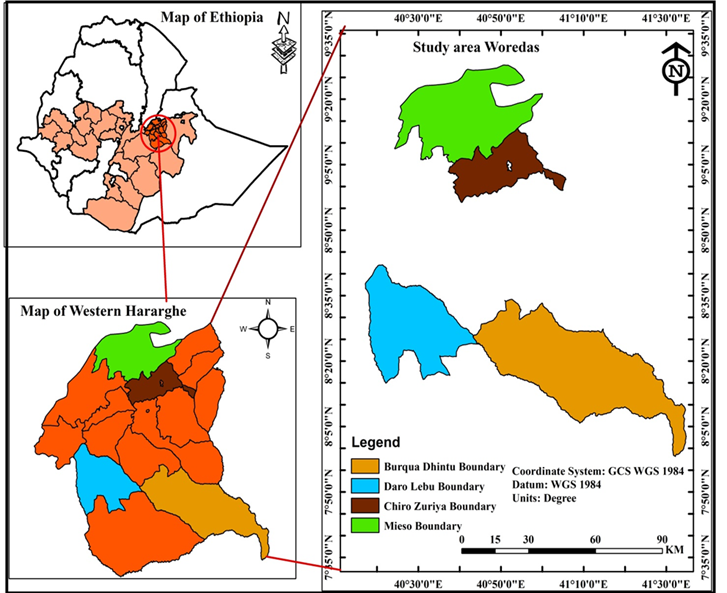
Figure 1: Map of the study areas (ESRI Arc GIS desktop 10.4 version software).
Study Population and Sampling Methods
The target populations for animals were Cattle in West Harerghe zone which are kept under different production system pastoral and agro pastoral systems. The study units were local cattle in four selected woreda in West Harerghe zone, which are kept under semi-intensive and extensive production system. Both sexes and age groups of more than six months of age were selected for the study (Table 2). Age was estimated by examining their lower incisor teeth according to (Pace and Wakeman, 2003) and also by asking the owners, then and categorized as young (lessthan 3 years), adults (4-7 years) and old (greaterthan 8 years). Four woreda were purposively selected by easily accessibility, and the feasibility of sample collection; different agro-ecology, and altitude range management System and production system. The selected woreda Chiro, Mieso, Daro labu and Burka dhintu have 78, 108, 80 and 118 respectively.
Table 2: Cattle Population in the Study Areas.
| No | Study Area (Woreda) | Cattle Population |
| 1 | Chiro | 91,274 |
| 2 | Mieso | 125,915 |
| 3 | Daro Labu | 93,452 |
| 4 | Burka Dhintu | 136,860 |
| 5 | Total | 447,501 |
The numbers of animals to be sampled from each woreda were determined by the proportion of the cattle population existing in each woreda and kebeles. From each woreda, three kebeles selected the Simple Random Sampling method. From each kebele, three villages were selected. Starting from a presumed center of a village, a transect walk was done across the village together with an animal health worker. During transect traveling to different parts of the village, encountered households were contacted and their animals were sampled randomly. A lottery system was used to select an individual animal from a herd, by assigning a code to the animal. Then those animals that had the chance for a number were selected for sampled until the required sample size for each kebele is fulfilled, so that nearly 50% of animals were selected from a herd. For the Knowledge, Attitude and Practice (KAP) study, occupationally associated 100 animals’ owner, willing to be interviewed was included in Table 3.
Table 3: Proportion of Samples Collected from Each Selected Woreda and Kebele.
| Woreda (District) | Kebeles | No. of Sample Colled | Sub Total |
| Chiro | Arba Rakete | 24 | 78 |
| Alewagora | 27 | ||
| Wedeti | 27 | ||
| Mieso | Gulufa | 40 | 108 |
| Cacole | 37 | ||
| Fayoo | 31 | ||
| Burka Dhintu | Rada Dibecha | 42 | 118 |
| Burka Oda | 40 | ||
| Haro Ero | 36 | ||
| Daro-Labu | Michata | 25 | 80 |
| Rukessa | 28 | ||
| Sororo | 27 | ||
| Total | 12 kebeles | 384 | 384 |
NO = Number of Animals
Study Design
A cross-sectional study was conducted from October 2023 to April 2024 G.C. to estimate the seroprevalence, assessment of KAP, and public health importance of bovine brucellosis in selected woreda of the West Hararghe zone Oromia regional state of Eastern Ethiopia
Sample Size Determination
The total number of animals required was determined using the formula given by (Thrusfield, 2018). The sample size was determined by using the 95% confidence interval at 50% expected prevalence and 0.05 desired absolute precision.
Therefore, 
Were
n = required sample size
Pexp = expected prevalence
d = desired absolute precision
Accordingly, 384 heads of cattle of both sexes and different age groups above 6 months of age were sampled from the Chiro, Daro labu, Mieso, and Burka dhintu woreda of the Western Hararghe zone. Subsequently, nearly all animal owners (N=100 respondents) whose cattle were sampled were included in the questionnaire survey.
Sample Collection and Transportation
During blood samples collection factors like age, sex, altitude, management System, herd size, and production system were collected. A sample collected early in the morning before animals are taken out for grazing. About 8-10 ml of blood samples was collected from each sampled animal via jugular-vein puncture using plain vacationer tubes and needles after proper restraining and disinfecting of the site using 70% alcohol. Each sample were labeled with specific standard identification and transported to Hirna Regional Veterinary Laboratory using an icebox for further processing. the tubes were set tilted overnight at room temperature to allow clotting and the next morning, sera were harvested from the clotted blood by sterile and labeled cryovial tubes. which were labeled and stored in a deep freezer until tested. all serum samples were screened using Rose Bengal Plate Test (RBPT) at Hirna Regional Veterinary Laboratory and positive samples were tested at Hirna Regional Veterinary Laboratory using I-ELISA Test.
Serological Tests Screening and Confirmation
Serology Test: The Modified Rose Bengal Plate Test (mRBPT) was employed as a screening test on the serum samples for the presence of Brucella agglutinins Positive sera were then retested for confirmation by the indirect enzyme-linked immunosorbent assay (I-ELISA) Hirna regional laboratory.
Modified Rose Bengal Plate Test (mRBPT)
All collected sera samples were screened using the Rose Bengal Plate Test in Hirna Regional Veterinary Laboratory as per the procedure described by (OIE, 2004). Accordingly, of the 384 sera tested by RBPT, 15 sera were found positive by RBPT. the following procedures were for the Rose Bengal Plate Test: a drop of serum sample was placed on a clean grease-free ceramic tile and a 30 µl volume of antigen was placed near the 30 µl serum sample. The serum and antigen were mixed thoroughly using a sterile wire loop to produce a circular or oval zone approximately 2cm in diameter. The mixture was agitated gently by shaking for 4 minutes at ambient temperature (25°C) by gently rocking the slide. The results were read by Samples showing the presence of agglutination (even slight) are considered positive samples (presence of anti-brucellosis antibodies) were recorded as positive and Samples showing no agglutination are considered negative samples (absence of anti-brucellosis antibodies). No Agglutination: Absence of antibodies (negative). Agglutination (even slight) presence of antibodies (positive). Its positive results should be confirmed by a more specific test such as the I-ELISA test. (ID Vet, 310, innovative Diagnosis, France).
Indirect Enzyme-Linked Immunosorbent Assay (I-ELISA)
All RBPT-positive tested sera were retested using ELISA for further confirmation at Hirna regional veterinary laboratory, Hirna, Oromia, Ethiopia. Those 15 RBPT-positive sera were further subjected to the more specific ELISA test and as a result, 12 sera were confirmed to be Brucella positive by the ELISA test. In direct ELISA detection antibodies of brucellosis were performed at Hirna Regional Veterinary laboratory. The technique was performed according to the instructions from the manufacturer (ID Vet, 310, innovative Diagnosis, France). In brief, add 190 µl of dilution buffer to all wells, add 10 µl of negative control to wells A1 and B1, add 10 µl of positive control towels C1 and D1, and add 10 µl of sample serum to the left wells. incubate for 45 min at 21-degree centigrade. wash each well 3 times with 300 µl of the wash solution. add 100 µl of the conjugate to each well. incubate for 30 min at 21-degree centigrade. wash each well 3 times with 300 µl of the wash solution. add 100 µl of the substrate solution to each well. incubate for 15 min in the dark. add 100µl of the stop solution to each well in order to stop the reaction. read and record the OD at 450 nm. Then for each sample calculate the percentage of inhibition (S/P %). If the percentage of inhibition was less than or equal to 120 the result was negative and if the percentage of inhibition was greater than 120 the result was positive
Questionnaires
A structured interview question was asked to 100 animal workers in the study area who had direct contact with the animal or its products. The survey collected information on the knowledge, attitude, and practice of the respondents about brucellosis and its public health impact. The questionnaire included questions on the consumption of raw milk, the handling of aborted materials, and the history of abortion, chronic headache, knee pain, and testicular swelling among the participants. The data were analyzed to identify the risk factors and preventive measures for brucellosis. The questionnaire also gathered data on personal demographics such as age, gender, education level, knowledge, attitude, and practice about brucellosis, raw milk consumption, handling of aborted materials, history of abortion, chronic headache, knee pain, and testicular swelling to assess the public health impact. The occurrence of abortion, stillbirths, retention of fetal membranes, and contact between animals from different herds were recorded. The breeding methods were classified by service types (artificial insemination (AI), bull, or both). The disposal methods of after-birth materials (placenta, aborted material, and dead fetus) were also noted as burying, eaten by a dog, or thrown into an open dump. The questionnaire survey for Commonly Knowledge, attitude, and Practice on bovine brucellosis used the formula given by (Arsham, 2002) to calculate the sample size. which is:

Were
N= Sample Size
SE (Standard Error) = 5%
Data Management and Analysis
The responses from the questionnaire survey and the results from the laboratory tests were entered and organized in a Microsoft Excel spreadsheet (Microsoft Corporation). We used descriptive statistics to describe the demographic features and the knowledge, attitude and practice (KAP) of brucellosis among the participants. We used SPSS26 version for Windows to perform a crosstab analysis for the seroprevalence of bovine brucellosis. We applied the Chi-square (χ2) test to compare the seroprevalence of bovine brucellosis with various factors related to bovine brucellosis, such as age, altitude, flock size, woreda, kebele and production system, management system. We calculated the seroprevalence as the ratio of seropositive samples to the total number of samples tested.
Results
Seroprevalence of bovine brucellosis was computed by descriptive statistics. Of 384 samples tested by RBPT, 15 were found to be positive with a seroprevalence of brucellosis at 3.9%. Since RBPT is a less specific test for Brucella antibody detection, those 15 RBPT-positive samples were further subjected to a more specific and confirmatory test, the I-ELISA test. As a result, of 15 RBPT-positive samples retested by I-ELISA, 12 were found positive for Brucella providing an overall seroprevalence of 3.1%. The results are summarized in Table 4 of the study.
Table 4: The overall seroprevalence of bovine brucellosis in the study area.
| Tests Type | Total No. of Animals Tested | Total No. (%) of Positive Animals |
| RBPT | 384 | 15 (3.9%) |
| ELISA | 15 | 12(80%) |
| Total | 384 | 3.1% |
No =Number of Animals; RBPT= Rose Bengal Pate Test; ELISA= Enzyme-Linked Immuno Sorbent Assay; S = Serological
Seroprevalence of Bovine Brucellosis in Woreda Level
15 animals (3.9%) responded positively to brucellosis out of 384 sera tested using RBT. These reactors were further tested again using I-ELISA and 12 animals (3.1%) were confirmed to be seropositive for brucellosis. The highest prevalence rate was found in the Burka Dhintu woreda (5.1%). The second prevalence rate was found in the Mieso woreda (3.7%), with the lowest seroprevalence rates in Daro Labu (1.3%) and Chiro (1.3%). Daro Labu and Chiro woreda had similar seroprevalence rates, but the difference in prevalence between woreda was not statistically significant (P>0.05). The results are summarized in Table 5 of the study.
Table 5: The overall seroprevalence of bovine brucellosis in study woreda.
| Woreda | No of tested | mRBPT, no of positive (%) | I-ELISA, no of positive (%) |
| Burka Dhintu | 118 | 7(5.9%) | 6(5.1%) |
| Mieso | 108 | 5(4.6%) | 4(3.7%) |
| Daro Labu | 80 | 2(2.5%) | 1(1.3%) |
| Chiro | 78 | 1(1.3%) | 1(1.3%) |
| Total | 384 | 15(3.9%) | 12(3.1%) |
PSP =Percent Seroprevalence; RBPT= Rose Bengal Pate Test; I-ELISA= Inderect Enzyme-Linked Immuno Sorbent Assay; No = Number
Seroprevalence of Bovine Brucellosis and Different Variables
Based on the study, the difference in bovine brucellosis seroprevalence among different age groups was statistically significant (P>0.05). The seroprevalence of the disease was found to be 0.5%, 0.8% and 1.8% in adolescents, adults, and elderly, respectively. Older age was more exposed compared to younger and adult groups. It is also significant to be more seropositive compared to other variables.
The sex of the studied animals had no significant (P greaterthan 0.05) correlation with the seroprevalence of bovine brucellosis. In this study, the seroprevalence of bovine brucellosis was recorded (2.6%) in large herd sizes and 0.5% in small herd sizes. This indicates that animals kept in large herd sizes were more likely to be exposed to Brucella infections than small herds. It is also statistically insignificant (P greaterthan 0.05). The seroprevalence of the disease in female and male cattle of 2.9% and 0.3%, respectively, was recorded in the study. Pastoral Production Systems are riskier than Agro pastorals. Extensive management systems are more risky than semi-intensive management systems. kebeles in the study area, the highest seroprevalence was recorded in Burka oda (1.3%) and Gulufa (0.8%), while the lowest was recorded in Rukesa, Fayoo, Wedeti, Rada dibicha (0.3%).and the Sororo, Michata, Arbarakate, Alowgora, Cacole and Haro Ero had zero prevalence (0%) recorded. However, the prevalence among kebele was statistically insignificant (P greaterthan 0.05).
Table 6: Distribution of General Farm Characteristics and their Association with the Prevalence of Bovine Brucellosis.
| Variable | Category | No. Tested | MRBPT Positive n (%) | ELISA Positive n (%) | P-Value |
| Sex | Male | 90 | 2 (2.2%) | 1 (1.1%) | 0.210 |
| Female | 294 | 13 (4.4%) | 11 (3.7%) | ||
| Age | Young | 97 | 3 (3.1%) | 2 (2.1%) | 0.010 |
| Adult | 201 | 4 (2.0%) | 3 (1.5%) | ||
| Old | 86 | 8 (9.3%) | 7 (8.1%) | ||
| Woreda | Burka Dhintu | 118 | 7 (5.9%) | 6 (5.1%) | 0.331 |
| Mieso | 108 | 5 (4.6%) | 4 (3.7%) | ||
| Chiro | 78 | 1 (1.3%) | 1 (1.3%) | ||
| Daro Labu | 80 | 2 (2.5%) | 1 (1.3%) | ||
| Kebele | Sororo | 27 | 0 (0.0%) | 0 (0.0%) | 0.046 |
| Michata | 25 | 0 (0.0%) | 0 (0.0%) | ||
| Rukessa | 28 | 2 (7.1%) | 1 (3.6%) | ||
| Arba Rakete | 27 | 0 (0.0%) | 0 (0.0%) | ||
| Wedeti | 27 | 1 (3.7%) | 1 (3.7%) | ||
| Alewagora | 24 | 0 (0.0%) | 0 (0.0%) | ||
| Cacole | 37 | 0 (0.0%) | 0 (0.0%) | ||
| Gulufa | 40 | 3 (7.5%) | 3 (7.5%) | ||
| Fayoo | 31 | 2 (6.5%) | 1 (3.2%) | ||
| Rada Dibecha | 42 | 1 (2.4%) | 1 (2.4%) | ||
| Burka Oda | 40 | 6 (15.0%) | 5 (12.5%) | ||
| Haro Ero | 36 | 0 (0.0%) | 0 (0.0%) | ||
| Prodn System | Agro-pastoral | 158 | 3 (1.9%) | 2 (1.3%) | 0.080 |
| Pastoral | 226 | 12 (5.3%) | 10 (4.4%) | ||
| Altitude | Lowlands | 254 | 14 (5.5%) | 11 (4.3%) | 0.152 |
| Midlands | 78 | 1 (1.3%) | 1 (1.3%) | ||
| Highlands | 52 | 0 (0.0%) | 0 (0.0%) | ||
| Herd Size | Small (<10> | 177 | 4 (2.3%) | 2 (1.1%) | 0.038 |
| Large (>10) | 207 | 11 (5.3%) | 10 (4.8%) | ||
| Man. System | Semi-intensive | 130 | 1 (0.8%) | 1 (0.8%) | 0.023 |
| Extensive | 254 | 14 (5.5%) | 11 (4.3%) |
NO= Number of Animals; RBPT= Rose Bengal Pate Test; I-ELISA= Enzyme-Linked Immuno Sorbent Assay
Socio-Demography of the Respondents
The study involved 100 people from four different woredas in Ethiopia. Chiro and Daro Labu each had 26 participants, while Mieso and Burka Dhintu had 23 and 25 participants, respectively. Most of the participants (60%) could not read or write, and only 10% had some formal education. The age range was 29% under 30 years, 61 percentage between 31-50 years, and 10 percentage over 50 years. There were more men (72 percentage) than women (28%) in the sample. The main livelihoods of the participants were either agricultural pastoralism (52 percentage) or pastoralism (48 percentage). Most of them (88 percentage) were married and had dependents. One of the potential risks for the spread of the disease was the reliance of many farms on external sources for livestock replenishment (Table 7).
Table 7: Descriptive Statistics of Survey Respondents (n = 100).
| Socio-demographic Characteristics | Category | Frequency (n) | Percentage (%) |
| Gender | Male | 72 | 72% |
| Female | 28 | 28% | |
| Woreda | Chiro | 26 | 26% |
| Mieso | 23 | 23% | |
| Burka Dhintu | 25 | 25% | |
| Daro Labu | 26 | 26% | |
| Education Level | Illiterate | 60 | 60% |
| Read and write | 30 | 30% | |
| Formal schooling | 8 | 8% | |
| Educated | 2 | 2% | |
| Kebele | Arba Rakete | 9 | 9% |
| Alewagora | 8 | 8% | |
| Wedeti | 9 | 9% | |
| Cacole | 9 | 9% | |
| Gulufa | 8 | 8% | |
| Fayoo | 6 | 6% | |
| Rada Dibecha | 8 | 8% | |
| Burka Oda | 10 | 10% | |
| Haro Ero | 7 | 7% | |
| Michata | 8 | 8% | |
| Sororo | 9 | 9% | |
| Rukessa | 9 | 9% | |
| Occupation of Household | Pastoral | 48 | 48% |
| Agro-pastoral | 52 | 52% | |
| Age of Respondent | < 30> | 29 | 29% |
| 31–50 years | 61 | 61% | |
| > 50 years | 10 | 10% | |
| Marital Status | Married | 88 | 88% |
| Single | 12 | 12% | |
| Do You Have Any Cattle? | Yes | 100 | 100% |
| No | 0 | 0% | |
| Source of Cattle | Bought from people in the community | 19 | 19% |
| Inherited and/or gift | 46 | 46% | |
| Bought from other areas | 35 | 35% | |
| Herd Size | Small (< 10> | 59 | 59% |
| Large (> 10) | 41 | 41% |
Knowledge on Brucellosis as Disease in Cattle and in Humans
This study revealed that the majority of respondents, 80 (80%), had no information about brucellosis, while 20 (20%) of respondents had information and knowledge about brucellosis. The main sources of information on brucellosis were veterinary services (17%), community gatherings or talks (1%), friends or family members (1%), and radio or television (1%).
When asked about the zoonotic nature of brucellosis, most of the respondents, 83 (83%), mentioned that they had poor knowledge of zoonotic diseases, while 17 (17%) of respondents were well informed on the zoonotic importance of bovine brucellosis. Only 17% of respondents knew that brucellosis can be transmitted from cattle to humans, while 83% were unaware.
When asked about the transmission of brucellosis in cattle, 80% (80/100) of respondents did not know, 10% (10/100) stated abortion, 3% (3/100) stated placenta from live births, and 7% (7/100) stated shared grazing. Participants reported the following as signs of brucellosis in cattle: abortion (19%), weak calves (0%), bull infertility (1%), and hygroma/swelling of joint (7%). The rest of the respondents (80%) did not know any signs of brucellosis in cattle.
Among the respondents who knew about the zoonotic transmission of brucellosis, drinking raw milk (5%), assisting with calving or handling placenta (3%), slaughtering an infected animal (0%), handling an abortion (0%), and both drinking raw milk and assisting with calving or handling placenta (9%) were reported as possible means of transmission.
When asked about the symptoms of brucellosis in humans, 83% (83/100) of participants did not know, and 7% (7/100) cited fever, 1% (1/100) cited headache, 1% (1/100) cited flu-like symptoms, 2% (2/100) cited testicular swelling, 2% (2/100) cited sterility, and 4% (4/100) cited both fever and headache. Finally, 45% of respondents observed abortion history in their animal flocks, while 55% did not. Among those who observed abortion history, 11% reported that abortion occurred at late stage of pregnancy, 25% at mid stage, and 9% at early stage which are shown in (Table 8).
Table 8: Knowledge of Brucellosis Among Participants Aware of the Disease in the Community.
| Knowledge of Brucellosis | Response | Frequency (%) |
| Awareness about Brucellosis | Yes | 20 (20%) |
| No | 80 (80%) | |
| Knowledge that Brucellosis is Zoonotic | Yes | 17 (17%) |
| No | 83 (83%) | |
| Where Did the Participant Hear of Brucellosis | Veterinary services | 17 (17%) |
| Community gatherings/talks | 1 (1%) | |
| Neighbours/friends/family | 1 (1%) | |
| Radio/television | 1 (1%) | |
| No knowledge of Brucellosis | 80 (80%) | |
| History of Abortion | Yes | 45 (45%) |
| No | 55 (55%) | |
| Stage of Abortion | 1–3 months | 11 (11%) |
| 4–6 months | 25 (25%) | |
| More than 7 months | 9 (9%) | |
| No history of abortion | 55 (55%) | |
| Transmission of Brucellosis in Cattle | Don’t know | 80 (80%) |
| Abortion | 10 (10%) | |
| Placenta from live births | 3 (3%) | |
| Shared grazing | 7 (7%) | |
| Symptoms Appear in Cattle | Don’t know | 80 (80%) |
| Abortion | 19 (19%) | |
| Bull infertility | 1 (1%) | |
| Transmission of Brucellosis in Humans | Drinking raw milk | 5 (5%) |
| Assisting calving/placenta | 3 (3%) | |
| Both | 9 (9%) | |
| Don’t know | 83 (83%) | |
| Symptoms in Humans | Don’t know | 83 (83%) |
| Fever | 7 (7%) | |
| Headache | 1 (1%) | |
| Flu-like symptoms | 1 (1%) | |
| Testicular swelling | 2 (2%) | |
| Sterility | 2 (2%) | |
| Both | 4 (4%) | |
| Animal With Joint Swelling | Yes | 7 (7%) |
| No | 93 (93%) |
Respondents’ Practices Relating to Meat and Dairy Consumption and Cattle Husbandry
In this study, the majority of respondents reported that they consumed raw milk (73%) and raw or soured milk (40% and 33%, respectively). Only 27% of respondents consumed boiled and/or pasteurized milk. Most of the respondents also indicated that they performed several risky practices frequently, such as consuming raw milk (73%) and assisting during parturition (92%). However, they did few preventive practices, such as cooking meat and boiling milk before consumption (27%).
Regarding assistance during parturition, 47% of respondents stated that a male household member had helped to deliver a calf, 34% stated that a female household member had helped, 1% stated that a veterinarian had helped, and 18% stated that both male and female household members had helped. Furthermore, 45% of respondents stated that a household member had contact with aborted fetus and placental membranes. When asked what action would be taken if an aborted fetus was found, 30% of respondents stated that they would give it to a dog, 50% stated that they would throw it to an open dump, 16% stated that they would do nothing, and 4% stated that they would burn or bury it. Only 37% of respondents stated that they cleaned the parturition area after birth, while 63% did not.
Most of the respondents (87%) in this study used bulls for service. All these respondents were from the extensive management system and had no other options, while 13% of the farmers in the semi-intensive management system had the opportunity to use artificial insemination. In addition, most of the respondents (55%) did not wash their hands with water and soap after contact with animals or animal products, and only 3% disinfected their hands with alcohol after washing. These factors, combined with the unawareness of most of the farmers on brucellosis and the poor cleaning and disinfection practices, could increase the risk of transmission of brucellosis between animals and humans. Which are shown in (Table 9).
Table 9: Practices of Participants Regarding Dairy Consumption and Cattle Husbandry in the Community.
| Practices of Brucellosis | Response | Frequency (%) |
| Do you help the animal during birth | Yes | 92 (92%) |
| No | 8 (8%) | |
| Was there any occurrence of abortion in your farm | Yes | 45 (45%) |
| No | 55 (55%) | |
| How many miscarried fetus and placenta encountered | Once | 15 (15%) |
| Twice | 16 (16%) | |
| Many Times, | 14 (14%) | |
| No | 55 (55%) | |
| Contact with aborted fetus | Yes | 45 (45%) |
| No | 55 (55%) | |
| Hand washing after contact with aborted fetus | Yes | 45 (45%) |
| No | 55 (55%) | |
| Do you disinfect hands with alcohol after washing | Yes | 3 (3%) |
| No | 97 (97%) | |
| Does your family drink uncooked cow's milk | Yes | 73 (73%) |
| No | 27 (27%) | |
| Condition of meat and milk consumed | Boiled | 27 (27%) |
| Raw | 40 (40%) | |
| Raw and soured | 33 (33%) | |
| Who assists during kidding/lambing? | Male | 47 (47%) |
| Female | 34 (34%) | |
| Veterinarian | 1 (1%) | |
| Both(F/M) | 18 (18%) | |
| Action taken if placental membrane is found | Buryingand burning | 4 (4%) |
| Give to dogs | 30 (30%) | |
| Throw or dump | 50 (50%) | |
| Nothing | 16 (16%) | |
| Breeding methods | AI | 0 (0%) |
| Bull | 87 (87%) | |
| Both AI and Bull | 13 (13%) | |
| Cleaning parturition area after birth | Yes | 37 (37%) |
| No | 63 (63%) |
Attitudes Towards Animal Health, Human Health and Brucellosis
Of the respondents who had heard of brucellosis, 20 (20%) believed it was an important public health disease, and only 1 percentage believed that some of their family members were at risk of contracting brucellosis. Every one of those considered the person in the household working most with the cows exposed to the highest risk. The majority of participants, 80 (80%) and 83 (83%), did not believe that brucellosis was an important public health disease and did not consider their family at risk of acquiring a brucellosis disease, respectively.
When asked if they ensured that new cattle were healthy before buying or receiving them, 100% (100/100) responded positively. To ensure cattle health, 2% (2/100) of respondents stated that they sought veterinary advice, 21% (21/100) bought from people they knew or trusted, and 77% (77/100) relied on their own experience. When asked what action would be taken if a cow aborted, 61% (61/100) of respondents indicated that they would contact veterinary services for help, 17% (17/100) would treat with home remedies, 2% (2/100) did not know what to do, and 20% (20/100) would do nothing.
Regarding brucellosis being treatable in animals and humans, 17 (17%) believed it was treatable in both animals and humans, while 83 (83%) believed it was not treatable in both animals and humans. For the questions of prevention of brucellosis in animals and humans, 17 (17%) responded that brucellosis can be prevented in animals and humans, while 83% responded that brucellosis cannot be prevented in animals and humans. However, the majority of the respondents (83%) did not know that boiled milk and cooking meat could prevent brucellosis in animals and humans. Most of the herders (83%) reflected that they had no information on brucellosis, while only 17% had full information on brucellosis which are shown in Table10.
Table 10: Participant Attitudes toward Animal Health, Human Health, and Brucellosis in the Study Area Community.
| Attitudes | Response | Frequency (%) |
| Brucellosis is an important public health disease in Ethiopia | Yes | 17 (17%) |
| No | 83 (83%) | |
| How is health ensured when receiving new cattle? | Seek veterinary advice | 2 (2%) |
| Buy from people known and/or trusted | 21 (21%) | |
| Rely on own experience | 77 (77%) | |
| Are any family members at risk of acquiring brucellosis? | Yes | 1 (1%) |
| No | 99 (99%) | |
| Action taken if a cow abort | Contact veterinary services | 61 (61%) |
| Don’t know | 2 (2%) | |
| Nothing | 20 (20%) | |
| Treat with home remedies | 17 (17%) | |
| Do you think cooking meat and boiling milk prevents brucellosis? | Yes | 20 (20%) |
| No | 80 (80%) | |
| Do you think brucellosis is treatable in animals and humans? | Yes | 17 (17%) |
| No | 83 (83%) | |
| Do you think brucellosis can be prevented in animals and humans? | Yes | 17 (17%) |
| No | 83 (83%) |
Discussion
The overall sero prevalence of brucellosis in individual animals was 3.1 % (n=384) in the study area in both extensive and semi-intensive management system. this indicates that brucellosis is an endemic disease in the region and poses a significant threat to animal and human health. Overall seroprevalence of 3.1% was comparable to the findings of several other authors in Ethiopia such as the seroprevalence in this study was higher than the finding of 1.66% in Sidama zone (Kassahun et al., 2010), 1.38% in Jijjiga zone (Degefu et al., 2011), 1.97% in East Wollega zone (Moti et al., 2012), 1% in west (Adugna et al., 2013), 1.94% in bench Manji zone (Tigist and Bekele, 2021), 2.0% from Debrezeit (Fekadu et al., 2014).
The overall seroprevalence of 3.1% is comparable to some previous studies conducted in Ethiopia but lower than others. This variation could be attributed to differences in sample size, diagnostic methods, geographical location, and management practices. it is lower than other reports from Ethiopia such as 3.5% from pastoral and mixed farming (Bekele et al., 2011), 5.7%in Afar (Wossene and Teshager, 2021), 11.2% from East Showa (Hunduma and Regassa 2009), 11% from central (Taye et al., 2008), 11.6% from Jimma zone (Dereje and Benti, 2020), 10.6 % in Borana (Bekele et al., 2011), 8.0% from Borana area (Bekele et al., 2012), 6.1% from Tigray, 4.9% from north (Mekonnen et al., 2011). This study reported an overall prevalence of 3.1 % in cattle in extensive and semi-intensive management in selected areas of west Harerghe Zone. The prevalence in this study was in agreement with the findings of (Nuraddis et al., 2010) prevalence of 3.1 % in cattle in extensive and intensive management in the Jimma zone.
In this study, there was a significant association between the age categories of the tested animals and seroprevalence of bovine brucellosis. Infected animals were young, adult and old age. Significantly higher seroprevalence was observed in the older age category than the younger age and adult age category. The seroprevalence rates were 58.3% (1.8%) for old age, 25% (0.8%) for adult age and 16.7% (0.5%) for young age respectively. This observation is agreement study in Gambia by (Unger et al., 2003) in which 52 % of the seropositive cows were older than 6 years. (Moti et al., 2012), older age group were affected more than younger animals (P lessthan 0.05) in the extensive management system, (Bekele et al., 2000) and (Taye et al., 2008) also reported similar results that indicate a higher prevalence in animals above six years of age. it has been reported that susceptibility of cattle to Brucella infection is influenced by age of the individual animal. thus, sexually matured and pregnant cattle are more susceptible to infection with Brucella organisms than sexually immature animals of either sex, this may be due to the fact that sex hormones and erythritol, which stimulate the growth and multiplication of Brucella organisms, tend to increase in concentration with age and sexual maturity (Tegegn et al., 2016).
In this study, only 0.3% of males had a lower prevalence than females (2.9%) for ELISA tests. Sex has been one of the risk factors affecting susceptibility of cattle to B. Abortus infection. It is well known that female cattle are more susceptible to Brucella infection than males. Similar to the result of the present study, a higher seroprevalence of bovine brucellosis in females than males were recorded by (Tadele et al., 2010). The reason was explained by (Taye et al., 2008) that males are kept for relatively shorter time duration in breeding herd than females and thus the chance of exposure is lower for males. agro-ecological, there is not statistically significant but lowland altitude is higher prevalence on the study area. According to a study, the seroprevalence of Brucella abortus in cattle was 2.9% in the lowlands, 0.3% in the midlands and 0.0% in the highlands this indicates that cattle in the lowlands are more exposed to Brucella abortus than those in the higher altitudes (Edao et al., 2020).
In this study, 2.6% large herd sizes and 0.5% small herd sizes, seroprevalence were higher in larger herd sizes. this are statistically significant difference was also observed in the seroprevalence of bovine brucellosis among different herd sizes in study areas. animals from large herds were at greater risk of brucellosis in the study areas. this observation is in agreement with the previous findings of other authors (Tadele, 2004) reported a higher prevalence of brucellosis in larger herds than smaller herds. It was also indicated by (Nowak and Walker, 1999) that herd size and animal density are directly related to prevalence of disease and difficulty in controlling infection in a population. In addition (Kassahun et al., 2010, Hellmann et al., 1984) indicated that herds of bigger size had higher seroprevalence of bovine brucellosis as compared to smaller herds. in larger herd sizes, the disease spreads by several modes of transfer, especially through contact with infected discharges from dam and its fetus (Tegegn et al., 2016). In Ethiopia, different parts of the country have different reports on how common brucellosis is. This study found higher prevalence in Burka dhintu (5.1%) and Mieso (3.7%) districts. These districts have extensive management systems, where animals are kept in large groups and graze together. This may increase the contact and transmission of the disease among animals and humans.
The finding of this study revealed that relatively higher seroprevalence of brucellosis was observed in extensive than semi-intensive management systems. 2.9% extensive management systems and 0.3% semi-intensive management systems. This finding observed in the extensive management system could be partly explained by the fact that contact between animals increases in communal grazing practices which was the predominant feeding system in the extensive type of management. In such circumstances, cattle of unknown disease status might mix and often graze together and resulting in the spreading and transmission of disease among herds. About 52% of the study area shared the communal grazing system. Similar findings were indicated in Sri Lanka by (Silva et al., 2000). where free grazing which allows unrestricted contact between animals may contribute to the spread of brucellosis in extensive management systems (Megersa et al., 2011).
The lowest and similar seroprevalence was recorded in semi-intensive areas of the Chiro and Daro-labu district while only 0.6% was seropositive in two districts in the study areas. This is due to animals being kept separately and tethered around the homestead and feeding on post-harvest products. These areas are partly cash crops (khat, different crop production like sorghum) growing region of the country where small numbers of animals are kept separately. similar findings of low seroprevalences were reported from crop-livestock mixed farming areas of Eritrea (Omer et al., 2000) and Ethiopia (Gebretsadik et al., 2007). likewise, the use of maternity pens at calving is proved to be associated with a decrease in prevalence of infection, presumably due to decreasing the exposure of infected and susceptible animals (Liya et al., 2015).
According to a questionnaire survey conducted in Chiro, Daro lebu, Mieso, and Burka dhintu most of the respondents practice contacting abortion and placental retention. After contact, only 45% of the respondents wash their hands, and only 3% disinfect their hands with alcohol after washing. 97% of the respondents do not use alcohol to disinfect their hands, and 100% of the respondents in the study area do not use personal protective equipment. These practices play a major role in the spread of Brucella. In addition, most of the respondents in this study did not bury them afterbirth (aborted fetus, stillbirth, and retained fetal membrane) rather they left them. 50% of the respondents left them in an open field, 30% gave them to dogs, and 16% did nothing. This study in general shows poor knowledge, poor practice, and poor attitudes toward brucellosis and public health. Comparable studies have also reported similar findings. The owners' lack of proper hygiene after handling aborted materials (91.2%) could increase the likelihood of transmitting the infection to healthy animals (Tadele, 2004). The majority of the people who raised animals were unaware of the basics of brucellosis, such as how it can infect humans through eating uncooked meat or milk, touching aborted animals or their fluids, and how to prevent it. About 80% of the respondents in the study area lacked any knowledge of brucellosis.
This is similar to findings of previous studies done in Kenya, (Namanda et al., 2009) 80% of respondents were no knew of the existence of brucellosis whereas in Tajikistan 85% of the respondents had never heard of brucellosis (Lindahl et al., 2015) 83% of the respondents from heard owner relatively did not understand the methods of zoonotic disease transmission including brucellosis. community lack of awareness about brucellosis, improper handling of aborted materials, and the habit of consuming raw milk, among other factors, might contribute to the further spread of brucellosis in their livestock and expose the community to a public health hazard (Megersa et al., 2011).
Generally, results of herders’ knowledge, attitude, and practices about brucellosis showed that most of the livestock keepers have poor knowledge about brucellosis and its transmission to humans through consumption of raw milk, raw meat, contact with aborting fetus and discharge as well as its prevention measures. 80% of the respondents had no information about brucellosis, 73% had risk practices, and 83% had negative attitudes respectively other studies similar to this. Out of 300 respondents, 240 (80%) had no information about brucellosis, 249 (83%) had risk practices, and 249 (83%) had negative attitudes respectively in among Mongolian (baljinnyam, 2014, bat-erdene et al., 2019).
Conclusion and Recommendations
In the study conducted in West Harerge Zone four selected woreda, the seroprevalence of bovine brucellosis in individual animals was 3.1% (n=384) in both extensive and semi-intensive management systems. The observed seroprevalence of animals at 3.1% in the study area can be regarded as medium prevalence and has risk public health significance. Variables such as herd size, age, kebele and management systems seem to be important variables that should be considered in disease control. Results of assessment of KAP and public health implication interviewer 100 animal owners showed that most of the livestock keepers had poor knowledge about brucellosis and transmission of brucellosis to humans through consumption of raw milk, raw meat, contact aborting fetus and discharge as well as its prevention measures. By percent, where 80% of the respondents had no information about brucellosis, 73% had risk practices, and the something 83% has to negative attitudes respectively. Livestock keepers of the study area had poor basic knowledge about bovine brucellosis, its importance on public health, and insufficient knowledge of disease prevention measures. enhanced public health education on the cause, symptoms, and mode of transmission of brucellosis would be important for the prevention and control of the disease in the present study area. based on the above conclusions, the following recommendations are forwarded to curb the further spread of the disease in both cattle and human populations:
- Educate the community about brucellosis and how to avoid it. Use informal channels like radio, posters and etc.
- Through the government, veterinary workers and health extensions should sit down together and schedule at least once a month to provide awareness to the community.
- Strict movement control of animals from one area to another in order to prevent the spread and transmission of the disease from infected cattle to non-infected ones.
- Proper hygienic practices and good husbandry management should be exercised and these could in many situations minimize the spread of disease in the herd.
Declarations
Acknowledgments
Above all, our deepest gratitude goes to the Almighty God for His unwavering support, strength, and guidance throughout this journey, and for always being with us and our families. We sincerely thank our advisors, Dr. Shimalis Mengistu, Dr. Adem Abdella, and Dr. Mohammed Jafer, for their valuable intellectual guidance, constructive feedback, and continuous support throughout the research and thesis preparation. Our heartfelt appreciation also goes to Dr. Tsegaye Negese, Head of Hirna Regional Laboratory, and to all the laboratory staff at Hirna for their generous support in every aspect of our work. We are also grateful to our families, friends, and the community members at our research sites for their encouragement and assistance. Special thanks go to all the veterinary workers in the villages for their cooperation and support, particularly during the blood collection process.
Approval and Consent to Participate
Ethical approval for this study was obtained from the College of Veterinary Medicine, Haramaya University. Prior to sample and data collection, the objectives and procedures of the study were clearly explained, and official permission was obtained from the relevant district agricultural offices as well as animal owners. Verbal informed consent was obtained from all participants after assuring them that their personal information would be kept strictly confidential and that participation was entirely voluntary, with the right to withdraw at any point.
Consent for Publication
We have read and approved the final manuscript, and consent is given for its publication in this journal.
Availability of Data and Materials
The datasets generated and/or analyzed during the current study are available from the corresponding author upon reasonable request.
Competing Interests
We declare that we have no competing interests.
Funding Declaration
We did not receive any funding, grants, or financial support from any public, private, or non-profit organizations for the conduct of this research.
Authors’ Contributions
DT conceptualized the research idea. MA and DT collaboratively planned and designed the structure of the study. MA and DT wrote the initial manuscript, while DT provided revisions, addressed comments, and edited the manuscript. All authors read and approved the final version of the manuscript.
References
- Acha, P. N. (2001). Zoonoses and Communicable Diseases Common to Man and Animals (Vol. 580). Pan American Health Org.
Publisher | Google Scholor - Adugna, K. E., Agga, G. E., Zewde, G. J. R. S. T. (2013). Seroepidemiological Survey of Bovine Brucellosis in Cattle Under a Traditional Production System in Western Ethiopia. Rev Sci Tech, 32(3):765-773.
Publisher | Google Scholor - Akçakus, M., Esel, D., Çetin, N., Kisaarslan, A. P., Kurtoglu, S. (2005). Brucella Melitensis in Blood Cultures of Two Newborns Due to Exchange Transfusion. The Turkish Journal of Pediatrics, 47(3):272-274.
Publisher | Google Scholor - Al Dahouk, S., Neubauer, H., Hensel, A., Schöneberg, I., Nöckler, K., et al. (2007). Changing Epidemiology of Human Brucellosis, Germany, 1962-2005. Emerging Infectious Diseases, 13(12):1895.
Publisher | Google Scholor - Ariza, J., Bosilkovski, M., Cascio, A., Colmenero, J. D., Corbel, M. J., et al. (2007). Perspectives for The Treatment of Brucellosis in the 21st Century: The Ioannina Recommendations. PLOS Medicine, 4(12):e317.
Publisher | Google Scholor - Arsham, H. (2002). Impact of the Internet on Learning and Teaching. USDLA Journal, 16(3):n3.
Publisher | Google Scholor - Asiimwe, B. B., Kansiime, C., Rwego, I. B. (2015). Risk Factors for Human Brucellosis in Agro-Pastoralist Communities of South Western Uganda: A Case-Control Study. BMC Research Notes, 8:1-6.
Publisher | Google Scholor - Aulakh, H. K., Patil, P. K., Sharma, S., Kumar, H., Mahajan, V., et al. (2008). A Study on The Epidemiology of Bovine Brucellosis in Punjab (India) Using milk-ELISA. Acta Veterinaria Brno, 77(3):393-399.
Publisher | Google Scholor - Baljinnyam, Z. (2014). Molecular Epidemiology of Animal and Human Brucellosis in Mongolia. Doctoral Dissertation, University_of_Basel.
Publisher | Google Scholor - Bamaiyi, P. H. (2016). Prevalence and Risk Factors of Brucellosis in Man and Domestic Animals: A Review.
Publisher | Google Scholor - Barrio, M. B., Grilló, M. J., Muñoz, P. M., Jacques, I., González, D., et al. (2009). Rough Mutants Defective in Core and O-Polysaccharide Synthesis and Export Induce Antibodies Reacting in An Indirect ELISA with Smooth Lipopolysaccharide and Are Less Effective Than Rev 1 Vaccine Against Brucella Melitensis Infection of Sheep. Vaccine, 27(11):1741-1749.
Publisher | Google Scholor - Bat‐Erdene, D., Chuang, Y. C., Chuang, K. Y. (2019). Brucellosis Knowledge and Preventive Practices Among Herders in Western Mongolia. Zoonoses and Public Health, 66(1):133-139.
Publisher | Google Scholor - Bekele, A., Molla, B., Asfaw, Y., Yigezu, L. (2000). Bovine Brucellosis in Ranches and Farms in South-Eastern Ethiopia.
Publisher | Google Scholor - Berhanu, G., Pal, M. (2020). Brucellosis: A Highly Infectious Zoonosis of Public Health and Economic Importance. Journal of Emerging Environmental Technologies and Health Protection, 3:5-9.
Publisher | Google Scholor - Bulcha, B., Waktole, H., Abunna, F., Asefa, Z., Mamo, G. (2020). Sero-Prevalence Study of Bovine Brucellosis and Its Risk Factors in Dairy Farms in and Around Adama Town, Oromia Regional State, Central Ethiopia. J Vet Med Res, 7(1):1-11.
Publisher | Google Scholor - Chachra, D., Saxena, H. M., Kaur, G., Ch, M. (2009). Comparative Efficacy of Rose Bengal Plate Test, Standard Tube Agglutination Test and Dot ELISA in Immunological Detection of Antibodies to Brucella Abortus in Sera. African Journal of Bacteriology Research, 1:030-033.
Publisher | Google Scholor - Chain, P., Comerci, D., Tolmasky, M., Larimer, F., Malfatti, S., et al. (2005). Whole-Genome Analyses of Speciation Events in Pathogenic Brucellae. Infection and Immunity, 73:8353-8361.
Publisher | Google Scholor - Colmenero, J., Morata, P., Ruiz-Mesa, J., Bautista, D., Bermúdez, P., et al. (2010). Multiplex Real-Time Polymerase Chain Reaction: A Practical Approach for Rapid Diagnosis of Tuberculous and Brucellar Vertebral Osteomyelitis. Spine, 35:e1392-e1396.
Publisher | Google Scholor - Corbel, M. J. (2006). Brucellosis in Humans and Animals, World Health Organization.
Publisher | Google Scholor - Costard, S., Wieland, B., De Glanville, W., Jori, F., Rowlands, R., et al. (2009). African swine fever: how can global spread be prevented? Philosophical Transactions of the Royal Society B: Biological Sciences, 364:2683-2696.
Publisher | Google Scholor - Coulibaly, N. D., Yameogo, K. R. (2000). Prevalence and Control of Zoonotic Diseases: Collaboration Between Public Health Workers and Veterinarians in Burkina Faso. Acta Tropica, 76:53-57.
Publisher | Google Scholor - Dean, A., Crump, L., Greter, H., Schelling, E., Zinsstag, J. (2012). Global Burden of Human Brucellosis: A Systematic Review of Disease Frequency. PLoS Neglected Tropical Diseases, 6:e1865.
Publisher | Google Scholor - Degefa, T., Duressa, A., Duguma, R. (2011). Brucellosis and Some Reproductive Problems of Indigenous Arsi Cattle in Selected Arsi Zones of Oromia Regional State, Ethiopia. Global Veterinaria, 7:45-53.
Publisher | Google Scholor - Dereje Tulu Robi, Benti Deresa Gelalcha. (2020). Epidemiological Investigation of Brucellosis in Breeding Female Cattle Under the Traditional Production System of Jimma Zone in Ethiopia. Veterinary and Animal Science, 9:100117.
Publisher | Google Scholor - Dereje Tulu, Benti Deresa, Feyissa Begna. 2019. Case-Control Study on Risk Factors Associated with Brucellosis in Aborted Cattle of Jimma Zone, Ethiopia. Iranian Journal of Veterinary Science and Technology, 11:27-36.
Publisher | Google Scholor - Dereje Tulu. (2022). Bovine Brucellosis: Epidemiology, Public Health Implications, and Status of Brucellosis in Ethiopia. Veterinary Medicine: Research and Reports, 13:21.
Publisher | Google Scholor - Deselegn, T. and Gangwar, S. (2011). Seroprevalence study of bovine brucellosis in Assela government dairy farm of Oromia Regional State, Ethiopia. International Journal of Science and Nature, 2:692-697.
Publisher | Google Scholor - Di Bonaventura, G., Angeletti, S., Ianni, A., Petitti, T., Gherardi, G. (2021). Microbiological Laboratory Diagnosis of Human Brucellosis: An Overview. Pathogens, 10:1623.
Publisher | Google Scholor - Díaz, A. (2013). Epidemiology of brucellosis in domestic animals caused by Brucella melitensis, Brucella suis and Brucella abortus. Revue Scientifique et Technique-Office International des Epizooties, 32.
Publisher | Google Scholor - Dirar Bashahun G. Michael, Nasinyama George, Benti Deresa Gelelcha. (2016). Seroprevalence of Human Brucellosis Community Awareness and Practices on Its Zoonotic Importance in Jimma Town and Chora Botor District, Ethiopia. Journal of Zoonotic Diseases, 1:58-64.
Publisher | Google Scholor - Doganay, M., Aygen, B. (2003). Human Brucellosis: An Overview. International Journal of Infectious Diseases, 7:173-182.
Publisher | Google Scholor - Donev, D. M. (2010). Brucellosis as Priority Public Health Challenge in South Eastern European Countries. Croatian Medical Journal, 51:283-284.
Publisher | Google Scholor - Dougherty, A. M. F., Cornish, T. E., O’Toole, D., Boerger-Fields, A. M., Henderson, O. L., et al. (2013). Abortion and Premature Birth in Cattle Following Vaccination with Brucella Abortus Strain RB51. Journal of Veterinary Diagnostic Investigation, 25(5):630-635.
Publisher | Google Scholor - Edao, B. M., Hailegebreal, G., Berg, S., Zewude, A., Zeleke, Y., et al. (2018). Brucellosis in the Addis Ababa Dairy Cattle: The Myths and The Realities. BMC Veterinary Research, 14:1-9.
Publisher | Google Scholor - Edao, B. M., Ameni, G., Assefa, Z., Berg, S., Whatmore, A. M., et al. (2020). Brucellosis in ruminants and pastoralists in Borena, Southern Ethiopia. PLoS Neglected Tropical Diseases, 14(7):e0008461.
Publisher | Google Scholor - Negash, E., Shimelis, S., Beyene, D. (2012). Seroprevalence of Small Ruminant Brucellosis and Its Public Health Awareness in Selected Sites of Dire Dawa Region, Eastern Ethiopia. J. Vet. Med. Anim. Health, 4(4):61-66.
Publisher | Google Scholor - Epiz, R. S. T. O. I. (2019). One Health Collaborations for Zoonotic Disease Control in Ethiopia. Rev. Sci. Tech. Off. Int. Epiz, 38(1):51-60.
Publisher | Google Scholor - Ahmed, E. Y., Ali, A., Mesfin, A., Deressa, A., Girmaye, T. (2008). Brucellosis as a Zoonosis in Chifra District, Afar Regional State, Ethiopia. Bull Anim Hlth Prod Afr, 56(4):357-361.
Publisher | Google Scholor - Alemu, F., Admasu, P., Feyera, T., Niguse, A. (2014). Seroprevalence of Bovine Brucellosis in Eastern Showa, Ethiopia. Acad J Anim Dis, 3(3):27-32.
Publisher | Google Scholor - Franc, K., Krecek, R., Häsler, B., Arenas-Gamboa, A. (2018). Brucellosis remains a neglected disease in the developing world: A call for interdisciplinary action. BMC Public Health, 18(1):1-9.
Publisher | Google Scholor - Berhe, G., Belihu, K., Asfaw, Y. (2007). Seroepidemiological investigation of bovine brucellosis in the extensive cattle production system of Tigray region of Ethiopia. International Journal of Applied Research in Veterinary Medicine, 5(2):65-71.
Publisher | Google Scholor - Geletu, U. S., Usmael, M. A., Mummed, Y. Y. (2021). Seroprevalence and risk factors of small ruminant brucellosis in West Hararghe Zone of Oromia Regional State, Eastern Ethiopia. Veterinary Medicine International.
Publisher | Google Scholor - Glynn, M. K., Lynn, T. V. (2008). Zoonosis Update. Journal of the American Veterinary Medical Association, 233(6):900-908.
Publisher | Google Scholor - Godfroid, J., Scholz, H. C., Barbier, T., Nicolas, C., Wattiau, P., et al. (2011). Brucellosis at the animal/ecosystem/human interface at the beginning of the 21st century. Preventive Veterinary Medicine, 102(2):118-131.
Publisher | Google Scholor - Govindasamy, K. (2020). Human brucellosis in South Africa: A review for medical practitioners. South African Medical Journal, 110(8):646-651.
Publisher | Google Scholor - Gumi, B., Firdessa, R., Yamuah, L., Sori, T., Tolosa, T., et al. (2013). Seroprevalence of brucellosis and Q-fever in southeast Ethiopian pastoral livestock. Journal of Veterinary Science & Medical Diagnosis, 2(1):10-4172.
Publisher | Google Scholor - Gusi, A., Bertu, W. J., De Miguel, M. J., Dieste-Pérez, L., Smits, H. L., et al. (2019). Comparative performance of lateral flow immunochromatography, iELISA, and Rose Bengal tests for the diagnosis of cattle, sheep, goat, and swine brucellosis. PLoS Neglected Tropical Diseases, 13(3):e0007509.
Publisher | Google Scholor - Asgedom, H., Damena, D., Duguma, R. (2016). Seroprevalence of bovine brucellosis and associated risk factors in and around Alage district, Ethiopia. Springer Plus.
Publisher | Google Scholor - Degefu, H., Mohamud, M., Hailemelekot, M., Yohannes, M. (2011). Seroprevalence of bovine brucellosis in agro-pastoral areas of Jijjiga zone of Somali National Regional State, Eastern Ethiopia. Ethiopian Veterinary Journal, 15(1):37-47.
Publisher | Google Scholor - Hall, W. H. (2020). History of Brucella as a human pathogen. In Brucellosis: Clinical and Laboratory Aspects (pp. 3-20). CRC Press.
Publisher | Google Scholor - Hamid, N. E. H. A. (2012). Some diagnostic studies on brucellosis in Egypt (Master’s thesis). Benha University.
Publisher | Google Scholor - Hellmann, E., Staak, C., Baumann, M. (1984). Bovine brucellosis among two different cattle populations in Bahr el Ghazal Province of Southern Sudan. Tropenmedizin und Parasitologie, 35(3):123-126.
Publisher | Google Scholor - Hotez, P. J., Savioli, L., Fenwick, A. (2012). Neglected tropical diseases of the Middle East and North Africa: Review of their prevalence, distribution, and opportunities for control. PLoS Neglected Tropical Diseases, 6(2):e1475.
Publisher | Google Scholor - Dinka, H., Chala, R. (2009). Seroprevalence study of bovine brucellosis in pastoral and agro-pastoral areas of East Showa Zone, Oromia Regional State, Ethiopia. American-Eurasian Journal of Agricultural and Environmental Science, 6(5):508-512.
Publisher | Google Scholor - Islam, M. R., Gupta, M. P., Sidhu, P. K., Filia, G., Saxena, H. M., et al. (2013). Comparative evaluation of indirect enzyme-linked immunosorbent assay, Rose Bengal plate test, microagglutination test, and polymerase chain reaction for diagnosis of brucellosis in buffaloes. Turkish Journal of Veterinary and Animal Sciences, 37:306-310.
Publisher | Google Scholor - Jergefa, T., Kelay, B., Bekana, M., Teshale, S., Gustafson, H., et al. (2009). Epidemiological study of bovine brucellosis in three agro-ecological areas of central Oromiya, Ethiopia. Revue Scientifique et Technique, 28:933-943.
Publisher | Google Scholor - Jiao, H., Zhou, Z., Li, B., Xiao, Y., Li, M., et al. (2021). The mechanism of facultative intracellular parasitism of Brucella. International Journal of Molecular Sciences, 22:3673.
Publisher | Google Scholor - Kang'ethe, E., Arimi, S., Omore, A. O., McDermott, J. J., Nduhiu, J., et al. (2000). The prevalence of antibodies to Brucella abortus in marketed milk in Kenya and its public health implications. Proceedings of the 3rd All Africa Conference on Animal Agriculture, 23-26 November, Alexandria, Egypt.
Publisher | Google Scholor - Asmare, K., Asfaw, Y., Gelaye, E., Ayelet, G. (2010). Brucellosis in extensive management system of Zebu cattle in Sidama Zone, Southern Ethiopia. African Journal of Agricultural Research, 5(3):257-263.
Publisher | Google Scholor - Taye, K., Ameni, G. (2008). Seroprevalence of bovine brucellosis in smallholder farms in central Ethiopia (Wuchale-Jida district). Revue de Médecine Vétérinaire, 159(1):3-9.
Publisher | Google Scholor - Khurana, S. K., Sehrawat, A., Tiwari, R., Prasad, M., Gulati, B., et al. (2021). Bovine brucellosis - A comprehensive review. Veterinary Quarterly, 41(1):61-88.
Publisher | Google Scholor - Kohl, T. O., Ascoli, C. A. (2017). Direct competitive enzyme-linked immunosorbent assay (ELISA). Cold Spring Harbor Protocols.
Publisher | Google Scholor - Lindahl, E., Sattorov, N., Boqvist, S., Magnusson, U. (2015). A study of knowledge, attitudes and practices relating to brucellosis among small-scale dairy farmers in an urban and peri-urban area of Tajikistan. PLoS ONE, 10(2):e0117318.
Publisher | Google Scholor - Bashitu, L., Afera, B., Tuli, G., Aklilu, F. (2015). Sero-prevalence study of bovine brucellosis and its associated risk factors in Debrebirhan and Ambo towns. Journal of Advanced Dairy Research, 3(2):1-5.
Publisher | Google Scholor - Luelseged, A., Zeleke, E., Tessema, F., Getaneh, B., Enbiyale, G. (2018). Review on molecular epidemiology and public health significance of brucellosis. Journal of Animal Research and Veterinary Science, 2(2):1-10.
Publisher | Google Scholor - Mangen, M., Otte, J., Pfeiffer, D., Chilonda, P. (2002). Bovine brucellosis in sub-Saharan Africa: Estimation of sero-prevalence and impact on meat and milk offtake potential. Rome: Food and Agriculture Organization of the United Nations, 58.
Publisher | Google Scholor - Mantur, B. G., Mangalgi, S. S. (2004). Evaluation of conventional Castaneda and lysis centrifugation blood culture techniques for diagnosis of human brucellosis. Journal of Clinical Microbiology, 42(9):4327-4328.
Publisher | Google Scholor - McGiven, J., Tucker, J., Perrett, L., Stack, J., Brew, S., et al. (2003). Validation of FPA and cELISA for the detection of antibodies to Brucella abortus in cattle sera and comparison to SAT, CFT, and iELISA. Journal of Immunological Methods, 278(1-2):171-178.
Publisher | Google Scholor - Megersa, B., Biffa, D., Abunna, F., Regassa, A., Godfroid, J., et al. (2011). Seroprevalence of brucellosis and its contribution to abortion in cattle, camels, and goats under pastoral management in Borana, Ethiopia. Tropical Animal Health and Production, 43(3):651-656.
Publisher | Google Scholor - Megersa, B., Biffa, D., Abunna, F., Regassa, A., Godfroid, J., et al. (2012). Seroepidemiological study of livestock brucellosis in a pastoral region. Epidemiology and Infection, 140(5):887-896.
Publisher | Google Scholor - Haileselassie, M., Kalayou, S., Kyule, M., Asfaha, M., Belihu, K. (2011). Effect of Brucella infection on reproductive conditions of female breeding cattle and its public health significance in Western Tigray, northern Ethiopia. Veterinary Medicine International.
Publisher | Google Scholor - Melese, Y. (2016). Isolation, phenotype characterization and seroprevalence survey on small ruminants' brucellosis in Arba Minch Zuria and Mirab Abaya districts of Gamo Gofa, Southern Ethiopia. Bishoftu, Ethiopia.
Publisher | Google Scholor - Melese, Y. (2016). Rose Bengal Plate Test (RBPT) based seroprevalence of bovine brucellosis in and around Chench, Gamo Gofa, Southern Ethiopia. Immunome Research, 12(1):1.
Publisher | Google Scholor - Melese, Y., Mamo, G., Mammo, B. (2016). Review on brucellosis seroprevalence and ecology in livestock and human populations of Ethiopia. Achievements in the Life Sciences, 10(1):80-86.
Publisher | Google Scholor - Memish, Z., Mah, M. (2001). Brucellosis in laboratory workers at a Saudi Arabian hospital. American Journal of Infection Control, 29(1):48-52.
Publisher | Google Scholor - Asfaw, M., Ameni, G., Kassa, T., Tuli, G., Arenas, A., et al. (2016). Seropositivity and risk factors for Brucella in dairy cows in Asella and Bishoftu towns, Oromia Regional State, Ethiopia. African Journal of Microbiology Research, 10(7):203-213.
Publisher | Google Scholor - Yohannes, M., Degefu, H., Tolosa, T., Belihu, K., Cutler, R., et al. (2013). Brucellosis in Ethiopia. African Journal of Microbiology Research, 7(14):1150-1157.
Publisher | Google Scholor - Yohannes, M., Mersha, T., Degefu, H., Tolosa, T., Woyes, M. (2012). Bovine brucellosis: Serological survey in Guto-Gida district, East Wollega zone, Ethiopia. Global Veterinaria, 8(2):139-143.
Publisher | Google Scholor - Muma, J., Samui, K., Oloya, J., Munyeme, M., Skjerve, E. (2007). Risk factors for brucellosis in indigenous cattle reared in livestock–wildlife interface areas of Zambia. Preventive Veterinary Medicine, 80(4):306-317.
Publisher | Google Scholor - Namanda, A. T., Kakai, R., Otsyula, M. (2009). The role of unpasteurized hawked milk in the transmission of brucellosis in Eldoret Municipality, Kenya. The Journal of Infection in Developing Countries, 3(4):260-266.
Publisher | Google Scholor - Neta, A. V. C., Mol, J. P., Xavier, M. N., Paixão, T. A., Lage, A. P., et al. (2010). Pathogenesis of bovine brucellosis. The Veterinary Journal, 184(2):146-155.
Publisher | Google Scholor - Nielsen, K., Smith, P., Widdison, J., Gall, D., Kelly, L., et al. (2004). Serological relationship between cattle exposed to Brucella abortus, Yersinia enterocolitica O:9 and Escherichia coli O157:H7. Veterinary Microbiology, 100(1-2):25-30.
Publisher | Google Scholor - Nielsen, K., Yu, W. (2010). Serological diagnosis of brucellosis. Prilozi, 31:65-89.
Publisher | Google Scholor - Nowak, R. M., Walker, E. P. (1999). Walker's mammals of the world. JHU Press.
Publisher | Google Scholor - Ibrahim, N., Belihu, K., Lobago, F., Bekana, M. (2010). Sero-prevalence of bovine brucellosis and its risk factors in Jimma zone of Oromia Region, South-western Ethiopia. Tropical Animal Health and Production, 42(1):35-40.
Publisher | Google Scholor - World Organisation for Animal Health (OIE). (2004). Caprine and ovine brucellosis (excluding Brucella ovis infection). In Manual of standards for diagnostic tests and vaccines (4th ed.). OIE, Paris, France.
Publisher | Google Scholor - World Organisation for Animal Health (OIE). (2016). Bovine brucellosis. In Manual of diagnostic tests and vaccines for terrestrial animals (pp. 1-30). OIE.
Publisher | Google Scholor - World Organisation for Animal Health (OIE). (2019). Manual of diagnostic tests and vaccines for terrestrial animals. Paris: World Organisation for Animal Health.
Publisher | Google Scholor - Omer, M., Skjerve, E., Holstad, G., Woldehiwet, Z., Macmillan, A. (2000). Prevalence of antibodies to Brucella spp. in cattle, sheep, goats, horses, and camels in the State of Eritrea; influence of husbandry systems. Epidemiology & Infection, 125(3):447-453.
Publisher | Google Scholor - Pace, J., Wakeman, D. (2003). Determining the age of cattle by their teeth. Institute of Food and Agricultural Sciences (IFAS), University of Florida, USA, 25-29.
Publisher | Google Scholor - Padilla Poester, F., Nielsen, K., Samartino, L. E., Yu, W. L. (2010). Diagnosis of brucellosis. The Open Veterinary Science Journal, 4:46-60.
Publisher | Google Scholor - Pal, M., Gizaw, F., Fekadu, G., Alemayehu, G., Kandi, V. (2017). Public health and economic importance of bovine brucellosis: An overview. American Journal of Epidemiology and Infectious Disease, 5(2):27-34.
Publisher | Google Scholor - Pal, M., Lemu, D., Worku, S., Desta, G. (2016). Seroprevalence study of bovine brucellosis and reproductive problems in small-scale dairy farms of North Shewa, Ethiopia. International Journal of Livestock Research, 6(6):1-10.
Publisher | Google Scholor - Pieracci, E. G., Hall, A. J., Gharpure, R., Haile, A., Walelign, E., et al. (2016). Prioritizing zoonotic diseases in Ethiopia using a One Health approach. One Health, 2:131-135.
Publisher | Google Scholor - Pinto Ferreira, J., Gochez, D., Jeannin, M., Magongo, M. W., Loi, C., et al. (2022). From OIE standards to responsible and prudent use of antimicrobials: Supporting stewardship for the use of antimicrobial agents in animals. JAC-Antimicrobial Resistance, 4:dlac017.
Publisher | Google Scholor - Pizarro-Cerdá, J., Moreno, E., Gorvel, J.-P. (2000). Invasion and intracellular trafficking of Brucella abortus in nonphagocytic cells. Microbes and Infection, 2(7):829-835.
Publisher | Google Scholor - Poester, F. P., Samartino, L. E., Santos, R. L. (2013). Pathogenesis and pathobiology of brucellosis in livestock. Revue Scientifique et Technique (International Office of Epizootics), 32(1):105-115.
Publisher | Google Scholor - Queipo-Ortuño, M. I., Colmenero, J. D., Macias, M., Bravo, M. J., Morata, P. (2008). Preparation of bacterial DNA template by boiling and effect of immunoglobulin G as an inhibitor in real-time PCR for serum samples from patients with brucellosis. Clinical and Vaccine Immunology, 15(2):293-296.
Publisher | Google Scholor - Quinn, P. J., Markey, B. K., Leonard, F. C., Hartigan, P., Fanning, S., et al. (2011). Veterinary microbiology and microbial disease (2nd ed.). Wiley-Blackwell.
Publisher | Google Scholor - Radostits, O. M., Gay, C. C., Hinchcliff, K. W., Constable, P. D. (2007). Veterinary medicine: A textbook of the diseases of cattle, horses, sheep, pigs and goats (10th ed.). Saunders Elsevier.
Publisher | Google Scholor - Radostits, O. M., Gay, C. C., Hinchcliff, K. W., Constable, P. D. (2006). Veterinary medicine E-book: A textbook of the diseases of cattle, horses, sheep, pigs and goats. Elsevier Health Sciences.
Publisher | Google Scholor - Robinson, A. (2003). Guidelines for coordinated human and animal brucellosis surveillance. Food and Agriculture Organization (FAO), Rome, Italy.
Publisher | Google Scholor - Roth, F., Zinsstag, J., Orkhon, D., Chimed-Ochir, G., Hutton, G., et al. (2003). Human health benefits from livestock vaccination for brucellosis: Case study. Bulletin of the World Health Organization, 81(12):867-876.
Publisher | Google Scholor - Saxena, H. M., Chothe, S., Kaur, P. (2015). Simple solutions to false results with plate/slide agglutination tests in diagnosis of infectious diseases of man and animals. MethodsX, 2:345-352.
Publisher | Google Scholor - Scholz, H. C., Nöckler, K., Göllner, C., Bahn, P., Vergnaud, G., et al. (2010). Brucella inopinata sp. nov., isolated from a breast implant infection. International Journal of Systematic and Evolutionary Microbiology, 60:801-808.
Publisher | Google Scholor - Seleem, M. N., Boyle, S. M., Sriranganathan, N. (2010). Brucellosis: A re-emerging zoonosis. Veterinary Microbiology, 140:392-398.
Publisher | Google Scholor - Silva, I., Dangolla, A., Kulachelvy, K. (2000). Seroepidemiology of Brucella abortus infection in bovids in Sri Lanka. Preventive Veterinary Medicine, 46:51-59.
Publisher | Google Scholor - Sima, D. M., Ifa, D. A., Merga, A. L., Tola, E. H. (2021). Seroprevalence of bovine brucellosis and associated risk factors in Western Ethiopia. Veterinary Medicine: Research and Reports, 12:317-324.
Publisher | Google Scholor - Sintayehu, G., Melesse, B., Abayneh, D., Sintayehu, A., Melaku, S., et al. (2015). Epidemiological survey of brucellosis in sheep and goats in selected pastoral and agro-pastoral lowlands of Ethiopia. Revue Scientifique et Technique (OIE), 34:881-893.
Publisher | Google Scholor - Stear, M. J. (2005). OIE Manual of Diagnostic Tests and Vaccines for Terrestrial Animals (Mammals, Birds and Bees) (5th ed., Vols. 1 & 2). World Organization for Animal Health.
Publisher | Google Scholor - Tadele, T. F. (2004). Seroprevalence study of bovine brucellosis and its public health significance in selected sites of Jimma Zone, Western Ethiopia. MSc thesis, Addis Ababa University.
Publisher | Google Scholor - Tadele, T., Bezabih, D., Regassa, F. (2010). Study on seroprevalence of bovine brucellosis and abortion and associated risk factor. Bulletin of Animal Health and Production in Africa, 58.
Publisher | Google Scholor - Tegegn, A. H., Aklilu, F., Wesinew, A., Simenew, K. M. (2016). Small ruminant brucellosis and public health awareness in two districts of Afar Region, Ethiopia. Journal of Veterinary Science and Technology, 7(2).
Publisher | Google Scholor - Temesgen, K. G., Gezahegn, M., Beksisa, U. (2021). Seroprevalence of bovine brucellosis and its public health significance in central highland of Ethiopia.
Publisher | Google Scholor - Thrusfield, M. (2018). Veterinary epidemiology (4th ed.). John Wiley & Sons.
Publisher | Google Scholor - Tigist, K., Bekele, M. (2021). Bovine brucellosis: Seroepidemiology and herder’s knowledge, attitude and practices in Bench Maji zone, southern Ethiopia. Ethiopian Veterinary Journal, 25:23-42.
Publisher | Google Scholor - Torregrosa, D., Grindlay, G., Gras, L., Mora, J. (2021). Immunoassays based on inductively coupled plasma mass spectrometry detection: So far so good, so what? Microchemical Journal, 166:106200.
Publisher | Google Scholor - Tschopp, R., Gebregiorgis, A., Tassachew, Y., Andualem, H., Osman, M., et al. (2021). Integrated human-animal sero-surveillance of brucellosis in the pastoral Afar and Somali regions of Ethiopia. PLoS Neglected Tropical Diseases, 15(3):e0009593.
Publisher | Google Scholor - Tucho, T. T., Jimma, E. (2017). Review on retention of placenta in dairy cows and its economic and reproductive impacts. Journal of Natural Sciences Research, 7:28-37.
Publisher | Google Scholor - Unger, F., Munstermann, S., Goumou, A., Apia, C., Konte, M., et al. (2003). Risk associated with bovine brucellosis in selected study herds and marketplaces in four countries of West Africa. International Trypanotolerance Centre (ITC), Banjul, Gambia.
Publisher | Google Scholor - Walker, R. (1999). Brucella. Veterinary Microbiology, 196:202.
Publisher | Google Scholor - West Hararge Zonal Agriculture and Natural Resource Office. (2016). Annual Report.
Publisher | Google Scholor - Whatmore, A. M., Koylass, M. S., Muchowski, J., Edwards-Smallbone, J., Gopaul, K. K., et al. (2016). Extended multilocus sequence analysis to describe the global population structure of the genus Brucella: Phylogeography and relationship to biovars. Frontiers in Microbiology, 7:2049.
Publisher | Google Scholor - Whittington, R., Donat, K., Weber, M. F., Kelton, D., Nielsen, S. S., et al. (2019). Control of paratuberculosis: Who, why and how. A review of 48 countries. BMC Veterinary Research, 15:1-29.
Publisher | Google Scholor - Wongtavatchai, J., McLean, L., Ramos, F., Arnold, D. (2004). Chloramphenicol. In WHO/FAO Joint Expert Committee on Food Additives (JECFA). IPCS.
Publisher | Google Scholor - Wossene, N., Teshager, D. (2021). Study on seroprevalence and associated factors of bovine brucellosis in selected districts of Afar National Regional State, Afar, Ethiopia. Veterinary Medicine International.
Publisher | Google Scholor - Wubishet, Z. (2018). Review on bovine, small ruminant and human brucellosis in Ethiopia. Journal of Veterinary Medicine Research, 5:1157.
Publisher | Google Scholor - Zhang, N., Huang, D., Wu, W., Liu, J., Liang, F., et al. (2018). Animal brucellosis control or eradication programs worldwide: A systematic review of experiences and lessons learned. Preventive Veterinary Medicine, 160:105-115.
Publisher | Google Scholor - Zriba, S., Garcia-Gonzalez, D. G., Khalaf, O. H., Wheeler, L., Chaki, S. P., et al. (2019). Vaccine safety studies of Brucella abortus S19 and S19ΔvjbR in pregnant swine. Vaccine: X, 3:100041.
Publisher | Google Scholor