

Research Article
One Health Approach: Isolation, Antibiogram and Factors Associated with Staphylococcus Aureus from Fish at The Landing Site and Selected Restaurants in Central Gondar, Ethiopia
- Mengesha Ayehu Getnet *
- Misganaw Tezera Ayele
- Ambaye Worku Kenubih
Department of Pathobiology, College of Veterinary Medicine and Animal Sciences, University of Gondar, Ethiopia.
*Corresponding Author: Mengesha Ayehu Getnet, Department of Pathobiology, College of Veterinary Medicine and Animal Sciences, University of Gondar, Ethiopia.
Citation: Mengesha A. Getnet, Misganaw T. Ayele, Ambaye W. Kenubih. (2025). One Health Approach: Isolation, Antibiogram and Factors Associated with Staphylococcus Aureus from Fish at The Landing Site and Selected Restaurants in Central Gondar, Ethiopia, Journal of BioMed Research and Reports, BioRes Scientia Publishers. 7(4):1-12. DOI: 10.59657/2837-4681.brs.25.148
Copyright: © 2025 Mengesha Ayehu Getnet, this is an open-access article distributed under the terms of the Creative Commons Attribution License, which permits unrestricted use, distribution, and reproduction in any medium, provided the original author and source are credited.
Received: March 17, 2025 | Accepted: March 31, 2025 | Published: April 07, 2025
Abstract
In developing countries, food-borne infections, including those caused by Staphylococcus aureus, pose a significant public health risk. This study aimed to isolate S. aureus, assess its antimicrobial resistance, and identify factors influencing its prevalence in unloading sites and restaurants in central Gondar, Ethiopia. From December 2023 to September 2024, 301 samples were collected from fish, hands, and knives at unloading sites, with S. aureus found in 26% of the samples. Of the 201 fish samples, 13% of unfilleted and 39% of filleted fish tested positive. A questionnaire survey revealed that all respondents handled fish with bare hands. Antibiotic testing showed that S. aureus was susceptible to ciprofloxacin (100%) and chloramphenicol (92%), but highly resistant to erythromycin (55%), tetracycline (72%), and penicillin G (87%). Additionally, 57% of isolates were multidrug-resistant. The study recommends improving hygiene practices, such as handwashing, to reduce contamination and ensure food safety.
Keywords: antimicrobial; fish; isolation; restaurants; tana
Introduction
Fish plays a vital role in the human diet, with an ever-growing global demand. Over the past 60 years, world fish production has dramatically increased, reaching approximately 179 million tons in 2018, with a value of $401 billion. Similarly, global fish consumption rose from 9.0 kg per capita in 1961 to 20.5 kg in 2018, marking a significant transformation in the fishery industry (Hussein, 2014; FAO, 2018). In Africa, fish contributes 19% of animal protein and essential micronutrients, particularly fatty acids that cannot be replaced by other food commodities (Quinlan, 2013). Fish consumption in Africa averages 10.8 kg per person per year, whereas in Ethiopia it is significantly lower at just 0.2 kg per person per year (Breuil and Grima, 2014). Ethiopia, being a landlocked nation, relies entirely on its inland lakes, reservoirs, and rivers for fishing resources (Seo and Bohach, 2007). The country’s annual fish production potential is estimated at 51,400 tons (Mainous et al., 2006). However, the domestic fish market is relatively small outside major fishing regions. Most lakes are located within the East African Rift Valley system, with Lake Tana being the largest, accounting for over half of Ethiopia’s inland water area (Alazar, 2016).
Fish is an ideal dietary option due to its high nutritional value and easy digestibility (Adugna et al., 2019). However, fish meat is highly susceptible to various bacterial infections, many of which are pathogenic, while others are saprophytic in nature (Bujjamma and Padmavathi, 2015). Bacterial pathogens in fish include zoonotic and pathogenic bacteria such as Edwardsiella, Salmonella, Escherichia coli, Staphylococcus aureus, Vibrio, and Aeromonas. These pathogens have been isolated from fish in various parts of Ethiopia (Otte et al., 2021). Fish diseases caused by bacterial infections include dropsy, epizootic ulcerative syndrome (EUS), swim bladder disease, scale loss disease, fin rot, and tail disease (Adugna et al., 2019). Most pathogenic bacteria are naturally occurring saprophytes and opportunistic pathogens that invade fish tissue under favorable conditions (Hussein, 2014).
Zoonotic diseases are estimated to cause 2.5 billion cases of human illness globally every year (Salyer et al., 2017). More than 60% of existing and 75% of emerging or re-emerging human diseases are zoonotic, with 36% of these diseases linked to food-producing animals (Otte et al., 2021). Staphylococcus aureus is a major cause of foodborne illnesses, primarily through the consumption of preformed staphylococcal enterotoxins. These enterotoxins are highly heat-stable and often associated with staphylococcal foodborne intoxication (SFI) (Dabassa et al., 2019). Prepared foods containing more than 10³ colony-forming units per gram (cfu/g) of S. aureus are considered unsatisfactory, and counts exceeding 10⁴ cfu/g render the food potentially harmful for consumption. Consuming food contaminated with staphylococcal enterotoxins in amounts as small as nanograms to micrograms can cause severe illness, ranging from mild skin infections to life-threatening conditions (Seo and Bohach, 2007).
Improper refrigeration or exposure to elevated temperatures during food processing often creates conditions favorable for the growth of S. aureus (Dabassa et al., 2019). The bacterium colonizes 30–50% of the healthy human population, with the anterior nares of the nose being the most common carriage site (Wertheim et al., 2005). According to the National Health and Nutrition Examination Survey (2001–2002) in the United States, approximately 32.4% of the non-institutionalized population, including children and adults, were nasal carriers of S. aureus (Mainous et al., 2006). Preventing staphylococcal food poisoning can be challenging, as carriers often exhibit no symptoms. A cross-sectional study conducted in Gondar revealed that 16.5% of fingernail samples from 127 food workers in cafeterias tested positive for S. aureus (Andargie et al., 2008). Similarly, in Botswana, 57.5% of 200 food workers tested positive for S. aureus (Loeto et al., 2007).
Globally, antimicrobial-resistant S. aureus poses a significant threat to public health. Unhygienic and improper food processing practices are major contributing factors to the emergence of resistant strains (Quinlan, 2013). In developing countries like Ethiopia, where raw fish consumption is common, antimicrobial-resistant S. aureus strains are an emerging concern (Dabassa et al., 2019). The objective of the current research is to provide baseline data on the status of S. aureus along the fish value chain in Gondar town and contribute, if possible, to the development of national food safety strategies (Mulder et al., 2020).
Statement of the Problem and Justification
Contaminated food poses a significant risk to public health, causing billions of illnesses and thousands of deaths annually (Quinlan, 2013). Cross-contamination during food preparation in food service establishments is a leading cause of foodborne diseases (FBD). Fish, being a common source of FBD, is particularly concerning in developing nations due to poor hygiene practices and lack of awareness. In Ethiopia, inadequate food safety regulations, weak institutions, and insufficient training for food handlers contribute to the high incidence of foodborne illnesses, particularly from animal and fish products (Dabassa et al., 2019). Fish, being highly perishable, requires careful handling to ensure safety and quality. In Lake Tana, fish processing is done using traditional methods in unsanitary conditions, emphasizing the need for research on bacterial contaminants like Staphylococcus aureus. This study aims to assess hygienic practices, antibiotic resistance, and public health risks associated with fish products in Gondar city, providing critical data for developing strategies to mitigate fish-related foodborne diseases.
Objective of the Study
General Objective
- To isolate S. aureus and assess its antibiogram and factors associated for its occurrence in unloading sites and selected restaurants of Gondar city North west Ethiopia.
Specific Objectives
- To isolates S. aureus from fresh and ready to eat fish at unloading sites and restaurants. Respectively.
- To assess the antimicrobial susceptibility pattern of S. aureus.
- To assesses factors associated with fishing activity and food safety in study sites.
Materials and Methods
Study Area
The study was conducted in Gondar city (restaurants) and in Lake Tana unloading sites (miterha, sheha and gorgora). The city of Gondar is situated in North-western parts of Ethiopia, Amhara Regional State. It is at 120 3‟ N latitude and 370 28‟E. Longitude Gondar is located at 727 km from Addis Ababa, the capital city of federal government of Ethiopia, and 120 km from Bahir Dar, the capital city of Amhara National Regional State. Gondar has five sub cities and a total area of 192.3 km2 with undulating mountainous topography. According to the 2023 National Population and Housing Census estimation Gondar consists of a total of 675651peoples. Gondar is the center of political and economic activities of the North Amhara region and it is main city of the central Gondar Zone. It stands at an elevation of 7,500 feet (2,300 meters) on a basaltic ridge from which streams flanking the town flow to Lake Tana, 21 miles (34 km) Gondar City Administration. (2015).
Lake Tana is the head quarter water source of Blue Nile River and is the largest fishing sites in the region and the country which is almost dominated by artisanal fishermen. This lake is found in Amhara Region and has a surface area of 32,000 km2 with a maximum and minimum depth of 14m and 8m respectively. The Lake provides commercially important fish groups; namely, African Cat fish (Clarius gariepinus) locally called “Ambaza”, Nile tilapia (Oreochromis niloticus) locally called “Kereso” and Labeobarbus spp (cypernidie) locally called “Nech Asa”.
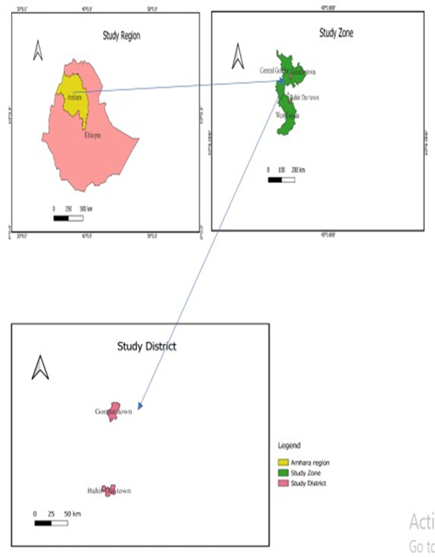
Figure 1: A Map showing the study area: Source (GIS software, 2020).
Study Population and Sample Type
The study population consists of raw fish (both fresh unfilleted and filleted), including species such as Nile Tilapia (Oreochromis niloticus), Labeo Barbus (Cyprinidae), and Catfish (Clarias gariepinus), which were collected by fishermen from Lake Tana. Additionally, frozen and cooked fish (ready-to-consume) were included, such as: Asa Tibs (fried fish): A dish prepared by gutting or removing inedible parts of the fish, followed by thorough cooking in oil at high temperatures for human consumption. Asa Lebleb (undercooked fish): A dish made by cutting the muscle into pieces, adding spices, and cooking at low temperatures. Asa Wot (fish stew): A dish prepared by mincing the fish muscle, adding spices, and cooking at high temperatures for human consumption. The types of samples included in the study were: Fish meat swabs from raw and prepared fish, Hand swabs from fisheries and restaurant workers, and Knife swabs from knives used for fish processing.
Study Design and Sample Size Determination
A cross-sectional study was conducted from December 2023 to September 2024. In addition, an observational checklist and a pre-tested questionnaire were administered to workers along the value chain, including restaurants, to determine possible sources and sites of contamination within the value chain. The sample size was determined using the Thrusfield formula (Thrusfield, 2005), with a calculated total sample size of 384. However, since the fish population in Lake Tana was unknown, the sample distribution was based on data from the Gondar Zuria Wereda Fishery Sector. According to this data, fisheries collect 10 percentage Catfish, 30% Labeo Barbus, and 60% Nile Tilapia. Therefore, a total of 301 samples were investigated.
Sampling Method
Twelve restaurants were selected using purposive sampling from five sub-cities. These five sub-cities, identified based on Gondar City Administration data (2015), include Arada Kefle Ketema, Azezo Teda Kefle Ketema, Zobel Kefle Ketema, Facile, and Maracie Kefle Ketema. In Lake Tana, three landing sites-Mitreha, Sheha, and Gorgora-located in Gondar Zuria Wereda and West Denbia Wereda were also selected through purposive sampling. At the fishing sites, fishing activities occurred primarily twice per day (morning and afternoon). Fish samples from unloading sites were collected using a simple random sampling method, based on the number of fishing activities per day and the number of trips made to unloading sites by the fishery. A total of 301 samples were collected, including 201 samples from unloading sites and 100 samples from restaurants. These were gathered over a total of 18 observations: 12 observations for collecting swab samples from unloading sites and 6 observations for collecting swab samples from restaurants in Gondar City.
Data Collection Procedure
Sample Collection
Hand swab and knife swab samples were collected from selected restaurants using sterile sampling bottles containing buffered peptone water and kept in an icebox with ice packs. Similarly, swab samples from raw or fresh fish at selected fishing sites were collected and placed in sterile sampling bottles containing buffered peptone water. Sterile cotton swabs were used to transfer the fish swab from the uncooked fish meat plate to the sampling containers.
After labeling and coding with all necessary information, the samples were immediately transported to the University of Gondar College of Veterinary Medicine and Animal Sciences, Veterinary Microbiology Laboratory, using an icebox with ice packs. The samples were processed within 24 hours of collection, and all inoculums were incubated overnight at 37°C for the isolation and identification of Staphylococcus aureus from fish meat swabs and contact surface sampling swabs.
Questionnaire Survey and Observation
A pre-tested questionnaire was designed to collect separate data (Annex V and VI) for fish processors in restaurants and fish harvesters at unloading sites. Questionnaire surveys were conducted to assess factors associated with cross-contamination in raw and ready-to-eat fish-derived foods. The questionnaire also included socio-demographic factors, transport-related issues, educational status, and personal hygiene practices. Respondents were purposively selected based on their significant roles in food processing and handling. The questionnaire and observational checklists were administered in accordance with the standard guidelines of the Codex Alimentarius Commission of the Food and Agriculture Organization (Annex VII) (FAO, 2009).
Isolation and Biochemical Tests
The assignment of Staphylococcus aureus species and final identification of staphylococcal organisms were performed using various culturing methods, followed by Gram staining and biochemical tests. The biochemical tests included the catalase test, tube coagulase test, slide coagulase test, Voges-Proskauer test, and mannitol sugar fermentation test. Both coagulase tests, using rabbit plasma, were conducted in parallel to further confirm the identification of S. aureus.
Gram's Staining
Gram staining was performed on all suspected Staphylococcus species cultures, and the sizes, shapes, and cell configurations of the cultures were examined under a light microscope. Presumptive Staphylococcus species were identified based on Gram-stained smears of typical colonies, which revealed Gram-positive cocci arranged in irregular grape-like clusters.
Catalase Test
Using a bacteriological loop, pure cultures of the isolates to be tested for catalase were removed from the agar plate and mixed with a drop of 3% hydrogen peroxide on a sanitized slide. Within a few seconds, bubbles of oxygen were released, indicating a positive reaction and the presence of Staphylococcus aureus (Quinn et al., 2002).
Mannitol Salt Agar (Mannitol Fermentation)
The colonies were streaked onto Mannitol Salt Agar plates and incubated at 37°C. Growth was checked after 24 to 48 hours. These colonies were confirmed through Gram staining, hemolysis on blood agar, colony characterization, and a positive catalase test. The presence of growth and a pH shift from red to yellow in the medium indicated the presence of coagulase-positive Staphylococcus aureus. Fermentation of mannitol by S. aureus causes the medium to turn yellow within 24 hours of incubation (Quinn et al., 2002).
Coagulase Test
Both slide coagulase and tube coagulase tests were used as coagulase assays. Staphylococcus aureus presumed to be identified from Mannitol Salt Agar was subcultured onto a nutrient agar plate. After 24 hours, the culture colonies of S. aureus were selected using a bacteriological loop, placed on a clean slide, and emulsified. A drop of rabbit plasma was added to the test suspension, and it was thoroughly mixed with a wire loop for five to ten seconds. Clumping of the cocci was interpreted as a positive result (Quinn et al., 2002). For the tube coagulase test, 0.5 ml of selected Staphylococcus isolates cultured in tryptic soy broth at 37°C for 24 hours was added to 0.5 ml of rabbit plasma in sterile tubes. This test was conducted for those isolates that were negative in the slide coagulase test. Any visible clotting inside the tube, ranging from a loose to a firm clot that remained immovable when the tube was inverted (tilted), was considered a positive result. No clotting at all was interpreted as a negative result (Quinn et al., 2002).
Vogues Proskauer Test
The Voges-Proskauer test is a biochemical test that detects the ability of bacteria to metabolize pyruvate into a neutral intermediate product called acetylmethylcarbinol or acetoin. The test is performed by adding alpha-naphthol and potassium hydroxide to the Voges-Proskauer broth. This test is conducted on Gram-positive, catalase-positive species to identify coagulase-positive Staphylococcus aureus (Quinn et al., 2002).
Antimicrobial Susceptibility Profile
All isolates of S. aureus were subjected to an antibiotic susceptibility test using the Kirby-Bauer agar disc diffusion method, following the Clinical Laboratory Standards Institute (CLSI) guidelines of the USA, on Mueller-Hinton agar (MHA). The antibiotics were selected based on their availability and relevance for routine testing and reporting on non-fasidious organisms. One representative antibiotic from each subclass of commonly used and widely available antibiotics for treating staphylococcal-related diseases in both animals and humans was chosen. Based on these criteria, seven antibiotics were selected for this study: chloramphenicol (30 µg), ciprofloxacin (5 µg), vancomycin (30 µg), erythromycin (15 µg), gentamicin (10 µg), tetracycline (30 µg), and penicillin (10 units) (CLSI, 2020).
For the susceptibility test, three to five well-isolated colonies of the same morphological type were selected from a nutrient agar plate culture and transferred into test tubes containing sterile saline. The suspension was mixed thoroughly, and the density was adjusted to 0.5 McFarland using saline or additional S. aureus colonies. A sterile swab was dipped into the suspension, and the excess inoculum was removed by pressing it against the sides of the tube to prevent over-inoculation of the plates. The inoculum was spread evenly over the entire surface of the agar plate by swabbing in three directions. Antibiotic discs were applied firmly onto the agar surface, and the plates were incubated for 24 hours at 37°C. The diameter of the zone of inhibition around each disc was measured using a ruler in millimeters (mm) and interpreted according to the CLSI standards as susceptible, intermediate, or resistant. Isolates showing resistance to three or more antibiotics were considered multiple drug-resistant (MDR) (Beyene et al., 2017).
Data Analysis
All data collected during the study period were checked, coded, and entered into an Excel spreadsheet before being analyzed using STATA software version 16 (Texas 77845, USA). Descriptive statistics, such as percentages and proportions, were used to compute the number of fish samples positive for S. aureus. A univariable logistic regression model was employed, and variables with a p-value of less than 0.05 were exported to a multivariable logistic regression model to assess the effects of potential confounders. The degree of association between risk factors and the occurrence of S. aureus in fish samples was quantified using the adjusted odds ratio obtained from the multivariable logistic regression models. In all analyses, the confidence level was set at 95 percent, and a p-value of less than 5% (P less than 0.05) was considered statistically significant.
Results
Occurrence of Staphylococcus Aureus
From a total of 301 samples taken, 79 (26%) were found positive for S. aureus. Out of this 53(26%) on fish and 26(26%) on hand and knife swabs were found positive for S. aureus. The occurrence of S. aureus on fish and both contact surfaces have statistically significant difference (OR=2.2, p=0.024) (Table 1).
Table 1: Occurrence of Staphylococcus aureus from fish and contact surfaces.
| Sampling Site | No. of Samples (N=301) | No of Positives (%) (N=79) | OR | P-Value | 95%CI |
| On Fish | 201 | 53(26%) | |||
| On Hand and Knife | 100 | 26(26%) | 2.2 | 0.024 | 1.10304-1.4739 |
| Total | 301 | 79(26%) |
Key: OR= Odds Ratio, Statistically Significant at P less than 0.05, CI=Confidence Interval
Isolation of Staphylococcus Aureus Related to Species
From a total of 201 fish samples, Nile Tilapia 24% (n=30), Labeobarbus 27% (n=13) and African Cat fish 36% (n=10) were identified positive for S. aureus. Based on the above occurrence of S. aureus on different fish species at different swab sites are statistically non-significant (OR= -1.281561, P=0.272). Table 2 shows the occurrence of S. aureus from different fish species.
Table 2: Isolation of Staphylococcus aureus related to species.
| Fish Species | No. of Samples (n=201) | No. of Positive (%) (n=53) | OR | P-Value | 95% CI |
| Cat Fish | 28 | 10(36%) | 1.281561 | 0.272 | 0.823-1.996 |
| Labeobarbus | 48 | 13(27%) | |||
| Nile Tilapia | 125 | 30(24%) | |||
| Total | 201 | 53(26%) |
Key: OR= Odds Ratio; Statistically Significant at p less than 0.05, CI=Confidence Interval
Isolation of Staphylococcus Aureus from Fish Samples at Different Sampling Sites
From a total of 201 samples examined the proportion of S. aureus was 36% (n=24) from Miterha, 19% (n=13) from Sheha, and 24% (n=16) from Gorgora were positive for S. aureus showed that the prevalence had statistical insignificant (OR=1.237537 and p= 0.157) but the occurrence of S. aureus in unloading sites 26%(n=53) and in restaurants 26%(n=26) had statistically significant differences (OR=2.2 and p=0.024) among the sampling sites below Table 4. From a total of 201 raw fish samples; 97 fresh unfilleted and 104 fresh filleted fish were sampled at three fish unloading sites. From collected fresh unfilleted fish samples 13 % (n=13) and fresh filleted fish samples 39% (n=40) of S. aureus were positive. These differences were found statistically significant (OR=2.980519 and p=0.026) (Table 3).
Table 3: Isolation of Staphylococcus aureus from samples at different sampling sites.
| Sample Type and Sample Site | No of Samples (n=301) | No of Positives (n=79) | OR | P-Value | 95% CI |
| Raw Unfilleted | 97 | 13(13%) | |||
| Raw Fillted | 104 | 40(39%) | 2.980519 | 0.026 | 1.139-7.797 |
| Total | 201 | 53(26%) | |||
| Miterha | 67 | 24(36%) | |||
| Sheha | 67 | 13(19%) | 1.237537 | 0.157 | 0.921-1.663 |
| Gorgora | 67 | 16(24%) | |||
| Gondar | 100 | 26(26%) | |||
| Total | 301 | 79(26%) | |||
| In Unloading Sites | 201 | 53(26%) | 2.2 | 0.024 | 1.109-4.366 |
| In Restaurants | 100 | 26(26%) | |||
| Total | 301 | 79(26%) |
Key: OR= Odds Ratio; Statistically Significant at p less than 0.05, CI=Confidence Interval
The Occurrence of S. aureus From Different Swab Sites
The present study result revealed that the prevalence of S. aureus was on hand swabs (from fish handlers) is 20% (n=10), fish meat swabs (from fishes) is 26% (n=53), and 32% (n=16) on Knife swabs (from knives used for processing) Were positive by S. aureus However, there is no statistically significant difference between hand swab, knife swab and fish meat swab (OR=0.9795685, P-value=0.921) as Table 4 shows the occurrence of S. aureus from different swab sites.
Table 4: The occurrence of S. aureus from different swab site.
| Swab Site | No of Samples (n=301) | No of positives (n=79) | OR | P-Value | 95% CI |
| Hand Swab | 50 | 10(20%) | |||
| Knife Swab | 50 | 16(32%) | 0.9795685 | 0.921 | 0.652-1.472 |
| Fish Meat Swab | 201 | 53(26%) | |||
| Total | 301 | 79(26%) |
Key: OR= Odds Ratio; Statistically Significant at p less than 0.05, CI=Confidence Interval
Isolation and Identification of Staphylococcus Aureus Species
The present study result revealed that from a total of 301 fish, hand and knife swab samples 120 (40%) samples have beta hemolysis, 102 (85%) samples were gram positive, 87 (85%) samples were catalase positive 80 (92%) samples show mannitol fermentation (yellow zone around colonies, 79(99%) samples were coagulase positive and 79(100%) samples were positive for vogues proskauer.
Questionnaire Survey Results
Demographic Characteristics of the participants
From a total of 90 respondents 66 fishermen and 24 restaurant workers engaged in fishing activity and fish origin food processers were interviewed in the study area. Out of participants 76(84.44%) were males and also 58(64.44%) were literate (Table 5).
Table 5: Demographic characteristics of the participants (n=90).
| Variables | Description | No. of Respondents |
| Sex | Male | 76(84.44%) |
| Female | 14(15.55%) | |
| Age | 20-30 | 26(28.88%) |
| 31-40 | 41(45.55%) | |
| >40 | 23(25.55%) | |
| Educational-Status | Literate | 58(64.44%) |
| Illiterate | 32(35.55%) | |
| Years of business- Experience | 1-2 years | 20(22.22%) |
| 3-5 years | 24(26.66%) | |
| 6-10 years | 24(26.66%) | |
| Above 10 years | 22(24.44%) |
Questionnaire for Fish Harvesters at Unloading Sites
Total number of the respondents transport fishes without ice by using a plastic bag and most of them harvest Nile Tilapia fish 41(62%). above 60(90%) of the respondents did not wash or clean their boats before and after starting of fishing activity and 54(81.8%) of the respondents had known on improper transportation of fish and improper use of hooks and filleting boards can be a source of fish food contamination. Most of the fishery men were sold the caught fishes within 6hrs-12hrs (Table 6).
Table 6: Questionnaire about food safety for fish harvesters and filters at unloading sites (n=66).
| Statements | Value | No of Respondents (%) |
| Improper transportation, improper use of hooks and filleting boards | Yes | 54(81.8%) |
| No | 12(18.2%) | |
| Transportation of fish to the next chain | With Ice | 0(0%) |
| Without Ice | 66(100%) | |
| Time to market all Harvested fish | 6-12 Hours | 38(57.57%) |
| 2-6 Hours | 28(42.42%) | |
| Type of containers Used to carry fish | Plastic Bag | 16(24.24%) |
| Wooden Basket | 18(27.27%) | |
| Others | 32(48.48%) | |
| Wash hands before and after handling of fish | Yes | 45(68.18%) |
| No | 21(31.81%) | |
| Wash hands after Using toilet | Yes | 66(100%) |
| No | 0(0%) |
Data Obtained by Direct Observation on Fish Handlers
To evaluate the hygienic practices and status of the fish handlers operating in the kitchens of several restaurants. From a total of 24 workers 14(58.33%) wash hands before starting work,100% workers no discharge, workers wear 19(79%) hair covers (67%) over coat and 18(75%) workers were clean. Table 7 shows data obtained by direct observation.
Table 7: Direct observation on fish handlers in restaurants. (n=24).
| Observational Points | Value | Frequency | Percentage (%) |
| Washing of hand before Starting work | Yes | 14 | 58.33% |
| No | 10 | 41.66% | |
| Discharge from nose, eye, ear and coughing | Observed | 0 | 0% |
| Not Observed | 24 | 100% | |
| Wear of jewelry or ring | Observed | 21 | 87.5% |
| Not Observed | 3 | 12.5% | |
| Wear of appropriate Hair covers | Yes | 19 | 79.16% |
| No | 5 | 20.83% | |
| Wear of appropriate overcoat | Yes | 16 | 66.66% |
| No | 8 | 33.33% | |
| Cleanness of overcoat and visible body part | Clean | 18 | 75% |
| Not Clean | 6 | 25% |
Antimicrobial Susceptibility Profile
All 79 S. aureus isolates were tested to seven selected antimicrobial agents on Muller Hinton agar by disc diffusion methods. In the present study, all isolates of S. aureus were susceptible to ciprofloxacin (100%), Chloramphenicol (92%), Vancomycin (84%), and Gentamycin (68%) However Erythromycin (55%), Tetracycline (72%) and Penicillin G (87%) isolates were the highest levels of resistance as shown in table 8.
Table 8: Susceptibility of S. aureus isolates against some selected antimicrobials.
| Antimicrobial Drugs | Antimicrobial Concentration | Susceptibility Pattern of Staphylococcus Aureus | ||
| Susceptible | Intermediate | Resistant | ||
| Ciprofloxacin | 5 μg | 79(100%) | 0(0%) | 0(0%) |
| Chloramphenicol | 30 μg | 73(92%) | 2(3%) | 4(5%) |
| Vancomycin | 30 μg | 66(84%) | 8(11%) | 5(6%) |
| Gentamycin | 10 μg | 54(68%) | 11(14%) | 14(18%) |
| Erythromycin | 15 μg | 22(28%) | 13(17%) | 44(55%) |
| Tetracycline | 30 μg | 14(17%) | 8(11%) | 57(72%) |
| Penicillin G | 10 Unit | 7(9%) | 3(4%) | 69(87%) |
According to the current investigation 57% (n=45) of S. aureus samples tested positive for multidrug resistance (MDR). The results of the antibiotic susceptibility tests indicates that the isolates exhibited traits of a general pattern of multidrug resistance. The highest MDR of drugs which used during susceptibility test (Penicillin G, Tetracycline, and Erythromycin).
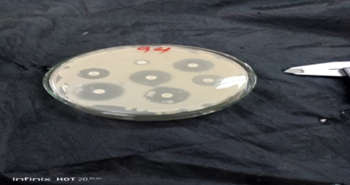
Figure 2: The antimicrobial susceptibility profile of S. aureus to the selected antibiotic discs.
Table 9: Patterns of drug resistance of S. aureus isolated from fish and fish contact surfaces.
| Frequencies | Antimicrobial’s Resistance Pattern | No of Resistant | % |
| Three | P,TET,ER | 29 | 37% |
| P,TET,VAN | 1 | 1% | |
| P,TET,GEN | 3 | 4% | |
| P,ER,GEN | 2 | 3% | |
| Total | 35 | 44% | |
| Four | TET,P,ER,GEN | 2 | 3% |
| P,ER,TET,VAN | 1 | 1% | |
| P,TET,VAN,GEN | 1 | 1% | |
| Total | 4 | 4% | |
| Five | P,TET,ER,GEN,CHL | 3 | 4% |
| TET,P ER,GEN,VAN | 2 | 3% | |
| P,TET,ER,GEN,CHL | 1 | 1% | |
| Total | 6 | 8% |
TET- Tetracycline, P- Penicillin, ER- Erythromycin, GEN- Gentamycin, VAN- Vancomycin, CHL- Chloramphenicol.
Discussion
From a total of 301 samples (201 fish and 100 hand and knife swabs) tested for S. aureus, 26% (n=79) were positive. This finding indicates contamination of fish-origin food with S. aureus, which is similar to the results of other studies conducted in various regions. The study revealed a prevalence of S. aureus of 26% in the area from the Lake Tana fish value chain to Gondar city. This is lower compared to a previous study by Oumer Masrie in the Lake Tana Bahir Dar district of Northwest Ethiopia in 2021, which reported a prevalence of 33.33%. However, it is higher than findings from other studies, including Abrahim et al. (2011) in Brazil (16%), Saito et al. (2010) in Japan (15%), Hesham et al. (2019) in Libya (5.3%), Mehdi et al. (2012) in Iran (5.7%), and Visnuvinayagam et al. (2015) in India (9%).
Factors such as the quality of the lake, the workers' hygiene and sanitation standards, and the lack of proper training on fish meat-borne infections and handling techniques may contribute to the disparity in S. aureus prevalence. Most workers did not wash their hands after processing fish meat, nor did they use face masks. This, along with improper handling, likely increases the risk of cross-contamination of fish meat and surfaces exposed to it. This observation aligns with Oumer et al. (2021). The study also found that the prevalence of S. aureus on workers' hands (20%) was higher compared to studies in other countries, such as 15.4% in Cameroon (Esemu et al., 2022) and 18% in South Korea (Yoon et al., 2008). This high prevalence may be due to poor hygiene practices, inadequate sanitation, and delays in washing hands after handling fish meat. Fishery products are often handled, prepared, and served in unhygienic conditions, posing a potential health risk to consumers, especially since fish are often consumed without further heat treatment (Haiffa, 2014). A significant percentage (41.66%) of workers did not wash their hands before, during, and after work.
In this study, S. aureus prevalence on knives was 32%, which is lower compared to findings from Cameroon (94%) (Esemu et al., 2022), but higher than studies in South Korea (0%) (Yoon et al., 2008) and Nigeria (0%) (Iyevhobu et al., 2021). The variation is likely due to the poor hygiene status of equipment used by fishers, with many workers using stainless steel knives, which have a high biofilm-forming ability for S. aureus. Most workers did not wash their knives frequently and properly, which contributed to contamination. Additionally, many workers borrowed knives from each other during fish evisceration around Lake Tana, leading to cross-contamination. Overall, the personal hygiene and sanitation of workers, including how they carry fish with their hands, and the materials they use for transport (sticks, plastic, etc.) may explain the differences in contamination levels observed in this study compared to others. Furthermore, improper cleaning of equipment and the types of equipment used during processing may also contribute to the variation. A significant number of workers (31.8%) did not wash their equipment after eviscerating fish, and 100% of fisheries transport fish without ice. In the present study, 97 fresh unfilleted fish and 104 fresh filleted fish swab samples were collected from three landing sites. Of these, 13 (13%) fresh unfilleted fish and 40 (39%) fresh filleted fish tested positive for S. aureus due to cross-contamination.
The study also showed that S. aureus prevalence was highest at Miterha (36%), followed by Gondar city (26%), Gorgora (24%), and Sheha (19%). There was no statistically significant difference in prevalence among different fish samples from the various sample sites. Since 100% of respondents reported handling fish with bare hands at unloading sites, the high number of S. aureus isolates from fresh filleted fish may be due to contact with workers' hands during processing or filleting. Out of the total 301 samples, 26% (n=79) of fish samples were positive for S. aureus, with 26% (n=26) from restaurants and 26% (n=53) from unloading sites, which showed a statistically significant difference. Humans are a major source of S. aureus contamination. Among the three fish species examined, S. aureus prevalence was 36% in catfish (10/28), 27% in Labeobarbus (13/48), and 24% in Nile tilapia (30/125). There was no statistically significant difference in prevalence among the species. Biochemical tests confirmed that out of the 79 positive S. aureus samples, 120 (40%) showed beta-hemolysis, 102 (85%) displayed grape-like clusters, 87 (85%) exhibited oxygen bubble release, 80 (92%) had golden yellow presumptive colonies, 79 (99%) showed clot formation by fibrinogen to fibrin conversion, and 79 (100%) were positive for the Voges-Proskauer test (cherry red color) (Quinn et al., 2002).
The antibiotic susceptibility test using the disc diffusion method on Mueller-Hinton agar revealed that all S. aureus isolates were susceptible to ciprofloxacin, followed by chloramphenicol (92%), vancomycin (84%), and gentamycin (68%). These findings align with previous research, such as a study in Addis Ababa, where all S. aureus isolates were susceptible to ciprofloxacin (Kibrom, 2017). The high susceptibility to ciprofloxacin may be due to its relatively high cost and its introduction as a newer antibiotic. In contrast, a majority of S. aureus isolates (87%) were resistant to penicillin, 72% to tetracycline, and 55% to erythromycin. Among the 79 S. aureus isolates tested, 45 (57%) exhibited multiple drug resistance (MDR). Thirty-five isolates were resistant to three groups of antibiotics, four isolates were resistant to four groups, and six isolates were resistant to five groups. This increase in MDR may be linked to the indiscriminate use of antimicrobial agents. In conclusion, the variation between the current and previous studies could be attributed to personal hygiene, sanitation practices of workers, and handling methods, such as transporting fish without ice and inadequate cleaning of equipment. Most workers (31.8%) did not wash their equipment after fish evisceration, and 100% of fisheries transported fish without ice.
Conclusion and Recommendation
The study found that over one-fourth of the samples were positive for Staphylococcus aureus, with high quantities detected on knives and hands that came into contact with fish meat. Significant differences in contamination levels were observed between study sites, particularly at Lake Tana unloading sites and restaurants in Gondar City, as well as between fresh unfilleted and filleted fish samples. The contamination was linked to fish handlers' habit of using bare hands, poor hygiene, and improper sanitation practices. Testing revealed high resistance to penicillin and tetracycline in the S. aureus isolates. The study recommends improved hygiene practices, better awareness among fish handlers, and regular monitoring of antibiotic resistance. Based on the findings of this study, the following recommendations are made:
- Improve awareness among fish meat sellers and workers about safe fish meal preparation, handling, and distribution.
- Attention should be given to the cleanliness of fish meat vendor areas.
- Regular monitoring of antibiotic resistance in S. aureus should be conducted.
- The treatment of choice for diseases caused by S. aureus in humans and animals should be ciprofloxacin and chloramphenicol.
- Further research should be conducted on antimicrobial resistance genes in S. aureus.
- Continuous training on hygiene and food safety practices should be provided to fishery societies and restaurant workers.
Declaration
Ethical Consideration
The current study has been approved for its ethical soundness for the time from November 2023 to March 2024 by the Institutional Ethical Review Board (IRB) of the College of Veterinary Medicine and Animal Sciences, University of Gondar, Ethiopia. And it has been given at reference (Reference No: CVMAS.Sc.16.282026).
Animal Ethics
This study considers the ethics of the study animal (fish) and the informed consent obtained from study participants was verbal. After it has ensured the necessity of this study via communicating with the professors and instructors of the College of Veterinary Medicine and Animal Sciences, University of Gondar, Ethiopia. A short-term discussion has been held with the local fishermen and the concerned bodies regarding the fish-catching system without any welfare interference. And the relevance of the study was also known to those local communities. In addition, its contributions regarding ecological health, fish health, water health, and finally increasing fish production both in natural aquatics and aquaculture systems through ensuring the health of the water environment and protecting the welfare of fish were ensured by applying proper handling during sample taking.
Author’s Contribution
Misganaw Tezera Ayele: collected the sample in the field, processed the laboratory work, and wrote the draft of the paper.
Ambaye Worku Kenubih and Mengesha Ayehu Getnet: supervises the paper, and they have commented on the work of the laboratory, organized data, the analysis, and the reviewed manuscript. And. All authors checked and approved the final work of the manuscript. Therefore, all authors have participated equally.
Consent for Publication
The informed consent obtained from study participants was verbal. All the participants in this research have played a great role in the preparation of this paper, and we have all observed the final product of the finished paper, evaluated any corrections and updates, and finally, assured that the paper is very good. So, at the end of the day, all authors decided, as we have great consent for the publication of this paper. I confirm the corresponding author has read the journal policies and submit this manuscript in accordance with those policies.
Data Availability
The data to this research is available right now on the excel spread sheet and we could submit when there will be any request from the journal editorial board. Additionally, all authors are ready to give the available data to the readers by requesting via email and any communication platform.
Competing Interests
The results/data/figures in this manuscript have not been published elsewhere, nor are they under consideration by another publisher. I declare that the authors have no competing interests, or other interests that might be perceived to influence the results and/or discussion reported in this paper. So that, and we declare that there is no conflict of interest.
Funding
Not applicable.
Acknowledgments
Not applicable.
References
- Adugna, M., Ketema, M., Goshu, D., Kaba, S. D. (2019). Vegetable Market Performance in Smallholders Production System: The Case of Lake Tana Basin, Ethiopia. Business, Management and Economics Research, 5(3):40-48.
Publisher | Google Scholor - Alazer Shifarew. (20l6). Ethiopia: Emphasis on Modern Fish Harvesting Development.
Publisher | Google Scholor - Andreoletti O., Budka H., Buncic S., Colin P., Collins J., et al. (2009). Scientific Opinion of The Panel on Biological Hazards on A Request from The European Commission on Assessment of The Public Health Significance of Meticillin Resistant Staphylococcus Aureus (MRSA) in Animals and Foods. European Food Safety Authority Journal, 993:1-73.
Publisher | Google Scholor - Breuil Christophe, Grima Damien. (2014). Baseline Report Ethiopia. Smart Fish Programme of The Indian Ocean Commission, Fisheries Management FAO Component, Ebene, Mauritius, 24.
Publisher | Google Scholor - Bujjamma, P., Padmavathi, P. (2015). Prevalence of Staphylococcus Aureus in Fish Samples of Local Domestic Fish Market. International Journal of Current Microbiology and Applied Sciences. 4(5):427-433.
Publisher | Google Scholor - Cenci-Goga, B.T., Karama, M., Rossitto, P.V., Morgante, R.A., Cullor, J.S. (2003). Enterotoxin Production by Staphylococcus Aureus Isolated from Mastitic Cows. Journal of Food Protection, 66(9):1693-1696.
Publisher | Google Scholor - CLSI: Clinical and Laboratory Standards Institute, (2020). Performance Standards for Antimicrobial Susceptibility Testing. CLSI Supplement. 100:54-60.
Publisher | Google Scholor - Dabassa Koricha, A., Han, D. Y., Bacha, K., Bai, F. Y. (2019). Occurrence and Molecular Identification of Wild Yeasts from Jimma Zone, South West Ethiopia. Microorganisms, 7(12):633.
Publisher | Google Scholor - FAO. (2018). State of Fisheries and Aquaculture in the world 2018.
Publisher | Google Scholor - FAO/WHO. (2009). Codex Alimentarius: Food Hygiene, Basic Texts.
Publisher | Google Scholor - Gondar City Administration. (2015). Structural Plan of Gondar. 146.
Publisher | Google Scholor - Ali, H. H. (2014). Isolation and Identification of Staphylococcus Bacteria from Fish of Fresh Water and Its Antibiotics Sensitivity in Mosul City. Basrah Journal of Veterinary Research, 1(1):33-42.
Publisher | Google Scholor - Loeto, D., Matsheka, M. I., Gashe, B. A. (2007). Enterotoxigenic and Antibiotic Resistance Determination of Staphylococcus Aureus Strains Isolated from Food Handlers in Gaborone, Botswana. Journal of Food Protection, 70(12):2764-2768.
Publisher | Google Scholor - Lues, J. F. R., Van Tonder, I. (2007). The Occurrence of Indicator Bacteria on Hands and Aprons of Food Handlers in The Delicatessen Sections of a Retail Group. Food Control, 18(4):326-332.
Publisher | Google Scholor - Mulder, A. C., Franz, E., de Rijk, S., Versluis, M. A., Coipan, C., et al. (2020). Tracing The Animal Sources of Surface Water Contamination with Campylobacter Jejuni and Campylobacter Coli. Water Research, 187:116421.
Publisher | Google Scholor - Otte, J., Pica-Ciamarra, U. (2021). Emerging Infectious Zoonotic Diseases: The Neglected Role of Food Animals. One Health, 13:100323.
Publisher | Google Scholor - Quinlan, J. J. (2013). Foodborne Illness Incidence Rates and Food Safety Risks for Populations of Low Socioeconomic Status and Minority Race/Ethnicity: A Review of The Literature. International Journal of Environmental Research and Public Health, 10(8):3634-3652.
Publisher | Google Scholor - Quinn, P. J., Carter, M.E., Markey, B., Carter, G.R. (2002). Veterinary Microbiology Microbial Diseases- Bacterial Causes of Bovine Mastitis, 8th Edition. Mosby international Limited, London. 465-475.
Publisher | Google Scholor - Salyer, S. J., Silver, R., Simone, K., Behravesh, C. B. (2017). Prioritizing Zoonoses for Global Health Capacity Building-Themes from One Health Zoonotic Disease Workshops In 7 Countries, 2014-2016. Emerging Infectious Diseases, 23(Suppl 1):S55.
Publisher | Google Scholor - Seo, K. S., Lee, S. U., Park, Y. H., Davis, W. C., Fox, L. K., et al. (2007). Long-Term Staphylococcal Enterotoxin C1 Exposure Induces Soluble Factor-Mediated Immunosuppression by Bovine CD4+ And CD8+ T Cells. Infection and Immunity, 75(1):260-269.
Publisher | Google Scholor - Thrusfield, M. (2013). Veterinary Epidemiology. John Wiley & Sons.
Publisher | Google Scholor - Wertheim, H. F., Melles, D. C., Vos, M. C., Van Leeuwen, W., Van Belkum, A., et al. (2005). The Role of Nasal Carriage in Staphylococcus Aureus Infections. The Lancet Infectious Diseases, 5(12):751-762.
Publisher | Google Scholor