
Research Article
Knowledge Of Sexual and Reproductive Health Rights and Associated Factors Among Youth in Limmu Kossa Woreda, Jimma Zone South-West Ethiopia: Community Based, Cross-Sectional Study
- Habtamu Yami
- Dr. Muluemebet Abera
- Iman Jihad
- Hiwot Aynalem *
Jimma University Institute of Health, Faculty of Public Health, Department of Population and Family Health, Jimma University, Jimma, Ethiopia.
*Corresponding Author: Hiwot Aynalem, Jimma University Institute of Health, Faculty of Public Health, Department of Population and Family Health, Jimma University, Jimma, Ethiopia.
Citation: Yami H., Dr. Abera M., Jihad I., AynalemH. (2026). Knowledge Of Sexual and Reproductive Health Rights and Associated Factors Among Youth in Limmu Kossa Woreda, Jimma Zone South-West Ethiopia: Community Based, Cross-Sectional Study. Clinical Research and Reports, BioRes Scientia Publishers. 5(2):1-13. DOI: 10.59657/2995-6064.brs.26.061
Copyright: © 2026 Hiwot Aynalem, this is an open-access article distributed under the terms of the Creative Commons Attribution License, which permits unrestricted use, distribution, and reproduction in any medium, provided the original author and source are credited.
Received: January 19, 2026 | Accepted: February 02, 2026 | Published: February 19, 2026
Abstract
Background: Sexual and reproductive health and rights are essential for the health and development of all people. Despite the fact that sexual and reproductive rights have been established as human rights by center for reproductive right, many youths neither know that they possess these rights nor the claim to them. as a result, youths face several unwanted reproductive outcomes; So that, Adequate knowledge and understanding of SRH rights of youths are critical to their ability to protect themselves from these problems.
Objectives: To assess the level of knowledge on sexual and reproductive health rights and associated factors among youths in Limmu Kossa woreda, Jimma Zone, South-west Ethiopia, 2023.
Methods: A community based cross-sectional study was conducted. Simple random sampling was used to select 13 kebeles. Data was collected through interviewer-administered questionnaires and entered into Epi Data –V 3.5.1 and analyzed by SPSS-26. Descriptive statistics was used to describe the study population in relation to relevant variables and presented by simple frequency, tables, graphs and text. A binary logistic regression model was used to investigate factors associated with knowledge towards SRHRs. Variables with a p value of <0.25 in the bivariate analysis were entered in to the multivariable analysis to control the possible effect of confounders. The adjusted odds ratio (AOR) with a 95 % confidence interval was used to assess the strength of association and a p value of <0.05 was used to declare the statistical significance in the multivariable analysis.
Result: A total of 482 youths were involved in the study, yielding a response rate of 95.6%. The prevalence of knowledge of the respondents was 59.13%, 95% CI, (54.6, 63.6). and it had a positive statistically significant association with Male [AOR=1.738, 95% CI, (1.117, 2.704)]; ever heard about SRH rights [AOR=2.721 95% CI (1.719, 4.307)], had discussed on SRH issues with family member [AOR=1.714 95% CI (1.022, 2.877)], had communicated on SRH issues with anyone else [AOR=1.628, 95% CI (1.014, 2.616)], and had information on SRH issues [AOR=1.938 95% CI (1.202, 3.127)]. were as, living with father and mother [(AOR=0.350, 95% CI, (0.164, 0.750)], with mother only ([AOR=0.238, 95% CI, (0.101, 0.562)], with friends [AOR=0.019,95%CI (0.003, 0.113)], Alone [AOR=0.028 95%CI (0.004, 0.186)], and with relatives [AOR=0.116, 95%CI (0.030, 0.445)] were significant negative determinant of knowledge of SRH rights.
Conclusion: - Respondents’ knowledge level was low as evidenced by only 59.13% of the youths were found to be knowledgeable on sexual and reproductive health rights. Hence, this study indicated that making discussion on SRH issues with family member & with anyone and creating awareness on SRH rights, is needed to increase Knowledge status of youths.
Keywords: knowledge; sexual and reproductive health rights; youths; ethiopia
Introduction
Sexual and reproductive health rights (SRHR) refer to the right for all people, regardless of age, gender, and other characteristics, to make choices regarding their own sexuality and reproduction, provided that they respect the rights of others. SRHR therefore includes the freedom to decide whether, when, and with whom to engage in sexual relationships; freedom of sexual expression; freedom to enter into marriage with consent; to form a family; to choose the timing, spacing, and number of children to have; to have access to information and means to achieve their reproductive goals; and to be free from discrimination, degrading treatment, coercion, and violence [1, 2].
The concept of SRHR was adopted for the first time at the Programme of Action of the International Conference on Population and Development (ICPD) in Cairo in 1994 [3]. It is critical for many of the SDGs, specifically the two targets of the globally adopted 2030 Agenda for Sustainable Development, to specifically mention sexual and reproductive health. Target 3.7—under the health goal—states, “By 2030, ensure universal access to sexual and reproductive health-care services, including family planning, information and education, and the integration of reproductive health into national strategies and programs." Target 5.6—under the gender equality goal—aims to “Ensure universal access to sexual and reproductive health and reproductive rights" in accordance with previously negotiated UN agreements [[4], [5]].
In order to advance SRHR, it is necessary to remove the barriers posed by laws, regulations, and social norms and values that impede people from attaining sexual and reproductive health, particularly gender inequity. Encouraging people to make choices about their own sexual and reproductive life and to respect others' choices are prerequisites for improving people's well-being. In other words, achieving sexual and reproductive health rests on realizing sexual and reproductive rights, many of which are frequently neglected, such as the right to choose one’s partner and receive confidential, respectful, and high-quality services [5].
Estimates indicate that young people between 15 and 24 years of age number 1.21 billion and account for 15.5 percent of the global population [6]. Out of these, 211 million (18.3%) of the youths were living in sub-Saharan Africa, and they account for one-third of the Ethiopian population [7].
HIV/AIDS affects 37.7 million individuals worldwide, 90% of whom are young people, with 37% of them residing in sub-Saharan Africa [8]. Comparably, by 2016, 0.4% of Ethiopian youth had HIV/AIDS [9], demonstrating that the prevalence of HIV/AIDS infection among youth is rising, especially in developing nations.
An estimated 22 million unsafe abortions occur annually worldwide, of which about 15% (about 3.2 million) are in girls under the age of 20 years. Young women experience a higher risk of abortion-related deaths than women over 25 years old, are more likely to terminate pregnancy after the first trimester, and to use unqualified service providers [10], and only 30% of girls aged 15 to 24 have comprehensive and accurate knowledge about HIV, undermining their ability to negotiate condom use and other safer sex practices [11]. Also, previous studies conducted in Shire town, northern Ethiopia, revealed that 52.9% of youths were not knowledgeable about SRHRs [12].
In sub-Saharan Africa and Latin America, between 10 and 20 percent of adolescents report having their first sexual experience before to reaching fifteen. Moreover, a large percentage of women in sub-Saharan Africa's give birth before turning eighteen [13].
Initiatives related to health and development, such as the 2030 Agenda for Sustainable Development and the push for universal health coverage, generally concentrate on three aspects of sexual and reproductive health (SRHR): HIV/AIDS, maternity and infant health, and contraception. Over the past few decades, countries all over the world have made impressive progress in these areas; nevertheless, the progress has not been evenly distributed between and within countries, and the coverage and quality of services have frequently fallen short. Moreover, SRHRs are not respected or safeguarded in a large portion of the world, and people—including youths—do not have enough access to a comprehensive range of SRH services [5].
In addition, Ethiopia has reviewed its laws and policies in response to international conventions and human rights treaties, such as the ICPD, MDGs, and SDGs. A reaction to this was the development of the National Reproductive Health Strategy, which aims to decrease harmful traditional practices and gender-based violence while encouraging the use of SRH services and information [14]. Despite significant progress, more than one in five Ethiopian women still does not receive the FP they require [15].
EDHS (2016) shows that 24% of women age 15-24 and 39% of men age 15-24 have comprehensive knowledge of HIV, which includes knowing that consistent use of condoms during sexual intercourse and having just one sexual partner. Regarding residence, urban youths were more likely to have access to HIV prevention information than for rural adolescents. Only 41% of ever-married women age 15-19 and 47% of women age 20-24 made their own decision to marry. Forty-five percent of married women can say no to their husbands if they do not want to have sexual intercourse, but only 30
Methods and Materials
Study area and period
The study was conducted from May 25 to June 16, 2023, in Limmu Kossa woreda, which is found in Jimma Zone, Oromia Region. The district is located 75 km south of Jimma town and 436 km south-west of Addis Ababa, the capital city of Ethiopia. According to a report from the Limmu Kossa woreda health office, the total population of the district was 239,984, with 49,996 households and youths accounting for 19.76% (47,420) of the district’s total population in 2015 E.C. The district constitutes 44 kebeles (the smallest administrative unit in Ethiopia), comprising forty rural and four urban kebeles. There is one general hospital, seven health centers, and forty-four health posts found in the study area that provide curative, preventive, and health promotion services such as family planning, comprehensive abortion, antenatal, delivery, and postnatal care.
Study design
A community based; cross-sectional study design was employed.
Source population
All youths (15-24 yrs.) who were residing in Limmu Kossa Woreda.
Study population
All Youths (15–24 yrs.) who were from selected kebeles in Limmu Kossa Woreda during the data collection period and fulfilled inclusion criteria.
Study unit
Individual
Sampling technique and procedure
Out of the 44 Kebeles (smallest administrative unit in Ethiopia) found in the district administration, thirteen kebeles (30%) were selected by a lottery method. To assure representativeness the calculated sample size was proportionally allocated to the each selected kebeles based on number of youths in each kebeles. The list of eligible youths who live in the selected kebeles were obtained from family folder of the community health information system (CHIS) available at the local health post, which was regularly updated and given number by the administrative bodies through health extension workers of the kebele and the recorded number was listed, sampling frame corresponding to house number were prepared. Based on this, the required number of participants was selected by using simple random sampling technique. Eligible youth was interviewed in each kebele until the number of sampled populations by SRS has covered, for households with more than one eligible youth, interview was done by selecting a youth by using lottery method.
Sample size determination
The sample size was calculated for both, first objective and specific objective by using STATCALC Epi-info version 7.2.5.0. for first objective, the sample size was determined by considering the assumption of level of significance((α)=0.05, prevalence of knowledge on SRHR 54 % [20], 5% margin of error and 10% non-response rate, this provides a sample size of 420.
Operational definitions
Knowledge: is defined as familiarity of respondents with SRHRs that might be acquired through information, experience. In this study youths were asked series of knowledge related questions about SRHRs which expected to be provided to and must utilized by them as a right. And it is measured by using 24 questions and each question contains "0 = No" and "1 = Yes" alternatives. The questions in the opposite order were recoded, as a result, Scores range from 0 to 24. Therefore, a respondent who scored greater than or equals to the median value was considered knowledgeable and respondents who scored below the median value was considered not knowledgeable about these rights.
Awareness: the state of condition that can be confirmed by object of the information, have heard about the SRHRs by youth.
Sexual experience: participants who ever experience sex in their life were classified as having the history of sexual exposure and not otherwise.
Discussion on SRH issues: ever discussed about SRH related issues (Condom, VCT for HIV, STI/HIV/AIDS, unwanted pregnancy, Contraception, abortion) in the past with someone else.
Ever used SRH service: Use of at least any one component of SRH services such as FP, counseling, VCT, information and education and STI treatment in the last one year [21].
Youth: in this study youth is an individual between the ages of 15-24 as defined by the united nation [22].
Data collection tool, personnel, and procedure
The data was collected by using an interviewer-administered structured, closed-ended questionnaire; several questions that could address the objectives of the study were prepared. Questionnaires were developed after reviewing the previous literature pertaining to the topic of interest [[20], [23], [24], [25] and [26]]. The questionnaire was prepared in English, translated to Afan Oromo, and retranslated back to English for consistency of meaning. The questionnaire was tested for reliability using Cronbach’s alpha (value = 0.74). Furthermore, face and content validity were ensured by identifying the difficulty in understanding the phrases and words of dimensions, ambiguities, and misunderstandings in the questionnaire. The experts in the subject matter validated it. The data was collected by six diploma graduates of nursing and supervised by two health officers. Since the tool contains sensitive issues, to minimize information bias, three female data collectors were assigned to collect data from females, and three male data collectors were assigned to collect data from males.
Data Quality Management
The quality of the data was managed by accomplishing different activities before, during, and after the data collection period. Before the data collection period, data collectors and supervisors were trained for two days by the principal investigator on the objectives of the study, how to interview, fill out the questionnaire, and handle questions asked by clients during the interview to avoid bias. The English version of the questionnaire was translated into Afan Oromo and then retranslated back to English independently by language experts who were familiar with the terms and languages to maintain its consistency for actual data collection purposes. It was pretested on 25 youths at Kentery Kebele a week before the actual data collection, and after the pretest, ambiguous words were simplified based on recommendations from the participants. Furthermore, the time taken for filling out questionnaires improved from 15–20 minutes to 20–25 minutes, considering the participants who had finalized their responses to the questionnaire first and last. During data collection period, strict supervision was carried out by two supervisors who have bachelor degree in health officer and the questionnaire was reviewed and cross checked for its completeness, accuracy and consistency by the supervisors and by the investigator daily. After data collection period data were edited, entered in to computer and cleaned finally.
Data analysis procedures
The collected data was checked manually for completeness. Then, after it was coded, cleaned, and entered into EPI data version 3.5.1, it was exported to Statistical Package for Social Sciences (SPSS) version 26 for analysis. The effect of multicollinearity was checked by using the Variance Inflation Factor (VIF) and Standard error (SE) for all explanatory variables. The connection between outcome and explanatory variables was investigated using binary logistic regression analyses. The bivariate analysis was done one by one to determine the crude odds ratio (COR) for each variable with 95% confidence interval (CI). In bivariate analysis, those variables with a P value of <0.25 were taken to the next model. Multiple logistic regression analysis, was run. In the multiple binary logistic regression models, the effect of each explanatory variable on the outcome variable was assessed by controlling for the possible confounders using a stepwise backward model. To check for goodness of fit, the Hosmer-Lemeshow goodness-of-fit test with a large P value (P > 0.05) was used, and the data fit the model (p = 0.26). Finally, the statistical significance level was determined by odds ratios, at 95% CI and p-value <0.05 were used to declare the statistical significance in the analysis. Finally, based on the data obtained, the study’s findings were presented in the form of tables, graphs, and texts.
Results
Socio-demographic characteristics of the respondents
Out of 504 randomly selected youths, a total of 482 were participated in this study yielding a response rate of 95.6 %. The mean (SD) age of the respondents was 18.23 (SD + 2.340) years. About three-fourth 361 (74.9%) of the respondents were found in the age range of 15-19 years. And almost half 243 (50.4%) of participants were females. Regarding to educational status; more than half 289 (60%) of participants had secondary (9-12), while, only 13 (2.7%) were college and above. Majority 445 (92.3%) of the participants were from rural and more than half 295 (61.2%) were living with father and mother. Majority 429 (89%) of them were single, with regard to marital status. One hundred fifty-four (32%) and 221 (45.9%) of respondent’s father and mothers had no formal education, respectively. Regarding number of family members; 291(60.4%) of participants had below five, the rest 191(39.6%) had above five family members. The mean (SD) family size of the respondents was 5.23 ± 1.74 (see Table 1).
Table 1: Socio-demographic and economic characteristics of participants in Limmu Kossa Woreda, South-western Ethiopia, June 2023(n=482).
| Variables | Category | Frequency | Percent |
| Age of the respondent | 15-19 | 361 | 74.9 |
| 20-24 | 121 | 25.1 | |
| Gender of the respondent | Male | 239 | 49.6 |
| Female | 243 | 50.4 | |
| Educational status of the respondent | No formal education | 2 | 0.4 |
| Primary (1-8) | 178 | 36.9 | |
| Secondary (9-12) | 289 | 60.0 | |
| College and above | 13 | 2.7 | |
| Current schooling status of the respondent | Out-off school | 188 | 39.0 |
| In school | 294 | 61.0 | |
| Place of residence | Urban | 37 | 7.7 |
| Rural | 445 | 92.3 | |
| Living arrangement | With father and mother | 295 | 61.2 |
| With mother only | 89 | 18.5 | |
| With father only | 16 | 3.3 | |
| With friends | 12 | 2.5 | |
| Alone | 8 | 1.7 | |
| With relatives | 17 | 3.5 | |
| Husband/Wife | 45 | 9.3 | |
| Marital status of the respondent | Single | 429 | 89.0 |
| Married | 53 | 11.0 | |
| Educational status of father | No formal education | 154 | 32.0 |
| Primary (1-8) | 281 | 58.3 | |
| Secondary (9-12) | 45 | 9.3 | |
| College and above | 1 | 0.2 | |
| Educational status of mother | No formal education | 221 | 45.9 |
| Primary (1-8) | 249 | 51.7 | |
| Secondary (9-12) | 12 | 2.5 | |
| Occupational status of father | Governmental employee | 39 | 8.1 |
| Non-governmental employee | 2 | 0.4 | |
| Private employee | 66 | 13.7 | |
| Farmer | 365 | 75.7 | |
| Daily laborer | 6 | 1.2 | |
| Occupational status of mother | Governmental employee | 4 | 0.8 |
| Non-governmental employee | 2 | 0.4 | |
| Private employee | 60 | 12.4 | |
| House wife | 397 | 82.4 | |
| Merchant | 19 | 3.9 | |
| Number of family member | <5> | 291 | 60.4 |
| >5 | 191 | 39.6 |
Individual SRH related factors
Of all the respondents, 178 (36.9%) of study participants reported that they had sexual experience, and 146 (82.0%) of them were engaged sexual contact for the first time within 15-19 years old age range. The mean age at first sex was 17.35 (SD + 1.71) years and out of those who had sexual experience, 27 (15.1%) had multiple sexual partners throughout their life. Around two third 349 (72.4%) of the study participants were not discussed about SRH issues with family member and below half 216 (45.1%) of them had communication about SRH issues with other body, such as; peer/friends 144 (66.7%), health personnel 42 (19.4%) and school teacher 30 (13.9%). One hundred thirty-eight (51.5%) of respondents had faced difficulty to exercise sexual and reproductive health rights. Moreover; Traditional values & misconception 67 (48.6%), poor decision-making power (35.5%), cultural norms (8.7%) and unclear message (7.2%) were the reason reported for difficulties to exercise the rights. Only, (35.1%) of the respondents were ever used any of the sexual and reproductive health services, Family planning (26.6%), VCT for HIV/AIDS (20.7%) and condom use (22.5%) were predominant type of services used (Table 2).
Table 2: Individual SRH related factors of youths in Limmu Kossa woreda, South-western Ethiopia, June, 2023 (n= 482).
| Variables | Category | Frequency | Percent |
| Ever had sexual intercourse | No | 304 | 63.1 |
| Yes | 178 | 36.9 | |
| Age group for sexual initiation (n=178) | <15> | 25 | 14.0 |
| 15-19 | 146 | 82.0 | |
| 20-24 | 7 | 3.9 | |
| Number of sexual partners ever had in life time (178) | One | 151 | 84.8 |
| Two | 23 | 12.9 | |
| Three and above | 4 | 2.2 | |
| Ever had discussion on SRH issues with family member | No | 349 | 72.4 |
| Yes | 133 | 27.6 | |
| With whom you have discussed on SRH issues among family member (n=133) | Sister | 32 | 24.1 |
| Brother | 34 | 25.6 | |
| Father | 7 | 5.3 | |
| Mother | 60 | 45.1 | |
| Ever had communication on SRH issues with anyone else | No | 263 | 54.9 |
| Yes | 216 | 45.1 | |
| With whom had you communicate the issue (n=216) | School teacher | 30 | 13.9 |
| Health personnel | 42 | 19.4 | |
| Peer/friends | 144 | 66.7 | |
| Ever had information on SRH issues | No | 211 | 43.8 |
| Yes | 268 | 55.6 | |
| Source of information on SRH issues (n=268) | Family | 17 | 6.3 |
| Peer/friends | 92 | 34.3 | |
| School teacher | 77 | 28.7 | |
| Health personnel | 36 | 13.4 | |
| Mass media | 46 | 17.2 | |
| Ever had difficulty to exercise SRH rights after having sexual and reproductive health information? (n=268) | No | 130 | 48.5 |
| Yes | 138 | 51.5 | |
| Reason for difficulties to exercise the SRH rights (n=138) | Traditional values & misconception | 67 | 48.6 |
| Cultural norms | 12 | 8.7 | |
| Poor decision-making power | 49 | 35.5 | |
| Unclear Message | 10 | 7.2 | |
| Ever had utilized any of the SRH Services | No | 311 | 64.5 |
| Yes | 169 | 35.1 | |
| SRH Service ever used (n=169) | Family planning | 45 | 26.6 |
| STD screening and treatment | 19 | 11.2 | |
| VCT for HIV/AIDS | 35 | 20.7 | |
| Abortion service | 4 | 2.4 | |
| Condom use | 38 | 22.5 | |
| ANC | 3 | 1.8 | |
| Other* | 25 | 14.8 |
Awareness on sexual and reproductive health rights
From all the study participants 236 (49%) ever heard about sexual and reproductive health rights. Regards to number of right mentioned, less than half 77 (32.6%) were able to name two reproductive health right. However, 49 (20.8%) were unable to name any reproductive health right (Table 3).
Table 3: Awareness on Sexual and reproductive health rights of youths in Limmu Kossa woreda, South-western Ethiopia, June 2023(n=482).
| Variables | Category | Frequency | Percent |
| Ever heard about sexual and reproductive health rights | No | 246 | 51.0 |
| Yes | 236 | 49.0 | |
| Number of sexual and reproductive health rights mentioned (n=236) | 0 | 49 | 20.8 |
| 1 | 54 | 22.9 | |
| 2 | 77 | 32.6 | |
| >=3 | 56 | 23.7 |
Knowledge towards sexual and reproductive health rights of respondent’s
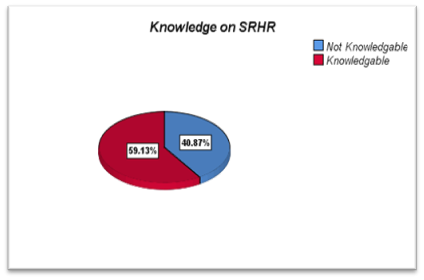
Figure 1: Knowledge status of youths towards sexual and reproductive health rights in Limmu Kossa woreda, south-western Ethiopia, June, 2023 (n=482).
The study revealed that youth’s level of knowledge on SRHRs, median knowledge score was 16(SD±4.03) indicating that more than half 285(59.1%) of the study participant was found to be knowledgeable on SRHRs while the remaining 195(40.9%) of participants were not knowledgeable about their SRHRs (see Figure 1).
Regarding to participants knowledge towards specific SRHR, about two hundred ninety-four (61%) of participants did not support the idea that families have the right to decide about their female child to be circumcised. Nearly two third 327 (67.8%) of participants reported as, youths have the right to partner selection without their family’s consent. In this study, Majority 389 (80.7%) and 378 (78.4%) of the study participants had reported as youths have the right to confidential use of reproductive health services such as family planning and sexual and reproductive health rights are human rights. While, about 199 (41.3%) participants said married woman can say no to have children if she doesn’t want to. Two hundred fifty-two (52.3%) participants agreed that married woman has a right to say no to sex, regardless of her husband’s' wishes, while 230 (47.7%) of participants agree on the refusal of woman to have sex regardless of her husband’s wish. (See Table 4).
Table 4: Correct responses to Knowledge related questions on specific SRHR, among youths in Limmu Kossa woreda, South-western Ethiopia, June, 2023 (n=482).
| Knowledge Related Questions | Frequency(n) | Percent(%) |
| Do families have the right to decide about their female child to be circumcised? | 294 | 61.0 |
| Can a girl dismiss her arranged marriage without her families’ agreement? | 261 | 54.1 |
| Do youths have the right to partner selection without their family’s consent? | 327 | 67.8 |
| Can a married woman say no to have children if she doesn’t want to? | 199 | 41.3 |
| A married woman has a right to say no to sex, regardless of her husband’s' wishes | 252 | 52.3 |
| Youths have the right to confidential use of reproductive health services such as family planning | 389 | 80.7 |
| Sexual and reproductive health rights are human rights | 378 | 78.4 |
| Married woman has the right to limit the number of children according to her desire without her husband’s consent | 215 | 44.6 |
| Youths have the right to information on reproductive health facilities | 416 | 86.3 |
| Youths have the right to be free from all forms of discrimination | 370 | 76.8 |
| Youths have the right to get evidence-based comprehensive sexual education | 355 | 73.7 |
| Husband has an obligation to share child care equally | 397 | 82.4 |
| All girls have the right to autonomous Reproductive choices including choices relating to safe abortion | 296 | 61.4 |
| Girls have the right to resist genital mutilation against their family's will | 293 | 60.8 |
| Youths have a full right to get information about sexual and reproductive health | 428 | 88.8 |
| Parents have the right to decide on the sexual and reproductive health issues of their children | 155 | 32.2 |
| Women have the right to autonomous reproductive choices to use any type of contraceptives | 369 | 76.6 |
| Girls have the right to autonomous reproductive choices without their partner's consent | 261 | 54.1 |
| Youths have a right to freedom of assembly and political participation to influence governments to place a priority on sexual and reproductive health | 342 | 71.0 |
| Youths have the right to access new reproductive technologies | 388 | 80.5 |
| All youths have a right to be free to enjoy and control their sexual and reproductive life | 374 | 77.6 |
| Youths have the right to form an association/ club that aims to promote their sexual and reproductive health | 356 | 73.9 |
| Unmarried woman has the right to maternity leave with adequate social security benefits | 338 | 70.1 |
| Unmarried couples have the right to use contraceptives other than condoms | 337 | 69.9 |
Factors Associated with knowledge on sexual and reproductive health rights
Bivariate and multivariable, binary logistic regression was used to assess factors associated with knowledge level on SRHRs among youths in Limmu Kossa woreda.
From bivariate analysis, all variables that had p value <0.25 were taken into multiple variable logistic regressions. Model fitness was checked by Hosmer and Lemeshow test and the p-value was 0.26, showing that the data set was best fit for the model. Multicollinearity was checked; all variables have VIF<4>
Accordingly, being male sex increase the likelihood of having good knowledge towards SRHR by 2 when compared with female counterpart [(AOR=1.74, 95% CI, 1.12, 2.704]. The study also revealed that, participants living with father and mother (AOR=0.35, 95% CI, 0.16, 0.75), with mother only (AOR=0.24, 95% CI, (0.10, 0.56), with friends (AOR=0.02, 95%CI (0.00, 0.11), alone (AOR=0.03, 95%CI (0.00, 0.19), and with relatives (AOR=0.12, 95%CI (0.03, 0.45) were around 65%, 77%, 98%, 97% and 88% times less likely to be knowledgeable on SRHRs as compared with their spouse respectively.
Youths who ever heard about SRHRs were 3 times (AOR=2.72, 95% CI (1.72, 4.31) more likely to be knowledgeable than youths who did not heard. And Youths who had discussed on SRH issues with family member were 2 times (AOR=1.71, 95% CI (1.02, 2.88) more likely to be knowledgeable than youths who did not discussed. And Youths who had communicated on SRH issues with anyone else were 2 times (AOR=1.63, 95% CI (1.01, 2.62) more likely to be knowledgeable than youths who had not communicated. Furthermore, youths who had information on SRH issues were around 2 times (AOR=1.94, 95% CI (1.20, 3.13) more likely to be knowledgeable than their counterparts (Table 5).
Table 5: Multivariable logistic regressions analysis of factors associated with knowledge level of SRHRs among youth in Limmu Kossa woreda, south western Ethiopia, June 2023(n=482).
| Variables | Characteristics | Knowledge of SRHR | COR (95%CL) | AOR (95%CL) | P-value | |
| Yes (n=285) Freq (%) | No (n=197) Freq (%) | |||||
| Age | 15-19 | 205 (56.7%) | 156 (43.3%) | 1 | 1 | 0.65
|
| 20-24 | 80 (66.1%) | 41 (33.9%) | 1.45 (1.00, 2.08) * | 1.14 (0.65, 2.00) | ||
| Gender | Male | 152 (63.6%) | 87 (36.4%) | 1.45 (1.00, 2.08) * | 1.74 (1.12, 2.70) ** | 0.01
|
| Female | 110 (45.3%) | 133 (54.7%) | 1 | 1 | ||
| Living arrangement | With father and mother | 184 (62.4%) | 111 (37.4%) | 0.67 (0,34, 1.34) | 0.35 (0.16, 0.75) ** | <0>
|
| With mother only | 41 (46%) | 48 (54%) | 0.48 (0.22, 1.03) | 0.24 (0.10, 0.56) *** | ||
| With father only | 6 (37.5%) | 10 (62.5%) | 0.68 (0.20, 2.25) | 0.35 (0.09, 1.33) | ||
| With friends | 10 (83.3) | 2 (16.7%) | 0.08 (0.02, 0.42) ** | 0.02 (0.00, 0.11) *** | ||
| Alone | 6 (75%) | 2 (25%) | 0.14 (0.02, 0.76) ** | 0.03(0.00, 0.19) *** | ||
| With relatives | 10 (58.8%) | 7 (41.2%) | 0.28 (0.09, 0.91) ** | 0.12 (0.03, 0.45) ** | ||
| Other | 13 (28.9%) | 32 (71.1%) | 1 | 1 | ||
| Marital status | Single | 182 (42.4%) | 247 (57.6%) | 1 | 1 | 0.48
|
| Married | 15 (28.3%) | 38 (71.7%) | 0.54 (0.29, 1.00) | 0.52 (0.09, 3.15) | ||
| Educational status of mother | No formal education | 119 (53.8%) | 102 (46.2%) | 1 | 1 | 0.98
|
| Primary (1-8) | 160 (64.3%) | 89 (35.7%) | 1.17 (0.37, 3.73) | 0.98 (0.57, 1.68) | ||
| Secondary (9-12) | 6 (50%) | 6 (50%) | 2.00 (0.56, 5.74) | 1.03 (0.22, 4.77) | ||
| Family size | <5> | 186 (63.9%) | 105 (36.9%) | 1.65 (1.14, 2.39) | 1.37 (0.89, 2.12) | 0.16
|
| >5 | 99 (49.3%) | 92 (50.7%) | 1 | 1 | ||
| Ever heard about sexual and reproductive health rights | Yes | 109 (44.3%) | 137 (55.7%) | 0.27 (0.18, 0.40) | 2.72 (1.72, 4.31) *** |
<0> |
| No | 176 (74.6%) | 60 (25.4%) | 1 | 1 | ||
| Ever discussion of SRH issues with family member | Yes | 100 (75.2%) | 33 (24.8%) | 0.37 (0.24, 0.37) | 1.71 (1.02, 2.88) ** | 0.04
|
| No | 185 (53%) | 164 (47%) | 1 | 1 | ||
| Ever had communication about SRH issues with anyone else | Yes | 154 (71.3%) | 62 (28.7%) | 0.39 (0.27, 0.58) | 1.63 (1.01, 2.62) ** | 0.04
|
| No | 130 (49.4%) | 133 (50.6%) | 1 | 1 | ||
| Ever used any of the Sexual and Reproductive Health Services | Yes | 53 (31.4%) | 116 (68.6%) | 0.54 (0.62, 0.80) | 1.27 (0.73, 2.21) | 0.39 |
| No | 169 (54%) | 144 (46%) | 1 | 1 | ||
*p value <0.05; ** p value <0.01; *** p value <0.001; AOR=adjusted odds ratio; COR=crude(unadjusted) odds ratio; CL=confidence interval
Discussion
This study was aimed to assess knowledge about SRHRs and associated factors among youths of Limmu Kossa woreda. This study showed that about 59.13%, 95%CI, (54.6, 63.6) of the participants were knowledgeable about SRHRs. And also, this study affirmed that; being male, ever heard about SRHRs, discussion on SRH issues with family member, ever had communication on SRH issues with anyone else, and ever had information on SRH issues were positively and significantly associated to respondents’ level of knowledge on SRHRs. whereas, living with father and mother, living with mother only, living with friends, living Alone, and living with relatives were having negative significant association to respondents’ level of knowledge on SRHRs.
Knowledge on Sexual and reproductive health rights
The results of this study indicated that more than half (59.13%), 95% CI, (54.6, 63.6) of the participants were found to be knowledgeable. The current finding is in line with a report from a study conducted in Ikorodu (62.3% and Ikeja (60.3%), Southwest Nigeria [27], Adet Tana Haik college students in northwest Ethiopia (59.6%) [28], University of Gondar, 57.7%, 95% CI, (54.2-61.1) [23], High school students in Machakel District, Northwest Ethiopia (55.9%) [29], Walaita Sodo university(54.5%) [30] and Debark Town, Northwest Ethiopia (54%)(26), of participants’ were knowledgeable about SRHRs.
However, it is higher compared with studies conducted in Guwahati city, India (52%) [31], Lahore District, Pakistan (52%) [32], Southeast Ethiopia (Madda walabu university students) (52.1%), 95% CI, (47.32-55.08) [33], shire town Tigray region (47.1%) [12] and in Sri Lanka (24.4%) [34]. This inconsistency might be due to the alteration in sample size, and socio-demographic characteristics of the study population across the studies. For example, studies in college of Guwahati city, India and Lahore District, Pakistan could be a lower number of study participants and only females (18-19 aged) were involved in the study. Furthermore, the observed variation could also be explained by the methodological differences across the conducted studies. For example, studies in Lahore District, Pakistan, a study in Sri Lanka, the Southeast Ethiopia and shire town used fewer items to measure the level of knowledge of SRHRs.
However, the result was lower than studies conducted in Ghana, the three districts of Tanzania and East Gojjam, Machakel district, Ethiopia, which is reported that (80%, 79.6% and 67%) of participant’s were knowledgeable about SRHRs [[35], [13], and [36]] respectively. The disparity could be attributed to differences in level of awareness, in accessing SRH information, study settings and methods used. For example, the study conducted in Ghana, the three districts of Tanzania and Machakel district, East Gojjam Ethiopia were used a mixed study design (both quantitative and qualitative), whereas ours is only a quantitative cross-sectional study. Another reason could be that different countries’ implementation of adolescent-based sexual and reproductive health education. Also, the study from Ghana, the three districts of Tanzania have opportunities more likely to use mass media which is important to expose respondents about reproductive right. whereas this study was conducted in rural area less likely to expose reproductive right with media and may have less education status. In addition, there were the rights-based project in three municipalities of Tanzania, that had been implemented by Amref Health Africa, which focused to support reproductive health and rights of young people.
Factors associated with Knowledge of Sexual and Reproductive Rights
In this study, Male sex was independently associated with knowledge status of youths on SRHRs. Accordingly, the study reveals that being male, were 2 times more likely to be knowledgeable towards SRHRs when compared with female counterpart. This finding is supported by studies conducted in Sri Lanka [29], Machakel district (Northwest Ethiopia) [36] and Aksum university students [37], in which the odds of being knowledgeable were higher among male as compared to female. This may be due to the fact that male have more disclosure for SRH information. And it could be also, because of the patriarchal system and unequal gender relations violate woman’s rights and limit their participation in society.
In addition, the present study showed that living arrangements were another significant variable affecting knowledge of SRHRs. Accordingly, participants living with father and mother (AOR=0.35, 95% CI, 0.16, 0.75), with mother only (AOR=0.24, 95% CI, (0.10, 0.56), with friends (AOR=0.02, 95%CI (0.00, 0.11), alone (AOR=0.03, 95%CI (0.00, 0.19), and with relatives (AOR=0.12, 95%CI (0.03, 0.45) were about 65%, 76%, 98% ,97% and 88% times less likely to be knowledgeable on SRHRs as compared with married live respectively. This finding is supported by a study conducted in East Gojjam (Machakel) [36], in which the odds of being knowledgeable were higher among married live than their spouse. This is due to the fact that when people are in a relationship or active sexually, they tend to seek more information just as utilize reproductive health services in this manner getting more learned on their regenerative wellbeing rights.
The findings also showed that youths who ever heard about SRHRs were nearly 3 times more likely to be knowledgeable as compared with their counterparts. This finding is supported by a study done on access to SRH services in Awabel District, Northwest Ethiopia, where awareness played a key role in increasing knowledge on SRHRs [38]. This explained by, as one is exposed to information on their SRHRs, the more they are made knowledgeable of their rights.
In this study, discussion on SRH issues with parents also has a positive association with knowledge about SRHRs. Accordingly, youths who had ever discussed on SRH issues with family member were nearly 2 times more likely to be knowledgeable about SRHRs than youths who did not discussed. This study was consistent with studies conducted at Debark Town [20], Adet Tana Haik college students [28] and Machakel district [29], at which the odds of being knowledgeable were higher among Participants who had ever discussed on SRH issues with parents as compared with youth who didn’t discussed, This can be explained by the fact that knowledge gained through experience sharing during the discussion might help youths obtain information about sexuality and reproductive health which in turn increases their level of knowledge about SRHRs.
In this study, Participants who had communication on SRH issues with anyone were nearly 2 times more likely to be knowledgeable as compared with their counterpart. This finding supported by a Study done at Aksum university [39] and Wolaita- Sodo university [30]. In which the odds of having communication about SRH issues with anyone else were 2 times more likely to be knowledgeable than those who had not communicated. This may be due to the fact that knowledge about SRHRs increase sharply with increasing the level of communication.
Conclusion
In general, this study shown that knowledge status of SRHRs among Youths in the study area remained low as evidenced by only below two-third (59.13%) of the youths had knowledge on SRHRs. Being male sex, Youths who ever heard about SRHRs, discussed on SRH issues with family member, had communicated on SRH issues with anyone else, and had information on SRH issues were having positive statistically significant association, but living with father and mother, with mother only, with friends, alone and with were having negative statistically significant association with knowledge of SRHRs. Since it was based on self-reporting, it might be affected by social desirability bias because of sensitive nature of responses may be over masked even if the interview conducted in private room. Owing to the cross- sectional nature of data, it is difficult to establish cause- and- effect relationships. Despite these limitations, this study is one of the first in Limmu Kossa woreda to provide a broad description and limited, though valuable insight, into youth’s knowledge on SRHR.
Abbreviations
AIDS, Acquired Immune Deficiency Syndrome;
EDHS, Ethiopian demographic health survey;
ICPD, International Conference on Population and Development;
SRH, Sexual and Reproductive Health;
SRHRs, Sexual and Reproductive Health rights.
Declarations
Data Sharing Statement
The dataset for the current study is available from the corresponding authors upon reasonable request.
Ethics Approval and Consent to Participate
Ethical clearance was obtained from the institutional review board (Ref. No.: JUIH/IRB/442/23) of Jimma University; the institute of health and a letter of permission were secured from the Limmu Kossa Woreda Health Office (Ref. No.: EFI-1/3183/2015) and other concerned bodies. And then kebele administrators were communicated with through formal letters from the Limmu Kossa Woreda health office in addition to personal communication. At the beginning of the interview sessions, the purpose of the study was explained to participants, which they clearly understood, and verbal informed consent was obtained from the participants after they were informed that participation was entirely voluntary and that they could withdraw from the study at any time they so desired. For those study participants who were below the age of consent, informed verbal consent was obtained. Also, they were informed that all data obtained from them was kept confidential by using codes instead of any personal identifier and would only be used for the purpose of the study. An interview was conducted at the respondent's home in a private setting.
Acknowledgments
We express our genuine thanks to all individuals who contributed to the study respondents, the data collectors, and Jimma University.
Author Contributions
All the authors played a significant role in the work reported, whether in the conception, study design, execution, attainment of data, analysis, and interpretation, or in all the areas in which the article was drafted, revised, or critically reviewed, gave final approval of the version to be published, agreed on the journal to which the article has been submitted, and agreed to be accountable for all parts of the paper.
Funding
The research work was funded by Jimma University. The funders had no role in the study design, data collection, analysis, decision to publish, or preparation of the manuscript.
Disclosure
The authors declare no competing interests in this work.
References
- European Humanist Federation. (2015). What are sexual and reproductive health and rights? European Humanist Federation.
Publisher | Google Scholor - Rolink, H. (2018). Population dynamics and sexual and reproductive health and rights: What, why, and how to be addressed.
Publisher | Google Scholor - Gecko Media Interactive. (2016). Sexual and reproductive health and rights for adolescents and young people. Plan International Kenya.
Publisher | Google Scholor - Barot, S., Cohen, S. A., Darroch, J. E., Galati, A. J., Polis, C. B., Singh, S., & Starrs, A. M. (2015). Sexual and reproductive health and rights indicators for the Sustainable Development Goals. Guttmacher Institute.
Publisher | Google Scholor - Starrs, A. M., Ezeh, A. C., Barker, G., Basu, A., Bertrand, J. T.,et al. (2018). Accelerate progress—sexual and reproductive health and rights for all. The Lancet, 391(10140):2642–2692.
Publisher | Google Scholor - United Nations. (2020). World youth report. United Nations.
Publisher | Google Scholor - Suciu, A., Miltiadou, I., Kotzamanis, B., & Mladenov, P. (2015). Youth matters! Why invest in young people’s and adolescents’ sexual and reproductive health and rights? (No. 83).
Publisher | Google Scholor - UNAIDS. (2021). UNAIDS fact sheet.
Publisher | Google Scholor - Central Statistical Agency. (2001). Ethiopia demographic and health survey 2000. CSA.
Publisher | Google Scholor - Patton, G. C., Sawyer, S. M., Santelli, J. S., Ross, D. A., Afifi, R., Allen, N. B., Bonell, C., Kakuma, R., Kennedy, E., Mahon, J., McGovern, T., Mokdad, A. H., Patel, V., Petroni, S., Reavley, N., Taiwo, K., Waldfogel, J., Wickremarathne, D., Barroso, C., & Viner, R. M. (2016). Our future: A Lancet commission on adolescent health and wellbeing. The Lancet, 387(10036):2423–2478.
Publisher | Google Scholor - Girls Not Brides. (2019). Child marriage and sexual and reproductive health and rights. Global Partnership to End Child Marriage.
Publisher | Google Scholor - Gebregziabher, G., & Weldearegay, G. (2016). Knowledge on reproductive and sexual rights and associated factors among youths in Shire town, Tigray, Northern Ethiopia. International Journal of Research in Pharmaceutical Sciences, 6(2):30–37.
Publisher | Google Scholor - Ngilangwa, D. P., Rajesh, S., Kawala, M., Mbeba, R., Sambili, B., Mkuwa, S., & Wambura, L. (2016). Accessibility to sexual and reproductive health and rights education among marginalized youth in selected districts of Tanzania. Pan African Medical Journal, 25(Suppl 2):1–7.
Publisher | Google Scholor - Department for International Development. (2004). Sexual and reproductive health and rights. DFID.
Publisher | Google Scholor - DeMaria, L. M., Smith, K. V., & Berhane, Y. (2022). Sexual and reproductive health in Ethiopia: Gains and reflections over the past two decades. Reproductive Health, 19:1–5.
Publisher | Google Scholor - Central Statistical Agency & ICF. (2017). Ethiopia demographic and health survey 2016. CSA.
Publisher | Google Scholor - Center for Reproductive Rights. (2008). Twelve human rights key to reproductive rights.
Publisher | Google Scholor - Berhe, E. T., Ayene, M., & Gebregyorgis, T. (2022). Low-level knowledge and associated factors of sexual and reproductive health rights among Aksum University students. Frontiers in Public Health, 10:1–8.
Publisher | Google Scholor - Neme, D., & Olana, M. D. (2019). Knowledge and attitudes on sexual and reproductive health issues among Sendafa high school and preparatory students. SciencePG.
Publisher | Google Scholor - Alemneh, S. (2020). Knowledge of sexual and reproductive health rights and associated factors among youths in Debark Town, Northwest Ethiopia (Master’s thesis). Bahir Dar University.
Publisher | Google Scholor - Yuya, M., Adem, H. A., Assefa, N., & Alemu, A. (2021). Level and predictors of knowledge of reproductive rights among Haramaya University students, Eastern Ethiopia. Frontiers in Reproductive Health, 3:1–8.
Publisher | Google Scholor - United Nations. (2008). Definition of youth.
Publisher | Google Scholor - Gebresilassie, K. Y., Boke, M. M., Gebreegziabher, M. K. Y., & Berhe, A. B. (2019). Knowledge level and associated factors about sexual and reproductive health rights among University of Gondar students. International Journal of Sexual and Reproductive Health Care, 2:16–20.
Publisher | Google Scholor - Rahman, R. A., et al. (2011). Knowledge of sexual and reproductive health among adolescents attending school.
Publisher | Google Scholor - Tafa, T. (2015). Assessment of reproductive health right knowledge and practice among preparatory school female students of Asella Town, Oromia Regional State, Ethiopia. Addis Ababa University.
Publisher | Google Scholor - Cleland, J., Ingham, R., & Stone, N. (2001). Asking young people about sexual and reproductive behaviours: Illustrative core instruments.
Publisher | Google Scholor - Ogunlayi, M. A. (2014). An assessment of the awareness of sexual and reproductive rights among adolescents in Southwestern Nigeria. African Journal of Reproductive Health, 9.
Publisher | Google Scholor - Ayalew, M., Nigatu, D., Sitotaw, G., & Debie, A. (2019). Knowledge and attitude towards sexual and reproductive health rights and associated factors among college students in Northwest Ethiopia. BMC Research Notes, 1–7.
Publisher | Google Scholor - Ashebir, W., Mengistu, T., & Belete, Y. (2020). Knowledge and attitude towards sexual and reproductive health rights among high school students in Machakel District, Northwest Ethiopia. Research Square.
Publisher | Google Scholor - Mehretie, Y., Gebeyehu, A., & Berhe, Z. (2015). Knowledge of reproductive and sexual rights among university students in Ethiopia. BMC International Health and Human Rights, 13(12):1–7.
Publisher | Google Scholor - Bhagawati, P. (2020). Awareness and attitude towards reproductive and sexual health rights and practices among college students. Indian Journal of Science and Technology, 1, 2502–2508.
Publisher | Google Scholor - Iqbal, S., Zakar, R., Zakar, M. Z., & Fischer, F. (2017). Perceptions of adolescents’ sexual and reproductive health and rights in Lahore District, Pakistan. BMC International Health and Human Rights, 1–13.
Publisher | Google Scholor - Kene, C., Geta, G., Ejigu, N., & Desta, F. (2023). Knowledge of sexual and reproductive health rights among university students in Southeast Ethiopia. Adolescent Health, Medicine and Therapeutics.
Publisher | Google Scholor - Perera, U., & Chrishantha, A. (2022). Knowledge, attitudes, and perceptions of sexual and reproductive health rights among undergraduates in Sri Lanka. Research Square, 1–16.
Publisher | Google Scholor - Elijah, Y., Yeboah, E. M., & Daniel, B. (2015). Knowledge and perception of adolescents on sexual and reproductive health rights in Ghana. British Journal of Education, Society and Behavioural Science, 8(3):147–158.
Publisher | Google Scholor - Abajobir, A. A., & Seme, A. (2014). Reproductive health knowledge and service utilization among rural adolescents in East Gojjam Zone, Ethiopia. BMC Health Services Research, 1–11.
Publisher | Google Scholor - Ayehu, A., Kassaw, T., & Hailu, G. (2016). Level of young people sexual and reproductive health service utilization and associated factors in Awabel District, Northwest Ethiopia. PLoS ONE, 1–11.
Publisher | Google Scholor - Berhe, E. T., Ayene, M., Gebregyorgis, T., Hagos, M. G., & Gebremeskel, T. G. (2022). Low-level knowledge and associated factors of sexual and reproductive health rights among Aksum University students, Ethiopia. Frontiers in Public Health, 10:1–8.
Publisher | Google Scholor