

Review Article
Inherited Disorders of Cobalamin Metabolism: A Practical Guide for Adult Physicians
- Emmanuel Andrès *
- Jean-Edouard Terrade
- Xavier Jannot
- Noel Lorenzo-Villalba
- and The Care B12 Group
Department of Internal Medicine, Strasbourg University Hospitals; Reference Center for Hereditary Metabolic Diseases; EA 3072, University of Strasbourg - Strasbourg, France.
*Corresponding Author: Emmanuel Andrès, Department of Internal Medicine, Strasbourg University Hospitals; Reference Center for Hereditary Metabolic Diseases; EA 3072, University of Strasbourg - Strasbourg, France.
Citation: Andrès E, Terrade JE, Jannot X, Lorenzo-Villalba N, and The Care B12 Group. (2026). Inherited Disorders of Cobalamin Metabolism: A Practical Guide for Adult Physicians, International Journal of Biomedical and Clinical Research, BioRes Scientia Publishers. 7(4):1-10. DOI: 10.59657/2997-6103.brs.26.148
Copyright: © 2026 Emmanuel Andrès, this is an open-access article distributed under the terms of the Creative Commons Attribution License, which permits unrestricted use, distribution, and reproduction in any medium, provided the original author and source are credited.
Received: June 25, 2026 | Accepted: September 14, 2026 | Published: October 02, 2026
Abstract
Inherited disorders of cobalamin (vitamin B12) metabolism are a clinically heterogeneous group of inborn errors of intermediary metabolism caused by defects in intestinal absorption, plasma transport, or intracellular processing of this essential cofactor. Although classically regarded as pediatric diseases, late-onset and adult presentations - notably late-onset cblC disease (MMACHC biallelic variants) and disorders of the remethylation cycle - are increasingly recognized in internal medicine. In adults, the clinical spectrum encompasses unexplained neuropsychiatric syndromes, recurrent thromboembolic events, chronic kidney disease, and atypical hematological findings, frequently in the presence of normal serum cobalamin concentrations, creating a persistent diagnostic gap. Plasma total homocysteine, often markedly elevated and accompanied by elevated methylmalonic acid, is the most sensitive initial biochemical marker, enabling localization of the defect before confirmatory multigene sequencing. Prompt parenteral hydroxocobalamin, superior to cyanocobalamin for intracellular utilization, combined with betaine and folinic acid supplementation, can halt disease progression and partially reverse neurological injury when initiated early. In refractory or cobalamin-unresponsive forms - particularly isolated methylmalonyl-CoA mutase deficiency - liver transplantation reduces systemic metabolite burden, while gene-based and mRNA therapies represent emerging disease-modifying strategies. This Seminar synthesizes current evidence on biochemistry, classification, clinical phenotypes in adults, diagnostic strategies, and therapeutic options, with practical guidance for internists and adult clinicians encountering these challenging rare disorders.
Keywords: cobalamin; vitamin B12; metabolism; homocysteine; methylmalonic acid; inherited disorders; adult
Introduction
Vitamin B12 (cobalamin), isolated in 1948 as the curative factor for pernicious anemia (Biermer’s disease), is an essential water-soluble cofactor required for two enzymatic reactions: the cytosolic remethylation of homocysteine to methionine-by-methionine synthase (dependent on methylcobalamin), and the mitochondrial isomerisation of methylmalonyl-coenzyme A to succinyl-CoA by methylmalonyl-CoA mutase (dependent on adenosylcobalamin) [1,6]. Inherited defects disrupting any step of cobalamin absorption, transport, or intracellular processing impair one or both of these pathways, generating characteristic metabolic signatures - methylmalonic acidemia, hyperhomocysteinaemia, or both - that provide the biochemical key to diagnosis [19,24].
Although these conditions were historically encountered almost exclusively in pediatric practice, adult and late-onset presentations are increasingly recognized. The reasons are manifold: expanded availability of metabolomics and next-generation sequencing panels, greater awareness among internists, and - critically - the growing number of individuals with early-diagnosed disorders who survive into adulthood under treatment. In adult clinical practice, the diagnostic challenge is compounded by phenotypic heterogeneity and by the frequent finding of normal or only mildly reduced serum cobalamin concentrations in intracellular processing defects, a discordance that can mislead clinicians into alternative diagnoses for months to years [2,3,15,19].
This review provides adult physicians and internists with an evidence-based overview of the biochemistry, classification, multisystem clinical manifestations, diagnostic algorithm, and current and emerging treatments for inherited disorders of cobalamin metabolism, with particular emphasis on adult presentations and practical clinical implications.
Biochemistry and Intracellular Cobalamin Processing
Dietary cobalamin is released from food proteins by gastric acid and pepsin and transferred sequentially through haptocorrin (gastric R-binder), intrinsic factor (secreted by gastric parietal cells), and the ileal cubam receptor complex (cubilin-amnionless) into enterocytes [12,13,17]. In the portal circulation, cobalamin is bound to transcobalamin II (TCN2), which delivers it to virtually all nucleated cells via the CD320 receptor. Following receptor-mediated endocytosis and lysosomal degradation of the transcobalamin–cobalamin complex, free cobalamin is exported into the cytosol through LMBRD1 (cblF) and ABCD4 (cblJ) [10,24,29].
Within the cytosol, MMACHC catalyzes reductive decyanation or dealkylation of incoming cobalamin species, generating cob (II)alamin - a central intermediate from which the vitamin is directed toward one of two metabolically active cofactor forms. Methylcobalamin is synthesized via the MTR/MTRR pathway and supports methionine synthase-mediated remethylation of homocysteine using 5-methyltetrahydrofolate as the methyl donor. Adenosylcobalamin is generated in mitochondria after MMADHC-mediated trafficking and MMAB (adenosyltransferase) activity, serving as cofactor for methylmalonyl-CoA mutase [1,6,24].
Defects proximal to the metabolic branch point result in combined methylmalonic acidemia and hyperhomocysteinaemia, whereas lesions affecting only one downstream pathway produce isolated biochemical phenotypes, a distinction that underpins the diagnostic algorithm presented below [19,24].
Classification of Inherited Cobalamin Disorders
Inherited cobalamin disorders are classified according to the affected step: defects of intestinal uptake and absorption, defects of plasma transport, and defects of intracellular cobalamin processing, further subdivided by somatic-cell complementation groups (cblA-cblJ and related entities) [24,27,29].
Disorders of Absorption and Plasma Transport
Intrinsic factor deficiency (autoimmune or congenital) and Imerslund-Gräsbeck syndrome (biallelic variants in CUBN or AMN) impairs ileal uptake of the intrinsic factor-cobalamin complex and typically present in childhood with megaloblastic anemia; Imerslund-Gräsbeck syndrome is additionally characterized by proteinuria reflecting cubilin's role in proximal renal tubular protein reabsorption [12,17].
Transcobalamin deficiency (biallelic TCN2 variants) impairs cellular delivery of absorbed cobalamin despite normal or near-normal serum total cobalamin concentrations - explained by predominance of haptocorrin-bound cobalamin in circulation. Presentation in early infancy includes failure to thrive, pancytopenia, and megaloblastic anemia; the condition is highly responsive to pharmacological parenteral hydroxocobalamin [21,22]. Fewer than 50 genetically confirmed cases have been reported worldwide, underscoring the need for clinical suspicion even when serum cobalamin levels appear reassuring [22].
Disorders of Intracellular Cobalamin Processing
cblC disease (MMACHC) is the most frequent intracellular cobalamin disorder, with an estimated incidence of 1:100,000-1:200,000 live births [6,8]. Early-onset cblC disease (approximately 90% of cases) presents within the first months of life with severe multisystem disease: hypotonia, megaloblastic anemia, progressive microcephaly, seizures, maculopathy, and renal thrombotic microangiopathy (particularly with the c.80A>G variant) [2,4,5,7,34]. Late-onset cblC disease - the form most relevant to adult internists - presents from adolescence to adulthood with a heterogeneous phenotype including subacute combined degeneration of the spinal cord, cognitive decline, psychiatric manifestations, and thromboembolic events; diagnosis is frequently delayed owing to its variable and nonspecific presentation [2,3,25].
Other major complementation groups are summarized in Table 1. cblA and cblB defects (MMAA, MMAB) impair adenosylcobalamin synthesis and present with isolated methylmalonic aciduria; cblA disease typically retains cobalamin responsiveness, whereas cblB disease does not [18,20,35]. cblD (MMADHC) is phenotypically heterogeneous, producing combined or isolated biochemical phenotypes depending on the affected protein domain [17,19]. cblE and cblG (MTRR, MTR) impair methionine synthase function and present with isolated hyperhomocysteinaemia without methylmalonic aciduria [19,24]. cblF and cblJ (LMBRD1, ABCD4) impair lysosomal cobalamin export and result in combined methylmalonic aciduria and homocystinuria with intralysosomal cobalamin accumulation [24,29].
Table 1: Classification and key features of inherited cobalamin disorders.
| Disorder / Group | Gene(s) | Biochemical signature | Cobalamin responsiveness | Primary presentation in adults |
| Intrinsic factor deficiency | GIF | Low serum B12, ↑MCV | Yes (parenteral) | Megaloblastic anemia (rare in adults unless undiagnosed) |
| Imerslund-Gräsbeck syndrome | CUBN / AMN | Low serum B12, proteinuria | Yes (parenteral) | Anemia + proteinuria; diagnosis often delayed |
| Transcobalamin deficiency | TCN2 | Normal serum B12; ↓holotranscobalamin; pancytopenia | Yes (pharmacological parenteral) | Rare; immunodeficiency, pancytopenia in infancy → adult survivors |
| cblC (MMACHC) | MMACHC | ↑MMA + ↑tHcy | Partial | Neuropsychiatric syndrome, TMA, renal disease, thrombosis |
| cblD (MMADHC) | MMADHC | ↑MMA ±↑tHcy | Variable | Neurological, hematological |
| cblA (MMAA) | MMAA | ↑MMA; normal tHcy | Yes | Metabolic crises, CKD |
| cblB (MMAB) | MMAB | ↑MMA; normal tHcy | No | Metabolic crises, CKD |
| cblE (MTRR) / cblG (MTR) | MTRR / MTR | ↑tHcy; normal MMA | Partial | Neurological, psychiatric, thrombosis |
| cblF (LMBRD1) | LMBRD1 | ↑MMA + ↑tHcy | Yes | Rare; variable multisystem |
| cblJ (ABCD4) | ABCD4 | ↑MMA + ↑tHcy | Yes | Rare; variable multisystem |
| Isolated MMA mutase (mut⁰/mut⁻) | MMUT | ↑↑MMA; normal tHcy | No | CKD, metabolic crises, neurological |
CKD = chronic kidney disease; MMA = methylmalonic acid; tHcy = total homocysteine; TMA = thrombotic microangiopathy.
Clinical Manifestations in Adults
Inherited cobalamin disorders present in adults as multisystem diseases with highly variable expressivity. The clinical picture is shaped by the underlying biochemical defect, its functional consequences (impaired methylation, methylmalonic acid accumulation, or both), and the duration of diagnostic delay. Key organ systems and their respective manifestations are summarized in Table 2.
Table 2: Systemic clinical manifestations of inherited cobalamin disorders relevant to adult medicine.
| System | Key Manifestations in Adults | Biochemical Context | Most Associated Disorders |
| Neurological | Subacute combined degeneration, spastic paraparesis, neuropathy, cognitive decline | Combined MMA + tHcy or remethylation defect | cblC (late-onset), cblE, cblG, cblD |
| Psychiatric | Depression, psychosis, behavioral change, acute confusion | Remethylation disorders | cblC (late-onset), cblE, cblG |
| Thromboembolic | DVT/PE, stroke, arterial thrombosis, TMA | Hyperhomocysteinaemia | cblC, cblE, cblG, cblD |
| Renal | CKD, tubulointerstitial nephropathy, TMA (HUS-like) | cblC (especially c.80A>G) | cblC, Imerslund-Gräsbeck |
| Hematological | Megaloblastic anemia, pancytopenia (may be absent!) | Impaired methylcobalamin/MS pathway | cblC, cblE, cblG, TCN2 deficiency |
| Cardiovascular | Cardiomyopathy, pulmonary hypertension, vascular disease | Systemic metabolic derangement, Hcy toxicity | cblC (severe), remethylation defects |
| Ophthalmological | Pigmentary maculopathy, progressive visual loss | Combined MMA + tHcy | cblC (hallmark feature) |
| Hepatic | Hepatomegaly, transaminitis (less common in adults) | Mitochondrial dysfunction | cblC severe forms |
CKD = chronic kidney disease; DVT/PE = deep vein thrombosis/pulmonary embolism; Hcy = homocysteine; MMA = methylmalonic acid; MS = methionine synthase; tHcy = total plasma homocysteine; TMA = thrombotic microangiopathy.
Neurological Manifestations
Neurological disease is the dominant determinant of long-term morbidity in adults. The classic presentation of late-onset cblC disease mimics subacute combined degeneration of the spinal cord - posterior and lateral column dysfunction with sensory ataxia, spastic paraparesis, and vibration loss - clinically indistinguishable from nutritional cobalamin deficiency if biochemical profiling is not requested [2,3]. Peripheral neuropathy, motor dysfunction, and progressive cognitive decline are also well-documented. Pathophysiology is multifactorial: impaired S-adenosylmethionine–dependent methylation of myelin basic protein, direct neurotoxicity of homocysteine and methylmalonic acid, mitochondrial dysfunction, and oxidative stress [2,3,29].
Psychiatric Manifestations
Psychiatric involvement is increasingly recognized in late-onset remethylation disorders and may antedate overt neurological signs by months to years, contributing to systematic misattribution of symptoms to primary psychiatric diagnoses. The spectrum includes mood disorders (notably depression), behavioral changes, cognitive deterioration, acute confusional states, and frank psychosis [2,3,25]. Disruption of monoamine neurotransmitter pathways (dependent on methionine-derived S-adenosylmethionine), white matter dysfunction, and impaired one-carbon metabolism collectively underlie these manifestations. Adult physicians encountering young patients with treatment-refractory psychiatric presentations should consider measurement of plasma homocysteine as a first-line screen.
Thromboembolic and Cardiovascular Manifestations
Thromboembolic events - venous thrombosis, arterial thrombosis, cerebrovascular events, and microangiopathic processes - are a recognized and potentially life-threatening complication, particularly in remethylation disorders associated with markedly elevated homocysteine [2,21].
Endothelial dysfunction, impaired nitric oxide signaling, and a prothrombotic hemostatic profile driven by hyperhomocysteinaemia collectively increase vascular risk. Cardiovascular manifestations include cardiomyopathy in severe early-onset disease, pulmonary hypertension in selected cases, and widespread atherosclerotic disease in chronic hyperhomocysteinaemia [2,3,21,33].
Renal Manifestations
Renal involvement ranges from chronic tubulointerstitial nephropathy and proteinuria (especially in Imerslund-Gräsbeck syndrome and cblC disease) to acute thrombotic microangiopathy resembling atypical hemolytic uremic syndrome, most prominent in cblC disease with the c.80A>G variant.5,34 Endothelial injury driven by hyperhomocysteinaemia, oxidative stress, and complement dysregulation has been implicated. Renal dysfunction may progress despite treatment and occasionally necessitates renal replacement therapy or transplantation [27,29].
Hematological Manifestations
Megaloblastic anemia with macrocytosis, hypersegmented neutrophils, and variable pancytopenia is common, particularly in disorders affecting methylcobalamin-dependent methionine synthase activity. These abnormalities reflect functional folate trapping within the one-carbon metabolism pathway with consequent impairment of thymidylate and purine synthesis [21,33]. A critically important caveat for adult clinicians is that normal mean corpuscular volume and normal serum cobalamin concentrations do not exclude inherited cobalamin disorders; in intracellular processing defects, hematological markers are frequently unimpressive or absent at presentation.
Ophthalmological Manifestations
Pigmentary maculopathy with progressive visual impairment is a hallmark of cblC disease and may persist or progress despite biochemical control. Fundoscopic and optical coherence tomography examination should be incorporated into the initial work-up of all adults diagnosed with cblC or related disorders [2,4].
Diagnostic Strategy for Adult Clinicians
The diagnostic approach in adults begins with a high index of clinical suspicion, followed by a stepwise biochemical and molecular evaluation.19,24 A structured algorithm is presented in Figure 1.
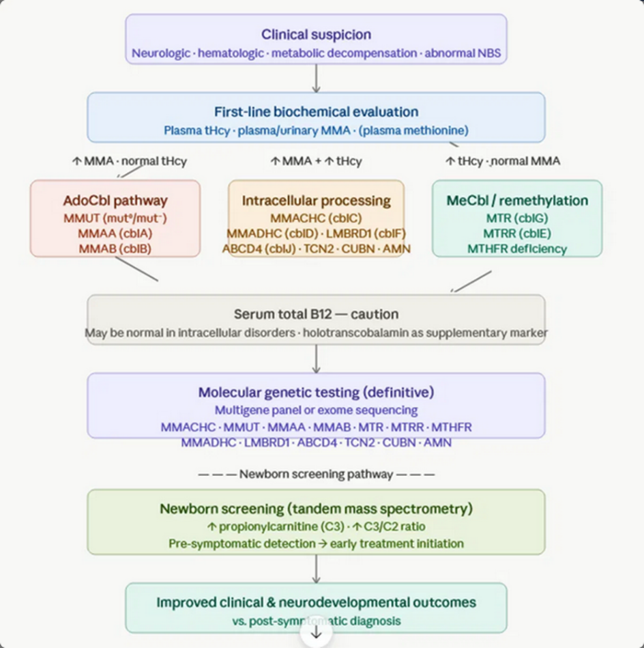
Figure 1: Diagnostic algorithm for inborn errors of cobalamin metabolism.
Figure Legend: Clinical suspicion arises from neurologic, hematologic (e.g., megaloblastic anemia), metabolic presentations, and/or abnormal newborn screening (↑ C3 and C3/C2 ratio). Initial biochemical testing includes plasma total homocysteine (tHcy) and methylmalonic acid (MMA). Isolated MMA elevation indicates defects in adenosylcobalamin synthesis or methylmalonyl-CoA mutase (MMUT, MMAA/cblA, MMAB/cblB). Isolated tHcy elevation suggests remethylation defects (MTR/cblG, MTRR/cblE, MTHFR deficiency). Combined MMA and tHcy elevation indicate intracellular cobalamin processing or transport disorders, most commonly MMACHC (cblC), as well as MMADHC (cblD), LMBRD1 (cblF), ABCD4 (cblJ), or transport defects (TCN2, CUBN, AMN). Serum vitamin B12 may be normal; holotranscobalamin may provide additional functional information. Definitive diagnosis relies on multigene panel or exome sequencing targeting the above genes. Newborn screening by tandem mass spectrometry (↑ C3, ↑ C3/C2) enables presymptomatic diagnosis and improved outcomes.
First-Line Biochemical Screening
Plasma total homocysteine (tHcy) and urine or plasma methylmalonic acid (MMA) are the pivotal initial investigations.19,24 Isolated MMA elevation without hyperhomocysteinaemia indicates impairment of adenosylcobalamin synthesis (cblA, cblB) or methylmalonyl-CoA mutase (mut⁰/mut⁻). Isolated tHcy elevation without MMA elevation suggests a defect in methylcobalamin synthesis or methionine synthase function (cblE, cblG) or methylenetetrahydrofolate reductase deficiency. Combined elevation of both MMA and tHcy is the biochemical fingerprint of proximal intracellular processing defects - most commonly cblC (MMACHC), cblD, cblF, cblJ - or of absorption and transport disorders [19,24,30].
A critical practical point: serum total cobalamin concentrations are frequently normal or only minimally reduced in inherited intracellular processing defects, because circulating cobalamin concentrations do not reflect intracellular cobalamin utilization. Holotranscobalamin (the biologically active fraction bound to transcobalamin) may provide a more sensitive functional marker in selected cases and should be measured when clinical suspicion is high despite apparently normal serum cobalamin [10,38].
Confirmatory Molecular Diagnosis
Definitive diagnosis requires molecular genetic testing. Multigene panels or exome-based sequencing covering MMACHC, MMAA, MMAB, MMADHC, MTRR, MTR, LMBRD1, ABCD4, MMUT, TCN2, CUBN, AMN, and MTHFR are preferred, given the substantial phenotypic overlap across complementation groups [19,24,36]. Functional cell-based complementation assays in fibroblasts, although less widely available, remain the reference standard for categorization into complementation groups when genotype-phenotype correlation is unclear.
Newborn Screening and Its Implications for Adult Internists
Tandem mass spectrometry-based newborn screening - detecting elevated propionylcarnitine (C3) and an increased C3/C2 acylcarnitine ratio - identifies most infants with methylmalonic acidemia, including cblC disease, before symptom onset [36,37,41]. Adult internists are increasingly encountering patients who were diagnosed through such programs and are transitioning from pediatric metabolic services. These patients require long-term multidisciplinary monitoring and may present new complications (renal, ophthalmological, neurological) in adulthood despite early treatment.
Treatment
Parenteral Hydroxocobalamin: Drug of Choice
For all cobalamin-responsive inherited intracellular processing disorders, parenteral hydroxocobalamin is the treatment of choice over cyanocobalamin, owing to superior plasma retention, cellular uptake, and intracellular conversion efficiency to the active cofactor forms [19,22]. In cblC, cblF, and cblJ disease, treatment typically consists of intramuscular or subcutaneous hydroxocobalamin 1 mg daily during acute decompensation, followed by individualized maintenance (several times weekly to daily), guided by plasma tHcy and MMA response [6,19].
Adjunctive Therapies
Betaine (trimethylglycine) promotes alternative remethylation of homocysteine via the betaine-homocysteine methyltransferase pathway, complementing the methionine synthase-dependent route, and is a standard adjunct in remethylation disorders [6,19]. Folinic acid (vitamin B9) provides additional one-carbon units for the remethylation cycle. Carnitine supplementation is indicated in cases of secondary carnitine depletion associated with organic acidemia. Dietary protein restriction is not routinely indicated in cblC, cblF, or cblJ disorders but may be considered in isolated methylmalonic acidemia with persistent metabolic instability [6,19].
Management of Cobalamin-Unresponsive Forms
Isolated methylmalonic acidemia due to methylmalonyl-CoA mutase deficiency (mut⁰/mut⁻) is generally cobalamin-unresponsive and is managed conservatively with protein restriction, aggressive prevention of catabolic stress, and carnitine supplementation [20,35]. By contrast, cblA disease retains cobalamin responsiveness and is associated with a more favorable metabolic and clinical outcome under hydroxocobalamin therapy [18,20].
Organ Transplantation
In severe methylmalonic acidemia refractory to optimal medical management, liver transplantation substantially reduces the systemic methylmalonic acid burden and the frequency of metabolic crises, improving short-term survival [25,27,28,32,33]. However, transplantation does not fully normalize metabolite production, and renal and neurological complications may persist post-transplantation, reflecting ongoing extra-hepatic MMA generation [25,27]. Kidney transplantation provides partial metabolic correction through restoration of enzymatic activity in renal tissue and has been used in selected patients with advanced renal disease [27,29]. Combined liver-kidney transplantation offers the greatest metabolite reduction in patients with both hepatic and renal dysfunction [25,27].
Emerging Therapies
Adeno-associated viral vector-mediated gene addition, lipid nanoparticle-delivered mRNA encoding methylmalonyl-CoA mutase, and CRISPR-based genome editing strategies are under active preclinical and early clinical investigation [30,31]. Preclinical studies in animal models demonstrate a selective growth advantage for corrected hepatocytes, supporting the feasibility of durable metabolic correction without solid-organ transplantation. These approaches represent the most promising future disease-modifying strategies for cobalamin-unresponsive methylmalonic acidaemia [30,31].
Practical Approach for the Adult Internist
When an adult patient presents with an unexplained combination of neurological or psychiatric symptoms, recurrent thromboembolic events, renal impairment, or atypical hematological findings, inherited disorders of cobalamin metabolism should be included in the differential diagnosis, irrespective of serum cobalamin concentration (Panel).
Panel: Diagnostic and Therapeutic Approach in Adult Medicine.
| When to Suspect an Inherited Cobalamin Disorder in Adults |
| Unexplained neurological syndrome (myelopathy, neuropathy, cognitive decline) regardless of age at onset |
| Treatment-refractory psychiatric presentation (depression, psychosis) in a young adult |
| Recurrent thromboembolic events without conventional risk factors |
| Unexplained renal impairment, proteinuria, or thrombotic microangiopathy |
| Normal or mildly abnormal serum cobalamin with hematological or neurological findings |
| Stepwise Evaluation |
| Step 1 - Plasma total homocysteine (tHcy) + methylmalonic acid (MMA): identify biochemical pattern |
| Step 2 - Holotranscobalamin if serum B12 is within normal limits but suspicion remains high |
| Step 3 - Multigene panel or exome sequencing (MMACHC, MMAA, MMAB, MMADHC, MTR, MTRR, LMBRD1, ABCD4, MMUT, TCN2, CUBN, AMN) |
| Step 4 - Refer to a metabolic disease center for treatment initiation and multidisciplinary follow-up |
| Treatment Principles |
| Parenteral hydroxocobalamin (1 mg IM or SC daily during decompensation; maintenance individualized) |
| Betaine (2-6 g/day orally) as remethylation support in combined disorders |
| Folinic acid and carnitine as indicated by metabolic profile |
| Monitor tHcy and MMA to guide dose adjustment; ophthalmological surveillance in cblC |
| For refractory forms: discuss liver or combined liver–kidney transplantation in multidisciplinary setting |
Transition from Pediatric to Adult Care
The transition from pediatric to adult care in inherited metabolic disorders, here on cobalamin metabolism, represents a critical and increasingly prominent challenge in contemporary metabolic medicine. Advances in diagnostic and therapeutic strategies have transformed many inherited metabolic disorders from rapidly fatal childhood diseases into chronic, life-long conditions, resulting in a growing population of adolescents who survive into adulthood and require ongoing specialist care within adult-oriented health systems. However, transition remains heterogeneous and often poorly structured, with risks of loss to follow-up, treatment non-adherence, and metabolic instability during late adolescence.
Consensus recommendations emphasize that transition should be understood not as a single administrative transfer but as a purposeful, planned, and multidisciplinary process that progressively fosters patient autonomy while ensuring continuity of highly specialized metabolic care across pediatric and adult services. Key elements include early initiation of transition planning, joint pediatric-adult clinics, structured education regarding disease self-management, and the involvement of internal medicine or adult metabolic specialists experienced in rare diseases. Importantly, successful transition requires integration of medical, psychological, and social dimensions, acknowledging the evolving cognitive and emotional maturity of adolescents with IMDs and the complexity of lifelong dietary, pharmacological, and biochemical monitoring.
Despite the availability of expert consensus frameworks, implementation remains inconsistent across health systems, underscoring the need for standardized transition models embedded within national reference networks for rare metabolic diseases.
Conclusion
Inherited disorders of cobalamin metabolism, long regarded as exclusively pediatric entities, represent a genuinely relevant diagnostic consideration for adult physicians and internists. The protean clinical manifestations - neuropsychiatric, thromboembolic, renal, and hematological - combined with the frequently normal serum cobalamin concentrations in intracellular processing defects, create a diagnostic gap that results in years of delay and preventable irreversible organ damage.
The diagnostic key is biochemical: plasma total homocysteine and methylmalonic acid, two readily available tests, provide the metabolic fingerprint that localizes the defect before confirmatory molecular analysis. Treatment with parenteral hydroxocobalamin, initiated promptly in confirmed or highly suspected cases, can halt and partially reverse multisystem complications. Even in delayed or advanced disease, treatment reduces metabolic burden and stabilizes progression.
As expanded newborn screening programs generate a growing cohort of adult survivors with inherited cobalamin disorders, and as gene-based and mRNA therapies advance toward clinical use, internists and adult metabolic medicine specialists must develop familiarity with these conditions. Collaborative management involving internal medicine, neurology, nephrology, ophthalmology, and inherited metabolic disease services remains essential to optimize long-term outcomes in this challenging but increasingly manageable group of disorders [36,37,40].
Key Messages
Inherited disorders of intracellular cobalamin metabolism - particularly late-onset cblC disease and related remethylation defects - should be suspected in adults with unexplained neurological or psychiatric syndromes, recurrent thrombosis, renal impairment, or atypical hematological findings, even when serum vitamin B12 concentrations are within normal limits.
Plasma total homocysteine and methylmalonic acid are the pivotal first-line biochemical tests; combined elevation indicates proximal intracellular processing defects (cblC, cblD, cblF, cblJ), whereas isolated elevation of either metabolite narrows the differential to specific pathway lesions.
Parenteral hydroxocobalamin is the treatment of choice, offering superior intracellular retention and cofactor activation compared with cyanocobalamin; adjunctive betaine, folinic acid, and carnitine supplementation optimize metabolic control.
Delayed diagnosis leads to irreversible neurological injury, progressive chronic kidney disease, and recurrent vascular events; early treatment can stabilize and, in some cases, partially reverse multisystem complications.
In cobalamin-unresponsive forms, liver or combined liver–kidney transplantation reduces systemic metabolite burden; gene-addition and mRNA-based therapies currently under investigation offer the prospect of durable enzymatic correction without solid-organ transplantation.
Declarations
Contributors
EA conceived and supervised the work, provided critical intellectual revision, and approved the final manuscript. JET and NLV contributed to literature review, data synthesis, and drafting. All authors critically revised the manuscript and approved the final version.
Data Sources and Tools
Literature review and manuscript preparation were informed by structured searches of PubMed and Google Scholar. Reference management was performed using EndNote. Artificial intelligence-assisted drafting and language refinement were performed using ChatGPT and Claude (Anthropic) as supportive tools; all scientific content was verified and curated by the authors.
Conflict of Interest
The authors declare that they have no competing interests.
Acknowledgments
The authors thank the patients, their families, and the clinicians and researchers of the CARE B12 Group (Groupe d'Étude des CAREnces en vitamine B12, Strasbourg) for their contributions to the advancement of knowledge in inherited disorders of cobalamin metabolism.
References
- Hannibal, L., Jacobsen, D. W. (2022). Intracellular Processing of Vitamin B12 by MMACHC (CblC). Vitamins and Hormones, 119:275-298.
Publisher | Google Scholor - Kalantari, S., Brezzi, B., Bracciamà, V., Barreca, A., Nozza, P., et al. (2022). Adult-Onset CblC Deficiency: A Challenging Diagnosis Involving Different Adult Clinical Specialists. Orphanet Journal of Rare Diseases, 17(1):33.
Publisher | Google Scholor - Wu, S. N., E, H. S., Yu, Y., Ling, S. Y., Liang, L. L., et al. (2024). Variable Phenotypes and Outcomes Associated with The MMACHC c. 482G> A Mutation: Follow-Up in A Large CblC Disease Cohort. World Journal of Pediatrics, 20(8):848-858.
Publisher | Google Scholor - Bourque, D. K., Mellin-Sanchez, L. E., Bullivant, G., Cruz, V., Feigenbaum, A., et al. (2021). Outcomes of Patients with Cobalamin C Deficiency: A Single Center Experience. JIMD Reports, 57(1):102-114.
Publisher | Google Scholor - Liu, X., Xiao, H., Yao, Y., Wang, S., Zhang, H., et al. (2023). Prominent Renal Complications Associated with MMACHC Pathogenic Variant c. 80A> G in Chinese Children with Cobalamin C Deficiency. Frontiers in Pediatrics, 10:1057594.
Publisher | Google Scholor - Carrillo-Carrasco, N., Chandler, R. J., Venditti, C. P. (2012). Combined Methylmalonic Acidemia and Homocystinuria, cblC Type. I. Clinical Presentations, Diagnosis and Management. Journal of Inherited Metabolic Disease: Official Journal of the Society for the Study of Inborn Errors of Metabolism, 35(1):91-102.
Publisher | Google Scholor - Lerner-Ellis, J. P., Tirone, J. C., Pawelek, P. D., Doré, C., Atkinson, J. L., et al. (2006). Identification of The Gene Responsible for Methylmalonic Aciduria and Homocystinuria, cblC Type. Nature Genetics, 38(1):93-100.
Publisher | Google Scholor - Fedosov, S. N., Berglund, L., Fedosova, N. U., Nexø, E., Petersen, T. E. (2002). Comparative Analysis of Cobalamin Binding Kinetics and Ligand Protection for Intrinsic Factor, Transcobalamin, and Haptocorrin. Journal of Biological Chemistry, 277(12):9989-9996.
Publisher | Google Scholor - Fedosov, S. N. (2011). Physiological and Molecular Aspects of Cobalamin Transport. Water Soluble Vitamins: Clinical Research and Future Application, 347-367.
Publisher | Google Scholor - Seetharam, B. (1999). Receptor-Mediated Endocytosis of Cobalamin (Vitamin B12). Annual Review of Nutrition, 19(1):173-195.
Publisher | Google Scholor - Kapadia, C. R., Donaldson Jr, R. M. (1985). Disorders of Cobalamin (Vitamin B12) Absorption and Transport. Annual Review of Medicine, 36:93-110.
Publisher | Google Scholor - Sennett, C., Rosenberg, L. E., Mellman, I. S. (1981). Transmembrane Transport of Cobalamin in Prokaryotic and Eukaryotic Cells. Annual Review of Biochemistry, 50(1):1053-1086.
Publisher | Google Scholor - Watkins, D., Rosenblatt, D. S. (2011). Inborn Errors of Cobalamin Absorption and Metabolism. In American Journal of Medical Genetics Part C: Seminars in Medical Genetics. Hoboken: Wiley Subscription Services, Inc., A Wiley Company. 157(1):33-44.
Publisher | Google Scholor - Watkins, D., Rosenblatt, D. S. (2013). Lessons in Biology from Patients with Inborn Errors of Vitamin B12 Metabolism. Biochimie, 95(5):1019-1022.
Publisher | Google Scholor - Coelho, D., Suormala, T., Stucki, M., Lerner-Ellis, J. P., Rosenblatt, D. S., et al. (2008). Gene Identification for the cblD Defect of Vitamin B12 Metabolism. New England Journal of Medicine, 358(14):1454-1464.
Publisher | Google Scholor - Dobson, C. M., Wai, T., Leclerc, D., Kadir, H., Narang, M., et al. (2002). Identification of The Gene Responsible for the cblB Complementation Group of Vitamin B12-Dependent Methylmalonic Aciduria. Human Molecular Genetics, 11(26):3361-3369.
Publisher | Google Scholor - Huemer, M., Diodato, D., Schwahn, B., Schiff, M., Bandeira, A., et al. (2017). Guidelines for Diagnosis and Management of The Cobalamin-Related Remethylation Disorders cblC, cblD, cblE, cblF, cblG, cblJ and MTHFR Deficiency. Journal of Inherited Metabolic Disease, 40(1):21-48.
Publisher | Google Scholor - Merinero, B., Perez, B., Pérez-Cerdá, C., Rincon, A., Desviat, L. R., et al. (2008). Methylmalonic Acidaemia: Examination of Genotype and Biochemical Data In 32 Patients Belonging to Mut, cblA or cblB Complementation Group. Journal of Inherited Metabolic Disease: Official Journal of the Society for the Study of Inborn Errors of Metabolism, 31(1):55-66.
Publisher | Google Scholor - Hakami, N., Neiman, P. E., Canellos, G. P., Lazerson, J. (1971). Neonatal Megaloblastic Anemia Due to Inherited Transcobalamin II Deficiency in Two Siblings. New England Journal of Medicine, 285(21):1163-1170.
Publisher | Google Scholor - Trakadis, Y. J., Alfares, A., Bodamer, O. A., Buyukavci, M., Christodoulou, J., et al. (2014). Update on Transcobalamin Deficiency: Clinical Presentation, Treatment and Outcome. Journal of Inherited Metabolic Disease, 37(3):461-473.
Publisher | Google Scholor - Lin HY, Lee CH, Chang YJ, et al. (2022). Novel TCN2 Mutation Expanding Phenotype. Orphanet Journal of Rare Diseases. 17:172.
Publisher | Google Scholor - Sloan, J. L., Manoli, I., Venditti, C. P. (2015). Liver or Combined Liver-Kidney Transplantation for Patients with Isolated Methylmalonic Acidemia: Who and When? The Journal of Pediatrics, 166(6):1346-1350.
Publisher | Google Scholor - Niemi, A. K., Kim, I. K., Krueger, C. E., Cowan, T. M., Baugh, N., et al. (2015). Treatment of Methylmalonic Acidemia by Liver or Combined Liver-Kidney Transplantation. The Journal of Pediatrics, 166(6):1455-1461.
Publisher | Google Scholor - Kasahara, M., Horikawa, R., Tagawa, M., Uemoto, S., Yokoyama, S., et al. (2006). Current Role of Liver Transplantation for Methylmalonic Acidemia: A Review of The Literature. Pediatric Transplantation, 10(8):943-947.
Publisher | Google Scholor - Zhou, G. P., Jiang, Y. Z., Wu, S. S., Kong, Y. Y., Sun, L. Y., et al. (2021). Liver Transplantation for Propionic Acidemia: Evidence from A Systematic Review and Meta-Analysis. Transplantation, 105(10):2272-2282.
Publisher | Google Scholor - Brassier, A., Boyer, O., Valayannopoulos, V., Ottolenghi, C., Krug, P., et al. (2013). Renal Transplantation in 4 Patients with Methylmalonic Aciduria: A Cell Therapy for Metabolic Disease. Molecular Genetics and Metabolism, 110(1-2):106-110.
Publisher | Google Scholor - Chandler, R. J., Venditti, C. P. (2016). Gene Therapy for Metabolic Diseases. Translational Science of Rare Diseases, 1(1):73-89.
Publisher | Google Scholor - Venturoni, L. E., Chandler, R. J., Liao, J., Hoffmann, V., Ramesh, N., et al. (2022). Growth Advantage of Corrected Hepatocytes in A Juvenile Model of Methylmalonic Acidemia Following Liver Directed Adeno-Associated Viral Mediated Nuclease-Free Genome Editing. Molecular Genetics and Metabolism, 137(1-2):1-8.
Publisher | Google Scholor - Jiang, Y. Z., Zhou, G. P., Wei, L., Qu, W., Zeng, Z. G., et al. (2024). Long-Term Clinical Outcomes and Health-Related Quality of Life in Patients with Isolated Methylmalonic Acidemia After Liver Transplantation: Experience from The Largest Cohort Study in China. World Journal of Pediatrics, 20(8):809-821.
Publisher | Google Scholor - Pillai, N. R., Stroup, B. M., Poliner, A., Rossetti, L., Rawls, B., et al. (2019). Liver Transplantation in Propionic and Methylmalonic Acidemia: A Single Center Study with Literature Review. Molecular Genetics and Metabolism, 128(4):431-443.
Publisher | Google Scholor - Acquaviva, C., Benoist, J. F., Pereira, S., Callebaut, I., Koskas, T., et al. (2005). Molecular Basis of Methylmalonyl-Coa Mutase Apoenzyme Defect in 40 European Patients Affected by Mut and Mut-Forms of Methylmalonic Acidemia: Identification of 29 Novel Mutations in The MUT Gene. Human Mutation, 25(2):167-176.
Publisher | Google Scholor - Zhou, W., Li, H., Wang, C., Wang, X., Gu, M. (2019). Newborn Screening for Methylmalonic Acidemia in A Chinese Population: Molecular Genetic Confirmation and Genotype Phenotype Correlations. Frontiers in Genetics, 9:726.
Publisher | Google Scholor - Ling, S., Wu, S., Shuai, R., Yu, Y., Qiu, W., et al. (2024). Clinical Outcomes of Patients with Mut-Type Methylmalonic Acidemia Identified Through Expanded Newborn Screening in China. Human Genomics, 18(1):84.
Publisher | Google Scholor - Nexo, E., Hoffmann-Lücke, E. (2011). Holotranscobalamin, A Marker of Vitamin B-12 Status: Analytical Aspects and Clinical Utility. The American Journal of Clinical Nutrition, 94(1):359S-365S.
Publisher | Google Scholor - Rosenblatt, D. S., Whitehead, V. M. (1999). Cobalamin and Folate Deficiency: Acquired and Hereditary Disorders in Children. In Seminars in Hematology, 36(1):19-34.
Publisher | Google Scholor - Held, P. K., Singh, E., Scott Schwoerer, J. (2022). Screening for Methylmalonic and Propionic Acidemia: Clinical Outcomes and Follow-Up Recommendations. International Journal of Neonatal Screening, 8(1):13.
Publisher | Google Scholor - Dionisi-Vici, C., Deodato, F., Röschinger, W., Rhead, W., Wilcken, B. (2006). ‘Classical’Organic Acidurias, Propionic Aciduria, Methylmalonic Aciduria and Isovaleric Aciduria: Long-Term Outcome and Effects of Expanded Newborn Screening Using Tandem Mass Spectrometry. Journal of Inherited Metabolic Disease, 29(2-3):383-389.
Publisher | Google Scholor - Nexo, E., Hoffmann-Lücke, E. (2011). Holotranscobalamin, A Marker of Vitamin B-12 Status: Analytical Aspects and Clinical Utility. The American Journal of Clinical Nutrition, 94(1):359S-365S.
Publisher | Google Scholor - Langan, R. C., Goodbred, A. J. (2017). Vitamin B12 Deficiency: Recognition and Management. American Family Physician, 96(6):384-389.
Publisher | Google Scholor - Therrell Jr, B. L., Lloyd-Puryear, M. A., Eckman, J. R., Mann, M. Y. (2015). Newborn Screening for Sickle Cell Diseases in The United States: A Review of Data Spanning 2 Decades. Seminars in Perinatology, 39(3):238-251.
Publisher | Google Scholor - Andrès, E., Loukili, N. H., Noel, E., Kaltenbach, G., Abdelgheni, M. B., et al. (2004). Vitamin B12 (Cobalamin) Deficiency in Elderly Patients. Canadian Medical Association Journal, 171(3):251-259.
Publisher | Google Scholor