

Research Article
In Vivo Evaluation of Medicago sativa Leaf Extract for Antidiarrheal Activity in Wistar Rats
1 Department of Pharmacology and Therapeutics, College of Medicine and Health Sciences, Gregory University, Uturu, Abia, Nigeria.
2 Department of Internal Medicine, College of Medicine and Health Sciences, Abia State University, Uturu, Nigeria.
3 Department of Chemical Pathology, College of Medicine and Health Sciences, Abia State University, Uturu, Nigeria.
4 Department of Anatomical Pathology, College of Medicine and Health Sciences, Abia State University, Uturu, Nigeria.
*Corresponding Author: Donatus O. Anele, Department of Pharmacology and Therapeutics, College of Medicine and Health Sciences, Gregory University, Uturu, Abia, Nigeria.
Citation: Donatus O. Anele1, Uwa N. Onwuchekwa, Michael C. Orih, Franklin E. Igwe, and Dike Onwubiko. (2026). In Vivo Evaluation of Medicago sativa Leaf Extract for Antidiarrheal Activity in Wistar Rats, Journal of Clinical Pharmacy and Pharmacology, BioRes Scientia Publishers. 1(1):1-7. DOI: 10.59657/JCPP.brs.26.004
Copyright: © 2026 Donatus O. Anele, this is an open-access article distributed under the terms of the Creative Commons Attribution License, which permits unrestricted use, distribution, and reproduction in any medium, provided the original author and source are credited.
Received: October 07, 2026 | Accepted: October 21, 2026 | Published: October 30, 2026
Abstract
This research investigates the in vivo antidiarrheal activity of Medicago sativa (Alfalfa) leaf extract in Wistar rats. The plant material was collected from farms in Owerri West, Nigeria, identified, and authenticated. The extraction process involved air-drying, pulverization, and ethanol extraction, yielding a dry extract. The extract was reconstituted to create doses of 200, 400, and 600 mg/kg for administration to 90 adult Wistar rats. The study employed three models: castor oil-induced diarrhea, gastrointestinal motility (charcoal meal), and castor oil-induced intestinal fluid accumulation. Statistical analysis utilized SPSS version 20 with one-way ANOVA and Dunnett’s multiple comparison test. The results demonstrate a dose-dependent and significant antidiarrheal effect of M. sativa leaf extract. In the castor oil-induced diarrhea model, the extract reduced fecal frequency, delayed onset, and lowered severity, with the highest effect at 600 mg/kg compared to a positive control (Loperamide). Gastrointestinal motility was inhibited by the extract in a dose-dependent manner, achieving maximum effect at 600 mg/kg, comparable to atropine sulfate. The castor oil-induced intestinal fluid accumulation model revealed a significant decrease in fluid volume at 600 mg/kg, exhibiting a potent inhibitory effect. This study provides compelling evidence of Medicago sativa leaf extract's potential as an antidiarrheal agent in Wistar rats. Further investigations could explore its mechanism of action and safety profile, contributing valuable insights to the development of novel antidiarrheal therapies.
Keywords: Medicago sativa; antidiarrheal activity, wistar rats; ethanol leaf extract; gastrointestinal motility; castor oil-induced diarrhea; enteropooling
Introduction
Diarrheal diseases remain a significant global health concern, particularly in developing countries, contributing to substantial morbidity and mortality rates, especially among children. The World Health Organization (WHO) estimates that diarrhea is responsible for approximately 1.6 million deaths annually, making it one of the leading causes of death in children under five years old [1]. The condition is often associated with microbial infections, ingestion of contaminated water or food, and various other factors compromising gastrointestinal health.
Antidiarrheal agents play a crucial role in managing and preventing diarrhea, providing relief from symptoms and reducing the impact on overall health. Traditional medicinal plants have been a valuable source of natural compounds with therapeutic potential, including those possessing antidiarrheal properties. Medicago sativa, commonly known as Alfalfa, has been traditionally used in folk medicine for various health conditions, and there is a growing interest in exploring its pharmacological activities.
Medicago sativa is a perennial herb known for its rich nutritional content and potential health benefits. Previous research has reported its anti-inflammatory, antioxidant, and antimicrobial properties [2,3]. However, the specific antidiarrheal effects of Medicago sativa, particularly in vivo, have not been comprehensively explored.
In this context, the proposed research aims to conduct an in-depth evaluation of the antidiarrheal activity of Medicago sativa leaf extract in Wistar rats. The study will involve the extraction of active compounds from Medicago sativa leaves, administration of different doses to rat models, and assessment of its impact on various diarrhea-induced parameters.
Previous studies have demonstrated the effectiveness of plant extracts in managing diarrhea through mechanisms such as reducing intestinal motility, inhibiting fluid accumulation, and exerting anti-inflammatory effects [4,5]. Understanding the potential antidiarrheal mechanisms of Medicago sativa could contribute valuable insights to the development of novel therapeutic agents.
The choice of Wistar rats as an animal model is based on their well-established use in pharmacological research due to their physiological and genetic similarity to humans. The study design, including the use of castor oil-induced diarrhea models and gastrointestinal motility assessments, aligns with established methodologies for evaluating antidiarrheal properties [6,7].
This research is expected to provide scientific evidence supporting the traditional use of Medicago sativa in managing diarrhea and could potentially contribute to the development of new antidiarrheal agents derived from natural sources.
Materials and Methods
Plant Collection and Identification
Fresh leaves of Medicago sativa (Alfalfa) were collected from farms at Obinze and Eziobodo, both in Owerri West Local Government Area of Imo State, Nigeria. The plant was identified and authenticated by Mr. Ibe Ndukwe, a taxonomist in the Department of Forestry, College of Environmental Sciences, Michael Okpara University of Agriculture, Umudike, Abia State and a sample specimen MOUAU/ZEB/21/009 was deposited in the University herbarium for reference.
Extraction of Plant Materials
The leaves were sliced into pieces, air-dried at room temperature, and pulverized into powder using a Waring commercial blender. Eight hundred grams (800 g) of the coarse powder of M. sativa leaves were weighed by a sensitive digital weighing balance. The powder was soaked in a flask containing 80% ethanol (2.5 L w/v) and then placed on a shaker with occasional shaking for 48 hours at room temperature. The mixture formed was filtered using Whatman (No.1) filter paper, and the filtrate was concentrated using a rotary evaporator and dried in a water bath to give a yield of 30.45 g (4 % w/w) dry extract with a greenish colour. It was preserved in a refrigerator at 4 for further analysis. The extract was later reconstituted in distilled water to give desired doses of 200 mg/kg, 400 mg/kg, and 600 mg/kg body weight. The percentage yield was calculated using the formula of Ezirim et al. [8] as stated below:

Experimental Animals
Ninety (90) Adult Wistar rats (200 – 250 g) of either sex were used in this study. The animals were sourced from the Department of Zoology, Faculty of Biological Sciences, University of Nigeria, Nsukka. They were kept in the animal house of the Department of Pharmacology and Therapeutics, College of Medicine and Health Sciences, Abia State University, Uturu, Abia State. The animals were acclimatized for 14 days prior to the experiment. They were fed a standard diet (Ladokun feeds, Ibadan) and had access to water ad libitum. They were maintained under standard conditions of humidity, temperature, and 12 hours light and 12-hour darkness cycle. The animals were used in accordance with the National Institute of Health guide for the care and use of Laboratory Animals [9].
Determination of Anti-Diarrhoeal Activity
Castor oil-induced Diarrhoeal Model
The procedure outlined by Qnais et al. [6] was used for the test. Thirty Wistar rats were used for this test and were divided into five groups of six rats each. They were kept at 25°C room temperature was fasted for 24 hours but had access to water prior to the commencement of the experiment. Each animal (rat) was placed in a separate cage with blotting paper lined on the floor. Group A was untreated and served as the control group; groups B, C, and D were orally administered 200 mg/kg, 400 mg/kg, and 600 mg/kg of the M. sativa extract, respectively; and group E was exposed to 4 mg/kg of Loperamide (positive control). After 30 minutes of treatment, each of the rats was orally given 1 mL of castor oil. The severity of diarrhea was monitored for a period of 5 hours. The total number of diarrhea (drops) was recorded and compared with the controls. The percentage (%) inhibition of diarrhea was calculated following the formula:
% Inhibition of defecation = 
Where A is the mean number of defecations caused by castor oil, and B is the mean number of defecations caused by drug or extract.
Gastrointestinal Motility Model (Charcoal Meal)
The method described by Holzer [10] was used. Fasted rats (as previously described) were divided into five groups of six rats in each cage. The control group received 10 mL/kg of distilled water orally. Animals in the second, third, and fourth groups received 200, 400, and 600 mg/kg of the fraction, respectively, whereas those in the positive control received atropine sulphate (5 mg/kg). After 30 min, the animals were all given 1 mL of charcoal meal (10% charcoal suspension in 5% tragacanth) orally. After 30 minutes, the animals were sacrificed by cervical dislocation; the abdomen was opened, and the small intestine was isolated immediately. The small intestine of each animal was excised, and the distance travelled by the charcoal meal was expressed as a percentage of the length of the small intestine according to the expression:

Castor oil-induced intestinal fluid accumulation model
The procedure described by Shoba and Thomas [7] was adopted in the castor oil-induced enteropooling study. The test animals were deprived of food for 24 hours prior to the study. They were assigned to five groups of six animals each. Animals in the positive and negative control groups orally received 4 mg/kg of Loperamide and 20 mL of distilled water, respectively, whereas those in the test groups received 200, 400, and 600 mg/kg of the leaf extracts. Immediately after these administrations, 1 mL of castor oil was administered orally to each rat in all the groups. After 30 minutes, the rats were sacrificed. The small intestine was excised, and the intestinal contents were milked quantitatively into a measuring cylinder to obtain the volume and mass of the intestinal content. The percentage of inhibition of intestinal content was determined by using the following formula.

Statistical Analysis
Results were expressed as means ± SEM and analyzed with Statistical Package for the Social Sciences (SPSS version 20) by using one-way analysis of variance (ANOVA) followed by Dunnett’s multiple comparison test. A difference in the mean P <0.05 was considered statistically significant.
Results
The 200 mg/kg, 400 mg/kg, and 600 mg/kg of the ethanol leaf extract of M. sativa produced a dose-dependent and significant (p <0.05) protection of rats against castor oil-induced diarrhoea, which led to a decreased number of feces. The ethanol leaf delayed the onset of castor oil-induced diarrhoea, decreased the frequency of defecation (number of wet feces and total number of feces), and reduced the severity of diarrhoea in rats. Loperamide (4 mg/kg), a standard antidiarrhoeal drug produced a significant inhibitory effect (p<0.01) (Table 1 and Fig. 1). The oral administration of the leaf extract produced a dose-dependent and significant (p < 0.05) effect and slowed the propulsive movement and transit of the charcoal meal. Atropine sulphate at 5 mg/kg showed a greater antimotility effect than 400 mg/kg of the leaf extract used. However, the maximum effect of the leaf extract was achieved at 600 mg/kg (Table 2 and Fig. 2). The ethanol leaf extract of M. sativa dose - dependently and significantly (p < 0.05) decreased the volume of intestinal fluid, with a corresponding increase in inhibition of the intestinal fluid content in the castor oil-induced intestinal fluid accumulation model. The highest effect on the volume of intestinal content was achieved at 600 mg/kg, as shown in table 3 and Fig 3.
Table 1: Effect of M. sativa Ethanol leaf extract on Castor Oil-induced Diarrhoea in rats
| Treatment | Mean diarrhea frequency (4 h) | % Inhibition | |
| Control | 0.2 mL | 12.17±0.87 | 0.0 |
| M. sativa | 200 mg/kg | 4.33±0.67 | 64a |
| M. sativa | 400 mg/kg | 2.80±0.65 | 77b |
| M. sativa | 600 mg/kg | 1.33±0.56 | 89b |
| Loperamide | 4 mg/kg | 1.00±0.52 | 92b |
One-way ANOVA + Dunnett’s post hoc test (n=6). a P<0.05, b P<0.01 compared to control.
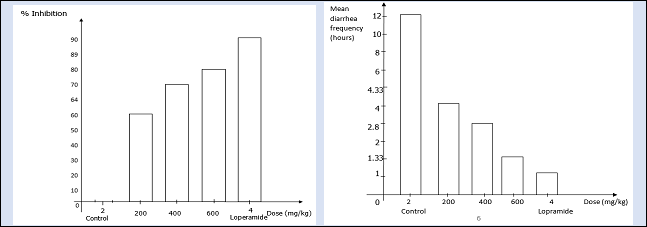
Figure 1: Bar Chart of M. sativa extract and castor oil-induced Diarrhea.
Table 2: Effect of M. sativa ethanol leaf extract on intestinal transit in rats
| Treatment | Intestinal length (cm) | Distance covered by Charcoal % meal (cm) | Inhibition (%) |
| Control 0.2 mL | 88.83±1.81 | 86.17±2.07 | 0 |
| M. sativa 200 mg/kg | 86.50 ± 2.46 | 27.17±2.07 | 70b |
| M. sativa 400 mg/kg | 86.00 ± 1.88 | 21.17 ± 2.75 | 75b |
| M. sativa 600 mg/kg | 82.50 ± 1.84 | 13.50 ± 1.35 | 84b |
| Atropine 5 mg/kg | 84.50±1.61 | 11.83±1.05 | 86b |
One-way ANOVA + Dunnett’s post hoc test (n=6). b P<0.01 compared to control
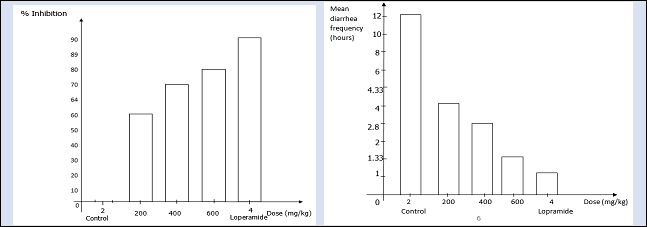
Figure 2: Bar Chart of M. sativa extract and intestinal transit (charcoal meal)
Table 3: Effect of M. sativa Ethanol leaf Extract on Castor oil-induced Intestinal accumulation in rats (Enteropooling).
| Treatment | Intestinal fluid (mL) | % Inhibition of intestinal fluid volume |
| Control 0.2mL | 3.70±0.08 | 0.0 |
| M. sativa 200 mg/kg | 1.35 ± 0.03 | 64a |
| M. sativa 400 mg/kg | 0.87 ± 0.18 | 77b |
| M. sativa 600 mg/kg | 0.42 ± 0.18 | 87b |
| Loperamide 4 mg/kg | 0.37 ± 0.12 | 90b |
One-way ANOVA + Dunnett’s post hoc test (n=6). a P<0.05, b P<0.01 compared to control.
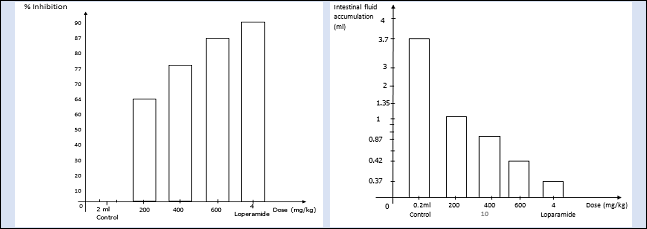
Figure 3: Bar Chart of M.sativa extract and intestinal accumulation (Enteropooling)
Discussion
Diarrhea is one of the most common and serious diseases in almost all tropical countries of the world. It is a principal cause of morbidity and mortality as a result of fluid loss and severe dehydration among children in developing countries [11]. Despite the availability of a vast spectrum of orthodox drugs for diarrheal control, the majority of people in many developing countries still rely on herbal agents for the management of the disease [12]. Many plants in Nigeria have been reported to be effective against diarrhea and dysentery, as they were used by local communities as traditional folklore medicine.
This study used castor oil in three models to induce diarrhea. This chemical induced diarrhea through a pathophysiological mechanism that may be caused by its active metabolite(s). Castor oil is known to be metabolized into ricinoleic acid, a hydroxylated fatty acid, by the action of intestinal lipases in the intestinal lumen, and considerable amounts of ricinoleic acid were absorbed in the intestine [13]. The release of recinoleic acid resulted in the irritation and inflammation of the intestinal mucosa, leading to the liberation of inflammatory mediators, viz. histamine, prostaglandins, and others [14]. The metabolites-initiated diarrhea by binding to EP3 prostanoid receptors on smooth muscle cells. However, the liberated prostaglandins promoted vasodilation, mucus secretion, and contraction of the smooth muscles in the small intestines. The prostaglandin E series is known to be diarrhoegenic in both laboratory animals and in humans. Ricinoleic acid is shown to increase sodium and water secretion through its ultrastructural alterations in the villous tips of the intestinal mucosa to bring about diarrhea as observed in the animals of this study [15,16]. Other studies indicated that hydroxy fatty acids (including ricinoleic acid) include fluid and electrolyte secretion secondary to their stimulation of an active anion secretory process [17]. Normal intestinal fluid absorption was also impaired by castor oil through inhibition of intestinal  ATPase activity [18]. In addition, castor oil (ricinoleic acid) also altered the motility of GI smooth muscles. Therefore, the use of castor oil as a diarrhea inducer for all models was plausible, as it minimized the pathophysiologic processes. Ricinoleate stimulated endogenous secretion of the prostaglandin [19].
Disruption of prostaglandin biosynthesis might shorten castor oil-induced diarrhea. It was also documented that loperamide (the standard drug used as an antidiarrheal agent in this study), antagonized the diarrhea induced by castor oil, and these actions were due to anti-secretory and antimotility properties [20].
In the gastrointestinal motility test model, the ethanol leaf extract of M. Savita reduced gastrointestinal motility in castor-oil-treated rats as shown by the reduction in gastrointestinal movement of charcoal meal. The extract had been shown to decrease the intestinal fluid accumulation [14]. This suggested that the plant leaf extract might decrease water and electrolyte secretion to the intestinal lumen while promoting their absorption, which in turn could decrease intestinal overload and distension, leading to a decrease in intestinal motility (longer time for absorption) and water content of the feacal drugs, hence overall reduction in the total number of defecation instances and diarrheal drops in treated groups. This was consistent with the mechanism of action of Loperamide for its antidiarrheal effect as presented in the literature [21].
Furthermore, the extract was reported to possess anticholinergic activity and caused reduction in intestinal motility and secretion, which was in agreement with the action of atropine on the intestine [22]. The charcoal passage test was commonly used to determine the effect of the test substances on gut motility. Atropine blocks M1 receptors on gastric parietal cells and helps in the reduction of gastric secretions. It also blocked M3 receptors on visceral smooth muscles and decreased the tone and amplitude of these organs [23].
Hence, atropine was used as a standard antisecretory drug for comparison in the charcoal passage test. The ethanol leaf extract in the castor oil-induced GI motility test significantly reduced charcoal meal transit in the GIT, thus leading to relaxation of the gut muscles and showing decreased motility [24]. This assumption was further supported by the antispasmodic effect of the leaf extract of this plant by antagonizing the actions of acetylcholine [25]. The presence of Tannins in the leaf extract had been demonstrated to inhibit GI movement by reducing the intracellular  inward current or by activation of the calcium pumping system [26] as well as by forming protein tannates which made the intestinal mucosa resistant and hence reduced peristaltic movement [27]. The presence of terpenoids in the leaf extract demonstrated antispasmodic activity and had an inhibitory effect on GI motility [28,29].
In a castor oil-induced intestinal fluid accumulation study, the leaf extract demonstrated significant reductions in water content at different doses, as well as frequency of defecation and intestinal fluid accumulation. The remarkable inhibition of castor oil-induced intestinal fluid in rats showed that the extract might produce relief in diarrhea through its spasmolytic and anti-intestinal fluid accumulation effects. Similar to the findings in the castor oil – induced diarrhea model, all doses of the leaf extract showed significant reduction in the volume of intestinal fluid compared with the negative controls. The percentage reduction in volume of intestinal content increased with the dose of the extract. This result demonstrated that the effect of this plant’s leaf extract on percent inhibition of castor oil-induced intestinal fluid accumulation is increased as its doses increased. The results revealed that the effect of the highest dose of the leaf on intestinal fluid accumulation was found to be closer to and comparable with the inhibitory effect of Loperamide.
The findings in this study might indicate that the leaf extract has a significant antisecretory effect, and this contributed to its antidiarrheal effect as seen in the castor oil-induced diarrhea model. Reports in the literature showed that terpenoids, flavonoids, and tannins inhibit the active secretion of ricinoleic acid, resulting in the activation of  ATPase activity that promotes absorption of
 and
 in the intestinal mucosa [30], which is linked with a decrease in frequency of feaces. They are shown to promote colonic absorption of water and electrolytes [28]. Studies showed that ricinoleic acid might activate the nitric oxide pathway and induce nitric oxide-dependent gut secretion [31]. Other studies also confirmed that NO was involved in the causation of diarrhea, and this was counteracted by agents that inhibit NO synthesis [25].
In this study, the ethanol leaf extract of Medicago sativa had been shown to inhibit castor oil-induced diarrheal episodes, intestinal secretion, and motility, which might be produced by the phytochemical constituents. These results could be taken as scientific evidence that the leaf of this plant had strong antidiarrheal activity. Also, this plant was found to be safe, as no sign of toxicity was noted in the acute oral toxicity test, which indicates that the plant was tolerable and safe.
Conclusion
Medicago sativa leaf extract showed promising antidiarrheal effects in Wistar rats, suggesting its potential therapeutic use. Further studies are warranted to elucidate the underlying mechanisms and evaluate its safety and efficacy in humans, contributing valuable insights to the development of novel antidiarrheal therapies.
Declarations
Consent for publication
It is not applicable
Ethical Approval
As per international standard or university standard written ethical approval has been collected and preserved by the author(s).
Availability of data and material
The datasets used and/or analyzed during the current study are available from the corresponding author on reasonable request
Competing Interests
Authors have declared that no competing interests exist
References
- World Health Organization. (2021). Diarrhoeal disease.
Publisher | Google Scholor - Sosnowska, J., Balslev, H., Bülow-Olsen, A., De Boer, H. J., Soelberg, J., & Asase, A. (2019). A review of botanical characteristics, traditional usage, chemical composition, pharmacological activities, and safety of Persea americana (avocado). Journal of Ethnopharmacology, 241:111979.
Publisher | Google Scholor - Rigau, B., Yost, M., DeGrandi-Hoffman, G., & Hooven, L. A. (2020). Alfalfa plantations are important habitats for wild bees in an agricultural landscape. Scientific Reports, 10(1), Article 1–12.
Publisher | Google Scholor - Nuhu, A. A., Madaki, F. M., & Samuel, T. S. (2018). Antidiarrhoeal activity of methanolic leaf extract of Terminalia avicennioides in rats. Journal of Advances in Medical and Pharmaceutical Sciences, 16(2):1–10.
Publisher | Google Scholor - Mukinda, J. T., & Syce, J. A. (2007). Acute and chronic toxicity of the aqueous extract of Artemisia afra in rodents. Journal of Ethnopharmacology, 112(1):138–144.
Publisher | Google Scholor - Qnais, E. Y., Abu-Dieyeh, M., Abdulla, F. A., & Abdalla, S. S. (2007). The antidiarrheal activity of the aqueous extract of Punica granatum (pomegranate) peels. Pharmaceutical Biology, 45(9):715–720.
Publisher | Google Scholor - Shoba, F. G., & Thomas, M. (2001). Study of antidiarrhoeal activity of four medicinal plants in castor-oil-induced diarrhoea. Journal of Ethnopharmacology, 76(1):73–76.
Publisher | Google Scholor - Ezirim, E. O., Uche, C. L., Abali, I. O., Iwuoha, C. E., Chika-Igwenyi, N. M., et al. (2022). Therapeutic potential of Parkia biglobosa seed against potassium bromate-induced testicular toxicity. International Journal of Research and Reports in Gynaecology, 5(3):78–89.
Publisher | Google Scholor - National Research Council. (2011). Guide for the care and use of laboratory animals (8th ed.). The National Academies Press.
Publisher | Google Scholor - Holzer, P. (1985). Stimulation and inhibition of gastrointestinal propulsion induced by substance P and substance K in the rat. British Journal of Pharmacology, 86:305–312.
Publisher | Google Scholor - Tadesse, E., Engidawork, E., Nedi, T., & Mengistu, G. (2017). Evaluation of the antidiarrhoeal activity of the aqueous stem extract of Lantana camara Linn. (Verbenaceae) in rats. BMC Complementary and Alternative Medicine, 17:Article 190.
Publisher | Google Scholor - Akuodor, G. C., Idris-Usman, M., Ugwu, T. C., Akpan, J. L., Irogbeyi, L. A., et al. (2010). Ethanolic leaf extract of Verbena hastata produces antidiarrhoeal and gastrointestinal slowing effects in albino rats. Journal of Medicinal Plants Research, 4:1624–1627.
Publisher | Google Scholor - Smalley, W., Falck-Ytter, C., Carrasco-Labra, A., Wani, S., Lytvyn, L., & Falck-Ytter, Y. (2019). AGA clinical practice guidelines on the laboratory evaluation of functional diarrhea and diarrhea-predominant irritable bowel syndrome in adults (IBS-D). Gastroenterology, 157(3):851–854.
Publisher | Google Scholor - Moon, C., Zhang, W., Sundaram, N., Yarlagadda, S., Reddy, V. S., et al. (2015). Drug-induced secretory diarrhea: A role for CFTR. Pharmacological Research, 102:107–112.
Publisher | Google Scholor - Slattery, S. A., Niaz, O., Aziz, Q., Ford, A. C., & Farmer, A. D. (2015). Systematic review with meta-analysis: The prevalence of bile acid malabsorption in irritable bowel syndrome with diarrhea. Alimentary Pharmacology & Therapeutics, 42(1):3–11.
Publisher | Google Scholor - Essiet, G. E., Akuodor, G. C., Aja, D. O., Megwas, A. U., Ekenjoku, J. A., & Nworie, E. M. (2016). Antidiarrhoeal and antioxidant properties of ethanol leaf extract of Pseudocedrela kotschyi. Journal of Applied Pharmaceutical Science, 6(3):107–110.
Publisher | Google Scholor - Balogun, S. O., Tanayen, J. K., Ajayi, A. M., Ibrahim, A., Oloro, O. J., et al. (2011). Preliminary evaluation of antidiarrheal, ulcer-protective and acute toxicity of ethanolic stem bark extract of Ficus trichopoda in experimental rodents. Asian Journal of Medical Sciences, 3(1):37–42.
Publisher | Google Scholor - Rahman, M. K., Chowdhury, M. A., Islam, M. T., Chowdhury, M. A., Uddin, et al. (2015). Evaluation of antidiarrheal activity of methanolic extract of Maranta arundinacea Linn. leaves. Advances in Pharmacological Sciences.
Publisher | Google Scholor - Saralaya, M. G., Patel, P., Patel, M., Roy, S. P., & Patel, A. N. (2010). Antidiarrheal activity of methanolic extract of Moringa oleifera Lam. roots in experimental animal models. International Journal of Pharmaceutical Research, 2:35–39.
Publisher | Google Scholor - Ezenwali, M. O., Njoku, O. U., & Okoli, C. O. (2010). Studies on the antidiarrheal properties of seed extract of Monodora tenuifolia. International Journal of Applied Research in Natural Products, 2(4):20–26.
Publisher | Google Scholor - Murek, M., Kopic, S., & Geibel, J. (2010). Evidence for intestinal chloride secretion. Experimental Physiology, 95:471–478.
Publisher | Google Scholor - Bardal, S., Waechter, J., & Martin, D. (2010). Gastroenterology. In Applied pharmacology (pp. 177–188). Saunders.
Publisher | Google Scholor - Sharma, H. L., & Sharma, K. K. (2011). Opioid analgesics and opioid antagonists. In Principles of pharmacology (2nd ed.). Paras Medical Publishers.
Publisher | Google Scholor - Akhondi, H., Goldin, J., & Simonsen, K. A. (2025). Bacterial gastroenteritis. In StatPearls. StatPearls Publishing.
Publisher | Google Scholor - Das, S., Jayaratne, R., & Barrett, K. E. (2018). The role of ion transporters in the pathophysiology of infectious diarrhea. Cellular and Molecular Gastroenterology and Hepatology, 6(1):33–45.
Publisher | Google Scholor - Arasaradnam, R. P., Brown, S., Forbes, A., Fox, M. R., Hungin, P., et al. (2018). Guidelines for the investigation of chronic diarrhoea in adults: British Society of Gastroenterology, 3rd edition. Gut, 67(8):1380–1399.
Publisher | Google Scholor - Ashok, P. K., & Upadhyay, K. (2012). Tannins are astringent. Journal of Pharmacognosy and Phytochemistry, 1:45.
Publisher | Google Scholor - Palombo, E. A. (2006). Phytochemicals from traditional medicinal plants used in the treatment of diarrhea: Modes of action and effects on intestinal function. Phytotherapy Research, 20:717–724.
Publisher | Google Scholor - Jalilzadeh-Amin, G., & Maham, M. (2015). The application of 1,8-cineole, a terpenoid oxide present in medicinal plants, inhibits castor oil-induced diarrhea in rats. Pharmaceutical Biology, 53:594–599.
Publisher | Google Scholor - Awe, E. O., Kolawole, S. O., Wakeel, K. O., & Abiodun, O. O. (2011). Antidiarrheal activity of Pyrenacantha staudtii Engl. (Icacinaceae) aqueous leaf extract in rodents. Journal of Ethnopharmacology, 137(1):148–153.
Publisher | Google Scholor - Lee, K. J. (2015). Pharmacologic agents for chronic diarrhea. Intestinal Research, 13(4):306–312.
Publisher | Google Scholor