

Review Article
Hypnosis as a Therapeutic Intervention for Multiple Sclerosis: A Systematic Review and Meta-Analysis
1School of Humanities, Social and Education Sciences, European University of Cyprus, Nicosia, Cyprus.
2School of Medicine, European University of Cyprus, Nicosia, Cyprus.
3The JBI (Joanna Briggs Institute) University of West Attica Evidence-Based Healthcare Center, Athens, Greece.
4First Department of Obstetrics and Gynecology, Maternity Hospital, Elena Venizelou, Athens, Greece.
5Department of Obstetrics and Gynaecology, Larnaca General Hospital, Larnaca, Cyprus.
*Corresponding Author: Stylianos Sergios Chatziioannou, School of Medicine, European University of Cyprus, Nicosia, Cyprus.
Citation: Papasideri V, Stylianos S. Chatziioannou, Palaiologos P. (2026). Hypnosis as a Therapeutic Intervention for Multiple Sclerosis: A Systematic Review and Meta-Analysis, Journal of BioMed Research and Reports, BioRes Scientia Publishers. 11(2):1-13. DOI: 10.59657/2837-4681.brs.26.267
Copyright: © 2026 Stylianos Sergios Chatziioannou, this is an open-access article distributed under the terms of the Creative Commons Attribution License, which permits unrestricted use, distribution, and reproduction in any medium, provided the original author and source are credited.
Received: August 21, 2026 | Accepted: September 02, 2026 | Published: September 11, 2026
Abstract
Multiple sclerosis (MS) is a chronic autoimmune and neurodegenerative disorder of the central nervous system linked to pain, fatigue, sleep issues, and psychological distress, all of which significantly affect quality of life. Although disease-modifying therapies improve long-term outcomes, many patients still face persistent symptoms. Hypnosis has been suggested as a safe, non-drug intervention capable of influencing both physical and psychological factors. This systematic review evaluated the effectiveness of hypnosis in reducing MS-related symptoms and improving quality of life in adults. The review adhered to PRISMA 2020 guidelines and was preregistered in PROSPERO (CRD420251276625). Searches on PubMed and CINAHL were conducted through December 2025 for randomized controlled trials exploring clinical hypnosis, guided imagery, or self-hypnosis in adults with MS. Four trials involving 430 participants met the inclusion criteria. Evidence shows that self-hypnosis significantly decreases chronic pain intensity and pain interference compared with progressive muscle relaxation and educational controls. Hypnosis had greater direct effects on daily pain intensity than cognitive restructuring, while combined hypnosis and cognitive restructuring resulted in the most substantial improvements across pain-related outcomes. In a large randomized trial, audio-delivered hypnosis significantly reduced fatigue impact, sleep disturbance, and depressive symptoms compared with treatment as usual, with benefits lasting up to 28 weeks. Across the studies, hypnosis was well tolerated, adherence was high, and no serious adverse events were reported. Although differences between protocols limited the possibility for quantitative analysis, current evidence supports hypnosis as a feasible and potentially effective adjunctive treatment for managing pain and fatigue in adults with MS. Larger, well-powered trials are necessary to clarify the long-term effectiveness and optimal delivery methods.
Keywords: multiple sclerosis; hypnosis; self-hypnosis; fatigue; chronic pain; quality of life; systematic review
Introduction
Multiple Sclerosis (MS) is one of the most common neurological disorders and a leading cause of disability among young adults worldwide. MS is a complex, chronic autoimmune and neurodegenerative disease of the Central Nervous System (CNS) [1-4]. It is characterized by inflammation, demyelination of the nerve fibers in the CNS, varying degrees of axonal damage, and gliosis [1, 4, 5]. Its underlying pathology is not limited to demyelination but also involves degeneration of axons and neurons, affecting not only the white matter (myelinated nerve fibers) but also the gray matter of the CNS (neuronal cell bodies) [6]. Globally, approximately 1.89 million individuals are living with multiple sclerosis (MS), with more than 62,000 new cases reported in 2021. The worldwide prevalence of MS is estimated at 23.9 cases per 100,000 people, and it has steadily increased over the past three decades [7].
Currently, the precise etiopathogenetic mechanism of multiple sclerosis (MS) remains unknown. It is, however, hypothesized to result from a complex and not fully defined interaction between genetic and environmental factors. Human leukocyte antigen (HLA), Epstein-Barr virus (EBV), vitamin D deficiency, hepatitis B vaccination, and smoking are among the factors potentially associated with the onset and progression of MS [8, 9].
MS produces symptoms and neurological signs affecting nearly all functional systems, including sensory, motor, gait and balance, sphincter control, psychological, and cognitive functions [10]. The disease course varies among patients and may be relapsing-remitting or progressive. In approximately 85% of individuals who develop multiple sclerosis (MS) requiring treatment, the disease begins with an episode of neurological dysfunction that typically evolves over days or weeks. This is referred to as a “clinically isolated syndrome” (CIS) or “first demyelinating event” [11, 12]. Some typical initial symptoms include blurred vision, diplopia, paresthesia, loss of sensation, urinary and bowel disturbances, sexual dysfunction, and an electric shock-like sensation along the spine, especially during neck flexion (Lhermitte’s sign) [10]. Moreover, approximately 85–90% of patients present with relapsing-remitting multiple sclerosis (RRMS), which is characterized by episodes of relapse and remission. This phase of the disease is more common in women and typically occurs in young adults around 30 years of age [13]. A relapse consists of symptoms or objective signs indicative of an acute inflammatory demyelinating event in the central nervous system (CNS) lasting at least 24 hours (10). After 10 years, 40–45% of patients with relapsing-remitting multiple sclerosis (RRMS) will have transitioned to a phase of progressive accumulation of disability without relapses, known as secondary progressive multiple sclerosis (SPMS) [14, 15]. During this phase, occasional plateaus and temporary minor improvements may be observed; however, in the vast majority of patients, disability progressively increases [14].
The treatment of multiple sclerosis (MS) includes management of acute relapses, disease-modifying therapies, and interventions targeting various symptoms and complications associated with MS [5]. Relapses in MS can be triggered by infections, trauma, or major life events, and patients should be educated on preventive measures, including infection control. Corticosteroids are indicated for relapses causing significant disability, such as optic neuritis or severe motor impairment, typically using high-dose intravenous methylprednisolone for 3–5 days, sometimes followed by an oral taper. Relapse treatment should be limited to a maximum of three steroid courses per year, with precautions for hyperglycemia, hypertension, and infections [3].
Disease-modifying drugs (DMDs) alter the course of MS by modulating immune function, reducing relapse frequency, limiting MRI lesion accumulation, slowing disability progression, and preserving quality of life. First-line therapies include interferons and glatiramer acetate, while mitoxantrone is reserved for aggressive or refractory disease due to cardiotoxicity and leukemia risk. Natalizumab effectively suppresses relapses and MRI activity but carries a risk of progressive multifocal leukoencephalopathy (PML) [1, 16]. Advances in understanding the role of B cells have led to highly effective B-cell-depleting therapies, such as ocrelizumab and ofatumumab, which significantly improve outcomes in both relapsing and progressive MS. Other agents, including azathioprine, methotrexate, cyclophosphamide, and mycophenolate mofetil, have limited evidence and are less commonly used [16, 17].
Hypnosis is a shift in baseline mental activity that produces a subjective experience characterized by heightened focused attention and reduced awareness of extraneous stimuli. Although the precise neural mechanisms underlying hypnosis remain incompletely understood, its efficacy for analgesia is supported by a range of experimental evidence [18]. Numerous studies, employing varied methodologies, have demonstrated the effectiveness of hypnotherapy for both acute and chronic pain conditions [19]. Several investigations have specifically highlighted the therapeutic value of self-hypnosis for pain management [19].
Evidence for the potential benefits of hypnotherapy in managing pain among individuals with multiple sclerosis (MS) first emerged from case reports and case series (20). These preliminary findings were subsequently supported by controlled trials aimed at isolating the specific analgesic effects of self-hypnosis from placebo responses or therapist attention. Studies investigating self-hypnosis for MS-related pain have consistently reported promising outcomes [21]. As a low-cost, nonpharmacologic approach, self-hypnosis provides the advantages of minimal side effects and no risk of drug interactions, making it a particularly appealing option for patients seeking safe, self-administered strategies for symptom management. The aim of the present systematic review is to critically evaluate the effectiveness of therapeutic interventions in reducing both psychological and physical symptoms, as well as in enhancing quality of life, in adults with MS.
Material and Methods
Study Design
This systematic review and meta-analysis were conducted to evaluate the effectiveness of hypnosis as a therapeutic intervention for adults diagnosed with MS. The PICO (Patient, Intervention, Population, Outcome) framework guided the review's structure [22]. The population consisted of adults (≥18 years) diagnosed with multiple sclerosis. The intervention involved hypnosis-based approaches, including clinical hypnosis and self-hypnosis. Comparators included no intervention, usual care, placebo, relaxation, or other non-hypnotic control conditions. The primary outcome of the meta-analysis was pain intensity. This review adhered to the Preferred Reporting Items for Systematic Reviews and Meta-Analyses (PRISMA) 2020 guidelines [23] to ensure a transparent and reproducible methodology, and employed the Joanna Briggs Institute’s (JBI) Critical Appraisal Checklist for Systematic Reviews and Research Syntheses to minimize bias [24]. All methodological tools used in this review, including PRISMA 2020 (23) and Rayyan software [25], are publicly available for academic research use. No copyrighted instruments requiring permission were directly applied in the present study. A registration for this review was made in PROSPERO- International prospective register of systematic reviews (CRD420251276625) [26].
Eligibility Criteria
Studies were included if they evaluated hypnosis-based interventions for reducing pain intensity in adults with multiple sclerosis. MS diagnoses were established according to standardized criteria, such as the McDonald criteria. Pain intensity was assessed using validated self-report measures or standardized pain rating scales. Eligible studies were restricted to randomized and controlled clinical trials, including quasi-experimental designs, cohort studies, case studies and case reports published in English up to May 2026.
Exclusion criteria included studies conducted in pediatric populations, studies investigating neurological disorders other than MS without reporting separate outcomes for MS, non-controlled trials, reviews, opinion papers, non-English publications, and studies lacking usable pain-intensity data.
Search Strategy
A comprehensive literature search was conducted in PubMed (via Medline), Scopus (via Elsevier) and CINAHL (via EBSCO) using a combination of MeSH terms and keywords such as “Multiple Sclerosis,” “hypnosis,” “self-hypnosis,” “pain,” and “pain intensity.” Boolean operators were used to refine and optimize search results. The search was limited to English-language studies involving human participants, published up to May 2026 (Appendix 1). Additionally, citation tracking and manual screening of reference lists from included articles were performed to ensure comprehensive coverage.
Study Selection
Search results were imported into Rayyan software [25], and duplicates were removed. Two reviewers independently screened titles and abstracts of all identified studies. Full texts of potentially relevant studies were reviewed to determine eligibility according to predefined criteria. Any disagreements were resolved through discussion with a third reviewer. The study selection process was documented using a PRISMA flow diagram [23].
Assessment of methodological quality
Eligible studies were critically appraised by two independent reviewers at the outcome level for methodological quality in the review using standardized critical appraisal instruments from JBI for randomized controlled trials [27] and the JBI Critical Appraisal Checklist for Quasi-Experimental Studies [28] will be used, as appropriate. Any disagreements that have arisen were resolved through team discussion. The results of critical appraisal were reported in narrative form and in a Table 2, Table 3, Table 4.
All studies, regardless of the results of their methodological quality assessment, underwent data extraction and synthesis where possible. The findings of the critical appraisal were not used as exclusion criteria but were incorporated into the review through transparent interpretation and contextualization of the results. Specifically, the outcomes of the critical appraisal informed the interpretation of individual study findings, particularly where methodological limitations could have influenced the direction, magnitude, or certainty of reported effects. They also contributed to the narrative synthesis by identifying patterns of methodological strengths and limitations across the included studies. Furthermore, the appraisal supported the assessment of confidence in the overall body of evidence by considering potential sources of bias when discussing the robustness and consistency of findings.
For RCTs a score of 12 or less in the revised JBI tool were denoted high risk of bias; for quasi-experimental studies, a score of 8 or less in the JBI tool will denote high risk of bias; for case reports a score of 7 or less will denote high risk of bias for cohort studies, a score of 10 or less will denote high risk of bias. Those scores denoted methodological limitation in one or more domains.
Data Extraction
A standardized data extraction form in Excel Software [29] which is publicly available, was used to collect information on study characteristics, sample sizes, types of hypnosis interventions, outcome measures, and findings related to the effectiveness of hypnosis for MS.
Data Synthesis
A narrative synthesis was conducted to highlight the impact of hypnosis on reducing physical and psychological symptoms and improving quality of life in adults with MS. A random-effects meta-analysis was conducted to estimate the pooled effect of hypnosis on pain intensity in adults with multiple sclerosis.
Ethics
As this review analyzed previously published data, no primary data collection was involved. It was assumed that all included studies had obtained prior ethical approval.
Results
Study Selection
The study selection process is presented in Figure 1. A total of 145 records were identified through database searching, including 80 records from PubMed, 30 from CINAHL, and 35 from Scopus. After removal of 28 duplicate records, 117 studies remained for title and abstract screening. Of these, 99 records were excluded based on irrelevance to the review topic or failure to meet the predefined eligibility criteria.
Eighteen reports were sought for retrieval, and 16 full-text articles were successfully assessed for eligibility. Two reports could not be retrieved. Following full-text assessment, six studies were excluded due to ineligible study design, one study was excluded because the article could not be located, and one study was excluded because it investigated an ineligible phenomenon of interest. Ultimately, 10 studies met the inclusion criteria and were included in the final review.
Study Characteristics
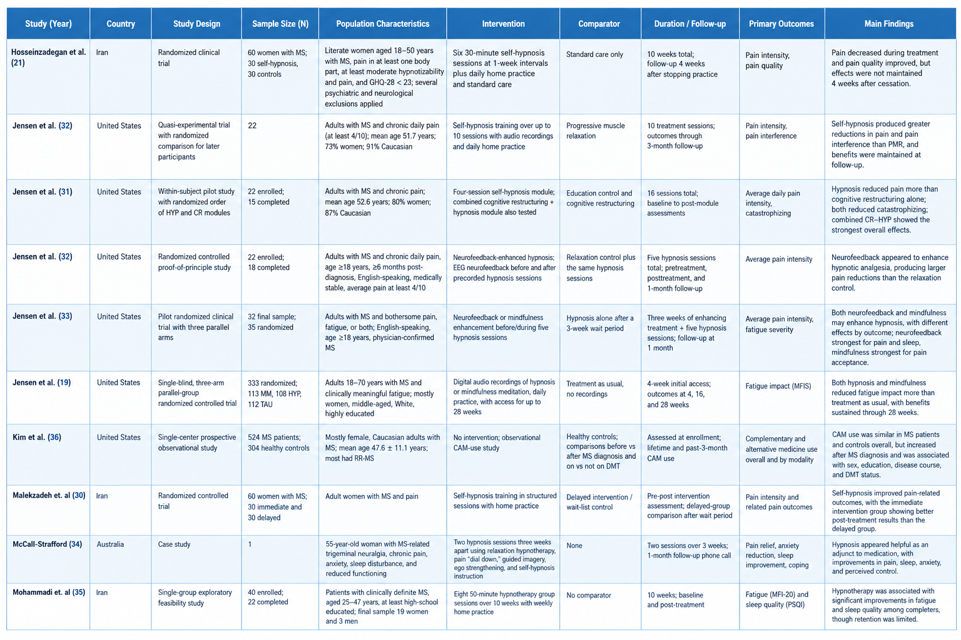
The review included 10 studies published between 2009 and 2025, conducted primarily in the United States and Iran, with one study originating from Australia. The included evidence comprised five randomized controlled trials, three quasi-experimental or pilot intervention studies, one observational cohort study, and one case report.
Sample sizes varied substantially across studies, ranging from a single-patient case report to a large randomized controlled trial involving 333 participants. Most studies included adults diagnosed with multiple sclerosis (MS), predominantly women, reflecting the known epidemiology of the disease. Several studies specifically recruited participants experiencing chronic pain, fatigue, sleep disturbances, or related MS-associated symptoms.
The interventions evaluated mainly involved self-hypnosis or hypnotherapy-based approaches. Common intervention components included guided imagery, relaxation techniques, hypnotic analgesia, self-hypnosis training, audio-recorded hypnosis sessions, and structured home practice. Some studies investigated enhanced hypnosis approaches combined with neurofeedback or mindfulness interventions. Comparators included standard care, relaxation therapy, progressive muscle relaxation, education controls, treatment-as-usual, delayed intervention groups, or wait-list controls. One observational study examined complementary and alternative medicine (CAM) use among individuals with MS without evaluating a specific intervention.
The duration of interventions and follow-up periods varied considerably among studies, ranging from brief interventions delivered over several weeks to longer follow-up assessments extending up to 28 weeks. The most commonly evaluated outcomes included pain intensity, pain interference, fatigue severity, fatigue impact, sleep quality, anxiety, catastrophizing, pain acceptance, and overall coping or quality-of-life-related outcomes.
Effects of Hypnosis and Hypnotherapy on Pain Outcomes
Pain-related outcomes were the most frequently investigated outcomes across the included studies. Overall, hypnosis and self-hypnosis interventions demonstrated beneficial effects in reducing pain intensity and pain-related interference among individuals with MS.
The randomized clinical trial by Hosseinzadegan et al. [21] reported significant reductions in pain intensity and improvements in pain quality following six self-hypnosis sessions combined with home practice. However, the beneficial effects diminished after discontinuation of the intervention at four-week follow-up. Similarly, Malekzadeh et al. [30] demonstrated improved pain-related outcomes in participants receiving immediate self-hypnosis intervention compared with delayed intervention controls.
Several studies conducted by Jensen and colleagues consistently supported the analgesic effects of hypnosis. Jensen et al. [20] found that self-hypnosis produced greater reductions in pain intensity and pain interference compared with progressive muscle relaxation, with benefits maintained at three-month follow-up. In a subsequent pilot study, Jensen et al. [31] reported that hypnosis reduced pain more effectively than cognitive restructuring alone, while combined cognitive restructuring and hypnosis demonstrated the strongest overall effects.
Additional studies suggested that hypnosis may be further enhanced through adjunctive interventions. Jensen et al. [32] demonstrated that neurofeedback-enhanced hypnosis resulted in greater reductions in pain intensity compared with relaxation control conditions. Similarly, two years later, Jensen et al. [33] reported that both neurofeedback and mindfulness enhancement strategies may improve the effectiveness of hypnosis, although neurofeedback appeared to provide greater benefits for pain reduction and sleep outcomes.
The case report by McCall-Strafford [34] also described clinically meaningful improvements in pain relief, anxiety reduction, sleep quality, and perceived control following two hypnosis sessions in a patient with MS-related trigeminal neuralgia.
Effects on Fatigue, Sleep, and Psychological Outcomes
Several studies investigated fatigue-related outcomes. The largest randomized controlled trial included in the review, conducted by Jensen et al. [19], demonstrated that both hypnosis and mindfulness meditation significantly reduced fatigue impact compared with treatment-as-usual. Importantly, these benefits were sustained throughout the 28-week follow-up period.
Mohammadi et al. similarly reported significant improvements in fatigue and sleep quality following an eight-session group hypnotherapy program [35]. However, participant retention was limited, with only 22 of 40 enrolled participants completing the study.
Psychological outcomes such as catastrophizing, anxiety, coping ability, and pain acceptance were also positively influenced by hypnosis-based interventions. Jensen et al. [31] observed reductions in pain catastrophizing following both hypnosis and cognitive restructuring interventions. Jensen et al. [33] reported that mindfulness-enhanced hypnosis particularly improved pain acceptance outcomes. The case report by McCall-Strafford [34] further suggested improvements in anxiety management and perceived coping following hypnosis intervention.
Complementary and Alternative Medicine Use in Multiple Sclerosis
The observational study by Kim et al. [36] investigated complementary and alternative medicine use among individuals with MS. Although the study did not specifically evaluate hypnosis efficacy, it demonstrated that CAM use was common among patients with MS and increased following diagnosis. CAM use was associated with demographic and disease-related factors, including sex, education level, disease course, and disease-modifying therapy status.
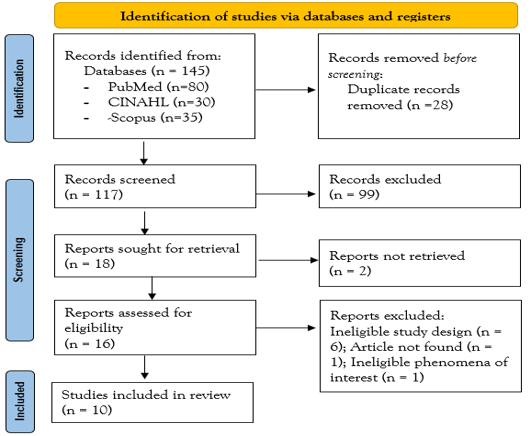
Figure 1: Prisma Flow diagram.
Table 1: Characteristics of the included studies.
Meta-analysis of Pain Intensity Outcomes
A random-effects meta-analysis was conducted to evaluate the effect of hypnosis and hypnotherapy interventions on pain intensity among individuals with multiple sclerosis. Four studies were included in the quantitative synthesis [21, 31, 33, 37].
Overall, the pooled analysis demonstrated a moderate reduction in pain intensity favoring hypnosis-based interventions compared with control conditions, with a pooled effect size of approximately Hedges’ g = -0.57. The direction of effect consistently favored the intervention group, indicating that hypnosis and hypnotherapy interventions were associated with lower pain intensity scores compared with comparators such as standard care, progressive muscle relaxation, or relaxation-based control interventions.
Among the included studies, Hosseinzadegan et al. [21] demonstrated the largest treatment effect, showing a substantial reduction in pain intensity following self-hypnosis intervention. Jensen et al. [20] and Jensen et al. [31] also demonstrated moderate beneficial effects favoring hypnosis interventions. In contrast, Jensen et al. in 2016 showed a smaller effect size with confidence intervals crossing the line of no effect, suggesting greater uncertainty regarding the magnitude of benefit in that study [32].
Moderate statistical heterogeneity was identified across studies (I² = 42%; τ² = 0.097), indicating some variability in effect estimates between studies. The observed heterogeneity may be related to differences in intervention protocols, sample characteristics, hypnosis techniques, comparator interventions, follow-up duration, and study design. Despite this variability, the overall pooled estimate remained in favor of hypnosis-based interventions.
The forest plot demonstrated that most included studies favored the intervention group, with the pooled diamond positioned on the side favoring hypnosis and hypnotherapy. These findings suggest that hypnosis-based interventions may provide clinically meaningful reductions in pain intensity among individuals with multiple sclerosis. However, given the moderate heterogeneity and methodological limitations identified in several studies, the results should be interpreted cautiously. Further large-scale randomized controlled trials with standardized intervention protocols and longer follow-up periods are warranted to confirm the long-term effectiveness of hypnosis interventions for pain management in multiple sclerosis.
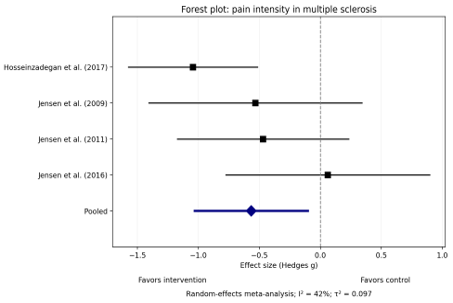
Figure 2: Forest plot of the effects of hypnosis and hypnotherapy interventions on pain intensity in individuals with multiple sclerosis.
Critical appraisal results
One case report, one cohort study, three quasi-experimental studies, and five randomized controlled trials were evaluated for methodological quality using the appropriate Joanna Briggs Institute (JBI) critical appraisal tools. Overall, the included studies demonstrated moderate methodological quality, although several methodological limitations were identified across study designs.
The included case report by McCall-Strafford L. [34] demonstrated generally high methodological quality, with clear reporting of patient demographics, clinical history, intervention procedures, and outcomes. However, some domains related to adverse event reporting and post-intervention follow-up were unclear or insufficiently addressed, which may limit the comprehensiveness of the report.
Mohammadi M. et al. 2025 demonstrated adequate methodological quality in several domains, including exposure measurement, outcome assessment, and statistical analysis [35]. Nevertheless, limitations were identified regarding the identification and management of confounding factors, as well as incomplete reporting of follow-up procedures, which may introduce potential bias.
Two studies by Jensen MP et al. demonstrated consistent methodological quality across most appraisal domains [20,31]. The studies clearly described intervention procedures, outcome measurements, and statistical analyses, while outcome measures were generally reliable and appropriate for the research objectives. However, none of the studies adequately reported the presence of a control group or multiple pre- and post-intervention measurements, representing a common methodological limitation of the quasi-experimental designs included in this review.
Among the randomized controlled trials, methodological quality varied across domains. Most studies adequately described participant eligibility criteria, intervention procedures, outcome measurement methods, and statistical analyses. Outcome measures were generally valid and reliable across studies. However, allocation concealment and blinding procedures were frequently unclear or insufficiently reported, potentially increasing the risk of performance and detection bias. Several studies also lacked detailed reporting regarding treatment adherence monitoring and management of incomplete follow-up data. Smaller pilot and exploratory trials were additionally limited by small sample sizes, incomplete reporting of randomization procedures, and limited follow-up duration.
The randomized controlled trials conducted by Jensen MP et al. generally demonstrated stronger methodological rigor compared with smaller pilot studies, particularly in relation to outcome assessment, statistical analysis, and follow-up procedures [19, 32, 33]. In contrast, smaller studies showed greater methodological limitations, primarily related to limited blinding, inadequate reporting of allocation procedures, and reduced statistical power due to smaller sample sizes.
Overall, the methodological quality of the included evidence was considered moderate. Most studies clearly described participant characteristics, intervention protocols, outcome measurements, and analytical methods, supporting the reliability of the reported findings. Nevertheless, the identified risks of bias, including incomplete blinding, limited follow-up reporting, and insufficient control of confounding variables in non-randomized studies, were considered during the interpretation and synthesis of results.
Despite these methodological limitations, the overall body of evidence suggests that hypnosis and hypnotherapy may provide beneficial effects for pain, fatigue, sleep disturbances, and psychological well-being in individuals with multiple sclerosis. However, further large-scale, methodologically rigorous randomized controlled trials with improved reporting of blinding, allocation concealment, adherence monitoring, and long-term follow-up are warranted to strengthen the evidence base and clarify long-term clinical effectiveness.
Table 2: Critical Appraisal of Eligible Case Reports.
| Citation | Q1 | Q2 | Q3 | Q4 | Q5 | Q6 | Q7 | Q8 |
| McCall-Strafford L. (34) | Y | Y | Y | U | Y | Y | N | Y |
| % | 100.0 | 100.0 | 100.0 | 0.0 | 100.0 | 100.0 | 0.0 | 100.0 |
Table 3: Critical Appraisal of Eligible Quasi-Experimental Study.
| Citation | Q1 | Q2 | Q3 | Q4 | Q5 | Q6 | Q7 | Q8 | Q9 |
| Jensen MP, et al. (31) | Y | N | Y | Y | Y | N | Y | Y | Y |
| Jensen MP, et al. (20) | Y | N | Y | Y | Y | N | Y | Y | Y |
| Mohammadi M, et al. (35) | Y | U | Y | N | Y | Y | Y | Y | Y |
| % | 100.0 | 0.0 | 100.0 | 66.66 | 100.0 | 33.33 | 100.0 | 100.0 | 100.0 |
Table 4: Critical Appraisal of Eligible Randomized Controlled Trial.
| Citation | Q1 | Q2 | Q3 | Q4 | Q5 | Q6 | Q7 | Q8 | Q9 | Q10 | Q11 | Q12 | Q13 |
| Hosseinzadegan F. et al. (21) | Y | U | Y | N | N | U | Y | Y | Y | Y | Y | Y | Y |
| Jensen et al. (19) | Y | U | Y | N | N | U | Y | N | Y | Y | Y | Y | Y |
| Jensen MP, et al. (33) | Y | U | Y | N | N | N | Y | Y | Y | Y | Y | Y | Y |
| Jensen et al. (32) | Y | U | Y | N | N | N | Y | N | Y | Y | Y | Y | Y |
| Malekzadeh M. et al. (30) | Y | U | U | N | N | Y | Y | Y | U | Y | Y | Y | Y |
| % | 100.0 | 0.0 | 80.0 | 0.0 | 0.0 | 20.0 | 100.0 | 60.0 | 80.0 | 100.0 | 100.0 | 100.0 | 100.0 |
Discussion
The main findings of the review were that self-hypnosis (HYP) can directly reduce pain, while combined approaches or mindfulness-based interventions can maximize benefits by targeting both physical and psychological aspects of MS symptoms. This suggests that hypnosis is an effective, low-risk, and accessible strategy for managing MS-related symptoms and improving quality of life.
More specifically, Jensen et al. [31] demonstrated that self-hypnosis (HYP) led to larger reductions in pain intensity than cognitive restructuring (CR), which primarily targeted catastrophizing cognitions. Pre- to post-session decreases in pain were largest following HYP, and average daily pain intensity after HYP was lower than after CR or the education control [38], although differences between HYP and CR in average daily pain did not reach statistical significance. These findings indicate that hypnosis exerts a direct effect on pain intensity and related central nervous system structures [30, 40].
Support for the effect of CR on catastrophizing was limited. While both CR and HYP reduced catastrophizing from pre-treatment levels, CR did not produce significantly greater reductions than HYP. This suggests that hypnosis aimed at reducing pain may also influence catastrophizing, potentially by enhancing a sense of control or hope, making it difficult to demonstrate stronger effects of CR on maladaptive cognitions. Prior research indicates that CR interventions alone can reduce pain in some chronic pain populations, but these effects are often indirect and mediated by prefrontal cortical activity, which influences the broader cortical pain network [20,38].
The combined CR–HYP intervention produced the largest improvements across all outcomes. Average and worst pain intensity, catastrophizing, and pain interference were all lower following CR–HYP than after any other treatment module. Although the repeated-measures design limits the ability to attribute these benefits solely to the combined module, the findings suggest that integrating hypnotic techniques with cognitive restructuring may enhance efficacy. This is consistent with prior work showing that hypnosis can augment cognitive-behavioral interventions [38].
Similarly, Jensen et al. found that audio recordings of self-hypnosis (HYP) or mindfulness meditation (MM) significantly reduced fatigue impact compared with treatment as usual (TAU) over 28 weeks [19]. These interventions also produced sustained improvements in secondary outcomes, including sleep quality, pain intensity, pain interference, and depressive symptoms. Differences between HYP and MM were mostly nonsignificant, indicating comparable efficacy of these mind-body approaches for managing MS-related fatigue.
These findings corroborate prior research demonstrating the benefits of both HYP and MM when delivered by clinicians [41, 42]. The observed effects may arise from direct mechanisms, such as neurophysiological changes induced by HYP and MM, or indirect mechanisms, whereby improvements in one symptom (e.g., sleep) positively influence others, including fatigue and pain. Overall, the results highlight meaningful enhancements in quality-of-life measures for individuals with MS.
Several limitations should be considered when interpreting the findings of this review. First, the number of included studies was small, and substantial heterogeneity existed in intervention protocols, outcome measures, and follow-up durations, which limited comparability and prevented quantitative synthesis. Sample sizes were relatively small in some trials, and most participants were female, which may restrict the generalizability of results. Additionally, follow-up periods were often short, making it difficult to determine the long-term sustainability of treatment effects. Methodological limitations, including unclear allocation concealment and limited blinding in some studies, may introduce potential bias. Finally, the restriction to English-language publications and a limited number of databases may have resulted in the omission of relevant studies.
A notable observation was the similarity in outcomes between HYP and MM, with minimal differences across groups. This may reflect shared mechanisms, such as fostering a contemplative state and enhancing skills for fatigue management, although individual responses may vary (19). Future research should investigate both the unique and overlapping mechanisms of these interventions and identify factors that predict which individuals benefit most from HYP or MM. These insights could help tailor interventions to maximize efficacy for people with MS.
Conclusion
The findings of this review indicate that self-hypnosis (HYP) is a promising intervention for managing multiple symptoms in individuals with multiple sclerosis (MS), including pain, fatigue, and related psychological outcomes. HYP was shown to reduce pain intensity more effectively than cognitive restructuring (CR), while combined HYP–CR approaches produced the greatest improvements across pain-related outcomes. Similarly, both HYP and mindfulness-based interventions significantly reduced fatigue and improved secondary outcomes such as sleep quality and depressive symptoms, suggesting comparable efficacy between mind–body approaches.
Despite these encouraging findings, limitations including small sample sizes, short intervention durations, and incomplete understanding of the underlying mechanisms highlight the need for further research. Future studies should focus on larger, well-powered trials, optimal delivery methods, and long-term outcomes to better define the role of hypnosis in MS care. Overall, HYP appears to be a low-cost, safe, and accessible adjunctive strategy with potential to improve both physical and psychological well-being in individuals with MS.
Ethics approval and consent to participate
This study is a systematic review of previously published literature and did not involve the recruitment of human participants or the collection of identifiable personal data. Therefore, ethical approval and informed consent to participate were not required. All included studies were conducted in accordance with the ethical standards of their respective institutions, as reported by the original authors.
Disclosures and Acknowledgements
Consent for publication
Not applicable.
Availability of data and material
All data analyzed during this study are derived from published articles included in this systematic review. The extracted data supporting the findings of this study are available from the corresponding author upon reasonable request.
Competing interests
The authors declare that they have no competing interests.
Funding
This research received no external funding.
Authors' contributions
Varvara Papasideri: Conceptualization, methodology, literature search, study selection, data extraction, formal analysis, interpretation of data, writing-original draft, visualization, and project administration.
Stylianos Sergios Chatziioannou: Conceptualization, methodology, supervision, critical revision of the manuscript, interpretation of findings, and writing-review and editing.
Both authors read and approved the final manuscript.
Acknowledgements
The authors would like to thank the European University Cyprus Library for providing access to the scientific databases used in this review. The authors also acknowledge the developers of the PRISMA 2020 Statement, the Joanna Briggs Institute (JBI) critical appraisal tools, and the Rayyan systematic review platform, which facilitated the conduct of this review.
References
- Filippi, M., Bar-Or, A., Piehl, F., Preziosa, P., Solari, A., Vukusic, S., et al. (2018). Multiple sclerosis. Nature Reviews Disease Primers, 4(1):43.
Publisher | Google Scholor - Ghasemi, N., Razavi, S., & Nikzad, E. (2017). Multiple sclerosis: Pathogenesis, symptoms, diagnoses and cell-based therapy. Cell Journal, 19(1):1–10.
Publisher | Google Scholor - Thompson, A. J., Banwell, B. L., Barkhof, F., Carroll, W. M., Coetzee, T., Comi, G., et al. (2018). Diagnosis of multiple sclerosis: 2017 revisions of the McDonald criteria. The Lancet Neurology, 17(2):162–173.
Publisher | Google Scholor - Walton, C., King, R., Rechtman, L., Kaye, W., Leray, E., Marrie, R. A., et al. (2020). Rising prevalence of multiple sclerosis worldwide: Insights from the Atlas of MS, third edition. Multiple Sclerosis Journal, 26(14):1816–1821.
Publisher | Google Scholor - Hauser, S. L., & Cree, B. A. C. (2020). Treatment of multiple sclerosis: A review. The American Journal of Medicine, 133(12):1380–1390.e2.
Publisher | Google Scholor - Honce, J. M. (2013). Gray matter pathology in MS: Neuroimaging and clinical correlations. Multiple Sclerosis International, 2013, 627870.
Publisher | Google Scholor - Khan, G., & Hashim, M. J. (2025). Epidemiology of multiple sclerosis: Global, regional, national and sub-national-level estimates and future projections. Journal of Epidemiology and Global Health, 15(1):21.
Publisher | Google Scholor - Alfredsson, L., & Olsson, T. (2019). Lifestyle and environmental factors in multiple sclerosis. Cold Spring Harbor Perspectives in Medicine, 9(4).
Publisher | Google Scholor - Jacobs, B. M., Giovannoni, G., Cuzick, J., & Dobson, R. (2020). Systematic review and meta-analysis of the association between Epstein-Barr virus, multiple sclerosis and other risk factors. Multiple Sclerosis Journal, 26(11):1281–1297.
Publisher | Google Scholor - Tafti, D., Ehsan, M., & Xixis, K. L. (2024). Multiple sclerosis. In StatPearls. StatPearls Publishing.
Publisher | Google Scholor - Dobson, R., & Giovannoni, G. (2019). Multiple sclerosis—A review. European Journal of Neurology, 26(1):27–40.
Publisher | Google Scholor - Miller, D. H., Chard, D. T., & Ciccarelli, O. (2012). Clinically isolated syndromes. The Lancet Neurology, 11(2):157–169.
Publisher | Google Scholor - Wang, C., Ruiz, A., & Mao-Draayer, Y. (2018). Assessment and treatment strategies for a multiple sclerosis relapse. Journal of Immunology and Clinical Research, 5(1).
Publisher | Google Scholor - Lublin, F. D., Reingold, S. C., Cohen, J. A., Cutter, G. R., Sørensen, P. S., Thompson, A. J., et al. (2014). Defining the clinical course of multiple sclerosis: The 2013 revisions. Neurology, 83(3):278–286.
Publisher | Google Scholor - Scalfari, A., Neuhaus, A., Degenhardt, A., Rice, G. P., Muraro, P. A., Daumer, M., et al. (2010). The natural history of multiple sclerosis: A geographically based study 10: Relapses and long-term disability. Brain, 133(7):1914–1929.
Publisher | Google Scholor - Hauser, S. L., Bar-Or, A., Comi, G., Giovannoni, G., Hartung, H. P., Hemmer, B., et al. (2017). Ocrelizumab versus interferon beta-1a in relapsing multiple sclerosis. The New England Journal of Medicine, 376(3):221–234.
Publisher | Google Scholor - Tur, C., & Rocca, M. A. (2024). Progression independent of relapse activity in multiple sclerosis: Closer to solving the pathologic puzzle. Neurology, 102(1):e207936.
Publisher | Google Scholor - Dillworth, T., & Jensen, M. P. (2010). The role of suggestions in hypnosis for chronic pain: A review of the literature. The Open Pain Journal, 3(1):39–51.
Publisher | Google Scholor - Jensen, M., Robles, S., Nash, M., May, S., Ehde, D., Day, M., et al. (2025). Hypnosis and mindfulness audio recordings for reducing fatigue in individuals with multiple sclerosis: A randomized controlled study. Multiple Sclerosis Journal, 31:833–845.
Publisher | Google Scholor - Jensen, M. P., Barber, J., Romano, J. M., Molton, I. R., Raichle, K. A., Osborne, T. L., et al. (2009). A comparison of self-hypnosis versus progressive muscle relaxation in patients with multiple sclerosis and chronic pain. International Journal of Clinical and Experimental Hypnosis, 57(2):198–221.
Publisher | Google Scholor - Hosseinzadegan, F., Radfar, M., Shafiee-Kandjani, A. R., & Sheikh, N. (2017). Efficacy of self-hypnosis in pain management in female patients with multiple sclerosis. International Journal of Clinical and Experimental Hypnosis, 65(1):86–97.
Publisher | Google Scholor - Schardt, C., Adams, M. B., Owens, T., Keitz, S., & Fontelo, P. (2007). Utilization of the PICO framework to improve searching PubMed for clinical questions. BMC Medical Informatics and Decision Making, 7:16.
Publisher | Google Scholor - Page, M. J., McKenzie, J. E., Bossuyt, P. M., Boutron, I., Hoffmann, T. C., Mulrow, C. D., et al. (2021). The PRISMA 2020 statement: An updated guideline for reporting systematic reviews. BMJ, 372:n71.
Publisher | Google Scholor - Aromataris, E., Fernandez, R., Godfrey, C., Holly, C., Kahlil, H., & Tungpunkom, P. (2015). Summarizing systematic reviews: Methodological development, conduct and reporting of an umbrella review approach. International Journal of Evidence-Based Healthcare, 13(3):132–140.
Publisher | Google Scholor - Ouzzani, M., Hammady, H., Fedorowicz, Z., & Elmagarmid, A. K. (2016). Rayyan—A web and mobile app for systematic reviews. Systematic Reviews, 5:210.
Publisher | Google Scholor - Papasideri, V., & Chatziioannou, S. S. (2026). Hypnosis as a therapeutic intervention for multiple sclerosis: A systematic review [PROSPERO registration]. PROSPERO.
Publisher | Google Scholor - Barker, T. H., Stone, J. C., Sears, K., Klugar, M., Tufanaru, C., Leonardi-Bee, J., et al. (2023). The revised JBI critical appraisal tool for the assessment of risk of bias for randomized controlled trials. JBI Evidence Synthesis, 21(3):494–506.
Publisher | Google Scholor - Barker, T. H., Habibi, N., Aromataris, E., Stone, J. C., Leonardi-Bee, J., Sears, K., et al. (2024). The revised JBI critical appraisal tool for the assessment of risk of bias for quasi-experimental studies. JBI Evidence Synthesis, 22(3):378–388.
Publisher | Google Scholor - Microsoft Corporation. (2018). Microsoft Excel [Computer software]. Microsoft.
Publisher | Google Scholor - Malekzadeh, M., Hashemi Mohammadabad, N., Kharamin, S., & Haghighi, S. (2020). The effectiveness of group-based cognitive hypnotherapy on the psychological well-being of patients with multiple sclerosis: A randomized clinical trial. American Journal of Clinical Hypnosis, 62(4):364–379.
Publisher | Google Scholor - Jensen, M. P., Ehde, D. M., Gertz, K. J., Stoelb, B. L., Dillworth, T. M., Hirsh, A. T., et al. (2011). Effects of self-hypnosis training and cognitive restructuring on daily pain intensity and catastrophizing in individuals with multiple sclerosis and chronic pain. International Journal of Clinical and Experimental Hypnosis, 59(1):45–63.
Publisher | Google Scholor - Jensen, M. P., Gianas, A., George, H. R., Sherlin, L. H., Kraft, G. H., & Ehde, D. M. (2016). Use of neurofeedback to enhance response to hypnotic analgesia in individuals with multiple sclerosis. International Journal of Clinical and Experimental Hypnosis, 64(1):1–23.
Publisher | Google Scholor - Jensen, M. P., Battalio, S. L., Chan, J. F., Edwards, K. A., Day, M. A., Sherlin, L. H., et al. (2018). Use of neurofeedback and mindfulness to enhance response to hypnosis treatment in individuals with multiple sclerosis: Results from a pilot randomized clinical trial. International Journal of Clinical and Experimental Hypnosis, 66(3):231–264.
Publisher | Google Scholor - McCall-Strafford, L. (2016). Hypnosis for adjunctive pain relief in a patient with multiple sclerosis-related trigeminal neuralgia. Australian Journal of Clinical and Experimental Hypnosis, 41(2):174–181.
Publisher | Google Scholor - Mohammadi, M., Owjfard, M., Mallahzadeh, A., Farahmand, A. M., Hooshmandi, E., Fereydoonnezhad, T., et al. (2025). Feasibility of hypnotherapy in fatigue and sleep disturbance management in patients with multiple sclerosis disease. International Journal of Clinical and Experimental Hypnosis, 73(1):96–105.
Publisher | Google Scholor - Kim, S., Chang, L., Weinstock-Guttman, B., Gandhi, S., Jakimovski, D., Carl, E., et al. (2018). Complementary and alternative medicine usage by multiple sclerosis patients: Results from a prospective clinical study. The Journal of Alternative and Complementary Medicine, 24(6):596–602.
Publisher | Google Scholor - Jensen, M. P., Galer, P. D., Johnson, L. L., George, H. R., Mendoza, M. E., & Gertz, K. J. (2016). The associations between pain-related beliefs, pain intensity, and patient functioning: Hypnotizability as a moderator. The Clinical Journal of Pain, 32(6):506–512.
Publisher | Google Scholor - Ehde, D. M., & Jensen, M. P. (2004). Feasibility of a cognitive restructuring intervention for treatment of chronic pain in persons with disabilities. Rehabilitation Psychology, 49(3):254–258.
Publisher | Google Scholor - Hofbauer, R. K., Rainville, P., Duncan, G. H., & Bushnell, M. C. (2001). Cortical representation of the sensory dimension of pain. Journal of Neurophysiology, 86(1):402–411.
Publisher | Google Scholor - Rainville, P., Duncan, G. H., Price, D. D., Carrier, B., & Bushnell, M. C. (1997). Pain affect encoded in human anterior cingulate but not somatosensory cortex. Science, 277(5328):968–971.
Publisher | Google Scholor - Maresca, G., Nocito, V., Lo Buono, V., Latella, D., Di Cara, M., Formica, C., et al. (2023). Hypnotherapy as a nonpharmacological treatment for the psychological symptoms of multiple sclerosis. Alternative Therapies in Health and Medicine, 29(4):266–269.
Publisher | Google Scholor - Simpson, S. G., & Reid, C. L. (2014). Therapeutic alliance in videoconferencing psychotherapy: A review. Australian Journal of Rural Health, 22(6):280–299.
Publisher | Google Scholor