

Research Article
Histopathological Spectrum of Cardiovascular Lesions in Sudden Cardiac Death: A Systematic Review and Meta-Analysis
- Amanuel Aklilu Alemu 1**
- Fikremariam Melkeneh Alemayehu 1
- Maru Yenehun Tsegaw *2
- Bikiltu Belissa Gobosho *1
- Abera Girma Beyena 3
- Dawit Admasu Woldesenbet 5
- Eyoel Ameha Sebsibe 6
- Eden Fanta Amajo *1
- Amanuel Tadesse Wondafrash *1
- Meron Teklay Girmay 4
- Yonatan Tsetadirgachew Legesse 3
- Haileselassie Asrat Kassa 7
- Mikiyas Sharew Alemu 8
- Solomon Endale Dagnachew 1
- Yanet Ephrem Engidawork 1
1Department of Medicine, College of Health Sciences, Addis Ababa University, Addis Ababa, Ethiopia.
2Department of Medicine, College of Medicine and Health Sciences, University of Gondar, Gondar, Ethiopia.
3Department of Medicine, Asella College of Health Sciences, Arsi University, Asella, Oromia, Ethiopia.
4Department of Medicine, College of Medicine and Health Sciences, Hawassa University, Hawassa, Ethiopia.
5Department of Medicine, School of Medicine, Woldia University, Woldia, Ethiopia.
6Department of Medicine, Santé Medical College, Addis Ababa, Ethiopia.
7Department of Medicine, College of Medicine and Health Sciences, Injibara University, Injibara, Ethiopia.
8Department of Medicine, Myungsung Medical College, Addis Ababa, Ethiopia.
*Corresponding Author: Maru Yenehun Tsegaw, Amanuel Tadesse Wondafrash, Bikiltu Belissa Gobosho and Eden Fanta Amajo.
Citation: Alemu AA, Alemayehu FM, Tsegaw MY, Gobosho BB, Beyena AG, et al. (2026). Histopathological Spectrum of Cardiovascular Lesions in Sudden Cardiac Death: A Systematic Review and Meta-Analysis, International Journal of Biomedical and Clinical Research, BioRes Scientia Publishers. 7(1):1-9. DOI: 10.59657/2997-6103.brs.26.142
Copyright: © 2026 Amanuel Aklilu Alemu, this is an open-access article distributed under the terms of the Creative Commons Attribution License, which permits unrestricted use, distribution, and reproduction in any medium, provided the original author and source are credited.
Received: May 15, 2026 | Accepted: June 01, 2026 | Published: June 05, 2026
Abstract
Introduction: Sudden cardiac death is a leading cause of mortality worldwide and often occurs without prior warning, frequently in individuals with underlying heart. Despite advances in clinical diagnostics, many cases of sudden death remain unexplained until autopsy, underscoring the continued importance of histopathological evaluation. So, this review is aimed to assess the magnitude of histopathological Spectrum of Cardiovascular Lesions in Sudden Death.
Materials and Methods: PubMed, Scopus, Web of Science, Google, and Google Scholar databases were searched for this analysis. The methodological quality was assessed using the Newcastle-Ottawa Scale. An inverse variance-weighted random-effects model meta-analysis was performed to estimate the pooled magnitude of cardiac lesion. The I2 test statistic was used to check between-study heterogeneity, and the Egger's regression statistical test was used to check publication bias. A p-value of less than 0.05 used to declare statistical significance.
Results: the included studies had good methodological quality. Most studies were conducted in Asia. The magnitude histopathological spectrum of cardiac lesions ranged from 3.8%-89.8%. Whereas the pooled magnitude of Cardiovascular Lesions in sudden death with a random-effects model was 54.8% (95% CI: 34.3-75.3). Based on the subgroup analysis result, the highest (63.3%; 95% CI: 3.86-122.8), I2 = 100.0%) seen in Europe and the lowest (49.9%; 95% CI: 21.5, 78.3), I2 = 100.0%) seen in Asia.
Conclusion: Despite significant heterogeneity across studies and regions, the overall findings demonstrate that cardiac lesions remain a major underlying contributor to sudden death, emphasizing the vital role of histopathological examination in determining the cause of death. Therefore, for early detection and treatment of heart disease are essential to prevent sudden death.
Keywords: cardiac lesion; histopathology; global; sudden death; cardiac death; review
Introduction
Sudden death is a natural death that occurs within hours after the onset of symptoms in an apparently healthy individual, and it is often an unexpected and unwitnessed event [1]. It occurs when the heart stops beating or fails to maintain adequate circulation to sustain life. Prior to death, some patients may experience warning symptoms such as dyspnea, edema, or chest pain [2,3].
A major subset of sudden death is sudden cardiac death (SCD), which is characterized by an abrupt and fatal collapse due to a rapid and disordered cardiac rhythm, typically occurring within one hour of symptom onset. SCD is a leading cause of mortality worldwide and often occurs without prior warning, frequently in individuals with underlying heart disease [4-7]. However, studies have shown that sudden death can also occur in individuals without previously diagnosed cardiovascular disease [8].
The mechanisms of sudden cardiac death may be broadly classified into mechanical and electrical causes. Mechanical causes include conditions such as pulmonary thromboembolism, whereas electrical causes involve fatal arrhythmias or structural disruptions such as aortic dissection or cardiac rupture [9].
Histopathological examination is essential in identifying the underlying causes of sudden death, particularly in cases where clinical history is limited or absent [10,11]. An autopsy studies have confirmed that a wide range of cardiovascular lesions was associated with sudden death: including coronary artery disease, myocardial infarction, cardiomyopathy, and atherosclerotic coronary artery disease predominates as the leading cause [12-16].
Numerous autopsy-based studies showed the importance of histomorphological analysis in revealing previously undiagnosed cardiovascular conditions. Studies reported that a great proportion of sudden deaths were associated with unrecognized cardiovascular pathology, underlining the diagnostic value of postmortem investigations. Similarly, other study showed diverse histopathological findings ranging from ischemic heart disease to inflammatory and congenital cardiac lesions [17-20].
Understanding the histopathological spectrum of cardiovascular lesions in sudden death is essential for multiple reasons. It aids in accurate determination of cause of death, contributes to epidemiological data, and helps identify individuals at risk through recognition of underlying pathological patterns. Furthermore, such knowledge can guide preventive strategies, early diagnosis, and management of cardiovascular diseases in the general population [21-23].
Despite advances in clinical diagnostics, many cases of sudden death remain unexplained until autopsy, underscoring the continued importance of histopathological evaluation. Therefore, systematic analysis of cardiovascular lesions in sudden death cases provides valuable insights into disease mechanisms and supports efforts to reduce mortality associated with cardiovascular conditions.
Materials and Methods
Study Design and Search Strategy
In this systematic review and meta-analysis, the researchers utilized various databases, including PubMed, Scopus, Web of Science, Google, and Google Scholar. The Cochrane acronym POCC (population, Outcome, Condition, and Context) was employed to guide the retrieval of studies across different databases, using appropriate medical subject heading (MeSH) terms and Boolean operators “AND” and “OR”. The search terms included "sudden cardiac death" OR "sudden death" AND "cardiovascular lesions" OR "cardiac pathology” OR “cardiac change” AND "histopathology" OR "histological findings" OR “histo-morphological”. Additionally, manual searching and the references of retrieved articles were reviewed for further studies. This study findings were reported in accordance with the Preferred Reporting Items for Systematic Reviews and Meta-analyses (PRISMA) 2020 guidelines [24] (Supplementary File 1).
Eligibility Criteria
- Study period- this study included studies published up to April 2026.
- Study type- this study included all observational studies
- Language -this study included studies published in all languages.
- Population-This study included studies that were conducted among all age group.
- The study included studies both published and unpublished articles conducted in globally in sudden death.
- Review articles and studies that did not report the desired outcome will be excluded.
Data Extraction
After finalizing the searching, data extraction was done being pair. The extracted data was recorded in a Microsoft Excel 2013 spreadsheet and included the following information: author's name, publication year, study design, sample size, setting, and prevalence of cardiac lesion.
Data Outcome
The primary outcome of this review is to assess the histopathological spectrum of Cardiovascular Lesions in Sudden Death.
Quality Assessment of Studies
The researchers utilized the modified Newcastle-Ottawa Scale (NOS) for cross-sectional studies to assess the quality of studies. The scale consists of three components: Selection, Comparatively and outcome assessment methods, with a total score of 10 points [25]. Studies that scored five or higher on the NOS were included in the analysis [26]. The quality assessment was independently conducted by the authors, and any discrepancy in the result was resolved through careful examination of the studies by all authors together.
Effect Measures
Proportions were used to measure the effect for the prevalence of cardiac lesion.
Data Analysis and Synthesis Methods
After extracting the eligible studies, the data was exported to Stata software version 14 for analysis. A random-effect model was used due to heterogeneity of studies, which varied across factors such as study setting, patient’s characteristics, and different risks for the outcome. Heterogeneity among the studies was assessed using Higgin’s I2 to quantify between-study heterogeneity. An I2 test statistics of less than 50 was declared as low heterogeneity, 50-75% was moderate, and > 75% was high heterogeneity [27]. Subgroup analysis was conducted based on region. The funnel plot and Egger's test were utilized to check for publication bias; while sensitivity analyses were performed to assess robustness of the synthesized results.
Results
Study Selection and Characteristics
The search strategy retrieved a total of 2902 published articles. After removing duplicates using reference management software, 2712 articles remained. Following further screening, 724 articles were assessed for eligibility. Out of these, 706 articles were excluded because they didn’t meet the inclusion criteria. At last, eighteen studies were included in the analysis (Figure 1).
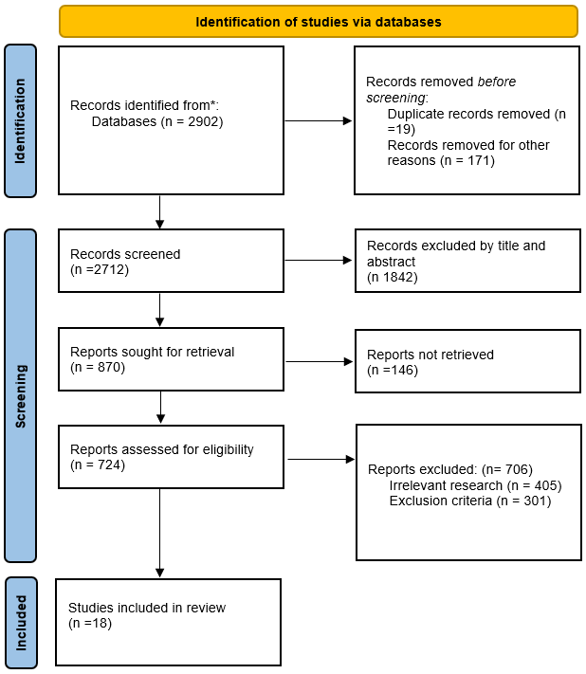
Figure 1: PRISMA Flow Diagram of Study Selection for the Global Prevalence of Cardiovascular Lesions in Sudden Cardiac Death.
All eighteen [28-45] had a total of 42,929 participants and had good methodological quality. The final sample size ranges from 7 [35]-16000 [37]. Most studies were conducted in Asia. The magnitude Cardiovascular Lesions ranged from 3.8 [43]-89.8 [42] (Table 1).
Table 1: Characteristics of the included studies in the systematic review and meta-analysis.
| Authors Name | Publication Year | Study Area | Study Design | Sample Size | Prevalence with 95%CI |
| Priya A, | 2025 | Indian | Cross-Sectional | 375 | 14.9(11.2-18.5) |
| Singh A | 2023 | Indian | Retrospective | 108 | 52.8(43.3-62.2) |
| Patil S, | 2021 | Indian | Retrospective | 260 | 28.8(23.2-34.3) |
| Fnon NF, | 2021 | Egypt | Retrospective | 535 | 78.5(75.0-81.9) |
| Kulkarni A, | 2025 | Indian | Retrospective | 100 | 44.4(34.6-54.1) |
| Godbole S, | 2025 | Indian | Prospective | 100 | 74(65.4-82.5) |
| Nisha M, | 2011 | Indian | Prospective | 200 | 71(64.7-77.2) |
| Nugraha G, | 2021 | Indonesia | Retrospective | 7 | 57.1(20.4-93.7) |
| Yildiz A, | 2020 | Turkey | Retrospective | 128 | 65.6(57.3-73.8) |
| Pigolkin YI, | 2019 | Russia | Retrospective | 16000 | 78.3(77.6-78.9) |
| Belay M, | 2019 | India | Retrospective | 199 | 45.2(38.2-52.1) |
| Sara N, | 2016 | Iran | Cross-Sectional | 2182 | 65(62.9-67.0) |
| Straus SM, | 2004 | Netherlands | Retrospective | 4892 | 12(11.0-12.9) |
| Naneix AL, | 2015 | France | Retrospective | 534 | 88.2(85.4-90.9) |
| Radu I, | 2024 | Romania | Retrospective | 1618 | 89.8(88.3-91.2) |
| Wang H | 2014 | China | Retrospective | 14487 | 3.8(3.4-4.1) |
| Rao D, | 2014 | Kingston, Jamaica and Bangalore, India | Retrospective | 204 | 56.9(50.1-63.6) |
| Di Maio VJ, | 1991 | USA | Retrospective | 1000 | 60.9(57.8-63….9) |
Histopathological Spectrum of Cardiovascular Lesions
A DerSimonian and Laird random-effects model was fitted to determine the pooled effect size.
Accordingly, the pooled magnitude of Cardiovascular Lesions with a random-effects model was 54.8% (95% CI: 34.3- 75.3) with heterogeneity index (I2) of 100.0% (p less than 0.001) (Figure 2).
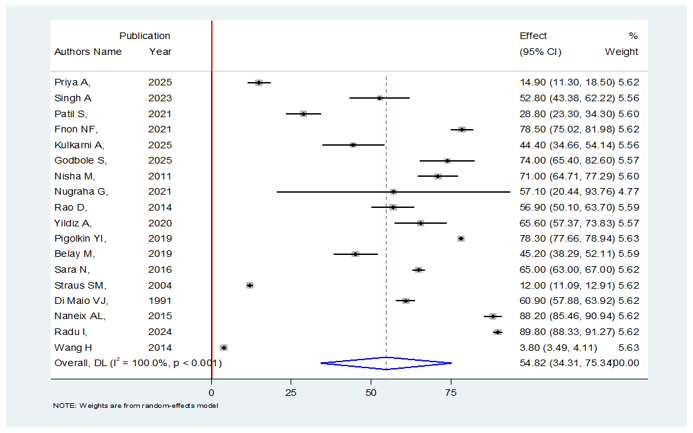
Figure 2: Forest Plot Showing the Global Pooled Prevalence of Cardiovascular Lesions in Sudden Cardiac Death.
Heterogeneity and Publication Bias
To adjust and minimize the reported heterogeneity of this study (I2=100.0%); we performed a subgroup analysis based on the region. Based on the subgroup analysis result, the highest (63.3%; 95% CI: 3.86-122.8), I2 = 100.0%) and the lowest (49.9%; 95% CI: 21.5, 78.3), I2 = 100.0%) seen in Europe and Asia respectively (Figure 3).
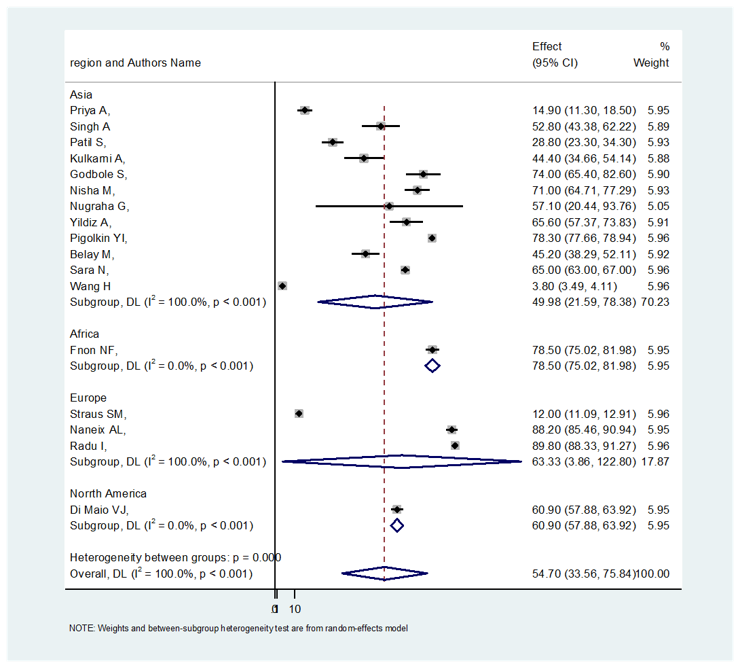
Figure 3: Subgroup Analysis of the Global Pooled Prevalence of Cardiovascular Lesions in Sudden Cardiac Death by Region.
To identify the source of heterogeneity (I2=100.0%) meta-regression was conducted using sample size and year of publication as a covariate. It was indicated that there is effect of sample size on heterogeneity between studies with a P- value of 0.036. but year of publication 0.411 respectively.
Furthermore, the presence of publication bias was assessed using Egger’s regression test and visual inspection of a funnel plot. Egger’s test did not demonstrate statistically significant evidence of publication bias (P = 0.051). However, visual inspection of the funnel plot suggested an asymmetrical distribution of studies. This asymmetry may reflect between-study heterogeneity or selective publication of results rather than true publication bias alone (Figure 4).
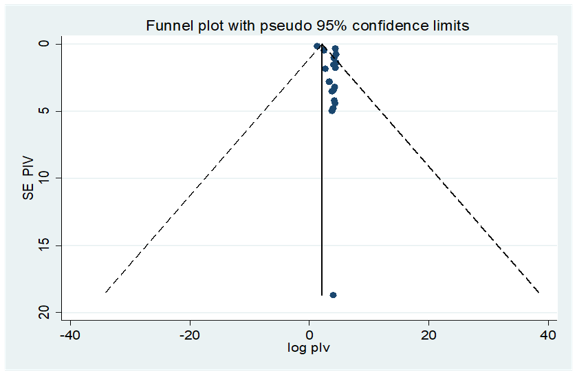
Figure 4: Funnel Plot Assessing Publication Bias Among Included Studies.
Sensitivity Analysis
A sensitivity analysis was performed using a leave-one-out approach, in which studies were sequentially removed to assess the influence of individual studies on the overall effect estimate. The results demonstrated that the exclusion of any single study did not result in a significant change in the pooled magnitude, indicating that the findings were robust and not unduly influenced by any individual study (Figure 5).
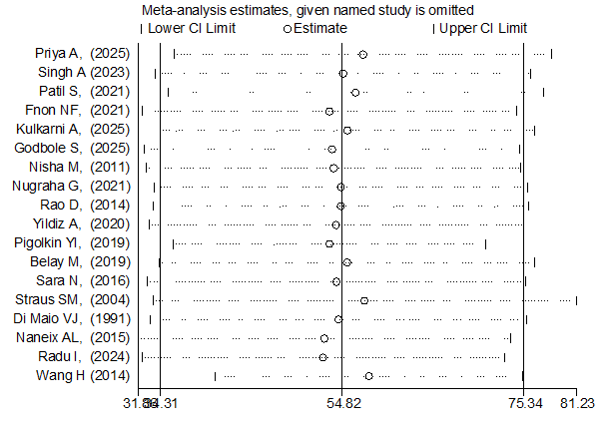
Figure 5: Sensitivity Analysis of the Global Pooled Prevalence of Cardiovascular Lesions in Sudden Cardiac Death.
Discussion
Sudden cardiac death represents a major global health problem and accounts for a substantial proportion of cardiovascular mortality worldwide. It is estimated that SCD contributes to approximately 15-20% of all deaths globally [46,47]. The incidence varies by region, and lowers in some developed countries [48]. Histopathological examination often reveals a wide spectrum of cardiovascular lesions. studies have reported that the major cause of sudden deaths show underlying cardiovascular lesions on postmortem examination, many of which were clinically silent during life [49].
The present meta-analysis revealed that the pooled magnitude of cardiovascular lesions in sudden death was 54.8% (95% CI: 34.3-75.3), indicating that more than half of sudden death cases are associated with identifiable cardiac pathology on histopathological examination. This finding is consistent with previous autopsy-based studies, which have reported that a substantial proportion of sudden deaths are attributable to underlying cardiovascular abnormalities, particularly Coronary artery disease, Ventricular arrhythmias and Cardiomyopathy [50,51].
Subgroup analysis in the current study revealed regional variation, with the highest magnitude observed in Europe (63.3%) and the lowest in Asia (49.9%). This variation may be explained by differences in the prevalence of cardiovascular risk factors such as hypertension, diabetes, obesity, and lifestyle patterns, which are generally higher in European populations.
Furthermore, the observed heterogeneity (I² = 100%) suggests substantial variability across included studies. This may be due to several factors, including differences in study design, sample size, age distribution, and diagnostic criteria used for defining cardiovascular lesions. Differences in autopsy practices and the availability of advanced histopathological techniques across regions may also contribute to the inconsistency. In addition, genetic, environmental factors, healthcare access and early detection of cardiovascular diseases, may be a reason for variations in the regions.
Conclusion
Despite significant heterogeneity across studies and regions, the overall findings demonstrate that cardiac lesions remain a major underlying contributor to sudden death, emphasizing the vital role of histopathological examination in determining the cause of death. Therefore, for early detection and treatment of heart disease are essential to prevent sudden death.
Limitation of The Study
This systematic review and meta-analysis provided groundbreaking insights on histopathological findings in sudden death. However, there are certain limitations to be considered. First due to significant heterogeneity of studies, result should be interpreted with caution. Secondly, we encountered difficulties when comparing our findings due to the absence of systematic reviews and meta-analyses on similar population groups.
Declarations
Ethics Approval and Consent to Participant
Not applicable.
Consent for Publication
Not applicable.
Availability of Data and Materials
all the data analyzed during the current systematic review and meta-analysis is fully available with reasonable request from corresponding author.
Competing Interests
All the authors declare that they have no competing interests.
Funding
Not applicable.
Acknowledgment
We would like to thank all authors of studies included in this systematic review and meta-analysis.
References
- Kanchan, T. (2015). Sudden Natural Death: Infectious Diseases. Encyclopedia of Forensic and Legal Medicine, 477.
Publisher | Google Scholor - Yow, A. G., Rajasurya, V., Ahmed, I., Sharma, S. (2024). Sudden Cardiac Death. In StatPearls [Internet]. StatPearls Publishing.
Publisher | Google Scholor - Keen, S. K., Masoudi, E. A., Williams, J. G., Thota-Kammili, S., Mirzaei, M., et al. (2021). Symptoms Prior to Sudden Death. Resuscitation Plus, 5:100078.
Publisher | Google Scholor - Markwerth, P., Bajanowski, T., Tzimas, I., Dettmeyer, R. (2021). Sudden Cardiac Death-Update. International Journal of Legal Medicine, 135(2):483-495.
Publisher | Google Scholor - Schupp, T., Akin, I., Behnes, M. (2022). Sudden Cardiac Death: Clinical Updates and Perspectives. Journal of Clinical Medicine, 11(11):3120.
Publisher | Google Scholor - Jazayeri, M. A., Emert, M. P. (2019). Sudden Cardiac Death: Who is At Risk? Medical Clinics, 103(5):913-930.
Publisher | Google Scholor - Chugh, S. S. (2017). Sudden Cardiac Death in 2017: Spotlight on Prediction and Prevention. International Journal of Cardiology, 237:2-5.
Publisher | Google Scholor - Wu SJ, Hsieh YC. (2022). Sudden Cardiac Death in Heart Failure with Preserved Ejection Fraction: An Updated Review. International Journal of Arrhythmia. 23(1):7.
Publisher | Google Scholor - De Gaspari, M., Rizzo, S., Thiene, G., Basso, C. (2023). Causes of Sudden Death. European Heart Journal Supplements, 25(Supplement_B):B16-B20.
Publisher | Google Scholor - Mukherjee, B., Ropmay, A. D., Slong, D., Das, P., Patowary, A. J., et al. (2025). Role of Histopathology in Determining the Cause of Death in Medicolegal Autopsies. Cureus, 17(3).
Publisher | Google Scholor - Bhaskar, M., Donna, R. A., Daunipaia, S., Prabal, D., Patowary, A. J., et al. (2025). Role of Histopathology in Determining the Cause of Death in Medicolegal Autopsies. Cureus, 17(3).
Publisher | Google Scholor - Das, S., Debbarma, J., Chakraborty, P. N. (2026). Post Mortem Findings and Histopathological Profile of Sudden Death: A Cross-sectional Study in a Tertiary Care Hospital, Tripura.
Publisher | Google Scholor - Thankappan, D., Thomas, Z. Cardiovascular Causes of Sudden Death-An Autopsy Study.
Publisher | Google Scholor - Cawis, N. K. S. F., Alit, I. B. P., Yulianti, K. (2025). Overview of The Causes of Autopsied Sudden Death at Prof. Dr. Igng Ngoerah Central General Hospital for the 2014-2023 Period. E-Jurnal Medika Udayana, 14(10).
Publisher | Google Scholor - Dayananda, R., Pradhan, P., Kumar, M. P. (2018). Pattern of Sudden Natural Deaths Among Autopsies Conducted at Mysore Medical College. Journal of Indian Academy of Forensic Medicine, 40(2):146-150.
Publisher | Google Scholor - Modi, R. A., Patel, M. I., Patel, M. M., Padsala, S., Chaudhary, J. (2020). Autopsy Findings in Sudden Death in Adults: A Study of 150 Cases. Int J Res Med Sci, 8(4):1523-1527.
Publisher | Google Scholor - Rajan, D., Skjelbred, T., Lynge, T. H., Tfelt-Hansen, J. (2025). Sudden Cardiac Death and The Role of Postmortem Genetic Testing in Unexplained Cases. Indian Pacing and Electrophysiology Journal.
Publisher | Google Scholor - Kumar, A., Sane, M. R., Singh, A., Harish, D. (2023). Audit of Histopathological Examination in Medico-Legal Autopsies in A Tertiary Care Hospital-A 3-Year Retrospective Study. International Journal, 6(2):688.
Publisher | Google Scholor - Rajan, D., Skjelbred, T., Lynge, T. H., Tfelt-Hansen, J. (2025). Sudden Cardiac Death and The Role of Postmortem Genetic Testing in Unexplained Cases. Indian Pacing and Electrophysiology Journal.
Publisher | Google Scholor - Pandey, V., Kulkarni, V., Bhaskar, V., Mire, V. (2023). Spectrum of Histopathological Lesions of Heart: An Autopsy Study at Tertiary Care Center. MGM Journal of Medical Sciences, 10(3):389-396.
Publisher | Google Scholor - Duncanson, E. R., Mackey-Bojack, S. M. (2018). Histologic Examination of The Heart in The Forensic Autopsy. Academic Forensic Pathology, 8(3):565-615.
Publisher | Google Scholor - Kelly, K. L., Lin, P. T., Basso, C., Bois, M., Buja, L. M., et al. (2023). Sudden Cardiac Death in The Young: A Consensus Statement on Recommended Practices for Cardiac Examination by Pathologists from The Society for Cardiovascular Pathology. Cardiovascular Pathology, 63:107497.
Publisher | Google Scholor - Banner, J., Basso, C., Tolkien, Z., Kholova, I., Michaud, K., et al. (2021). Autopsy Examination in Sudden Cardiac Death: A Current Perspective on Behalf of The Association for European Cardiovascular Pathology. Virchows Archiv, 478(4):687-693.
Publisher | Google Scholor - Page, M. J., McKenzie, J. E., Bossuyt, P. M., Boutron, I., Hoffmann, T. C., et al. (2021). The PRISMA 2020 Statement: An Updated Guideline for Reporting Systematic Reviews. BMJ, 372.
Publisher | Google Scholor - Modesti, P. A., Reboldi, G., Cappuccio, F. P., Agyemang, C., Remuzzi, G., et al. (2016). Panethnic Differences in Blood Pressure in Europe: A Systematic Review and Meta-Analysis. PloS One, 11(1):e0147601.
Publisher | Google Scholor - Herzog, R., Álvarez-Pasquin, M. J., Díaz, C., Del Barrio, J. L., Estrada, J. M., et al. (2013). Are Healthcare Workers’ Intentions to Vaccinate Related to Their Knowledge, Beliefs and Attitudes? A Systematic Review. BMC Public Health, 13(1):154.
Publisher | Google Scholor - Higgins, J. P., Thompson, S. G., Deeks, J. J., Altman, D. G. (2003). Measuring Inconsistency in Meta-Analyses. BMJ, 327(7414):557-560.
Publisher | Google Scholor - Singh, A., Mishra, R., Billey, A. (2023). Cardiac Lesions in Sudden Death: Insights from Autopsy and Histopathological Analysis. Int J Acad Med Pharm, 5(5):1567-1573.
Publisher | Google Scholor - Priya, A., Gupta, S. K., Ashok, C., Paswan, M. K. (2025). Sudden Cardiac Death and Its Histopathological Findings in Autopsy Cases in Jharkhand. Journal of Family Medicine and Primary Care, 14(3):1058-1063.
Publisher | Google Scholor - Patil, S., Zamad, P., Jungare, A., Nasare, A., Umap, P., et al. (2021). Autopsy Findings in Sudden Cardiac Death Victims at A Tertiary Health Care Centre. Journal of Indian Academy of Forensic Medicine, 43(1):51-54.
Publisher | Google Scholor - Fnon, N. F., Hassan, H. H., Ibrahim, M. A. (2021). Ischemic Heart Disease Related Sudden Cardiac Death in Autopsied Cases: An Egyptian Perspective. The American Journal of Forensic Medicine and Pathology, 42(4):354-362.
Publisher | Google Scholor - Kulkarni, A., Shah, V. B., Patel, R., Janjal, S. (2025). Evaluation of Histopathological Findings in Sudden Unexpected Natural Deaths (SUND) In Adults. European Journal of Cardiovascular Medicine, 15:760-773.
Publisher | Google Scholor - Godbole, S., Mahajan, A. (2025). Study of Morphological and Histopathological Lesions in Heart and Coronary Vessels in Cases with History of Sudden Death. European Journal of Cardiovascular Medicine, 15:953-958.
Publisher | Google Scholor - Nisha, M., Bhawna, S., Sumiti, G., Amrita, D., Sunita, S., et al. (2011). Histomorphological Spectrum of Various Cardiac Changes in Sudden Death: An Autopsy Study. 179-186.
Publisher | Google Scholor - Nugraha, G., Novita, N., Usman, H. A. (2021). Histopathological Findings in Sudden Cardiac Death: 5-Years Autopsy Experience in A Tertiary Hospital in Bandung, Indonesia. Althea Medical Journal, 8(2):104-110.
Publisher | Google Scholor - Rao, D., Sood, D., Pathak, P., Dongre, S. (2014). A Cause of Sudden Cardiac Deaths on Autopsy Findings; A Four-Year Report. Emergency, 2(1):12.
Publisher | Google Scholor - Yildiz, A., Gürpinar, S. S., Yağci, F. E., Çayli, E., Baydar, Ç. L. (2020). Retrospective Analysis of Sudden Cardiac Deaths in A 10-Year Autopsy Series in The City of Isparta in Turkey. The American Journal of Forensic Medicine and Pathology, 41(4):263-268.
Publisher | Google Scholor - Pigolkin, Y. I., Shilova, M. A., Globa, I. V., AlMadani, O. M. (2019). Causes of Sudden Cardiac Death in Moscow. Egyptian Journal of Forensic Sciences, 9(1):9.
Publisher | Google Scholor - Belay, M., Padubidri, J. R., Shetty, P., Shetty, B., D’souza, H. L., et al. (2019). Autopsy Profile of Sudden Natural Death in a Tertiary Care Center: A Retrospective Analysis. Indian Journal of Forensic Medicine & Toxicology, 13(4).
Publisher | Google Scholor - Sara N, Fares N, Mohammadali E. (2017). The Epidemiology of Sudden Cardiac Death; a Forensic Autopsy Study in Iran 2013-2016. World Family Medicine/Middle East Journal of Family Medicine. 15(10):192.
Publisher | Google Scholor - Straus, S. M. J. M., Bleumink, G. S., Dieleman, J. P., Stricker, B. C., Sturkenboom, M. C. J. M. (2004). The Incidence of Sudden Cardiac Death in The General Population. Journal of Clinical Epidemiology, 57(1):98-102.
Publisher | Google Scholor - Di Maio, V. J. M., Di Maio, D. J. M. (1991). Natural Death as Viewed by The Medical Examiner: A Review Of 1000 Consecutive Autopsies of Individuals Dying of Natural Disease. Journal of Forensic Sciences, 36(1):17-24.
Publisher | Google Scholor - Naneix, A. L., Périer, M. C., Beganton, F., Jouven, X., de la Grandmaison, G. L. (2015). Sudden Adult Death: An Autopsy Series Of 534 Cases with Gender and Control Comparison. Journal of Forensic and Legal Medicine, 32:10-15.
Publisher | Google Scholor - Radu, I., Farcas, A. O., Nyulas, V., Radu, C. C., Brinzaniuc, K. (2024). Sudden Cardiac Death-Etiology, Risk Factors and Demographic Characteristics: An Extensive Study of 1618 Forensic Autopsies. Diseases, 12(8):168.
Publisher | Google Scholor - Wang, H., Yao, Q., Zhu, S., Zhang, G., Wang, Z., et al. (2014). The Autopsy Study of 553 Cases of Sudden Cardiac Death in Chinese Adults. Heart and Vessels, 29(4):486-495.
Publisher | Google Scholor - Bhagwan, R., Nabi, R., Rath, S., Chaudhry, S. A. A., Meghwar, S., et al. (2025). Trends in Sudden Cardiac Death Related Mortality in Adults in The United States: A CDC WONDER Database Analysis, 1999-2020. Clinical Cardiology, 48(7):e70180.
Publisher | Google Scholor - Marijon, E., Narayanan, K., Smith, K., Barra, S., Basso, C., et al. (2023). The Lancet Commission to Reduce the Global Burden of Sudden Cardiac Death: A Call for Multidisciplinary Action. The Lancet, 402(10405):883-936.
Publisher | Google Scholor - Kumar, A., Avishay, D. M., Jones, C. R., Shaikh, J. D., Kaur, R., et al. (2021). Sudden Cardiac Death: Epidemiology, Pathogenesis and Management. Reviews in Cardiovascular Medicine, 22(1):147-158.
Publisher | Google Scholor - Basso, C., Calabrese, F., Corrado, D., Thiene, G. (2001). Postmortem Diagnosis in Sudden Cardiac Death Victims: Macroscopic, Microscopic and Molecular Findings. Cardiovascular Research, 50(2):290-300.
Publisher | Google Scholor - Marijon, E., Narayanan, K., Smith, K., Barra, S., Basso, C., et al. (2023). The Lancet Commission to Reduce the Global Burden of Sudden Cardiac Death: A Call for Multidisciplinary Action. The Lancet, 402(10405):883-936.
Publisher | Google Scholor - Sheppard, M. N., Westaby, J., Zullo, E., Fernandez, B. V., Cox, S., et al. (2023). Sudden Arrhythmic Death and Cardiomyopathy Are Important Causes of Sudden Cardiac Death in the UK: Results from A National Coronial Autopsy Database. Histopathology, 82(7):1056-1066.
Publisher | Google Scholor