
Research Article
GELS as Pharmacetical Form in Hospital Galenic Practice: Chemico -Physical and Pharmaceutical Aspects
1IMA Academy, independent researcher applied pharmacologist, Hospital pharmacist manager, Galenic lab, Italy.
2Professor of physical chemistry, Libyan Authority for Scientific Research, Libya.
3Department of Medical & Health Sciences for Woman, Peoples University of Medical and Health Sciences for Women, Pakistan. 4
Hospital pharmacist Pc area, Italy.
5Medical pharmacologist, hospital pharmacist manager, independent researcher PC area, Italy.
6Medical laboratory Turin, Citta della salute, Italy.
7President IMA academy International, Russia.
*Corresponding Author: Luisetto M, IMA Academy, independent researcher applied pharmacologist, Hospital pharmacist manager, Galenic lab, Italy.
Citation: Luisetto M, Kaled E, Mashori G.R, Ferraiuolo A, Fiazza C, et al. (2025). GELS as Pharmacetical Form in Hospital Galenic Practice: Chemico-Physical and Pharmaceutical Aspects, International Clinical Case Reports and Reviews, BioRes Scientia Publishers. 3(1):1-9. DOI: 10.59657/2993-0855.brs.25.027
Copyright: © 2025 Luisetto M, this is an open-access article distributed under the terms of the Creative Commons Attribution License, which permits unrestricted use, distribution, and reproduction in any medium, provided the original author and source are credited.
Received: February 05, 2025 | Accepted: February 24, 2025 | Published: February 27, 2025
Abstract
Aim of this work is to describe the chemico-phisical properties of various GELS used as galenic form in hospital pharmacy practice. After an overview about the excipients and method used three preparations are reported. LAT GEL used as anestethic in emergency (pediatry) in treating little traumatic lacerations of the skin and scalp, the CALCIUM GEL used as antidote for fluoridric acid burns and Lidocaine viscosa 2% oral gel used in some pathological conditions like severe esofagitis in onco - ematological patients after radiotherapy or chemotherapy. Relevant also the galenic role in the situation of some drugs shortage.
Keywords: gels; chemico- physical properties; pharmaceuticals; galenic laboratory; excipients; antidote; Emergency medicine; toxicity; pediatry; drugs shortage
Introduction
This kind of galenic preparation is semisolid and for cutaneous use: dispersed system with a dispersed phase (liquid) and a gelified dispersant phase (solid). The liquid is trapped by the gelificant structure (a tridimensional structure) giving a characteristic viscosity. The liquid is transformed in gel using gelificants, and can be or IDROFILIC or idrofobic. This macrolecule must have two properties great solvation and the capacity to join together in their contact points. In the idrophilic gel there is the swelling of a polimer in water, with a tridimensional structure that incorporates the water. They contain water, glicerin, propilen glicole and gelificants. Example starch glicerolate gel (starch/glicerin/water at 10:70:20 w/w) used as cutaneous emollient for dry cute. The idrophobic gels (lipogels) are based on oleous phase Gelified with polimers, silica gel, hydrogenated ricin oil, beeswax (in example based by low molecular weight polytene glicole dispersed in liquid paraffin).
Material and Methods
With an observational method some relevant literature related the topic of this work is reported and analyzed. Various figure (1-15) helps in the general meaning. Some classic formulation of gel in use are included. An experimental project is provided and then after all this a global conclusion is submitted. In pharmacy these products are used in order to achieve an optimal percutaneous drug delivery for a long or prolonged absorption or a topic Release (xylocaine viscose oral gel). Between the advantages of this pharmaceutical form there are easy formulation, not dirty, not greasy, good shelf life (with preserves), easy spreadable, generally accepted by patients, low cost. This preparate need a perfect solubilization of the API and of the other component.

Figure 1: liquid gel
They can be aqueous or alcoholic the gelificant can have a concentration from about 0,5- 2.5% since 5 % for Meti cellulose.
Classification
Inorganic (allumine idroxide, bentonite) organic (carbossipolimetilene)- carbomer, poloxamer, PVP Idrogel (silica, pectin, metil cellulose, alginate, Carbossimetil cellulose CMC, adragant gum, carraghenan) organogel (unguenta PEG, plastibase) common caractheristic required to this excipient are the inert property, atoxic, compatibility with the APIs to be mixed. XEROGEL is obtained eliminating the water from an idrofilic gel, there from this it is possible re-obtein the gel adding the water.
Reology: It is the study of the scroll property of the fluids and solids.
Viscosity: Resistence of a fluid to the scroll. Depends on the tridimensional reticular structure of the gel. The gels have non-Newtonian properties.

Figure 2: A rheological model of gelation
The viscosity, η, the stress σ*
Gelification point it is the concentration of edificant. Under this concentration is not possible to have the gelification.

Figure 3: from https://thefactfactor.com/facts/pure_science/chemistry/physical-chemistry/gels/11922/

Figure 4: An image of a colloidal gel taken with a confocal microscope. Directed chains of particles (shown in red) that span the whole system are required for gels like this to form. Credit: Ronja Capellmann/Michael Schmiedeberg from https://phys.org/news/2016-07-insights-gels.html
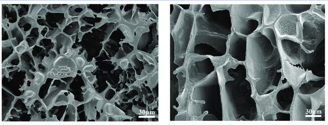
Figure 5: Microscopic morphological characterization of gel. (a) gel structure after aging at 130 • C; (b) gel structure after aging at 130 • C. From DOI: 10.3390/gels10050337
Excipients Used in Preparation of Industrial Gels Generally Can Be
Antimicrobial preservatives, Antioxidant, Chelating, Humectants, Fragrances, emulsifier gelling agents, Permeation enhancer, Cosolvent, Polymers, Colour, Adhesives, Adsorbents, Air displacement agents, Anticaking agents, Antifoaming agents, Antifungal preservative, Binders, Buffering agents, Flocculating agents, Lubricating agents.
Idrophilic Polimers
Guar gum, pectine, alginate, carrahenin, xantan gum, gelatin, amido, carbopol, natrosol, HPMC.
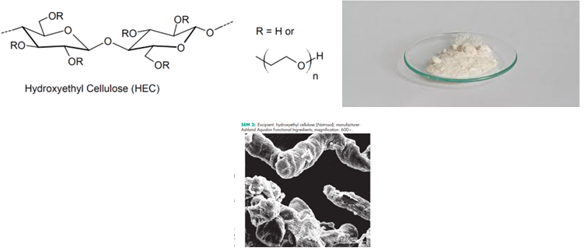
Figure 6: 6a, (6b) Natrosol hydroxietilcellulose, (C) Hydroxietilcellulose (manification 600x) From Handbook of pharmaceutical excipients 6th edition
Between the Preservants: Parabens 0,2%, benzoic acid 0,2%, clorocresol 0,1%
Preparation Methods
It Depends on the kind of gelificant agent to be used carbopol slow adding in water under great mixing, because it is an acrilic acid derivate for gelification is needed to change PH (since PH 7) adding little amount NAOH (the reat number of -COOH become -COO- with increase in electrostatic repulsion). When added the bases il little amounth the PH variation can be observed with PH litmus test or observing the gelification. An example is alchoolic disinfectant acrilic gel for wash hands.
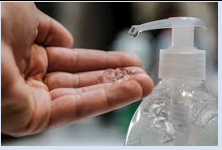
Figure 7
Carbopol 940 0,5 gr, trietanolamin (1:1 in water) as needed, alcohol 96 grades 75 ml, glicerin 5 ml, H2O2 3 ml and water q.b 100 ml add alchool water and glicerin, then H2O2 mixing and the carbopol. Add little amount of the bases and check PH or the gel produced.
Gelatin: Dispersing it in hot water and then cooling it.
Meti cellulose: Disperse in hot water (80-90 grades) under mixing, add the rest of water and cooling. It is need to avoid grumes adding the gelificant at “rain”, and wet before the powder with alcohol or propilen glicol then add the hot water.
Preservant: The water gel must to preserved adding parabens 0,1% to avoid growth of microorganisms. The presence of alcohol help but the gels can dry more rapidly.
Hidroxietil cellulose gel: Boil the water to reduce possible microbic charge. In becker Add water and glycerin, Disperse HEC and the preserving. The glicerin is used to increase the solvation and wettability of HEC.
GEL base for cutaneous FU XII ED Use
Caramellosa sodium 5 gr, glicerol 85 gr, depurated water at final 100 gr. It can be sobstitute caramellosa whit Idroxietil cellulose 2,5 gr working at hot temperature. Add in a beker at veil the the IEC in hot water, then add the glicerol mixing slowly with wand to avoid air incorporation and let cooling since gelification. It is needed a preservant. The APIS must to be solved before in the right solvent in which they are soluble a then gelifing the system. (for the water-soluble APIs using water, alchool, glicerol) and oil for liposoluble.
Piroxicam Hydroalchoolic GEL
Piroxicam 500 mg, idroxipropil cellulose 1,75gr, propilenglicol 4,1gr, Polisorbate 80 1,7gr, isopropilic alchool 70% since total weigth of 100 gr. Add idroxipropilcellulose to isopropilic alchool mixing since gelification, a part mixes the piroxicam with propilen glicole and polisorbate 80 and then using the geometric mixing method add the gel previously prepared.
Other Example of Formulation
Miconazole 20mg/g oral gel (for Candida oral infection) Idrossimetilpropil cellulosa; glicerol; depurated water qb 100g.
Gel Idrofobic (oleogel): Basis usually liquid paraffin with polietilene or oil and fats gelefied with colloidal silica or alluminium od zinc soaps. The gelification is obtained with additive like hydrogenated ricin oil, stearate, micronized silica at 3-8%.
Silica Colloidal Lipogel
Silice colloidal (micronized) anidra g 5 sweet almonds oil g 95 in a becher la silice, that is great voluminose, then add oil mixing slowly without intake air. Rest for 1 hour to get the gel It can be added fragrance 0,5% 0,5-1% di tocoferol acetate or 0,01% di BHT as antioxidant.
Control of the Galenic GELS
Verify of the procedure followed aspect Ph verify (if request) amount prepared to be dispensed check of the closing system verify of the right labeling.
Sterility and Microbiological Quality
The gels can be considered and labeled non sterile or sterile according the procedure followed (aseptic technique, use of filter 0,22 micron and the kind of galenic lab). In industrial products are required specific test for microbic contamination, allergizant effect in Pediatric emergency department it is of interest the formulation of LAT GEL. According E. Benelli et al 2013 “Local anaesthesia LA for lacerations is obtained by perlesional injections of lidocaine, which are painful. Ready-made anesthetic gels that can be directly put on the laceration with no pain and that have anesthetic and haemostatic power are available. Between these, LAT gel (lidocaine 4%, adrenaline 0.05%, tetracaine 0.5%) was found to be safe and effective”.
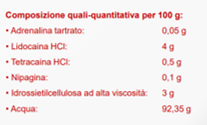
Lat gel (lidocain, adrenalin, tetracain) composition, Store at 2-8 grades, expiration date: 90 days if used preserves. Pediatric use, not considered sterile (See Galenic printery SIFO Italy: required powder hood for the preparation, needed normal lab glassware, not required Millipore filter, 60 days expiry time).
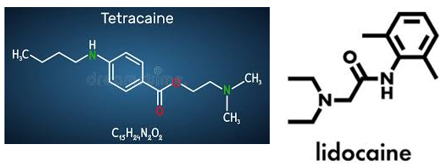
Figure 8: Tetracain and lidocain formula
Lidocaine is classified as Poison in table 3 of the Italian pharmacopeia XII ed. so it must to be stored in a closed cabinet with key (responsibility of the pharmacist) Clinical Trial West J Med. 1997 Aug; Topical lidocaine adrenaline tetracaine (LAT gel) versus injectable buffered lidocaine for local anesthesia in laceration repair A A Ernst, E Marvez-Valls, T G Nick, T Mills, L Minvielle, D Houry. “The objective of the study work was to compare topical lidocaine adrenaline tetracaine (LAT gel) with injectable buffered lidocaine with epinephrine regarding pain of application or injection and anesthesia effectiveness. 66 patients were entered, 33 in the LAT gel group and 33 in the injectable buffered lidocaine group. Injection was found to be significantly more painful than application of gel (P < 0 xss=removed xss=removed xss=removed>
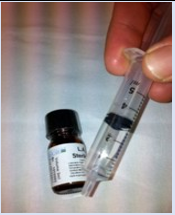
Figure 9: LAT gel from https://rightdecisions.scot.nhs.uk/nhs-tayside-ed-guidance/paediatrics/paediatric-analgesia/lat-gel/lat-gel-topical-anaesthetic-for-paediatric-wounds/
Calcium Gel
APIs: Calcium gluconate 2,5% e lidocain 2%, propilen glicole, nipagin, gelificant hydroxietilcellulose, water Expiry time 30 days (but 90 days if used preservants) Not avaiable in commerce in italy, antidothe for cutaneous intoxication by fluridric acid classified as priority II, needed avaiability into two hours in emergency departement. C-Gel combines with and neutralises the fluoride ion present in HF acid. It must to be used as source of calium the gluconate ends not the calclium cloride because it is irritant for the cute and lesion area. After the preparation it can be used alluminiun tubes to be filled and closed. (In emergency situation if not available it can be prepared mixing lidocaine gel 1-2,5% plus calcium gluconate in adequate parts following the indication of a Poison center).
Calcium Gel composition
Calcium gluconate 2,5 gr
Lidocaine cloridrtate 2 gr
Hydroxietilcellulose 5 gr
Propilen glicole 15,5 gr
Nipagin 0,10 gr
Water PI 75 GR
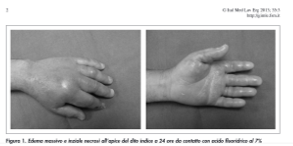
Figure 10: From G Nicoletti el al
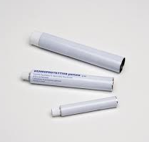
Figure 11: Alluminium tubes for galenic use
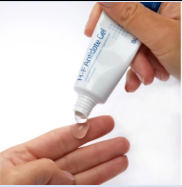
Figure 12: CALCIUM gel storage 2-8 grades
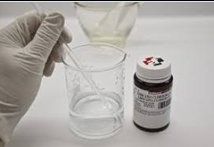
Figure 13: Xylocain viscose 2% oral gel
Physiological Factors Affecting the Skin Penetration: Skin integrity, level of hydration, temperature, regional variation, Traumatic or pathologic injury, Cutaneous drug metabolism Formulation Factors Affecting the specific.
Skin Penetration: Penetration enhancer, Occlusivity, API concentration, Ph, Solubility, Surfactant used.
Other Examples of Gel: Oftalmic gel, sterile, of industrial production, antimicrobial gels, ginecological gels, cosmetic gels, phitotherapic gels, toothpaste, anti -sunburn gels and other.
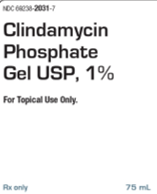
Figure 14: An antibiotic gel
Between pharmaceutical industry gels, Apis or phytotherapic, metronidazole, ketoprofene, diclofenac, heparin, antihistaminics, tretionin, azelaic acid, TST, Aloe, arnica, Calendula and other.
Results
Emily Vandamme et “LAT gel is a topical anesthetic that can be applied on lacerations before suturing. It is considered easy to use and less painful than infiltrative anesthesia IA. Its use in laceration management has been studied the most in younger children. We aimed to describe the potential value of the use of LAT gel in older children and adults with simple lacerations. LAT gel is a valuable alternative to infiltrative anesthesia for laceration repair. Its use should not be limited to children. The application of LAT gel seems to be specifically suitable for the short lacerations (<4>
L R Chick et al “Hydrofluoric acid HF is used extensively as an industrial cleaning agent for metals and glass. Many workers are injured by cutaneous contact of the acid with exposed skin surfaces, particularly hands. Hydrofluoric acid HF burns are characterized by delayed onset of symptomatology with skin ulceration, and severe pain may be of extended duration. Treatment of hydrofluoric acid HF burns traditionally has consisted of local infiltration or intraarterial injections of calcium solutions. These injections are painful and frequently require retreatment. A new treatment utilizing a topical gel of calcium carbonate is described 9 patients have been treated for hydrofluoric acid burns of the hand with calcium carbonate gel applied topically and covered with occlusive glove dressings. A gel slurry is compounded from calcium carbonate tablets and K-Y Jelly. The calcium carbonate gel technique was successfully utilized in nine patients with no further need for injection therapy. In these patients, pain relief was obtained within 4 hours of treatment, with no further progression of skin ulceration. No reconstructive procedures were required in any patient, and only one patient did not return to full-duty work within 1 week. There were no long-term sequelae from burns treated with this topical therapy, except 1 patient, who presenting 24 hours after the burn, developed a digital tip neuroma that was excised [2].
Soichiro Yamashita et al “Oral viscous lidocaine OVL is useful for the treatment of symptoms induced by oral inflamed mucosa, such as radiation- or chemotherapy-induced mucositis. The toxic reactions associated with an accidental overdose have been reported in pediatric cases. We report a case of lidocaine toxicity in a 22-year-old man during frequent viscous lidocaine use for severe painful tongue ulcer. The toxic symptoms developed when the amount of oral viscous lidocaine OVL exceeded 240 ml per day. The serum lidocaine concentration associated with this use was 6.7 microg/ml. The toxic symptoms continued in spite of the serum lidocaine SL concentration below the toxic level after the start of a diluted preparation, which contained a half-dose lidocaine. should consider the risk of lidocaine toxicity in cases of frequent viscous lidocaine use, and determine the serum concentrations of lidocaine and its metabolites [3].
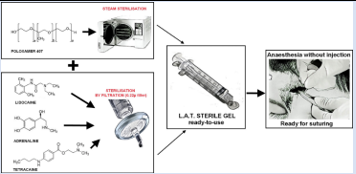
Figure 15: from https://doi.org/10.1016/j.ejps.2019.104962 L.A.T. gel made with Poloxamer 407 and a two-step sterilization method.
Public Health Advisory: Life-Threatening Side Effects with the Use of Skin Products Containing Numbing Ingredients for Cosmetic Procedures 1/2009 For current information on this issue 2/6/2007. “FDA is issuing this advisory to alert you to the potential hazards of using skin numbing products: topical anesthetics, for cosmetic procedures. These topical anesthetics TA contain anesthetic drugs such as lidocaine, tetracaine, benzocaine, and prilocaine in a cream or gel.
Topical anesthetics TA are widely used to numb the skin for medical and cosmetic procedures, and to relieve pain and burning and itching due to a variety of medical conditions a topical anesthetic TA is prescribed or recommended for a procedure and you choose to use one, consider the following use a topical anesthetic approved by the FDA use a topical anesthetic TA that contains the lowest amount of anesthetic drugs possible that will relieve your pain. Ask your doctor if the number of anesthetic drugs in the cream is needed or advised for your procedure. Ask your doctor what side effects are possible from these drugs and how to lower your chance of having life-threatening side effects from these drugs be sure you receive instructions from your doctor on how to safely use the topical anesthetic TA. Apply as little of the cream to cover the affected skin area for the briefest period possible. If wrapping or covering the skin with any type of material or dressing is recommended or desired, be aware that this step can increase the chance of side effects [4].
Sharon Elad et al “The additional use of topical anesthetics/analgesics can help make this task easier in times when oral mucositis OM is present such as viscous xylocaine, dyclonine or diphenhydramine for those with allergies to esters and amides; topical analgesics TA such as doxepin and opioids may also reduce pain thus facilitating oral care [5].
Practical Experience
Time of Observation: 1 year
Place: Public hospital Galenic lab Pc AREA.
Kind of Preparation: LAT GEL a Calcium GEL (formulation with preservant NIPAGIN, not labeled as sterile).
Normative Rules Followed: D.M. del 18 November 2003.
Outcomes Measure: ADR and FV reports.
Results: No reported any major non conformity related quality and safety of the preparation during the time of observation.
Discussion
In hospital practice various gels are requested to the galenic laboratory of the pharmacy. This galenic form make possible to deliver the APIS needet in the right way. Because its specific chemico physical properties some consideration must to be taken in consideration. Dissolve APIS in their solvent first when possible before to add the gelificant. Verify the concentration of the gelificant to be used to obtain the final product with the characteristic needed. Work at hot temperature (80-90 grades) if needed. Mix slowly or in order to Not to incorporate air. Add preservants expecially for acqueous based gels. Use water PI or bolied dep. water to avoid microbiological problem.
If required sterile final product: Work in aseptic way, use filter for final product 0,22 micron.
Expiry time: For calcium gel 30 days if withour preservant, 90 days if the formulation have inside the Nipagin.
Check the final container closing systems and the rigth labeling (poison label, and sterile only if required or followed specific procedure). To be specified also on the label the need to store at 2-8 grades and the right expiration data. Calcium gel is provided in alluminiun tube for cream-gel and then closed, insteads the LAT GEL is provided in siringe do 5 ml with luer lock closing. The xylocain viscose 2% gel is provided in flac. 200 ml dark glasses with closing system.
Conclusion
Due by its specific chemico-phisical and pharmaceutical properties the gel as galenic form are a good. Method in order to veiculate APIS for the needed use. Expecially. In water-based gel it is necessary to use preservants to avois microbs growth, use water PI or bolied. In lipogel is useful to use antioxidants. The Apis befor to be used must to be solved or in water or alchool or glicerin if water soluble or in oil if liposoluble. The gelificant must to be emploied at the right concentration, withous incorporating air during the mixing phase and working at hot temperature is needed. The glicerin is used to increase the solvation and wetability (HEC). This excipeint must to be added slowly (at “rain” method) avoiding grumes. To be taken in consideration for the pediatric use to possible adverse event when using lidocain oral gel.
Conflict of interest
No
References
- Emily Vandamme, Sabine Lemoyne, Anne van der Gucht, Pieter de Cock, Patrick van de Voorde. (2017). LAT gel for laceration repair in the emergency department: not only for children?. Eur J Emerg Med, 24(1):55-59.
Publisher | Google Scholor - L R Chick, G Borah. (1990). Calcium carbonate gel therapy for hydrofluoric acid burns of the hand. Plast Reconstr Surg, 86(5):935-940.
Publisher | Google Scholor - Soichiro Yamashita, Shigehito Sato, Yoshihiro Kakiuchi, Masayuki Miyabe, Hiroshi Yamaguchi. (2002). Lidocaine toxicity during frequent viscous lidocaine use for painful tongue ulcer. Case Reports J Pain Symptom Manage, 24(5):543-545.
Publisher | Google Scholor - Public Health Advisory: Life-Threatening Side Effects with the Use of Skin Products Containing Numbing Ingredients for Cosmetic Procedures.
Publisher | Google Scholor - Sharon Elad, Judith E Raber-Durlacher, Michael T Brennan, Deborah P Saunders, Arno P Mank, Yehuda Zadik, Barry Quinn, Joel B Epstein, Nicole M A Blijlevens, Tuomas Waltimo, Jakob R Passweg, M Elvira P Correa, Göran Dahllöf, Karin U E Garming-Legert, Richard M Logan, Carin M J Potting, Michael Y Shapira, Yoshihiko Soga, Jacqui Stringer, Monique A Stokman, Samuel Vokurka, Elisabeth Wallhult, Noam Yarom, Siri Beier Jensen. (2014). Basic oral care for hematology–oncology patients and hematopoietic stem cell transplantation recipients: a position paper from the joint task force of the Multinational Association of Supportive Care in Cancer/International Society of Oral Oncology (MASCC/ISOO) and the European Society for Blood and Marrow Transplantation (EBMT). Support Care Cancer, 23(1):223-236.
Publisher | Google Scholor - E. Benelli, D. Zanon, S. Bressan, G. Facchina, K. Vecchiato, S. Pusceddu, E. Neri, R. Giorgi, C. Germani. (2013). Efficacia anestetica del LAT gel per ferite superficiali in una popolazione pediatrica. Già fatto?!. Medico e Bambino pagine elettroniche, 16(5).
Publisher | Google Scholor - Davide Zanon, Chiara Volpato, Riccardo Addobbati, Stefano Loiacono, Alessandra Maestro Egidio Barbi, Natalia Maximova, Maria Grazia Mamolo, Daniele Zampieri. (2019). Stability of a novel Lidocaine, Adrenaline and Tetracaine sterile thermosensitive gel: A ready-to-use formulation. European Journal of Pharmaceutical Sciences, 136:104962.
Publisher | Google Scholor