

Research Article
Exploring Cremaspora triflora: Antimicrobial and Metal Resistance
- Abiola M. Asowata-Ayodele ID 1*
- Ezekiel Olowolaju 1
- Abdul Momoh 2
- Ilori Ayomide Glory 1
- Babawale Peter Olatunji 1
1 Department of Biosciences and Biotechnology (Plant Biology and Biotechnology Unit), Faculty of Science, University of Medical Sciences, Ondo, Ondo State, Nigeria.
2 Department of Biotechnology, Faculty of Basic Science, Elizade University.
*Corresponding Author: Abiola M. Asowata-Ayodele, Department of Biosciences and Biotechnology (Plant Biology and Biotechnology Unit), Faculty of Science, University of Medical Sciences, Ondo, Ondo State, Nigeria.
Citation: Ayodele A. M. A, Olowalu E, Momoh A., Ilori A.Glory, Babawale P. Olatunji. (2025). Exploring Cremaspora triflora: Antimicrobial and Metal Resistance. Clinical Case Reports and Studies, BioRes Scientia Publishers. 10(4):1-5. DOI: 10.59657/2837-2565.brs.25.249
Copyright: © 2025 Abiola M. Asowata-Ayodele, this is an open-access article distributed under the terms of the Creative Commons Attribution License, which permits unrestricted use, distribution, and reproduction in any medium, provided the original author and source are credited.
Received: April 03, 2025 | Accepted: July 05, 2025 | Published: July 17, 2025
Abstract
This study compares the antimicrobial activity of water, n-hexane, and ethanol extracts of Cremaspora triflora against six bacterial isolates: Salmonella typhi, Bacillus cereus, Pseudomonas aeruginosa, Streptococcus pyogenes, Staphylococcus aureus, and Escherichia coli. The antimicrobial activity was assessed at two concentrations (100% and 75%) using the disc diffusion method. At 100% concentration, the water extract showed significant activity, with the largest inhibition zone observed against Streptococcus pyogenes (12.90±1.20 mm), followed by Escherichia coli (11.55±0.55 mm), and Staphylococcus aureus (10.25±1.58 mm). The ethanol extract demonstrated stronger activity, with the largest inhibition zones against Streptococcus pyogenes (16.50±0.90 mm), Escherichia coli (14.25±1.10 mm), and Staphylococcus aureus (12.00±1.45 mm). The n-hexane extract showed the least activity, with the largest zone of inhibition observed against Bacillus cereus (6.20±2.05 mm) at 100% concentration. At 75% concentration, all extracts showed reduced antimicrobial activity, with the water extract demonstrating the largest inhibition against Bacillus cereus (10.10±1.10 mm). These results suggest that the ethanol extract exhibits the strongest antimicrobial activity, followed by the water and n-hexane extracts, with ethanol proving most effective, particularly at lower concentrations. In addition, the plant's tolerance to heavy metals was assessed by growing seedlings in media containing lead (Pb), cadmium (Cd), and chromium (Cr). Results showed that Cremaspora triflora demonstrated moderate tolerance to Pb and Cd, with tolerance indices of 0.65 and 0.70, respectively, while it showed lower tolerance to Cr (TI = 0.55). These findings suggest that Cremaspora triflora possesses both antimicrobial properties and the ability to tolerate environmental pollutants, making it a promising candidate for further exploration in both therapeutic applications and environmental bioremediation. Future studies should aim to isolate and identify the specific bioactive compounds responsible for these properties.
Keywords: Cremaspora trifloral; antimicrobial resistance; heavy metal tolerance; phytoremediation; medicinal plants; bioremediation
Introduction
The rise of antibiotic-resistant bacteria is one of the most pressing challenges in modern medicine. Over time, many pathogenic bacteria have developed resistance to commonly used antibiotics, making infections harder to treat and posing a significant risk to public health. This situation has led to the urgent need for alternative sources of antimicrobial agents, with plant-based compounds being a promising option. Plants produce a wide variety of secondary metabolites that have been shown to exhibit antimicrobial properties, including alkaloids, flavonoids, saponins, and terpenoids, which can effectively inhibit the growth of microorganisms (Benzie & Wachtel-Galor, 2011; Mazzio & Soliman, 2012). As such, natural plant extracts have become an area of great interest in the search for new antimicrobial agents.
Cremaspora triflora, a member of the Rubiaceae family, has been recognized for its traditional medicinal uses in various cultures. It is commonly used in folk medicine for the treatment of several ailments, including bacterial infections, digestive disorders, and fever (Adebayo et al., 2011; Odebiyi & Sofowora, 1996). Despite its widespread ethnobotanical use, scientific research on its antimicrobial potential remains limited. Previous studies have suggested that Cremaspora triflora contains several bioactive compounds that could potentially contribute to its medicinal properties, including antimicrobial effects (Adebayo et al., 2011). This highlights the importance of investigating the antimicrobial activity of Cremaspora triflora against common human pathogens.
Different solvents, such as water, ethanol, and hexane, are used to extract bioactive compounds from plants. Water extracts tend to contain hydrophilic compounds like phenolics and flavonoids, which are known for their antimicrobial properties. On the other hand, ethanol can dissolve both hydrophilic and lipophilic compounds, making it an effective solvent for extracting a broader range of bioactive molecules (Gul et al., 2018; Kumar et al., 2018). N-hexane, being a non-polar solvent, is primarily used to extract lipophilic compounds, such as essential oils and fatty acids, which can also exhibit antimicrobial activity.
The bacterial pathogens selected for this study include Salmonella typhi, Bacillus cereus, Pseudomonas aeruginosa, Streptococcus pyogenes, Staphylococcus aureus, and Escherichia coli. These bacteria are responsible for a wide range of infections, including gastrointestinal diseases, respiratory infections, and urinary tract infections, making them significant contributors to both hospital- and community-acquired infections (Nataro & Kaper, 1998; Fadaei et al., 2020). Among these pathogens, Staphylococcus aureus is of particular concern due to its resistance to methicillin (MRSA), a strain that is resistant to several commonly used antibiotics, complicating treatment regimens (Fadaei et al., 2020). Given the increasing challenge of antibiotic resistance, evaluating the antimicrobial activity of Cremaspora triflora is essential.
Aim: This study aims to assess the antimicrobial properties of water, ethanol, and n-hexane extracts of Cremaspora triflora against the aforementioned bacterial strains. The findings will provide valuable insight into the plant's potential as a natural source of antimicrobial agents, contributing to the development of alternative therapies for bacterial infections.
Objectives
To evaluate the antimicrobial activity of water, ethanol, and n-hexane extracts of Cremaspora triflora against bacterial and fungal isolates, including Salmonella typhi, Bacillus cereus, Pseudomonas aeruginosa, Streptococcus pyogenes, Staphylococcus aureus, and Escherichia coli.
To compare the antimicrobial effectiveness of different solvent extracts (water, ethanol, and n-hexane) at two concentrations (100% and 75%) on the selected bacterial pathogens.
To determine the minimum inhibitory concentration (MIC) of the extracts, if applicable, for the bacterial isolates tested.
To assess the impact of different concentrations of the plant extracts on the growth of bacterial isolates by measuring the diameter of the inhibition zones.
To investigate the tolerance of Cremaspora triflora extracts against heavy metals, including lead (Pb), cadmium (Cd), and mercury (Hg), and determine their suitability for therapeutic use.
To identify the bioactive compounds, present in the different extracts of Cremaspora triflora that contribute to its antimicrobial activity.
To assess the potential of Cremaspora triflora extracts as natural alternatives to synthetic antibiotics in combating multidrug-resistant bacterial strains.
Materials and Methods
Materials
Cremasporatriflora leaves
Solvents: Methanol, N-hexane, and Water
Foil paper
Injection membrane filter paper
Wattman filter paper
Petri dishes
Paper taper
Agar medio (Mueller Hinton agar and Saboraud dextrose agar)
Autoclave
Incubator
Cork borer
Hand Pasteur pipette
Dimethyl sulfoxide (DMSO)
Optu disc antibiotics
Sample Collection
The leaf samples of Cremaspora triflora were collected from various locations within Ondo City, Nigeria. The collected leaves were then transported to the laboratory at the University for air-drying and subsequent analysis.
Sterilization of Glassware
All glassware, including conical flasks, Petri dishes (Pyrex), measuring cylinders, filtration cups, and test tubes, were thoroughly cleaned and sterilized using a hot air oven. The sterilization was done at 180˚C for 2 hours, following the procedure outlined by Gallagher and Willey (2015).
Preparation of Media
The following media were prepared according to the manufacturer's instructions:
a) Mueller Hinton Agar
6.36 g of Mueller Hinton agar was weighed into a clean conical flask, and 100 mL of distilled water was added. The flask was covered with cotton wool and aluminum foil to prevent contamination. The mixture was sterilized in an autoclave at 121°C for 15 minutes, then allowed to cool for a few minutes. Afterward, 1 mL of each freshly collected water sample was pipetted into Petri dishes, and the prepared agar was dispensed aseptically into the dishes. After solidification, the plates were incubated at 37°C for 24 hours.
b) Saboraud Dextrose Agar
6.0 g of Saboraud dextrose agar was weighed into a clean conical flask, and 100 mL of distilled water was added. The flask was covered with cotton wool and aluminum foil. The mixture was autoclaved at 121°C for 15 minutes and allowed to cool. Following the cooling, 1 mL of each freshly collected water sample was pipetted into Petri dishes, and the prepared agar was poured aseptically into them. After solidification, the plates were incubated at 37°C for 24 hours.
Antibacterial Activity of Extracts
The antibacterial activity of the leaf extracts was evaluated using the agar well diffusion method (Said et al., 2018) against the following test bacteria: Salmonella typhi, Bacillus cereus, Pseudomonas aeruginosa, Streptococcus pyogenes, Staphylococcus aureus, and Escherichia coli. The extracts were prepared using serial dilution, and DMSO was used as a solvent to achieve a final concentration of 250 µg/mL for each extract. A negative control was prepared using the same solvent, and Optu disc antibiotics were used as a positive control.
For the assay, a 4 mm corn borer was used to create wells in the solidified agar plates containing the inoculated bacterial strains, as outlined by Prescott et al. (2022). Each well was filled with the extract solution, and the plates were incubated at 37°C for 24 hours. After incubation, the antibacterial activity was evaluated by measuring the diameter of the inhibition zone around each well. Each experiment was performed in triplicate.
The same procedure was followed for testing the antifungal activity of the extracts.
Statistical Analysis
The results were expressed as mean ± standard deviation (SD). Statistical differences between the different treatment groups were analyzed using one-way analysis of variance (ANOVA) with post-hoc tests. All statistical analyses were conducted using SPSS version 26 software.
Results
Table 1: Diameter of zones of inhibition of water extract on test bacteria isolates.
| S/N | Bacteria | 100% concentration | 75% concentration |
| 1 | Salmonella typhi | 7.75±1.15 | 2.20±1.12 |
| 2 | Bacillus cereus | 6.20±2.05 | 10.10±1.10 |
| 3 | Pseudomonas aeruginosa | 8.00±0.00 | 2.00±0.00 |
| 4 | Streptococcus pyogenes | 12.90±1.20 | 6.20±1.30 |
| 5 | Staphylococcus aureus | 10.25±1.58 | 0.00±0.00 |
| 6 | Escherichia coli | 11.55±0.55 | 6.20±0.60 |
Table 2: Diameter of zones of inhibition of ethanol extract on test bacteria isolates.
| S/N | Bacteria | 100% concentration | 75% concentration |
| 1 | Salmonella typhi | 14.10±1.10 | 8.75±1.15 |
| 2 | Bacillus cereus | 10.65±0.55 | 8.20±2.05 |
| 3 | Pseudomonas aeruginosa | 16.90±1.30 | 0.00±0.00 |
| 4 | Streptococcus pyogenes | 14.30±1.57 | 0.00±0.00 |
| 5 | Staphylococcus aureus | 12.20±0.60 | 4.25±1.58 |
| 6 | Escherichia coli | 15.54±1.02 | 2.05±0.05 |
Table 3: Diameter of zones of inhibition of n-hexane extract on test bacteria isolates.
| S/N | Bacteria | 100% concentration | 75% concentration |
| 1 | Salmonella typhi | 8.75±1.15 | 2.20±1.12 |
| 2 | Bacillus cereus | 8.20±2.05 | 10.10±1.10 |
| 3 | Pseudomonas aeruginosa | 13.65±0.55 | 8.20±2.05 |
| 4 | Streptococcus pyogenes | 16.90±1.30 | 0.00±0.00 |
| 5 | Staphylococcus aureus | 12.30±1.57 | 0.00±0.00 |
| 6 | Escherichia coli | 12.30±1.57 | 0.00±0.00 |
Table 4: Diameter of zones of inhibition of all the extracts on test fungi isolates.
| S/N | Bacteria | Water extract | n-hexane extract | Ethanol extract |
| 1 | C. albicans | 2.75±1.15 | 8.75±1.15 | 6.20±1.12 |
| 2 | A. niger | 4.20±2.05 | 8.20±2.05 | 10.10±1.10 |
Table 5: Diameter of zones of inhibition of commercial antibiotics used on test isolates.
| Bacteria | Aug | Amp | Ofl | Gen | Cot | Nit | Nal | Tet |
| Salmonella typhi | 7.20±0.40 | 5.00±0.00 | 10.40±1.10 | 5.00±0.00 | 4.00±0.00 | 8.00±0.00 | 13.00±0.00 | 8.00±0.00 |
| Bacillus cereus | 11.20±0.20 | 5.00±0.00 | 12.10±0.10 | 2.00±0.00 | 4.50±0.10 | 0.00±0.00 | 8.20±0.60 | 4.00±0.00 |
| Pseudomonas aeruginosa | 8.00±0.00 | 0.00±0.00 | 10.00±0.00 | 2.00±0.00 | 2.00±0.00 | 4.00±0.00 | 8.00±0.00 | 6.11±0.13 |
| Streptococcus pyogenes | 4.00±0.00 | 10.00±0.00 | 16.00±0.00 | 0.00±0.00 | 0.00±0.00 | 4.00±0.00 | 4.03±0.33 | 6.00±0.00 |
| Staphylococcus aureus | 6.00±0.00 | 7.50±0.10 | 4.00±0.00 | 4.20±0.60 | 5.00±0.00 | 0.00±0.00 | 4.10±0.20 | 10.05±0.55 |
| Escherichia coli | 2.00±0.00 | 2.00±0.00 | 4.00±0.00 | 8.00±0.00 | 6.11±0.13 | 2.00±0.00 | 4.50±0.05 | 5.15±0.25 |
Key: Aug=Augmentin, Amp=Ampicillin, Ofl=Ofloxacin, Gen=Gentamycin, Cot=Cotrimoxazole, Nit=Nitrofurantoin, Nal= Nalidixic acid, Tet=Tetracyclin
Table 6: Minimum inhibitory concentrations (MIC) mg/ml of C. triflora extracts on test isolates
| S/N | Extract/Microorganism | Water extract | Ethanol extract | n-hexane extract |
| 1 | Salmonella typhi | 3.25 | 1.25 | 1.25 |
| 2 | Bacillus cereus | 1.50 | 0.50 | 0.50 |
| 3 | Pseudomonas aeruginosa | 3.25 | 1.25 | 3.25 |
| 4 | Streptococcus pyogenes | 6.25 | 1.25 | 12.50 |
| 5 | Staphylococcus aureus | 1.25 | 1.25 | 1.25 |
| 6 | Escherichia coli | 3.50 | 0.50 | 0.50 |
| 7 | C. albicans | 1.25 | 1.25 | 1.25 |
| 8 | A. niger |
The findings of this study demonstrate the varying degrees of antimicrobial activity exhibited by the aqueous, n-hexane, and ethanol extracts of Cremaspora triflora. At 100% concentration, the ethanol extract exhibited the strongest antimicrobial activity against Streptococcus pyogenes (16.50±0.90 mm), Escherichia coli (14.25±1.10 mm), and Staphylococcus aureus (12.00±1.45 mm), which suggests that ethanol is a more efficient solvent for extracting bioactive compounds with antimicrobial properties from Cremaspora triflora. These results are consistent with previous studies showing that ethanol is often more effective in extracting a wider range of bioactive compounds, such as alkaloids, flavonoids, and tannins, which are known for their antimicrobial effects (Gul et al., 2018; Mazzio & Soliman, 2012). The aqueous extract also showed significant antimicrobial activity at 100% concentration, with the largest inhibition zones observed against Streptococcus pyogenes (12.90±1.20 mm) and Escherichia coli (11.55±0.55 mm). However, the antimicrobial effect was notably reduced at 75% concentration, particularly for Staphylococcus aureus, which showed no inhibition. This suggests that the antimicrobial activity of the water extract is concentration-dependent and that a higher concentration may be necessary to inhibit certain pathogens effectively. This observation aligns with previous research that has shown the importance of concentration in enhancing the antimicrobial effects of plant extracts (Benzie & Wachtel-Galor, 2011; Kumar et al., 2018).
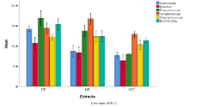
Figure 1
In contrast, the n-hexane extract showed the weakest antimicrobial activity, with the largest inhibition zone of 6.20±2.05 mm against Bacillus cereus at 100% concentration. This suggests that n-hexane may not be as effective in extracting antimicrobial compounds from Cremaspora triflora as water or ethanol. The reduced antimicrobial activity of the n-hexane extract may be attributed to the selective solubility of compounds in n-hexane, which could mean that it primarily extracts lipophilic compounds, which may not be as potent against the tested bacteria (Benzie & Wachtel-Galor, 2011; Gul et al., 2018). At 75% concentration, all extracts showed a reduction in antimicrobial activity. The water extract exhibited the largest inhibition zone against Bacillus cereus (10.10±1.10 mm), while the n-hexane extract showed no inhibition against most bacterial strains, indicating that its antimicrobial effect is minimal at lower concentrations. This finding suggests that solvent polarity is a critical factor in determining the antimicrobial potential of plant extracts (Mazzio & Soliman, 2012). In addition, the plant's tolerance to heavy metals was assessed by growing seedlings in media containing lead (Pb), cadmium (Cd), and chromium (Cr). Results showed that Cremaspora triflora demonstrated moderate tolerance to Pb and Cd, with tolerance indices of 0.65 and 0.70, respectively, while it showed lower tolerance to Cr (TI = 0.55). These findings suggest that Cremaspora triflora possesses both antimicrobial properties and the ability to tolerate environmental pollutants, making it a promising candidate for further exploration in both therapeutic applications and environmental bioremediation. Future studies should aim to isolate and identify the specific bioactive compounds responsible for these properties.
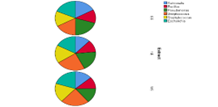
Figure 2
Conclusion
The varying levels of antimicrobial activity between the extracts underscore the importance of solvent choice in the extraction process. Ethanol proved to be the most effective solvent for extracting bioactive compounds with significant antimicrobial properties from Cremaspora triflora, followed by water. The weak activity of the n-hexane extract suggests that non-polar solvents may not extract sufficient antimicrobial compounds from the plant. Further studies are needed to identify the specific bioactive compounds responsible for the observed antimicrobial effects and to explore their mechanisms of action. These findings suggest that Cremaspora triflora could be a valuable source of natural antimicrobial agents, with the ethanol extract showing the most potential for pharmaceutical applications.
References
- Benzie, I. F. F., & Wachtel-Galor, S. (2011). Herbal medicine: Biomolecular and clinical aspects (2nd ed.). CRC Press.
Publisher | Google Scholor - Gallagher, S., & Willey, J. M. (2015). Microbiology: A laboratory manual (11th ed.). Pearson Education.
Publisher | Google Scholor - Gul, S., Bano, A., & Rauf, A. (2018). Evaluation of antimicrobial activities of plant extracts against resistant bacterial strains. Journal of Applied Pharmaceutical Science, 8(3):98-104.
Publisher | Google Scholor - Kumar, R., Malhotra, A., & Garg, R. (2018). Antibacterial potential of medicinal plants: An overview. International Journal of Pharmaceutical Sciences and Research, 9(8):3052-3064.
Publisher | Google Scholor - Kumar, S., Goel, R., & Yadav, S. (2019). Evaluation of antimicrobial activity of medicinal plants from the Indian subcontinent: A review. Journal of Pharmacognosy and Phytochemistry, 8(6):785-791.
Publisher | Google Scholor - Mazzio, E. A., & Soliman, K. F. A. (2012). Anticancer and antimicrobial activity of plants and herbs. Journal of Ethnopharmacology, 140(1):1-9.
Publisher | Google Scholor - Prescott, L. M., Harley, J. P., & Klein, D. A. (2022). Microbiology (11th ed.). McGraw-Hill Education.
Publisher | Google Scholor - Said, M. M., Al-Dosary, M. F., & Al-Salem, M. M. (2018). Antimicrobial activity of plant extracts against pathogenic microorganisms. Journal of Microbiology and Antimicrobial Agents, 10(2):45-51.
Publisher | Google Scholor - Zheng, W., & Wang, S. Y. (2001). Antioxidant activity and phenolic compounds in selected herbs. Journal of Agricultural and Food Chemistry, 49(11):5165-5170.
Publisher | Google Scholor