
Research Article
Detection of Alkaloid Abuse Drugs in Liquid Samples by Clinical Laboratory Methods
- Majid Rezaei Basiri 1-4*
- Amir Kiani 4
- Ali Shayanfar 1
- Ebrahim Mashhadi 3
- Darya Alilou 2
- Mahsa Shaabani 2
- Samira Shaabani 2
- Behzad Khodabakhsh 3
1 Department Pharmacology, Pharmacy school, Tabriz University of Medical Sciences, Tabriz, Iran.
2 Welfare organization of East Azarbayjan, Tabriz, Iran.
3 Hygiene central clinical Laboratory department, Tabriz University of Medical Sciences, Tabriz, Iran.
4 Regeneretive research center, Kermanshah university of medical sciences, Kermanshah, Iran.
*Corresponding Author: Majid Rezaei Basiri, Department Pharmacology, Pharmacy school, Tabriz University of Medical Sciences, Tabriz, Iran.
Citation: Majid R. Basiri, Kiani A., Shayanfar A., Ebrahim Mashhad E., Alilou D, et al. (2026). Detection of Alkaloid Abuse Drugs in Liquid Samples by Clinical Laboratory Methods, Journal of BioMed Research and Reports, BioRes Scientia Publishers. 10(2):1-9. DOI: 10.59657/2837-4681.brs.26.233
Copyright: © 2026 Majid Rezaei Basiri, this is an open-access article distributed under the terms of the Creative Commons Attribution License, which permits unrestricted use, distribution, and reproduction in any medium, provided the original author and source are credited.
Received: January 27, 2026 | Accepted: February 10, 2026 | Published: February 17, 2026
Abstract
Aim: Fifty fluids sample of abusers were examined for the presence of alkaloid abuse drugs in body liquids. Abuse drugs of liquid samples directly confirmed with rapid strip tests and their extracts were detected by quality and quantity TLC- UV methods.All of the study population were male and their age range were (Mean ±SD) = (41±22).
Methods: Samples were daily collected from abusers of Tabriz/Iran. Urine and Saliva extracts were prepared by using LPE method. The LPE were made and shacked by 9% saline solution and organic solvents of methanol and pure ethanol and cholorophorm and ammoniac with base productive of Merck company for every 10ml of liquid samples. Then after centrifugation under concentrated section of tubes were extracted. After separation to dryness with heater, the residue was dissolved in organic solvent of methanol to reach 20 to 50-fold concentration. For TLC-UV process, the extraction residues were provided to spotting on TLC plates for doing of thin layer chromatography. So, the detection limit of different abuse drugs standards was between 300-750 ng/ml.
Results: The quantity amount data analyzed by SPSS and IMAGEJ software’s. The result of this study has shown that above 94 percent of liquid samples from abusers in welfare organization of Tabriz /Iran were contained alkaloid abuse drugs and above 25 percent of these samples have shown drug interaction. Algorithm of constant Retention Factor parameter (RF) were comparisoned to all standards and abuse drugs.
Conclusion: This study describes importance of liquid phase extraction (LPE) and drug testing such as TLC analysis in comparison of other rapid tests.
Keywords: LPE; TDM; TLC-UV; AUC; RF; liquid extracts; alkaloid drugs; abusers
Introduction
Nowadays abuse drugs are globally problems that make one of the most side effects to public health. So, the selection of achievement methods to therapeutic drug monitoring (TDM) are requirement. The recovery related policy and guidelines issues not enough about the nature and distribution of all abuse drugs in the world. The perfected data to prevention and treatment of abuse disease are necessary, depend on different regional and globalization. The geographic local of some countries makes easy transit of opium compounds to the other west countries. Possibility of clinical positions to diagnostic and treatment of addiction are different in Middle east countries such as Iran. So, this study routinely refers to abuse drugs diagnosis in fluid samples such as urine and saliva. All abuse drugs and their metabolites are detectable in liquid samples. Then we have done rapid tests and confirmed of them by TLC method. Moreover, some of abuse drugs might be distinguished in these studies such Diacetyl morphine, Ethyl morphine, Hydromorphoine, Apomorphine, Morphine, Cannabis, Methadone, Tramadol, Buprexin, Amphetamine, Methamphe-tamine, Methylene Dioxy methamphetamine, Cocaine, Phencyclidine, Benzodiazepine, Three cyclic antidepressant, Phenobarbital and etc.., through this method. So, this epidemiological study supported by the clinical laboratory of welfare organization and Hygiene center. The quantities data related on detection not enough about the nature of all kinds abuse drugs in the world. These methods are extremely helpful in quick diagnosis of abuse compounds. So, several studies including screening and confirmation of abuse drugs by thin layer chromatography have done by TLC-UV system in forensic laboratories. So, this study exactly shows quality and quantity importance of thin layer chromatography for detection of drugs and abuse drugs by application of ImageJ software. With this background this study carried out TDM (Therapeutic Drug Monitoring) with TLC-UV system at toxicology laboratories of welfare organization and hygiene center in Tabriz/Iran [1-7].
Materials and Methods
Samples providing
2ml of every sample reached to 5ml with saline solution and one droplet of ammoniac to providing liquid phase extraction process (LPE). First some of samples were directly examined for presence or absence of some drugs and abuse compounds such morphine, amphetamine, methamphetamine by rapid strip tests. Each addicted subject was asked to give a fresh sample of his saliva and urine to the laboratory before recovery. All study population filled satisfy form to participating in study. Besides providing samples, agreed to complete a questionnaire focusing on their conditions and abuser history and life style conditions characteristics. All of participants were male mean aged were 41±22 years. All of them were smokers too. The study was submitted and approved by the local ethical committee. All gave their informed consent prior to them in the study. All liquid samples were daily collected from abusers and stored in refrigerator, then pH of samples changed to alkaline condition with adding one ammoniac droplet. The pH regulated with pH paper for each sample. Extraction tubes were provided with 1 ml pure 96% Merck company ethanol and 2ml of cholorophorm and 2ml methanol and 5ml of samples.
Rapid Tests
First, all liquid samples were examined with rapid strip tests then all urine and saliva extracts were examined with TLC method. However, the results of saliva and urine strip tests were positive before recovery.
LPE and TLC-UV process
All samples were daily collected from abusers of Tabriz/Iran. Urine and Saliva extracts were prepared by using LPE method. The LPE were made and shacked by 9% saline solution and organic solvents of methanol and pure ethanol and cholorophorm and ammoniac with base production of Merck company for 5ml of liquid samples. Then after centrifugation under concentrated section of tubes were extracted. After separation to dryness with heater, the residue was dissolved in organic solvent of methanol to reach 20 to 50-fold concentration. For TLC-UV process, the extraction residues were provided to spotting on TLC plates for doing of thin layer chromatography. So the detection limit of different abuse drugs standards was between 300-750 ng/ml. After the TLC process for confirming of spots tests for the all alkaloids were comparisoned with standards spots and were visualized by UV cabinet. [3-18]. In first step of this study all samples with adding one droplet ammoniac were directly done with rapid tests then confirmed with TLC- UV methods. After doing of TLC, quantity of abuse drugs by area under the curve (AUC) and IMAGEJ software were determined.
Results
AUC graphs and data of this study were analyzed by IMAGEJ software. According to results of this study Table1: Shows number of drugs and abuse drugs consumption lists between the study group before recovery.
Table2: Shows some of morphine TLC tests and standard quantities in before and after recovery. Table3: Shows some of amethamphetamine TLC test and standard quantities in before and recovery. Table4: Shows some of methamphetamine TLC test and standard quantities in before and recovery. Table5: Shows some of TLC test results that have shown drug interaction after recovery. Figure1 and Figure2 and Figure3 show AUC quantity of amphetamine and methamphetamine and morphine standards. Also, Figure4 shows AUC quantity of morphine TLC test in one patient. Image1.shows TLC plate with content negative results of amphetamine and methamphetamine in one recovered patient. Also, this plate shows that the RFof amphetamine(left) is more than the RFof methamphetamine(right)standard spots. Image2. shows TLC plate with content positive results of morphine(left) and morphine and codeine standard (right) in one unrecovered patient. Also, this plate shows that the RFof codeine (up right) is more than the RFof morphine (down right) standard spots. The RF (Retention Factor) is constant parameter for every drug in thin layer chromatography tests. The RF value indicates the relative distance one substance travels compared to the solvent. Hereby a ratio calculated in TLC representing the distance travelled by a component divided by the total distance travelled by the solvent. All calculation data was performed using SPSS and IMAGEJ softwares. The data were analyzed by using of variance (ANOVA ONE WAY) by post hoc comparison between groups were examined with student Newman kelus test and t-test. Differences in which p<0.05 were considered statistically significant. The results of this study show that above 94 percent of liquid samples from opioids abusers in Tabriz /Iran were contained alkaloid substances. however, drug interaction was happened in above 25 percent of these samples. [1-20].
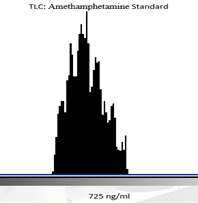
Figure 1: AUC of amphetamine standard dose
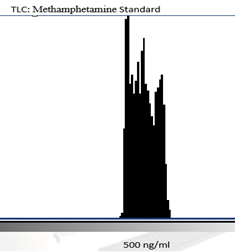
Figure 2: AUC of methamphetamine standard dose
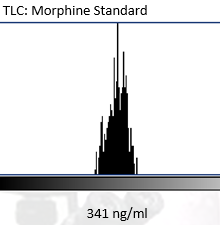
Figure 3: AUC of morphine standard dose
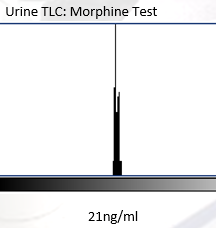
Figure 4: AUC one of patient morphine TLC test

Image 1: shows TLC plate with content negative results of amphetamine(left) and methamphetamine(right) in one recovered patient.

Image 2: shows TLC plate with content positive results of morphine(left) and morphine and codeine standard (right) in one unrecovered patient.
Table 1: Shows number of drugs and abuse drugs Consumption lists between the study group before recovery.
| Before recovery | Consumption | Men | Drug lists | |
| history | ||||
| Rapid strip Test | years | Ages Mean | Abuse drugs | No |
| Mean±SD | ||||
| + | 3y | 54 | THC | 1 |
| + | 2 y | 42 | Methadone | 2 |
| + | 1 y | 40 | TRM | 3 |
| + | 1y | 26 | Methamphetamine COC | 4 |
| + | 3 y | 41 | BAR | 5 |
| + | 1y | 30 | Codeine | 6 |
| + | 4y | 60 | BNZ | 7 |
| + | 3y | 57 | TCA | 8 |
| + | 1y | 35 | BAR | 9 |
| + | 1y | 33 | PCP | 10 |
| + | 1y | 30 | TCA | 11 |
| + | 2y | 58 | MOR | 12 |
| + | 9y | 61 | MOR | 13 |
| + | 10y | 55 | Buprenorphine | 14 |
| + | 4yr | 50 | 15 |
N=50, BNZ: Benzodiazepines, TCA: Three cyclic antidepressants, BAR: Barbiturates, TRM: Tramadol, PCP: Phencyclidine, THC: Cannabis, COC: Cocaine. Urine samples, Saliva fluid samples.
Table 2: Some of Morphine TLC tests and standard quantities in before and recovery period.
| STD conc | Recovery | Before recovery | consumption | Men | |
| period | history(year) | ||||
| ng/ml | ng/ml | ng/ml | Age | No | |
| 300 ng/ml | 0 ng/ml | 60 | 20 | 61 | 1 |
| 0 | 320 | 12 | 47 | 2 | |
| 0 | 170 | 11 | 46 | 3 | |
| 0 | 340 | 10 | 42 | 4 | |
| 0 | 205 | 8 | 39 | 5 | |
| 0 | 180 | 7 | 33 | 6 | |
| 0 | 240 | 9 | 39 | 7 | |
| 0 | 140 | 7 | 38 | 8 | |
| 0 | 210 | 7 | 35 | 9 | |
| 0 | 75 | 5 | 34 | 10 | |
| 0 | 80 | 3 | 35 | 11 | |
| 0 | 280 | 6 | 36 | 12 | |
| 0 | 210 | 11 | 47 | 13 | |
| 0 | 70 | 9 | 41 | 14 | |
| 0 | 230 | 7 | 43 | 15 | |
| 0 | 270 | 9 | 41 | 16 | |
| 0 | 160 | 12 | 44 | 17 | |
| 0 | 140 | 16 | 51 | 18 | |
| 0 | 55 | 10 | 50 | 19 | |
| 0 | 180 | 9 | 38 | 20 | |
| 0 | 260 | 7 | 40 | 21 | |
| 0 | 200 | 5 | 37 | 22 | |
| 0 | 105 | 8y | 34 | 23 | |
| 0 | 110 | 10 | 39 | 24 | |
| 0 | 50 | 8y | 58 | 25 | |
N=25, TLC test results Morphine and standard quantities (STD conc) in men abusers, Urine extract samples. Weak positive (75ng/ml<30 p=0.01,><05. Urine samples
Table 3: Some of A methamphetamine TLC test and standard quantities in before and recovery period.
| STD conc | Recovery | Before recovery | consumption | Men | |
| period | history(year) | ||||
| ng/ml | ng/ml | ng/ml | Age | No | |
| 750 ng/ml | 0 ng/ml | 30 | 3 | 60 | 1 |
| 0 | 190 | 11 | 44 | 2 | |
| 0 | 150 | 13 | 41 | 3 | |
| 0 | 130 | 10 | 43 | 4 | |
| 0 | 140 | 9 | 38 | 5 | |
| 0 | 100 | 8y | 36 | 6 | |
| 0 | 120 | 9 | 40 | 7 | |
| 0 | 140 | 8 | 35 | 8 | |
| 0 | 110 | 7y | 31 | 9 | |
| 0 | 40 | 6 | 39 | 10 | |
| 0 | 80 | 4 | 38 | 11 | |
| 0 | 50 | 5 | 33 | 12 | |
| 0 | 240 | 10 | 49 | 13 | |
| 0 | 60 | 11 | 40 | 14 | |
| 0 | 100 | 8 | 44 | 15 | |
| 0 | 160 | 11 | 48 | 16 | |
| 0 | 300 | 12 | 46 | 17 | |
| 0 | 390 | 18 | 53 | 18 | |
| 0 | 35 | 10 | 56 | 19 | |
| 0 | 75 | 8 | 40 | 20 | |
| 0 | 60 | 9 | 41 | 21 | |
| 0 | 90 | 5 | 38 | 22 | |
| 0 | 200 | 11 | 39 | 23 | |
| 0 | 280 | 12 | 41 | 24 | |
| 0 | 35 | 10 | 56 | 25 |
N=25, TLC test results Amethamphetamine and standard quantities (STD conc in men abusers, Urine extract samples. Weak positive (50ng/ml<30 p=0.005,><05. Urine samples
Table 4: Some of Methamphetamine TLC test and standard quantities in before and recovery period.
| STD conc | Recovery | Before recovery | consumption | Men | |
| period | history(year) | ||||
| ng/ml | ng/ml | ng/ml | Age | No | |
| 500 ng/ml | 0 ng/ml | 20 | 21 | 61 | 1 |
| 0 | 45 | 13 | 47 | 2 | |
| 0 | 50 | 12 | 46 | 3 | |
| 0 | 40 | 10 | 42 | 4 | |
| 0 | 60 | 8 | 39 | 5 | |
| 0 | 45 | 8 | 33 | 6 | |
| 0 | 55 | 9 | 39 | 7 | |
| 0 | 35 | 7 | 38 | 8 | |
| 0 | 30 | 7 | 35 | 9 | |
| 0 | 15 | 5 | 34 | 10 | |
| 0 | 75 | 3 | 35 | 11 | |
| 0 | 80 | 6 | 36 | 12 | |
| 0 | 70 | 10 | 47 | 13 | |
| 0 | 20 | 9 | 41 | 14 | |
| 0 | 65 | 6 | 43 | 15 | |
| 0 | 60 | 10 | 41 | 16 | |
| 0 | 50 | 13 | 44 | 17 | |
| 0 | 85 | 17 | 51 | 18 | |
| 0 | 15 | 9 | 50 | 19 | |
| 0 | 40 | 8 | 38 | 20 | |
| 0 | 45 | 6 | 40 | 21 | |
| 0 | 90 | 4 | 37 | 22 | |
| 0 | 80 | 8 | 34 | 23 | |
| 0 | 65 | 11 | 39 | 24 | |
| 0 | 25 | 9 | 58 | 25 |
N=25, TLC test results methamphetamine and standard quantities (STD conc) in men abusers, Urine extract samples. Weak positive (30ng/ml<30 p=0.004,><05. Urine samples
Table 5: Some of TLC test results have shown drug interaction after recovery process of some cases.
| Drug interactions | Consumption history | Men | Drugs or abuse Drugs | |
| >300ng/ml | year | Age | No | |
| 20ng/ml | 4y | 51 | Methadone | 1 |
| 25ng/ml | 3 y | 49 | THC | 2 |
| 30ng/ml | 1 y | 42 | TRM | 3 |
| 15ng/ml | 3y | 40 | Methamphetamine Buprenorphine | 4 |
| 20ng/ml | 4 y | 43 | COC | 5 |
| 25ng/ml | 1y | 35 | Codeine | 6 |
| 30ng/ml | 5y | 60 | BNZ | 7 |
| 25ng/ml | 6y | 56 | TCA | 8 |
| 15ng/ml | 3y | 61 | BAR | 9 |
| 15ng/ml | 1y | 34 | PCP | 10 |
| 20ng/ml | 1y | 33 | TCA | 11 |
| 15ng/ml | 2y | 39 | MOR | 12 |
| 15ng/ml | 3y | 56 | MOR | 13 |
| 30ng/ml | 2y | 55 | BAR | 14 |
| 25ng/ml | 1y | 51 | 15 |
N=50, Drug interactions (Drug dose) have after recovery through TLC (Thin layer chromatography) method. Ages mean>20, N=15, BNZ: Benzodiazepines, TCA: Three cyclic antidepressants, BAR: Barbiturates, TRM: Tramadol.PCP: Phencyclidine-THC: Cannabis-COC: Cocaine. Urine and Saliva extract samples. Tests comparison with their standards.
Discussion
Opioid abusers take opioid drugs on street. They refer for their recovery to welfare organizations clinics. All drug abuse kits were provided for TLC analysis from some of special internal and external companies. Then according to these methods all samples were examined. All liquid samples were daily collected and examined from abusers in Tabriz/Iran duration since 2010, and it will have continued [1-10]. All data were obtained from laboratory and analyzed with softwares. other Data confounding factors were such as maintained medication of them with methadone, sublingual 0.2mg buprexin. Also other medications with narkan, naltrexone, Apatel, cimetidine, omeprazole, dextromethorphan and theophylline syrup, adult cold, , NSAIDs, natrium voltaren, doxepin, antihistamine deconjuant, Amoxapine, MAOs, SSRIs amitriptyline, imipramine, fluoxetine, Benzodiazepines, atenolol, Barbiturates, pantazosine, ranitidine, difenoxilate, spironolactone, caffeine, phenilbutazone and tobacco smoking, etc... were considered and recorded. and other small drug interaction factors were also recorded. So, some of these medication consumptions might be led to drug interactions. Overall liquid samples were daily collected. All of the patients had been considered history of smoking, alcohol, pain relief and sedative medications and other medication. All abusers had long history of using abuse drugs for more than three years. Not only all results of rapid strip tests for drug abusers before recovery were positive but also all liquid samples extracts were tested and confirmed with TLC-UV method. Because abusers take these maintained medications under their physicians’ orders, so their drug Interactions must be explained. However, this study procedure showed that a thin-layer chromatography for the importance to samples content of codeine and morphine and amphetamine and methamphetamine. This study also approved that Therapeutic Drug Monitoring process for TLC-UV system by softwares. This study also shows the importance of quality and quantity of thin layer chromatography for detection of drugs and abuse drugs by application of ImageJ software. For resolving drug interaction, new liquid samples have collected and tests repeated. The brand rapid tests commercially are available. The rapid strip tests have less specificity and show of false positives or false negatives results. This study focused on identifying of the multiple compounds (morphine, codeine and their synthetic analogues and other motivates abuse drugs) in liquid samples. The main goal of this study is the taken of precision results from clinical laboratory methods. Then these results will help physicians in all steps before and after recovery. [10-30]
Conclusion
This study describes the importance of TLC analysis method. Abuse drugs of liquid samples directly confirmed with rapid strip tests and their extracts were detected by TLC- UV methods. This study shows quality and quantity importance of thin layer chromatography for detection of drugs and abuse drugs by application of ImageJ. This study also showed that therapeutic drug monitoring process with TLC-UV system at laboratories of welfare organization and hygiene center in Tabriz/Iran.
Acknowledgement
We are grateful to the department of Welfare Organization Laboratory for supporting of abusers. We also acknowledge Welfare Organization in Tabriz/Iran for its financial support during this study. At the end we are grateful to Welfare Organization Laboratory and Hygiene central clinical Laboratory department, Tabriz University of Medical Sciences, Tabriz, Iran.
References
- Rezai-Basiri, M., Ghazi-Khansari, M., Faghih, A., Sadeghi, M., Lotfalizadeh, N., et al. (2011). Screening of morphine and codeine in urine of opioid abusers by rapid and TLC analysis. Electronic Journal of General Medicine, 242–246.
Publisher | Google Scholor - Rezaei Basiri, M., Behshid, M., Najafi, A., Alilou, A., Mohebbi-Kamali, H., Hosseindoust, F., et al. (2018). Evaluation of abuse drugs and clinical laboratory test variations in whole blood and urine samples of abusers. Journal of Pharmacy and Pharmacology, 69–76.
Publisher | Google Scholor - Rezaei-Basiri, M., Rezazadeh, H., Asvadi-Kermani, I., Davoodi, A., Eghbal, M. A., Golchin, M., & Sarmad, M. (2010). Antimutagenic effects of vitamin E on oncology and non-oncology hospital nurses by comet assay. Drug Research, 337–342.
Publisher | Google Scholor - Rezaei-Basiri, M., Rezazadeh, H., Asvadi-Kermani, I., et al. (2013). Antimutagenic effects of vitamin E on oncology and non-oncology hospital nurses by Ame’s assay. Journal of Clinical and Diagnostic Research, 2917–2921.
Publisher | Google Scholor - Pergolizzi, J., Pappagallo, M., Stauffer, J., Gharibo, C., Fortner, N., De Jesus, M., Brennan, M. J., Richmond, C., & Hussey, D. (2010). The role of urine drug testing for patients on opioid therapy. Pain Practice, 497–507.
Publisher | Google Scholor - Rezaei Basiri, M., Ghazi-Khansari, M., Behshid, M., et al. (2015). Distinguishing abuse drugs in urine and blood samples of abusers in Iran. Journal of Pharmacy and Pharmacology, 385–390.
Publisher | Google Scholor - Al-Saffar, Y., Stephanson, N. N., & Beck, O. (2013). Multicomponent LC–MS/MS screening method for detection of new psychoactive drugs (legal highs) in urine: Experience from the Swedish population. Journal of Chromatography B: Analytical Technologies in the Biomedical and Life Sciences, 112–120.
Publisher | Google Scholor - Rezaei-Basiri, M., Rezazadeh, H., Asvadi-Kermani, I., Ghazi-Khansari, M., Golchin, M., & Sarmad, M. (2013). Effect of vitamin E on uroepithelial cells and changes of urinary sediments in oncology hospital nursing personnel. Journal of Clinical and Diagnostic Research, 2570.
Publisher | Google Scholor - Rezaei Basiri, M., Sahhaf-Ebrahimi, F., & Alilou, D. (2022). Application of clinical laboratory tests in diagnosis and treatment of abusers. International Journal of Biomedical Research.
Publisher | Google Scholor - Verstraete, A. G. (2004). Detection times of drugs of abuse in blood, urine, and oral fluid. Therapeutic Drug Monitoring, 200–205.
Publisher | Google Scholor - Pragst, F., & Balikova, M. A. (2006). State of the art in hair analysis for detection of drug and alcohol abuse. Clinica Chimica Acta, 17–49.
Publisher | Google Scholor - Dettmeyer, R., Friedrich, K., Schmidt, P., et al. (2009). Heroin-associated myocardial damages: Conventional and immunohistochemical investigations. Forensic Science International, 42–46.
Publisher | Google Scholor - Baj, J., Radzikowska, E., Maciejewski, M., et al. (2017). Prediction of acute pancreatitis in the earliest stages: Role of biochemical parameters and histopathological changes. Polish Journal of Surgery, 31–38.
Publisher | Google Scholor - Hackett, L. P., Dusci, L. J., & Ilett, K. F. (2002). Optimizing the hydrolysis of codeine and morphine glucuronides in urine. Therapeutic Drug Monitoring, 652–657.
Publisher | Google Scholor - Bosker, W. M., & Huestis, M. A. (2009). Oral fluid testing for drugs of abuse. Clinical Chemistry, 1910–1931.
Publisher | Google Scholor - Boelaert, M., Bhattacharya, S., Chappuis, F., et al. (2007). Evaluation of rapid diagnostic tests: Visceral leishmaniasis. Nature Reviews Microbiology, 30–39.
Publisher | Google Scholor - Wille, S. M., Raes, E., Lillsunde, P., et al. (2009). Relationship between oral fluid and blood concentrations of drugs of abuse in drivers suspected of driving under the influence of drugs. Therapeutic Drug Monitoring, 511–519.
Publisher | Google Scholor - Brown, L. R., Edelman, E., & Tseng, D. (2002). Extraction through the skin or hair using a 2-pyrrolidone carrier. U.S. Patent.
Publisher | Google Scholor - Moeller, K. E., Lee, K. C., & Kissack, J. C. (2008). Urine drug screening: Practical guide for clinicians. Mayo Clinic Proceedings, 66–76.
Publisher | Google Scholor - Mokri, A. (2002). Brief overview of the status of drug abuse in Iran. Archives of Iranian Medicine, 184–190.
Publisher | Google Scholor - Juhascik, M. P., & Jenkins, A. J. (2009). Comparison of liquid–liquid and solid-phase extraction for alkaline drugs. Journal of Chromatographic Science, 553–557.
Publisher | Google Scholor - Dolan, K., Rouen, D., & Kimber, J. (2004). An overview of the use of urine, hair, sweat, and saliva to detect drug use. Drug and Alcohol Review, 213–217.
Publisher | Google Scholor - Jelkmann, W. (2011). Regulation of erythropoietin production. Journal of Physiology, 1251–1258.
Publisher | Google Scholor - Dougherty, D. M., Mathias, C. W., Marsh, D. M., et al. (2004). Suicidal behaviors and drug abuse: Impulsivity and its assessment. Drug and Alcohol Dependence, 93–105.
Publisher | Google Scholor - Rezaei Basiri, M., Alilou, A., & Alilou, D. (2019). Monitoring of abusers by clinical laboratory tests and eye pupil examinations. Clinical Diagnostic Pathology.
Publisher | Google Scholor - Rezaei Basiri, M., Sahhaf-Ebrahimi, F., Alilou, S., Mohebi-Kamali, H., Alilou, D., Saadat, L., Aminzadeh, L., Mokhtari, M., & Abdollahi, N. (2022). Study on the replacement treatment of abusers by agonists. International Journal of Biomedical Research.
Publisher | Google Scholor - Rezai-Basiri, M. (2023). New findings for diabetes type II management. Journal of Pharmacy and Pharmacology, 129–131.
Publisher | Google Scholor - Rezaei Basiri, M., Rezazadeh, H., Alilou, S., Ghasemi, A., et al. (2025). Screening of alkaloid abuse drugs in saliva fluid of abusers by clinical laboratory methods. Science & Technology Research, 55030–55034.
Publisher | Google Scholor - Rezaei-Basiri, M., Rezazadeh, H., Asvadi-Kermani, I., Eghbal, M. A., & Dastmalchi, S. (2025). In vitro antimutagenic effects of vitamin E by comet and Ames assays on male nurses in oncology wards. Journal of Medical Research and Clinical Review.
Publisher | Google Scholor - Rezaei Basiri, M., Rezazadeh, H., Sattari, N., Alilou, S., et al. (2025). Evaluation of urine analysis in addiction wards in a clinical laboratory. Journal of Medical Research and Clinical Review.
Publisher | Google Scholor