Delia Teresa Sponza
"Journal of BioMed Research and Reports has created a diverse portfolio in peer review process and provides a wide range scientific and medical novel papers to the scientists. This journal publishes high-quality, peer-reviewed content across all levels of professional development and corporate research and development."
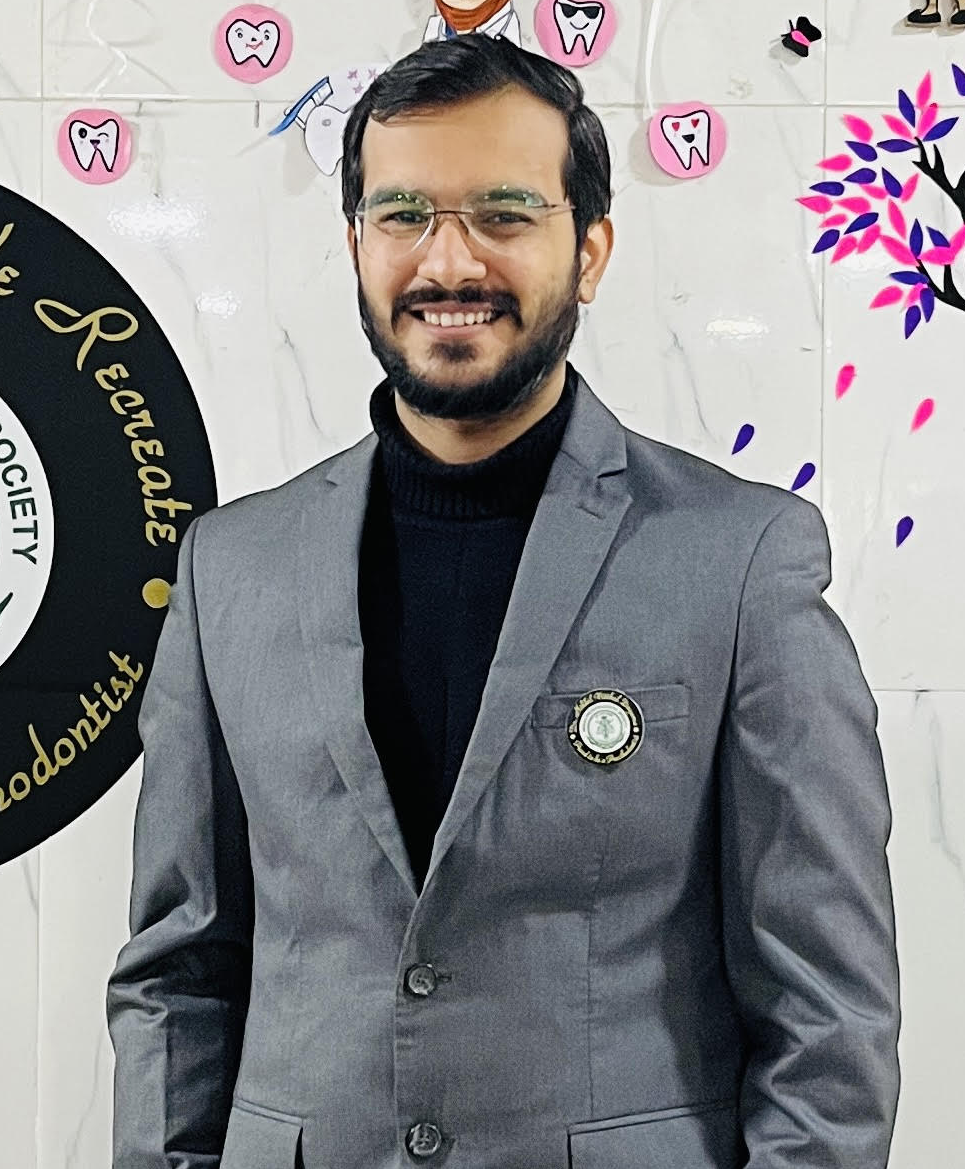
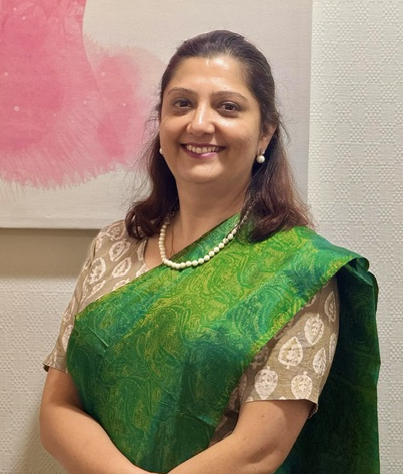
Fatema Tashrifwala
I would like to thank the editorial team for their timely responses and consideration in the publication of my paper. They have been very helpful and accommodating, Lastly, being an open access journal, the published work is freely available and accessible to readers at no cost to them. I would encourage other authors to publish their research in BioRes Scientia. I am happy to be a part of BioRes Scientia Publishers.
Dr Nikhil Vitthal Dayama
I would like to thank the editorial team for their timely and prompt responses and consideration in the publication of my case report. Being an open access journal, it will be great help for the readers to learn the new things without any cost. I would encourage the authors to publish their research in BioRes Scientia and I am happy to be part of this journal.
Boubacar Ahy Diatta
I warmly thank the editorial team for the excellent work they do for continuing medical education in Dermatology. I was able to discover with joy their professionalist, their support and above all appreciate their social generosity on the access to the magazines which is free. This allows an update of scientific knowledge to the entire scientific community. I gladly recommend authors for publication in this journal.
Professor Rajko Igic
The editor of JBRR helped me during the whole process, mainly to eliminate some typographical and other errors. It hastened this publication to be published quickly. Although it is a short text, I believe that the content is important for all medical and other scientific disciplines because eventual addition of the iC citations to citation of the paper would lead to proper assessment of the author's contribution.
Dr Tewodros kassahun Tarekegn
I am thrilled to have had the opportunity to publish my research article in this prestigious journal. The entire process of peer review and publication support provided by the editorial office was exceptional, and it fortified my belief in the quality of my research study. The rigorous peer review process ensured that only the highest quality research was published, and the feedback from the reviewers was extremely helpful. I appreciate the journal's commitment to open access publication, enabling my research to reach a wider audience. The easy-to-use online platform streamlined the submission, peer review, and publication process, and I would confidently recommend this journal to any author looking for efficient, rigorous, and high-quality peer-reviewed publication.
Francis Okello Ooko
I was impressed by your author-centred approach whereby you maintained constant and timely communication with us from the time we submitted the manuscript to acceptance, each time providing critical suggestions to improve the manuscript. In addition, we are encouraged by the thoroughness of your editorial team in checking the originality and overall, quality of the work. Which I believe is very encouraging to other researchers and authors who wish to publish their work in your journals. The published work and the information imparted is freely available and accessible to a wide spectrum of readers at no cost to them. I would encourage other authors to publish their research in BioRes Scientia. I am happy to be a part of BioRes Scientia Publishers.
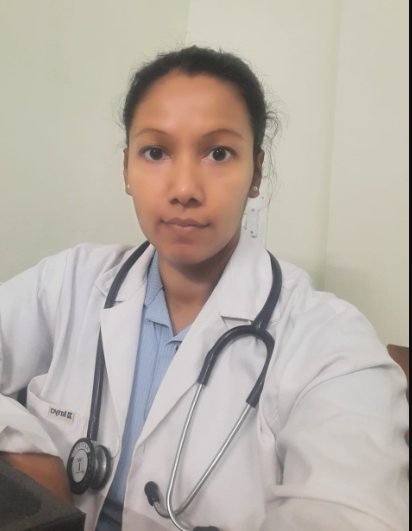
Dr Nidhi Sapolia
I would like to thank the editorial team of their timely response and guidance in the publication of my case report. They have been extremely helpful at all stages. Being an open access journal, it is of great help for the readers to learn new experiences in different fields, I would highly recommend this journal to authors for high quality peer-reviewed publications.
Dwight L Mckee MD CNS ABIHM
I am very impressed by the high quality of the papers published by the International Journal of Clinical and Molecular Oncology. The editors of this journal are a pleasure to work with, as they are highly responsive even to numerous last minute changes in the manuscript that I recently published with them, and the changes are made on-line the same day they are received. I highly recommend this journal to anyone working in the oncology field, and also value it as a source of cutting edge information in the field.
Kyaw Swar Thet
I would like to thank the editorial team for the opportunity to publish our case report in this prestigious journal. I am very impressed by their timely and efficient handling of the submission, peer review, and publication processes. As residents of a developing, low-income country, we greatly appreciate the discount on submission charges. I hope that as an open access journal, it will facilitate easy access for readers to update their scientific knowledge. I highly recommend this journal for high-quality, peer-reviewed publications. I express my sincere gratitude to the editorial team for their excellent work.
Michel Farah
I would like to thank the editorial team for their quick response and support. The publication support and editorial office were excellent and very helpful. I am happy to have my research article published in this prestigious journal. Our previous case report published in this journal was very successful and viewed by many physicians worldwide.
Kristina Dimitrijevic
I am very positively surprised by thе International Journal of Biomedical and Clinical Research, as well as by the review process itself, which is carried out in a high-quality, timely and professional manner. I am glad that my articles are part of this journal.
Hamid Kasim
I had the pleasure of working with your esteemed journal. I testify that the peer review process was effective and quick, the support from the editorial office is very professional, respectful and friendly and the quality of the review is objective and accurate. I am grateful for the opportunity to work with International Journal of Biomedical & Clinical Research and looking forward for more future cooperation.
Ochala Ejura J
The interaction with the Journal of Women Health Care and Gynaecology has been seamless. I wish to express my profound appreciation to your expert editorial team for the timely response and support. The feedbacks from the peer review process was of great help. Thank you for the discount and opportunity to publish in your reputable journal. I believe that being an Open access journal, it will enable readers easy access to to update their knowledge. I would recommend BioRes Scientia publishers and look forward to more collaborations.
Fernando M Clara
I would like to thank the Journal of Clinical Cardiology and Cardiology Research for the opportunity to publish our work. We greatly appreciate the professionalism demonstrated throughout the editorial process. The rapid peer review, along with the high-quality graphic design, streamlined the process and significantly improved the final presentation of our manuscript. The Journal’s support for scientific dissemination is a meaningful incentive for ongoing research. We commend your editorial efforts and extend our best wishes for the Journal's continued success.
Dr Stylianos Sergios Chatziioannou
Journal of BioMed Research and Reports process was constructive and timely, ensuring that the scientific rigor of the manuscript was upheld. Communication with the editorial office was smooth and supportive throughout, making the overall publication experience very positive. I appreciate the efforts of the editorial team in maintaining high-quality standards, and I am confident that the journal will continue to grow in impact and recognition.
Dr C Zeroual
I am pleased to have worked with the Journal of Brain Research and Neurology. The editorial team was responsive and supportive throughout the process, and the peer review was handled efficiently. I appreciate the opportunity to contribute to this journal and look forward to future collaborations
Mohammadreza Kashefi Baher
I am pleased to have published my research in Dentistry and Oral Health Care. The peer review process was efficient and respectful, and I appreciated the timely communication and support from the editorial team. The journal maintains a professional standard and provides an accessible platform for sharing scientific work. I am grateful for the opportunity and look forward to contributing again in the future.
Cidalia De Fatima Cabral De Frias
I would like to thank the editorial team of International Journal of Biomedical and Clinical Research for their prompt and timely responses during the review process of my article. I had the opportunity to share with the academic community my understanding of the process of caring for a person at the end of life. I recommend the publication of research in the area of palliative care in this prestigious journal.
Roxana Maria Hoza
The peer review process at Hematology Research and Blood Disorders is fair and constructive. The editorial office provides excellent support and timely communication. The journal maintains high quality and is a trusted platform for hematology research.
Dr Hamid Kasim
I was very pleased to collaborate with your esteemed Journal of BioMed Research and Reports, and I also thank the editorial board and the reviewers who enriched my article with their very helpful comments, resulting in a beautiful and elegant presentation. I hope our collaboration will continue in the future, With my respect and best wishes for your continued success.
Dr Sabita Sinha
I would like to sincerely thank the editorial team for their excellent support and for handling the review process smoothly. The entire publication process was well organized and easy to follow. My special thanks go to Katherine Bailey Ma'am for her continuous guidance and support from article submission to publication. Her assistance made the experience very positive and encouraging. I truly enjoyed the process and would highly recommend this Journal of BioMed Research and Reports to other researchers.
Jerome H Check
Clinical Case Reports and Studies peer review is rigorous and constructive, improving clarity and methodology. The editorial office is professional and responsive, with a user-friendly submission system and helpful language-editing support. Overall, the journal maintains high editorial standards and offers strong visibility for clinical research.
M Chandramohan
Our experience with the journal has been highly professional and rewarding. The peer review process was rigorous, transparent, and constructive, providing valuable insights that significantly strengthened the quality of our manuscript. The editorial office offered exceptional support throughout the submission and publication journey, ensuring timely communication and clear guidance at every stage. Their responsiveness and attention to detail made the entire process smooth and efficient. Overall, the journal maintains a high standard of scientific quality and integrity, making it a credible and respected platform for disseminating research. We truly appreciate the commitment to excellence demonstrated by the entire editorial team.