

Research Article
Demographic and Clinical Characteristics of Pediatric Stroke at Tikur Anbessa Specialized Hospital, Addis Ababa, Ethiopia
¹Department of Pediatrics and Child Health, Dire Dawa University, Dire Dawa, Ethiopia.
²Department of Obstetrics and Gynecology, Jigjiga University, Ethiopia.
³Department of Pediatrics and Child Health, Addis Ababa University, Addis Ababa, Ethiopia.
*Corresponding Author: Minwuyelet Abie Tasew MD, Department of Pediatrics and Child Health, Dire Dawa University, Dire Dawa, Ethiopia.
Citation: Esubalew M. Alemayehu, Minwuyelet A. Tasew, Gedlu E. (2026). Demographic and Clinical Characteristics of Pediatric Stroke at Tikur Anbessa Specialized Hospital, Addis Ababa, Ethiopia, Clinical Case Reports and Studies, BioRes Scientia Publishers. 13(3):1-7. DOI: 10.59657/2837-2565.brs.26.348
Copyright: © 2026 Minwuyelet Abie Tasew, this is an open-access article distributed under the terms of the Creative Commons Attribution License, which permits unrestricted use, distribution, and reproduction in any medium, provided the original author and source are credited.
Received: August 27, 2026 | Accepted: September 10, 2026 | Published: September 17, 2026
Abstract
Background: Stroke is an important cause of acquired brain injury, morbidity, and mortality in children and adolescents. However, data on pediatric stroke in Africa, particularly in Ethiopia, remain scarce. Diagnosis is often delayed because of subtle and nonspecific clinical presentations, low awareness among healthcare providers, broad differential diagnoses, and limited access to neuroimaging. Early recognition and management can reduce morbidity and mortality.
Objective: To describe the demographic and clinical characteristics of pediatric stroke patients evaluated at Tikur Anbessa Specialized Hospital, Addis Ababa, Ethiopia, from May 2015 to April 2020.
Methods: A hospital-based retrospective cross-sectional study was conducted among pediatric stroke patients seen in outpatient clinics, emergency units, and inpatient wards at Tikur Anbessa Specialized Hospital between May 2015 and April 2020. All consecutive pediatric stroke patients with neuroimaging-confirmed diagnoses who met inclusion criteria were included. Data were extracted from medical records and analyzed using descriptive statistics.
Results: Thirty-three pediatric stroke cases were identified during the study period. Females accounted for 54.5% of cases. Patients ranged from 1 to 12 years of age, with a mean age of 6.22 years, and the highest proportion occurred in the 6–10-year age group. The median time from symptom onset to diagnosis was 7 days (IQR: 2.5–16 days). Ischemic stroke accounted for 31 (93.9%) cases, while hemorrhagic stroke accounted for 2 (6.1%). Hemiparesis was the most common clinical presentation, followed by seizures. Cyanotic congenital heart disease was the most commonly identified associated condition, followed by vasculitis. The middle cerebral artery territory was the most commonly affected vascular territory.
Conclusion: The demographic and clinical characteristics of pediatric stroke patients at Tikur Anbessa Specialized Hospital were generally consistent with findings from previously published international studies. However, the female predominance observed in this study warrants further investigation in larger studies. The substantial delay in diagnosis highlights the need for improved awareness and early recognition of pediatric stroke.
Keywords: pediatric stroke; arterial ischemic stroke; childhood stroke; diagnostic delay; congenital heart disease; Ethiopia
Introduction
Stroke is an important cause of acquired neurological injury in children, associated with substantial long-term disability, recurrence, and mortality. Once considered primarily an adult condition, pediatric stroke is now recognized as a distinct clinical entity with unique etiologies, presentations, and outcomes. It occurs across all pediatric age groups.
Globally, the estimated incidence of pediatric stroke is approximately 8 per 100,000 children per year, with arterial ischemic stroke (AIS) accounting for 2.7 per 100,000 per year and cerebral sinovenous thrombosis contributing an additional 0.67 per 100,000 per year [1,2]. Recurrence occurs in 20–40% of affected children, with arteriopathy-related stroke carrying the highest risk [3]. Unlike adult stroke, pediatric stroke is predominantly associated with congenital heart disease, arteriopathies, hematological disorders, and infections rather than traditional cardiovascular risk factors [4]. Clinically, hemiparesis, hemisensory loss, and speech disturbances are common, although seizures and non-focal presentations occur more frequently in children than in adults [1].
Diagnosis is often delayed in children. Fewer than 15% of pediatric stroke cases are recognized within 6 hours of symptom onset due to its low incidence, broad differential diagnosis, limited sensitivity of computed tomography (CT) for early ischemia, and low awareness among frontline healthcare providers [5,6]. These delays reduce eligibility for acute interventions and contribute to worse outcomes.
In sub-Saharan Africa (SSA), data on pediatric stroke remain limited. A tertiary hospital study in Kenya reported a hospital prevalence of approximately 16 per 100,000 children per year, suggesting a potentially higher burden than in high-income settings, likely due to a higher prevalence of predisposing conditions such as rheumatic heart disease and infectious arteriopathies [7].
Despite Ethiopia’s large pediatric population, there are no published data on pediatric stroke, representing a significant evidence gap.
This study describes the demographic and clinical characteristics of pediatric stroke patients at Tikur Anbessa Specialized Hospital (TASH), the largest public tertiary referral hospital in Ethiopia, over a five-year period. The findings aim to establish a baseline clinical profile, inform local clinical practice, and contribute to the evidence base for pediatric stroke in sub-Saharan Africa.
Methods
Study setting and period
The study was conducted at Tikur Anbessa Specialized Hospital, a tertiary teaching hospital affiliated with Addis Ababa University. The hospital serves as a major national referral center, providing comprehensive pediatric services including inpatient, outpatient, emergency, and specialty care such as neurology and cardiology clinics. At the hospital, pediatric patients are admitted up to a maximum age of 14 years. Medical records of pediatric stroke patients managed at the hospital between May 2015 and April 2020 were reviewed.
Study design
A hospital-based retrospective cross-sectional study design was conducted.
Study population
The study included all pediatric patients diagnosed with stroke at Tikur Anbessa Specialized Hospital during the study period who fulfilled the eligibility criteria.
Inclusion and exclusion criteria
All pediatric patients aged >28 days to 14 years with a diagnosis of stroke confirmed by clinical evaluation and neuroimaging were included. Neuroimaging modalities included brain computed tomography (CT), magnetic resonance imaging (MRI), CT angiography, and magnetic resonance angiography (MRA), with at least one modality required for diagnostic confirmation. Patients without confirmatory neuroimaging studies and neonates aged ≤28 days were excluded.
Sampling technique
Because pediatric stroke is a rare condition, all eligible cases identified during the five-year study period were included using a census sampling technique. Formal sample size calculation was not performed. A total of 33 pediatric stroke cases were identified and included in the final analysis.
Data collection procedures
Data were extracted from patients’ medical records using a structured and pretested data extraction checklist developed by the investigators. The checklist captured sociodemographic characteristics, clinical presentation, stroke subtype, associated conditions, radiological findings, and time from symptom onset to diagnosis. The checklist was pretested on the first five medical records to assess clarity and completeness.
Eligible cases were identified from the hospital Health Management Information System (HMIS) registry, and corresponding medical charts were retrieved for data extraction. Data were collected by the principal investigator. Each record was assigned a unique identification code to ensure confidentiality and avoid duplication.
Study variables
Sociodemographic variables: age, sex, residence
Clinical variables: presenting symptoms, stroke subtype, associated conditions
Time to diagnosis: time from symptom onset to diagnosis
Radiological variables: affected vascular territory
Statistical analysis
Data were entered into Epi Info and exported to SPSS version 25 for analysis. Data cleaning and consistency checks were performed before analysis.
Descriptive statistics were used. Frequencies and percentages were computed for categorical variables, while mean ± standard deviation or median with interquartile range were used for continuous variables as appropriate. Results were presented using tables, figures, and charts.
Operational definitions
Pediatric stroke: Acute onset of a focal neurological deficit in a child with neuroimaging findings consistent with stroke.
Arterial ischemic stroke (AIS): Sudden interruption of arterial blood flow to a focal brain region resulting in neurological dysfunction with compatible neuroimaging findings.
Hemorrhagic stroke: Bleeding within the brain parenchyma causing acute neurological deficits confirmed by neuroimaging.
Cerebral sinovenous thrombosis (CSVT): Thrombotic occlusion of the cerebral venous sinuses causing impaired venous drainage and neurological symptoms.
Pediatric age group: In Ethiopia and at Tikur Anbessa Specialized Hospital, the pediatric age group is defined as children aged 14 years or younger.
Ethical considerations
Ethical clearance was obtained from the Research and Publications Committee of the Department of Pediatrics and Child Health, School of Medicine, College of Health Sciences, Addis Ababa University.
As this was a retrospective chart review, no direct patient contact was made. Data were anonymized using unique identification codes, and no personal identifiers were collected. Confidentiality was strictly maintained throughout the study.
Results
Sociodemographic characteristics
A total of 33 pediatric stroke cases identified from hospital Health Management Information System (HMIS) records during the study period were included in the study. Of these, 18 (54.5%) were females and 15 (45.5%) were males, giving a female-to-male ratio of 1.2:1. The patients ranged in age from 1 to 12 years, with a mean age of 6.22 ± 3.06 years.
Eighteen children (54.5%) were aged 6–10 years, 13 (39.4%) were aged 1–5 years, and 2 (6.1%) were aged 11–12 years. The highest proportion of cases occurred in the 6–10-year age group. Although females were slightly more represented overall, males predominated in the 1–5-year age group (Figure 1).
Most patients were residents of Addis Ababa (63.6%), followed by Oromia Regional State (15.2%) (Table 1).
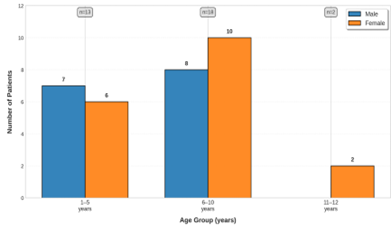
Figure 1: Age distribution of pediatric stroke patients stratified by sex at Tikur Anbessa Specialized Hospital, Ethiopia, 2015–2020
Table 1: Sociodemographic characteristics of pediatric stroke patients at Tikur Anbessa Specialized Hospital, Ethiopia, 2015–2020.
| Variable | Frequency | Percent | |
| Age | 1-5 | 13 | 39.4 |
| 6-10 | 18 | 54.5 | |
| 11-12 | 2 | 6.1 | |
| Sex | Male Female | 15 | 45.5 |
| 18 | 54.5 | ||
| Region | Addis-Ababa | 21 | 63.6 |
| Oromia | 5 | 15.2 | |
| Amhara | 3 | 9.1 | |
| SNNP | 3 | 9.1 | |
| Somali | 1 | 3.0 |
Stroke subtype and vascular territory distribution
Of the 33 pediatric stroke cases, 31 (93.9%) were ischemic strokes, while 2 (6.1%) were hemorrhagic strokes. The middle cerebral artery (MCA) territory was the most commonly affected vascular territory, accounting for 66.7% of cases. Five patients (15.2%) had combined MCA and anterior cerebral artery (ACA) territory infarction, while another five patients (15.2%) had combined MCA and posterior cerebral artery (PCA) territory involvement (Figure 2).
Among the two patients with hemorrhagic stroke, one had isolated PCA territory involvement and the other had combined MCA and PCA territory involvement.
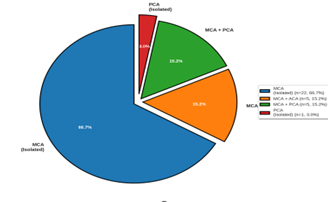
Figure 2: Distribution of affected vascular territories among pediatric stroke patients at Tikur Anbessa Specialized Hospital, Ethiopia, 2015–2020.
Clinical presentations and associated conditions
Hemiparesis was the most common clinical presentation, occurring in 28 patients (84.8%), followed by seizures in 4 patients (12.1%) (Table 2). Altered level of consciousness was documented in 1 patient (3.0%). Among the two patients with hemorrhagic stroke, one presented with altered mentation, while the other presented with hemiparesis.
Table 2: Clinical presentations of pediatric stroke patients at Tikur Anbessa Specialized Hospital, Ethiopia, 2015-2020.
| Variable | Frequency | Percentage | |
| Presentation | Hemiparesis | 28 | 84.8 |
| Seizure | 4 | 12.1 | |
| Altered level of consciousness | 1 | 3.0 | |
Time to diagnosis
The median time from symptom onset to diagnosis was 7 days (IQR: 2.5–16 days). Most patients, 28 (84.8%), were not diagnosed within the first 6 hours after symptom onset, while only 5 patients (15.2%) were diagnosed within the acute therapeutic window.
Table 3: Time from symptom onset to radiologic diagnosis among pediatric stroke patients at Tikur Anbessa Specialized Hospital, Ethiopia, 2015-2020.
| Variable | Frequency | Percentage | |
| Elapsed time from symptom onset to diagnosis | Greater than 6 hours | 28 | 84.8 |
| Less than or equal to 6 hours | 5 | 15.2 | |
Associated conditions
Potential associated conditions were identified in 13 (39.4%) patients. Cardiac conditions were the most common associated conditions, accounting for 46.2% (n=6) of identified cases, followed by vasculitis (infectious or autoimmune), which accounted for 30.8% (n=4).
Among patients with cardiac conditions, three had tetralogy of Fallot (TOF), two had dilated cardiomyopathy (DCMP), and one had pulmonary stenosis (PS). Hypertension was identified in two patients, both of whom had hemorrhagic stroke, while one patient with acute myeloid leukemia (AML) had ischemic stroke (Figure 3).
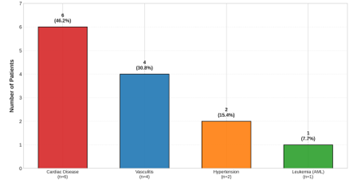
Figure 3: Distribution of associated conditions among pediatric stroke patients at Tikur Anbessa Specialized Hospital, Ethiopia, 2015–2020.
Discussion
A total of 33 pediatric stroke cases were analyzed in this study, of which 54.5% were female and 45.5% were male. A similar cross-sectional study conducted in Kenya reported 32 pediatric stroke cases, with male predominance (62.5%) (4). While studies from the United Kingdom and Australia have reported relatively equal sex distribution, several studies from the United States have demonstrated male predominance in pediatric stroke [2,6]. In contrast, female predominance was observed in our study. This finding should be interpreted cautiously given the small sample size and requires further investigation in larger studies.
The mean age of patients in this study was 6.22 years (SD ± 3.06), which is slightly lower than reports from Kenya and the United States, where the mean age was approximately 7.7 years (4), but higher than findings from some Asian studies (16,17). The peak age group of 6–10 years observed in this study was consistent with findings from Kenya, the United States, and Australia [1,4,6].
Ischemic stroke accounted for 93.9% of cases in this study, which is consistent with previous studies reporting ischemic stroke proportions ranging from 85% to 94% among pediatric stroke patients [1,6]. Although some studies have reported a more balanced distribution between ischemic and hemorrhagic stroke, ischemic stroke remains the predominant subtype in most pediatric populations [5].
Hemiparesis was the most common clinical presentation, occurring in 84.8% of patients, which is consistent with findings from both international studies and the Kenyan study [1,4].
Diagnostic delay remains an important concern in pediatric stroke. Only 15.2% of patients were diagnosed within the first 6 hours after symptom onset, highlighting substantial missed opportunities for acute stroke recognition and timely intervention. Previous studies have reported both prehospital and in-hospital delays in diagnosis [1,6]. In this study, the median time from symptom onset to diagnosis was 7 days (IQR: 2.5–16 days), which was longer than reported in Australian studies [6] and the study by Gabis et al. [17]. These delays may reflect difficulty in symptom recognition among younger children, nonspecific presentations, and limited awareness of pediatric stroke among healthcare providers. Limited access to advanced neuroimaging may also contribute to delayed diagnosis in resource-limited settings. Further prospective studies are needed to better understand contributors to diagnostic delay in Ethiopia.
Potential associated conditions were identified in 40% of cases. Cardiac conditions were the most common associated conditions, accounting for 46.2% of identified cases, followed by vasculitis (30.7%). Among cardiac conditions, tetralogy of Fallot was the most frequently identified lesion. This finding differs from studies that reported hypoplastic left heart syndrome or broader arteriopathies as leading associated conditions [16]. The absence of sickle cell disease, a well-established contributor to pediatric stroke in some African populations, may reflect its relatively low prevalence in Ethiopia [20]. Similarly, the absence of identified arteriopathy may be related to limited diagnostic resources, particularly vascular imaging.
The middle cerebral artery territory was the most commonly affected vascular territory, which is consistent with previous international studies reporting MCA predominance in pediatric arterial ischemic stroke [18].
Conclusion
In conclusion, the demographic and clinical characteristics of pediatric stroke patients at Tikur Anbessa Specialized Hospital—including age distribution, clinical presentation, stroke subtype, and affected vascular territory—were generally consistent with findings from previous international studies. However, female predominance observed in this study differs from most published reports and warrants further investigation in larger studies. The substantial delay in stroke diagnosis identified in this study highlights the need for improved awareness, timely recognition, and further prospective research to identify barriers to early diagnosis and improve the quality of pediatric stroke care.
Limitations of the Study
This study has several limitations. First, it was conducted at a single tertiary referral hospital, which may limit the generalizability of the findings and introduce referral bias toward more severe presentations. Second, the retrospective chart review design depended on the completeness and accuracy of medical records, which may have resulted in missing clinical information and underascertainment of associated conditions requiring advanced investigations. Third, the relatively small sample size reduced statistical precision and limited subgroup analysis.
In addition, limited availability of MRI and vascular imaging may have restricted comprehensive etiological classification in some patients. Finally, as a descriptive cross-sectional study, causal relationships between associated conditions and pediatric stroke could not be established.
Multicenter prospective studies with larger sample sizes, standardized diagnostic protocols, and improved access to vascular imaging are needed to better characterize pediatric stroke in Ethiopia.
Declarations
Ethical approval
Obtained from Research and Publications Committee, Department of Pediatrics and Child Health, Addis Ababa University. Consent waived given retrospective chart review.
Data availability
Available from corresponding author upon reasonable request.
Competing interests
Authors declare no competing interests.
Funding
No external funding received.
Authors contributions
To be completed by authors.
Acknowledgments
Authors thank TASH staff for facilitating medical record access.
References
- Ferriero, D. M., Fullerton, H. J., Bernard, T. J., et al. (2019). Management of stroke in neonates and children: A scientific statement from the American Heart Association/American Stroke Association. Stroke, 50(3):e51–e96.
Publisher | Google Scholor - Sporns, P. B., Fullerton, H. J., Lee, S., et al. (2022). Childhood stroke. Nature Reviews Disease Primers, 8(1):12.
Publisher | Google Scholor - GBD 2021 Collaborators. (2022). Global burden of disease study 2021 (GBD 2021) results. Institute for Health Metrics and Evaluation.
Publisher | Google Scholor - Akinyemi, R. O., Ovbiagele, B., Adeniji, O. A., et al. (2021). Stroke in Africa: Profile, progress, prospects and priorities. Nature Reviews Neurology, 17(10):634–656.
Publisher | Google Scholor - Articoli, G., Fortuna, D., Sbrana, F., et al. (2021). Recurrence in pediatric arterial ischemic stroke. Pediatric Neurology, 123, 66–72.
Publisher | Google Scholor - Mallick, A. A., Ganesan, V., Kirkham, F. J., et al. (2014). Childhood arterial ischaemic stroke incidence, presenting features, and risk factors. The Lancet Neurology, 13(1):35–43.
Publisher | Google Scholor - Rafay, M. F., Pontigon, A. M., Chiang, J., et al. (2009). Delay to diagnosis in acute pediatric arterial ischemic stroke. Stroke, 40(1):58–64.
Publisher | Google Scholor - Medley, T. L., Miteff, C., Andrews, I., et al. (2019). Australian clinical consensus guideline: Diagnosis and acute management of childhood stroke. International Journal of Stroke, 14(1):94–106.
Publisher | Google Scholor - Ogeng'o, J. A., Olabu, B. O., Mburu, A. N., et al. (2010). Pediatric stroke in an African country. Journal of Pediatric Neurosciences, 5(1):22–24.
Publisher | Google Scholor - Ganesan, V., Savvy, B., Chong, W. K., et al. (2007). Conventional magnetic resonance imaging measurements in childhood arterial ischemic stroke. Stroke, 38(4):1249–1255.
Publisher | Google Scholor - Gebreyohanns, M., Akinyemi, R. O., Owolabi, M. O., et al. (2022). The African Stroke Organization Conference 2021. Journal of Stroke and Cerebrovascular Diseases, 31(4):106385.
Publisher | Google Scholor - Abdullahi, S. U., Jibir, B. W., Bello-Manga, H., et al. (2022). Hydroxyurea for primary stroke prevention in children with sickle cell anaemia in Nigeria (SPRING). The Lancet Haematology, 9(1):e26–e37.
Publisher | Google Scholor - Ganesan, V., Chong, W. K., Cox, T. C., et al. (2002). Posterior circulation stroke in childhood: Risk factors and recurrence. Stroke, 33(11):2717–2721.
Publisher | Google Scholor - Amlie-Lefond, C., Bernard, T. J., Sebire, G., et al. (2009). Predictors of cerebral arteriopathy in children with arterial ischemic stroke: A pooled analysis of 3 international prospective cohorts. Stroke, 40(8):2662–2666.
Publisher | Google Scholor - Kenet, G., Lutkhoff, L. K., Albisetti, M., et al. (2006). Impact of thrombophilia on pediatric arterial ischemic stroke severity and outcome. Stroke, 37(6):1466–1470.
Publisher | Google Scholor - Chabrier, S., Husson, B., Lasjaunias, P., et al. (2010). Stroke in children: Etiological and clinical features of 325 cases. Cerebrovascular Diseases, 30(6):602–608.
Publisher | Google Scholor - Fullerton, H. J., Wu, Y. W., Sidney, S., et al. (2007). Risk of recurrent childhood arterial ischemic stroke in a population-based cohort. Stroke, 38(10):2828–2833.
Publisher | Google Scholor - Earley, C. J., Kittner, S. J., Feeser, B. R., et al. (1998). Stroke in children and young adults. Neurology, 51(1):169–176.
Publisher | Google Scholor - Sebire, G., Taketomi, T., & Arakawa, H. (2014). Spontaneous arterial dissection in children. Pediatric Neurology, 50(5):443–450.
Publisher | Google Scholor - Eckels, K., Towner, J., & Friedman, N. R. (2011). Arteriovenous malformation as a presenting sign in children. Pediatric Neurology, 45(3):169–171.
Publisher | Google Scholor - Ichord, R. N., Bastian, R., Abraham, L., et al. (2011). Interobserver reliability of the pediatric stroke outcome measure. Stroke, 42(3):613–615.
Publisher | Google Scholor - Beslow, L. A., Abend, N. S., Gazda, S. K., et al. (2013). Seizures in acute arterial ischemic stroke in children. Pediatric Neurology, 49(1):32–37.
Publisher | Google Scholor - Bernard, T. J., Mody, A., Tan, M., et al. (2010). Long-term outcome of neonates and infants with acute arterial ischemic stroke. Stroke, 41(10):2354–2356.
Publisher | Google Scholor - Fineman, L. D., Beslow, L. A., Segal, H., et al. (2015). Pediatric stroke: An opportunity for prevention. Pediatric Neurology, 52(4):391–398.
Publisher | Google Scholor - Oppenheimer, S. M., & Hoffbrand, B. I. (1994). Spontaneous internal carotid artery dissection in childhood. Stroke, 25(5):1065–1068.
Publisher | Google Scholor - Sánchez-Carpintero, R., & Mordelay-Carrillo, I. (2006). Hemorrhagic stroke in children. Neurología, 21(8):422–428.
Publisher | Google Scholor - Golomb, M. R., MacGregor, D. L., Domi, T., et al. (2007). Presumed arteriopathy-related perinatal ischemic stroke: Clinical and radiographic recurrence. Pediatric Neurology, 37(3):188–194.
Publisher | Google Scholor - Ganesan, V., Prengler, M., McShane, M. A., et al. (2003). Investigation of risk factors for cerebral ischemia in children. The Lancet, 361(9375):1867–1873.
Publisher | Google Scholor - Sran, S. K., & Baurgelt, T. (2008). Thrombophilia and stroke in children. Pediatric Blood & Cancer, 50(2):320–328.
Publisher | Google Scholor - Carty, J. N., Lee, D. A., Wain, T. J., et al. (2014). Family risk factors for pediatric arterial ischemic stroke. Pediatric Neurology, 50(5):406–412.
Publisher | Google Scholor - Mirza, M. A., Amlie-Lefond, C., & Macgregor, D. (2015). Neuroimaging findings in pediatric arterial ischemic stroke. Pediatric Neurology, 52(3):308–320.
Publisher | Google Scholor