
Research Article
A Pioneering study of Women’s Reproductive Health and related issues in a Patriarchal Conservative Society: Evidence from the Dasu Hydropower Project Area, Upper Kohistan District, KPK, Pakistan
1 Professor, Department of Community Medicine, Khyber Girls Medical College, Peshawar, Pakistan.
2 Project Manager/Team Leader, Management Support Consultant, Dasu Hydropower Project, Pakistan.
*Corresponding Author: Raheelah Amin, Professor, Department of Community Medicine, Khyber Girls Medical College, Peshawar, Pakistan.
Citation: Amin R., Widana A. (2026). A pioneering study of Women’s Reproductive Health and related issues in a Patriarchal Conservative Society: Evidence from the Dasu Hydropower Project Area, Upper Kohistan District, KPK, Pakistan, Journal of Women Health Care and Gynaecology, BioRes Scientia Publishers. 6(4):1-8. DOI: 10.59657/2993-0871.brs.26.123
Copyright: © 2026 Raheelah Amin, this is an open-access article distributed under the terms of the Creative Commons Attribution License, which permits unrestricted use, distribution, and reproduction in any medium, provided the original author and source are credited.
Received: October 13, 2026 | Accepted: October 28, 2026 | Published: November 11, 2026
Abstract
Background: Upper Kohistan District in Khyber Pakhtunkhwa (KPK) Province of Pakistan, is one of South Asia's most conservative patriarchal societies, with a female literacy rate of 5% and severe restrictions on women's mobility and health-seeking. No prior reproductive health study exists for this population.
Methods: A cross-sectional mixed-methods study was conducted in June–July 2024 in four peri-urban villages within the Dasu Hydropower Project (DHP) area. Structured interviews were administered to 101 married women aged 15–49 years by two trained local female research assistants. Secondary health facility visits records (2013–2025) were analysed using linear regression. Interviews were conducted with health professionals.
Key Findings: Women visiting a health facility declined during the pre-construction phase (2013–2016) and increased 1.86-fold during construction (2017–2025), driven by DHP’s community outreach program and rising household incomes. Mean age at marriage was 19.70 years; 45% married before reaching the age of 20 years. Contrary to global evidence, literate women married younger than illiterate women (21 vs. 24 years; p = 0.352), and 93% of literate women desired more children versus 7% of illiterate women (p < 0.001) — both patterns reflecting male-controlled reproductive decision-making. Mean children ever born (5.38) exceeded the national average (3.8). Home delivery was reported by 51%, with 72% attended by an untrained Dai. Only 3 of 90 respondents received a post-delivery professional visit. Neonatal mortality (8%) was double the national average; infant mortality reached 15%. Family planning practice stood at 14%.
Conclusion: Reproductive health outcomes in the study area are markedly worse than national averages, shaped by patriarchal structures that suppress literacy's protective effects and restrictive communication. Urgent community-based interventions targeting postnatal care, skilled birth attendance, and male household decision-makers are recommended. Literacy improvement programs and community support initiatives are highly recommended.
Keywords: reproductive health; womens health; pakistan; khyber pakhtunkhwa; patriarchal society; age at marriage; maternal health; desired family size; poor household; family planning; postnatal care; dai; lady health visitor; home delivery; dasu hydropower
Introduction
Study Area: Upper Kohistan District, KPK
Upper Kohistan District is located in a geographically remote and mountainous region, the Khyber Pakhtunkhwa (KPK) Province of Pakistan. It is characterized by poor road infrastructure, limited public services, and difficult physical access for everyday life. Most of the basic services like literacy, education, health, water supply, nutrition, and sanitation are highly deficient. The district has the second largest population in KPK province, but the female literacy is only 5% approx. which is critically low while the male literacy rate stands at around 30% [13]. Many factors have combinedly produced low living standards for public, especially women. These factors include poor infrastructure, entrenched patriarchal customs, low literacy, and geographic isolation.
Social life in the district is organised around tribal lineage, which follows local customs nearly every aspect of daily existence. The predominant living system is the extended family whereseveral closely related families share a common dwelling and a kitchen. Polygamy is practised, and women are subject to strict adherence to purdah, a cultural code of life for women which enforces female to remain secluded, use a face cover when outdoors and restricted in public movements. Women are neither permitted to seek paid employment nor to move freely outside the home. Their role is confined to domestic life and childrearing. Working in family farm is allowed in rural areas. These social norms have direct negative consequences on their health-seeking behaviors. A woman cannot visit a health facility without being accompanied by an adult male from her household. She cannot communicate freely with healthcare professionals in the presence of that male escort, and is usually unable to disclose reproductive health problems for fear of reprisal [2-4 13]. The number of female health professionals is negligible in these communities. Data shows that only four Lady Health Visitors (LHVs) are attached to the district Rural Health Centre whilst two privately operated maternity care clinics are managed by LHVs. These constraints make reproductive health data collection from Kohistani women an exceptionally challenging.
The Dasu Hydropower Project
The Dasu Hydropower Project (DHP), is located approximately 350 km north of the national Capital Islamabad. Located within the Upper Kohistan District, it is Pakistan's largest ongoing public infrastructure investment. The main dam which is situated 8 km upstream of Dasu Town, the district capital, will inundate approximately 26.52 km² of river valley. This will result in the submergence of around 25 villages. Relocation of approximately 3,000 households from their ancestral settlements is required. Some schools, a health facility, and several local businesses have been relocated as part of the resettlement process already. While majority of affected households have by now moved to other parts of the district or to more urbanised areas outside it.
The project includes a community support package which aims to facilitate social development. It includes health, literacy, education, skills and vocational training, road and transport connectivity, water supply, and micro-hydroelectric power generation, access to grid electricity, livelihood support, etc. Eleven health camps conducted under the project have attracted over 11,000 patients. It is providing rare direct access to medical professionals for community members, including women and free medicine. However, a dedicated reproductive health program targeting women has not been incorporated into the development package. This is the gap that motivates the present study.
Reproductive Health: Definition and Context
The World Health Organization (WHO) [28] defines reproductive health (RH) as “a state of complete physical, mental, and social well-being in all matters relating to the reproductive system, its functions, and processes…… not merely the absence of disease”. The key domains of reproductive health include maternal health, family planning, sexual health, prevention and management of sexually transmitted infections (STIs), safe abortion care, infertility, and reproductive tract infections. Of these domains, STI-related morbidity is considered minimal in the study area due to strictly enforced social norms against extramarital relations. However, remaining components particularly maternal health, family planning, and reproductive tract health are highly relevant to the local population. Critically, many of these subjects are culturally sensitive and not discussed in public, rendering the collection of reliable data on them inherently difficult [4,5].
Table 1: Reproductive Health Components and Status in the District
| Component | Subjects Included | Application in Local Context |
| Family planning | access to and use of contraception information and counseling on family size and spacing | Men desire to have more children and a large family whilst women have no decision-making power. Subject is rarely spoken at present. Contraceptive not publicly available. Public service is not popular due to lack of qualified staff |
| Maternal health | safe pregnancies and childbirth postpartum period, including access to quality antenatal, delivery, and postnatal care | No system to ensure a safe pregnancy. Successful pregnancy is a matter of luck. Other aspects are allowed though the service level and women’s awareness are very low |
| Reproductive Tract Infection | prevention and management of infections of the reproductive organs, including STIs and other infections | Women seek medical assistance in preventive and curative care services. This topic is not spoken in public |
| Sexual health | positive and respectful sexual experience free from coercion, discrimination, and violence the right to sexual autonomy informed decision-making | The subject of sex is forbidden even within a family. It is a private matter for the couple. Neither a respectful sex experience nor sexual autonomy as the subject is under the full control of husband. Women have no say in decision making or seeking counselling service. Information is not accessible to women due to low literacy, non-existence of online connectivity and the confidentiality of the subject. Women have no access to social media |
| Prevention and management of STIs and STDs | preventing the spread of sexually transmitted infections (STIs) and sexually transmitted diseases (STDs), access to treatment and care Counselling | Extremely low incidence of STIs /STDs due to restrictive sex actions. Under no circumstances, women are permitted to have sex with an outsider. Opportunity to mix with other men rarely happens as outsiders are not allowed to enter a village |
| Unsafe abortions | access to safe and legal abortion services preventing unsafe abortions through education and family planning | Due to cultural restrictions, the subject is neither spoken nor service is available |
| Infertility care | needs of individuals and couples struggling with infertility providing access to diagnosis and treatment counseling | Infertility is viewed purely as a women affair. Infertile women are cornered and undergo harsh treatment sometime ending with separation or removal from the family. Treatment facilities unavailable. Counselling is not allowed by social norms |
| Violence against women | violence against women, including sexual violence, domestic violence, and other forms of abuse provides access to support and protection counselling | Men have the full freedom to exercise violence against women but the subject is not spoken publicly. Local cases of violence prevail but very rarely are brought to the table for resolution. Victim counselling service is neither permitted nor available |
Maternal and Reproductive Health Status in Pakistan
Pakistan's maternal and reproductive health indicators rank among one of the weakest in South Asia. The Maternal Mortality Ratio (MMR) is defined as the number of maternal deaths per 100,000 live births. It was estimated at 154 per 100,000 live births in the Pakistan Maternal Mortality Survey (PMMS) 2019, a decline from 387 in 2000 but still substantially higher than comparable nations. India recorded approximately 103 per 100,000 live births, and Sri Lanka approximately 29 per 100,000 live births 6. The major direct causes of maternal death include postpartum hemorrhage, hypertensive disorders, sepsis, and complications of unsafe abortion. These are compounded by inadequate access to skilled birth attendants and emergency obstetric care, particularly in rural settings [6,7].
“Under-five” mortality is defined as the probability of dying from birth to the fifth birthday, expressed per 1,000 live births. It has declined globally from 93.5 per 1,000 live births in 1990 to 37.4 in 2024. However, Pakistan continues to carry one of the highest burdens in South Asia. These high child mortality rates are driven by neonatal infection, birth asphyxia, and pneumonia in rural areas where institutional delivery rates remain low1. The Infant Mortality Rate (IMR) at national level stands at 55 per 1,000 live births, with in rural areas it is significantly higher i.e. 59, compared to 50 in urban centres [6].
The Contraceptive Prevalence Rate (CPR) for Pakistan is approximately 34% for married women (modern and traditional methods combined). It is substantially below the South Asian averages [8]. Different provinces depict different picture. Spatial analyses confirm that women in KPK, FATA, and Balochistan face the most concentrated access barriers. Other causes include low antenatal care attendance, high parity, lack of decision-making autonomy, and poor wealth status [9]. Rural women in the study area are expected to present RH indicators substantially below these national averages.
Barriers to Reproductive Health Services
Access to reproductive health services in Pakistan is poor. It is mainly shaped by intersecting structural, socio-cultural, and economic barriers. These barriers operate at the household, community, and health-system levels. A systematic review of primary healthcare access for women across Pakistan has identified these barriers as being transport difficulty, far distance to facility, financial constraints, shortage of female health staff, and informal restrictions on women's mobility [3]. Community-level studies have supported these findings, and have documented that factor like male-dominated household decision-making, in-law authority, and social stigma around contraception are decisive barriers to family planning uptake, particularly in conservative and rural settings [4,5]. Women frequently resort to traditional home remedies or the guidance of untrained local birth attendants known as Dai rather than consulting health professionals. Dai is approached more owing to both cultural imperatives and financial barriers2. Many research studies have documented that women's education and household wealth are among the strongest mediators of reproductive health access in Pakistan. Women who are socioeconomically marginalized bear a disproportionate burden of adverse outcomes [9,10].
In the specific context of Upper Kohistan, unique cultural prohibitions are observed. Kohistani women may not be interviewed or examined by non-local (women) professionals. Women cannot independently seek medical advice, and are largely excluded from health surveys administered by outsiders. As a result, no prior study documenting the reproductive health status of women in this district exists.
Background and Purpose of the Study
The Dasu Hydropower Project has implemented various community development activities over the past decade. These activities include health camps, awareness campaigns, and infrastructure improvements thus meaningfully increasing women's health-facility visits. Reproductive health as a dedicated service domain still remains unaddressed by authorities. Reproductive health status of women in the project area has never been systematically assessed. To fill this gap this study has been conducted. Our study addresses issues of absence of baseline data, access barriers and strict cultural prohibitions.
This study is therefore the first systematic attempt to document the reproductive health status of women in the Upper Kohistan District. Specifically, the study aims to assess the current status of reproductive health among women in the project area. Given the severe methodological constraints of the setting, the study is positioned as an exploratory, pioneering baseline which would form the basis for subsequent targeted investigations.
Research Objectives
Objective 1: To assess the reproductive health status of women in the Dasu Hydropower Project area, Upper Kohistan District, covering subjects such as antenatal care attendance, place of delivery, postnatal care utilisation, child mortality, and family planning awareness and practices.
Objective 2: To examine the socioeconomic and demographic determinants of age at marriage, children ever born (CEB), desired family size, and desire for more children among women in the project area with specific focus on the roles of literacy, poverty, and household characteristics.
Objective 3: To analyse long-term trends in women's health service utilisation at a government health facility during the pre-construction phase (2013–2016) and the construction phase (2017–2025) of the Dasu Hydropower Project (association between project-related socioeconomic changes and reproductive health-seeking behavior).
Methodology
Study Design
This study employed a mixed-methods cross-sectional design. The integrating four complementary components are: (i) A structured household survey of women in the study area. (ii) Secondary data analysis of monthly health facility visits records. (iii) Key-informant interviews with community leaders, health facility staff, and traditional birth attendants (Dai) and (iv) A systematic review of published literature on the subject of research. The cross-sectional survey generated the primary quantitative data for the reproductive health analysis. Secondary data from government health records provided time-series evidence on health service utilisation across two distinct phases of the Dasu Hydropower Project (DHP). The mixed-methods approach was adopted deliberately to triangulate findings across data sources and to capture context-specific social dynamics that can be missed in purely quantitative approach to the study.
Study Area
The study was conducted in Upper Kohistan District, Khyber Pakhtunkhwa (KPK), Pakistan. The district is situated in the northern mountainous belt, approximately 350 km north of Islamabad, and is characterised by extreme geographic remoteness, poor road access, and critically deficient public services. The female literacy rate in the project area is approximately 5%, with the majority of women having no formal schooling 11, 28. Women are subject to strict purdha norms, are prohibited from paid employment and independent mobility, and face severe cultural restrictions on health-seeking behaviour and participation in research conducted by non-local personnel.
The study area was confined to four peri-urban villages: Shaal, DC Colony, Jalkot, and Komila, located within the DHP construction influence zone in Dasu Town and its immediate periphery (Figure 1). These villages differ in their degree of project impact: Shaal Village is situated within the construction epicentre and has undergone household relocation; DC Colony, Jalkot, and Komila have absorbed relocated households and experienced increased population density but are not subject to direct construction impact. The government Basic Health Unit at Seo Village is located within the construction zone that provided secondary facility-use data for this study.
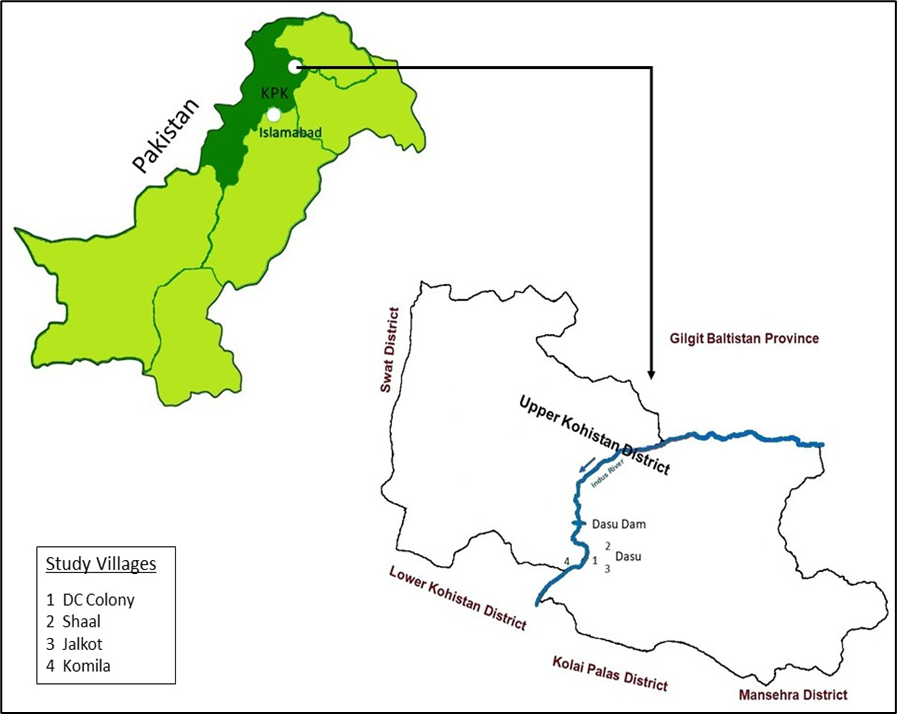
Figure 1: Geographical Location of Study Area
Sampling Rationale and Sample Selection
The sample was purposively constrained by a set of overriding logistical and cultural imperatives that are unique to the study setting and must be explicitly acknowledged in any assessment of generalisability.
Cultural access constraint. Consist of refusal of survey conduction by non-locals or male researcher among Kohistani women. Female Research Assistants (RAs) may only visit and conduct interviews in villages in which they have a prior connection or where relatives and friends are living. This restriction is absolute and non-negotiable within local customs and was confirmed by community leaders during the questionnaire pre-testing phase.
RA availability and familiarity. Two trained female Kohistani RAs were engaged for data collection. RA1 is resident in Shaal Village while RA2 is resident in DC Colony. Both RAs have close relatives residing in Jalkot and Komila, giving them culturally sanctioned access to these two villages. No other villages in the district could be surveyed within the constraints of the available RA network.
Sample frame. All households with at least one married woman aged 15–49 years were identified with the assistance of the local Dai in each surveyed village.
Within-village selection. Respondents were selected using systematic random sampling within each village's frame. All eligible women who consented to participate were interviewed. Where a household had more than one eligible woman, one was randomly selected.
Sample size. A total of 101 women were interviewed across the four villages (Table 1). Sample size calculation was done using the [12] formula for proportions. The baseline CPR estimate of 14% (the lowest plausible contraceptive prevalence for the setting, derived from DHS rural KPK data), at 95% confidence level, and a ±7% margin of error was used. This yielded the minimum required sample of approximately 91 respondents. The obtained sample of 101 exceeded this threshold and provided adequate statistical power for the primary analysis of proportions. For regression analyses of continuous outcomes (CEB, marriage age), the obtained sample was sufficient for models with up to 10 predictors based on the rule of 10 events per predictor variable.
It must be noted that the four study villages are peri-urban and have comparatively better access to health services than the broader Kohistani female population living in remote villages. Findings therefore likely overestimate reproductive health access relative to the district average and should not be generalised beyond the study setting without caution.
Table 1: Distribution of Survey Sample by Study Village
| Village | Project Impact Status | Number of Respondents |
| Shaal | Construction epicentre (households relocated) | 19 |
| DC Colony | Population absorption zone | 48 |
| Jalkot | Population absorption zone | 23 |
| Komila | Population absorption zone | 11 |
| Total | 101 |
Eligibility Criteria
Inclusion criteria
Married women aged 15–49 years residing in one of the four study villages at the time of the survey.
Women willing to provide verbal informed consent.
Widows were included if they met the age and marital criteria.
Exclusion criteria
Women aged below 15 or above 49 years.
Unmarried women (due to local restrictions on discussing reproductive health outside of marriage).
Women who could not be accessed by the RAs due to absence from the village or household refusal.
Women whose interviews could not be completed due to the compulsory presence of a male household member who made the respondent unwilling to answer key questions.
Data Collection Instrument
A structured questionnaire was developed in English and translated into Kohistani (the local vernacular) for administration. The questionnaire was translated by a bilingual community health specialist and back-translated by an independent local educator to verify conceptual equivalence.
The instrument was organised into six thematic modules: (i) household socioeconomic profile; (ii) women's status and mobility; (iii) age at marriage and parity history; (iv) antenatal, delivery, and postnatal care; (v) family planning knowledge and practice; and (vi) health facility utilisation and child mortality history.
A pre-test of the draft questionnaire was conducted with a convenience sample of married women in Shaal Village prior to full deployment. The pre-test confirmed that questions relating to menstruation, breast self-examination, reproductive tract infections, sexual behaviour, and induced abortion were culturally unacceptable and could not be administered under local custom. These topics were consequently removed from the final instrument. Interviews conducted in the presence of a husband or elderly female household member were noted by the RA, and responses to questions that appeared to be influenced by the observer's presence were flagged for sensitivity in analysis. Survey data collection was conducted in June–July 2024.
Research Assistants and Supervision
Two trained females Kohistani RAs conducted all interviews under the supervision of a gender specialist. RAs received a structured three-day training program covering: interview protocols; probing techniques for sensitive questions; documentation standards; maintenance of respondent confidentiality within the household; and reporting of incomplete or refused responses. Training was delivered and supervised by a gender specialist with prior experience in research with women in conservative Pakistani communities. RAs were supervised throughout fieldwork through daily debriefing sessions with the gender specialist.
Secondary Data
Monthly patient visit records were obtained from a government Basic Health Unit located within the project area, covering the period January 2013 to December 2025. Data were disaggregated by sex, enabling the separate analysis of women's health-seeking trends across the pre-construction (2013–2016) and construction (2017–2025) phases of DHP. Records were provided by the facility Medical Officer under institutional authorisation.
Variable Definitions
Key variables are operationally defined as follows (Table 2).
Table 2: Definition of Key-variables
| Variable | Operational Definition |
| Literacy | Ability to read and write in any language, self-reported; dichotomous (literate/illiterate) |
| Age at marriage | Age (in years) of the respondent at the time of her first marriage; continuous |
| Children ever born (CEB) | Total number of live births reported by the respondent over her lifetime; continuous |
| Ideal family size | Respondent's stated preferred total number of children; continuous |
| Desire for more children | Binary: whether the respondent currently wishes to have additional children (yes/no) |
| Antenatal care provider | Category of person who provided pregnancy care for the most recent pregnancy: Dai, Lady Health Visitor (LHV), Medical Doctor, None |
| Place of delivery | Location of most recent delivery: home, public health clinic, private clinic |
| Postnatal care | Whether a health professional visited the respondent at home following her most recent delivery (yes/no) |
| Neonatal mortality | Reported death of a child within 28 days of birth (yes/no) |
| Infant mortality | Reported death of a child before reaching 12 months of age (yes/no) |
| Family planning awareness | Whether the respondent has ever heard of family planning methods (yes/no) |
| Family planning practice | Whether the respondent is currently using any family planning method (yes/no) |
| Poverty status | Self-assessed household wealth category: poor, non-poor; supplemented by asset ownership indicators (house ownership, livestock, employment) |
| Household size | Total number of persons residing in the household; continuous |
| Reproductive age | Aged 15–49 years at the time of survey, per WHO definition; dichotomous |
Ethical Considerations
Ethical approval for this study was obtained from community leaders verbally. Participation in the survey was voluntary. Written consent was not feasible in a setting where the majority of respondents are illiterate; verbal informed consent was therefore obtained from each respondent prior to the interview, consistent with standard practice for low-literacy populations 4 . No personal identification data was recorded. All interviews were conducted at the respondent's home, where a husband or elderly female household member was sometimes present. RAs were specifically trained to observe signs of discomfort and to skip sensitive questions when required. No financial or material incentives were offered to respondents.
Statistical Analysis
Data were entered into SPSS Version 26 (IBM Corp., Armonk, NY). Analysis was conducted at three levels: descriptive, bivariate, and multivariate.
Descriptive Analysis
Categorical variables (literacy, delivery location, family planning use, poverty status) were described using frequencies and percentages. Continuous variables (age, age at marriage, CEB, ideal family size, health facility visits) were presented via mean, standard deviation (SD), and coefficient of variation (CV).
Bivariate Analysis
Associations between categorical variables were assessed using the Chi-square (χ²) test. For binary proportions across two independent groups, z-tests for difference in proportions were used. Comparisons of continuous outcomes across two groups were performed using independent-samples t-tests with Levene's test for equality of variances to determine whether equal-variance or unequal-variance t-statistics should be applied. For time-series data on health facility visits, bivariate trend analysis using the Pearson correlation coefficient was applied to each phase separately prior to regression modelling. Statistical significance was set at α = 0.05 throughout. Where Levene's test was significant (p < 0>
Multivariate Analysis
Three multiple regression models were fitted:
Model 1 — Number of births (Ya): Ordinary Least Squares (OLS) regression with number of live births as the dependent variable and mother's age (X1) and age at marriage (X2) as independent variables:
> Ya = β₀ + β₁X1 + β₂X2 + ε
Model 2 — Children ever born (CEB): OLS regression with CEB as the dependent variable and age at marriage, marriage duration, and age of the woman as independent variables, with 95% confidence intervals reported for each coefficient.
Model 3 — Health facility visits (time-series): Two separate OLS trend models were estimated — one for the pre-construction phase (2013–2016, Y1) and one for the construction phase (2017–2025, Y2) — using time as the sole independent variable to characterise the direction and significance of trend in each period. These coefficients were tested for statistical significance:
> Y1 = β₀ + β₁X1 + ε (2013–2016)
> Y2 = β₀ + β₁X2 + ε (2017–2025)
Model fit was assessed using the coefficient of determination (R²). Regression residuals were inspected for normality and homoscedasticity. Multicollinearity among predictors in Models 1 and 2 was assessed using the Variance Inflation Factor (VIF); predictors with VIF > 10 were to be excluded.
Sensitivity Checks
Given the small number of poor households in the sample, all analyses involving poverty status are treated as exploratory and interpreted with caution. Findings involving binary literacy (literate/illiterate) are similarly reported with reference to the small absolute numbers in the literate category (5% of sample). No imputation was performed for missing data and all the analysis used complete-case data, with the number of valid observations reported alongside each test statistic.
Limitations
Several methodological limitations must be acknowledged.
Sampling constraints: The study was confined to four peri-urban villages accessible to the two female RAs, thus probability-based district-representative sample could not be established. The findings represent a contextually specific snapshot and should not be generalised to the broader district female population.
Social desirability bias: Interviews conducted in the presence of a husband or elderly household woman member may have influenced responses to sensitive questions on family planning, postnatal care, and child mortality. This risk was mitigated through RA training but cannot be fully eliminated.
Cross-sectional design: The survey documents current status but cannot establish the temporal sequence of exposure–outcome relationships. Causal language in this paper refers to associations evidenced by regression modelling, not established causality.
Question scope: Culturally sensitive topics including menstruation, breast health, reproductive tract infections, and sexual health were excluded from the questionnaire at the pre-testing stage. As a result, several dimensions of reproductive health as defined by WHO remain undocumented for this population.
Recall bias: Data on child mortality and pregnancy history were based on retrospective memory recall, which may be subject to recall error, particularly for older respondents.
Sample size: The obtained sample of 101 women provides adequate power for the analysis of primary proportions and bivariate associations, but limits the complexity of multivariate models and sub-group analyses, particularly for rare categories such as poor households and literate women.
Results
Socioeconomic Profile of Respondents
Out of 101 women surveyed, 78 showed their government-issued identity card (CNIC) whilst 23 refused to share it with the interviewer. Only 1 out of 101 possessed a mobile phone. The women's literacy rate in the project area is only 5% [13]. Educationally, 19% of respondents attended primary school whilst 17% reached secondary school level. It is customary for Kohistani people to pursue living with extended families, where several closely connected families live under one roof and often share one kitchen.
All survey participants live in Pukka houses constructed with galvanized sheet roofing, cement brick walls, and concrete or marble floors. The majority of respondents (82%) own the house they live in, 10% reside in a house owned by a relative or friend, 5% rent the house, and 3% live in a community-owned house. All households are in possession of residential land, with 83% owning the land and 17% building on land belonging to someone else. The average residential land holding is 0.40 Kanal (Kanal = 0.25 hectare). It was found that 50% of respondents own animals, 39% goats and 19% cattle (some households have both animals).
Women are not permitted to engage in paid employment, walk outside the home, visit the bazaar for shopping or visit the health facility. Their role is confined to the domestic sphere. One informally permitted activity is running a shop exclusively for women; one such shop was recorded in the sample. Of households surveyed, 58% have a sustainable income-generation activity such as employment or a business. Six percent of households are classified as vulnerable, with a physically disabled or chronically ill household head. The only widow in the sample is also classified as vulnerable.
Women's Health Facility Visits
Data collected from a government health facility within the project area reveals a statistically significant decline in women visiting health facilities from 2013 to 2016 (pre-construction phase). From 2017 to 2025 (construction phase), visits registered a statistically significant increasing trend. The regression models are:
>Y1=113.3103–8.0852 X1(2013–2016, pre-construction).
> Intercept p = 0.0000; coefficient p = 0.0003 — significant
> Y2 = 210.2525 + 1.4271 X2 (2017–2025, Construction phase)
> Intercept p = 0.0000; coefficient p = 0.0000 — significant
Where: Y1 = Monthly visits by women during 2013–2016; Y2 = Monthly visits by women during 2017–2025; X1 = Time variable, 2013–2016; X2 = Time variable, 2017–2025.
The monthly mean visit during the pre-construction phase is 113.31 compared with 210.25 during the construction phase. Visits by women increased 1.86 times whilst total visits (men and women combined) increased 2.18 times between the two phases. The increase in means is statistically significant (p = 0.0000).
Prior to the project, only 27% of households had employed members; this rose to 79% by 2025.
Reproductive Age
Based on WHO's definition (15–49 years), 93 women (92%) are in their reproductive age. The average age of all women surveyed is 33.89 years (SD = 8.63, CV = 25.47%). The average age of women of reproductive age is 32.07 years (CV = 19.04%). Their partners are comparatively older, with a mean age of 38.46 years (CV = 13%).
Age at Marriage and Number of Children
The average age at marriage in the sample is 19.70 years (SD = 5.14, CV = 26%). Forty-five percent of respondents entered married life before reaching 20 years of age. The youngest marriage age recorded was 10 years (7 respondents) and the oldest was 40 years (1 respondent).
Age at marriage by literacy status:
Literate women: mean marriage age = 21 years
Illiterate women: mean marriage age = 24 years
The difference is statistically not significant (p = 0.352)
Regression analysis confirms that when literacy status changes from illiterate to literate, the predicted age at marriage decreases by approximately 3.28 years.
Age at marriage by poverty status:
Poor women: mean marriage age = 21 years
Non-poor women: mean marriage age = 24 years
Levene's test confirms a statistically significant difference (p = 0.033)
The relationship between age at marriage and number of births is negative: a higher marriage age is associated with fewer children. The relationship between mother's age and number of births is positive: older mothers have produced more children.
Table 3: Relationship between Number of Births, Mother's Age and Age at Marriage
| Coefficientsa | ||||||
| Model | Unstandardized Coefficients | Standardized Coefficients | T | Sig. | ||
| B | Std. Error | Beta | ||||
| 1 | (Constant) | 1.665 | 1.151 | 1.447 | 0.151 | |
| Mother Age | 0.190 | 0.036 | 0.559 | 5.344 | 0.000 | |
| Age at Marriage | -0.126 | 0.051 | -0.262 | -2.500 | 0.014 | |
| a. Dependent Variable: How many births during life time | ||||||
The regression model is:
> Ya = 1.665 + 0.190 X1 – 0.126 X2
Where: Ya = Number of Births; X1 = Mother's Age (coefficient = 0.190, p = 0.0000, positive and significant); X2 = Age at Marriage (coefficient = –0.126, negative).
The average length of marriage is 5.38 years. The number of births per respondent ranges from 1 to 13, with a mean of 5.38 children, which is higher than Pakistan's national fertility rate of 3.8 children per woman.
A further regression analysis of children ever born (CEB) as the dependent variable against age at marriage, marriage duration, and age of woman yields:
Age at marriage: negatively correlated (x = –0.518, CI 95%, p = 0.008)
Marriage duration: positively related (x = 0.179, CI 95%, p = 0.00)
Age of subject: positively related (x = 0.143, CI 95%, p = 0.00)
By gender, 48% of children born are boys and 52% are girls.
Child Mortality
The study reveals that 77% of mothers did not report a child death, whilst 23% reported at least one. Specifically, 15% reported child death before one year of age, and 8% reported death within 28 days of birth (neonatal mortality). These proportions are statistically significant (p = 0.0000). Both rates exceed corresponding national averages; the neonatal mortality proportion in this study is double the national average of 4.5%.
By literacy status, 91% of literate mothers reported no child death, whilst only 8% of illiterate mothers reported no child death which is a statistically significant difference (p = 0.000).
No significant relationship was found between child mortality and poverty status, possibly attributable to the small number of poor households in the sample.
The national Infant Mortality Rate (IMR) is reported at 55 per 1,000 live births, with rural areas at 59 and urban areas at 50. The Neonatal Mortality Rate is higher in rural areas, reflecting limited access to essential perinatal services.
Ideal Family Size
Respondents' ideal family size ranges from 2 to 15 children, with a sample mean of 8.65 (CV = 32%). Twenty-four respondents who had already reached their desired family size indicated no wish for additional children.
A subtle relationship exists between ideal family size and child mortality: respondents who reported neonatal deaths (before 28 days) opt for a slightly larger ideal family size than those who reported deaths before one year. Mothers who reported no child death preferred a smaller ideal family size.
The survey data shows a significant relationship between ideal family size and poverty status. Wealthy households prefer a smaller family size compared to poor households.
Desire for More Children
Among the 93 women of reproductive age, 68 (67%) wish to have more children whilst 33% do not. The 8 women outside reproductive age universally do not wish to have more children.
The analysis between literacy and the desire to have more children reveals that 93% of literate women desire more children, whilst only 7% of illiterate women share this desire. The difference in proportions is statistically significant (p = 0.0000).
Table 4: Distribution of Desire for More Birth by Variables
| Parameter | Desire for More Births (N=68) | No desire for More births (N=32) |
| Children already produced per mother (average) | 5 | 7 |
| Desired Family Size (average) | 9 | 7 |
| Current family size | 7.19 | 9.28 |
Table 5: Desire to have Children by Parameter
| Parameter | Yes, Desire to have more Children (%) | No, not desire to have more children (%) | Significance (p=) | |
| WithinCategory a | Between Category b | |||
| Literacy | 7 % (illiterate) and 93 % (literate) | 25% (illiterate) and 75% (literate) | Insignificant
| 0.000 |
| Mean Household size | 7 | 9 | 0.003 | |
| Perceived to be poor | 14 | 19 | 0.599 | Poor vs wealthy p=0.000 |
| Perceived to be non-poor | 86 | 84 | 0.115 | |
| Unfamiliar with family planning | 57 | 41 | 0.131 | P=0.000 |
| Households with employees | 54 | 66 | 0.245 | |
(a z-test for proportion comparison; b z-test for difference comparison)
Summary of findings
Household size: large households show less desire for more children (ideal family size has been reached); smaller households show greater desire.
Poverty: 86% of non-poor respondents desire more children compared with 14% of poor respondents.
Family planning awareness: Women aware of family planning desire fewer children than those unaware.
Employment: Families with more employed members show slightly less desire for additional children, though the difference is not statistically significant.
Pregnancy and Antenatal Care
At the time of the survey, 17% of respondents were pregnant and 83% were not. Among pregnant women, 94% expressed a desire for more children; among non-pregnant women, 63% did so.
Of 17 pregnant women, only 1 was using a family planning method despite becoming pregnant. Among 84 non-pregnant women, 13 were using family planning methods. Over 50% of both pregnant and non-pregnant women had heard about family planning but had never used it.
Antenatal care providers reported by respondents:
Dai: 63%
Lady Health Visitor (LHV): 18%
Medical doctor: 16%
No attendance: 3%
The large majority (91%) reported that the most recent pregnancy resulted in a live birth. Thirteen respondents reported at least one miscarriage; three said a miscarriage had been induced.
Place of Childbirth
Respondents chose from three places for their most recent delivery:
Home: 51%
Public health clinic: 27%
Private clinic: 22%
Delivery attendants for the most recent delivery:
Dai: 72%
Lady Health Visitor (LHV): 21%
Medical doctor: 7%
Delivery place by poverty reveals that 60% of home deliveries came from poor households, compared with 44% from non-poor households.
By literacy, 91% of literate women delivered in a clinic compared with only 9% of illiterate women.
Among respondents, 49 cited convenience and presence of the Dai as the main reason for home delivery; 35 cited high transport costs (PKR 3,000–5,000 to hire a vehicle); and 13 cited the private nature of childbirth and cultural norms excluding outsiders.
Ninety-two percent reported no obstetric complications in the last delivery; 8% reported complications.
Postnatal Care
Among the 90 respondents who had completed a most recent delivery at the time of survey, post-delivery professional home visits were virtually absent: only 3 out of 90 respondents reported being visited by a health professional after delivery.
Antenatal care and delivery attendance figures, as summarized in 3.8 and 3.9 above, confirm that formal healthcare provider contact is minimal throughout the maternal care continuum — from antenatal attendance through to postnatal follow-up.
Family Planning
Of the surveyed respondents:
51% had not heard about family planning
35% had heard about it but were not using it
14% were aware of and practising family planning
The number of women actively using family planning methods is 14. Of these, 13 are non-pregnant and 1 became pregnant despite using a method.
Analysis reveals that family planning awareness is higher among younger mothers than older mothers. Regarding wealth, a higher proportion of wealthy households use family planning compared with poor households. The only wealth indicator not associated with family planning adoption is animal ownership. Literacy level does not have a significant relationship with knowledge of family planning.
Table 6: Relationship between Wealth and Adoption of Family Planning
| Wealth Parameter | Use Family Planning (%) | Not Use Family Planning (%) |
| Lives in a Pukka house | 82 | 18 |
| Lives in a Katcha house | 9 | 91 |
| Lives in own house | 82 | 18 |
| Perceived to be non-poor (wealthy) | 84 | 16 |
| Own animals | 51 | 49 |
Discussion
Socioeconomic Status and Barriers to Healthcare
The socioeconomic data from this study reveals extreme forms of gender restriction and social exclusion of women in the study area. Women in Upper Kohistan face compounded structural barriers to healthcare access. The main reasons are women's literacy rate of only 5% [13]. restricted mobility, banned communication, no- paid employment, and full dependence on male household members for decision-making. These conditions are consistent with a broader literature which documents how socioeconomic deprivation and patriarchal norms interact and constrains women's health-seeking behavior in rural and conservative regions of Pakistan [2,3]. The survey represents only four peri-urban villages. It means that findings may actually overestimate the health access of the broader Kohistani female population. Women in more remote villages would face even greater barriers to care.
The low mobile phone ownership (1 in 101 women) further highlights the digital exclusion of Kohistani women, which has increasingly been identified as a barrier to health literacy and reproductive health information access in low-income settings [8].
Women's Health Service Utilization
The statistically significant decline in health facility visits during 2013–2016, followed by a pronounced increase from 2017 onwards, points to a meaningful effect of the Dasu Hydropower Project's (DHP) community support program. There has been a 1.86-fold increase in women's visits and 2.18-fold increase in total visits during the construction phase. This substantial gain is attributable to health awareness campaigns, free medical camps, and improved household incomes through project-supported employment.
These findings align with evidence that healthcare utilization significantly increases due to targeted community-based health interventions and high-income households among underserved populations. Emmanuel et al. 27Click or tap here to enter text. demonstrated that service disruptions have led to sharp declines in facility utilization for maternal and reproductive health (such as those caused by the COVID-19 pandemic). This reinforces how fragile healthcare access is when external support programs are interrupted. The dramatic uptake seen in this study mirrors the effects reported when community-level outreach (including mobile health camps and trained health workers) is deployed in remote rural settings of Pakistan [14].
Age at Marriage, Literacy, and Fertility
The variables of mean age at marriage of (19.70 years) and respondents married before age 20 (45%) are consistent with patterns of early marriage reported across Pakistan. Rasul et al. 15 has analyzed that in all waves of the Pakistan Demographic and Health Survey (PDHS), female education, spouse's education, residence type, and cohort effects are all significantly associated with age at first marriage. Women with less education marrying substantially earlier. Similarly, Malik et al. [16]. identified lower female education, limited household wealth, and lack of media exposure as key drivers of early age marriage in Pakistan.17 Further studies have confirmed that early marriage in Pakistan directly restricts girls' access to education and leads to adverse health outcomes including higher fertility.
A particularly important finding of this study is the pattern of marriage age by literacy status. Literate women in the sample married at a mean age of 21 years, compared with 24 years for illiterate women. The regression model shows that literacy status is associated with a decrease in predicted marriage age by approximately 3.28 years. This finding translates to literate women marrying earlier, not later. This is directly contrary to the global literature, where literacy is consistently associated with delayed marriage [15-16]. A critical finding from Sadiq et al. 19, investigating child marriage drivers specifically in Khyber Pakhtunkhwa, shows that local social norms include Pakhtunwali, elder-driven decision-making, and bride price economics. These factors override the educational effect on marriage timing. In this context, a literate young woman may paradoxically be considered a more desirable and marriage-ready prospect at an earlier age. Literacy is also associated with higher family social status for women but it does not confer personal autonomy to the women. It was observed that the difference in marriage age between literate and illiterate women was not statistically significant (p = 0.352). Such data warrants caution in making strong causal inferences. Nevertheless, the directional pattern is consistent with the deeply patriarchal setting described throughout this study.
The high mean CEB of 5.38, compared to Pakistan's national fertility rate of 3.8, is consistent with findings from rural low-literacy settings [1-8]. The CEB regression confirms that marriage duration and age of woman are the most significant determinants of CEB in this sample consistent with the literature [1-8].
Child Mortality
The child mortality rates recorded in this study are 15% for infant deaths and 8% for neonatal deaths. These figures substantially exceed national averages, with the neonatal mortality proportion are double the national average of 4.5%. These figures must be understood against the near-total absence of skilled birth attendance and postnatal care. It is known that formal postnatal follow-up is the primary mechanism through which neonatal complications are detected and managed.
The national IMR of 55 per 1,000 live births, with rural areas at 59, confirms the rural–urban healthcare disparity. Amir-ud-Din et al. 21 has reported using national PDHS data, that breastfeeding and optimal birth interval are independently and strongly associated with reduced neonatal, infant, and under-five mortality in Pakistan. These factors are largely absent from the care continuum in the study area. Asif et al. 22 further demonstrated that birth spacing of 33 months or more strengthens the protective association of maternal healthcare services with child survival. Given the high mean CEB (5.38), short birth intervals can be the cause in this population, further compounding child mortality risk.
The study reported that literate mothers have significantly lower rates of child mortality (91% reported no death vs. 8% of illiterate mothers, p = 0.000). There is a robust body of evidence linking maternal education to improved child survival through better health-seeking behaviour and feeding practices [8-20]. However, in the context of this study, it is likely that literacy is not operating alone but rather serving as a proxy for household wealth and access to better care.
Ideal Family Size and Son Preference
The average ideal family size of 8.65 children is strikingly high and directly reflects the social structure of Upper Kohistan. Family size in these areas is a symbol of social status and the decisions regarding family size entirely rests upon men. Many other studies in South Asian and sub-Saharan also reports that son preference is a well-documented driver of high fertility. It is evident in the practice of continuous childbearing until a son is born 23,24.
The study also reports that wealthier households prefer a slightly smaller family size as compared to poor households which prefer more children. It is counter-intuitive when compared with international evidence but becomes intelligible in the local context. Wealthy men in Upper Kohistan may actually prefer larger families for social prestige, whereas poor households may express a preference for fewer children due to economic pressure.
4.6 Desire for More Children in the Patriarchal Context
This study reports that 93% of literate women desire more children as compared with only 7% of illiterate women. This is the most striking apparent contradiction with the global literature, which reports an inverse relationship between women's literacy and desired fertility 8,25. Our results must be interpreted carefully having the specific context of the patriarchal setting. Decisions on family size are made exclusively by men and, women's literacy does not translate into reduced desired fertility in this context 15. This have demonstrated through a rural panel study that financial shocks and prevailing marital customs in Pakistan can dominate educational effects on women's behavior. They can suppress the expected relationship between schooling and delayed marriage or reduced fertility. Moreover, literate women in Upper Kohistan are likely from higher socioeconomic households. While men's preference for large families as markers of wealth and prestige further inflate the expressed desire for children. These finding parallels evidence from other patriarchal settings where reproductive autonomy is not granted to women regardless of educational attainment [19].
It should be noted that this finding pertains specifically to the desire for more children, not to the actual number of children ever born (CEB). Globally, literacy is inversely related to CEB [8,25]. In this study, CEB is determined primarily by marriage duration and the age of the woman (both significant at p < 0.001). Which are structural rather than education-linked variables in this setting.
Place of Delivery and Skilled Birth Attendance
The finding that 51% of deliveries occurred at home, with 72% attended by an untrained Dai, confirms the persistence of traditional birth practices in the study area. This pattern is well-documented across rural and remote Pakistan. Ali et al.26 conducted an ethnographic analysis of Dai practices during COVID-19 and found that faith-based, trust-based, and community-embedded care models sustain women's preference for home delivery with a Dai, particularly in conservative and purdah-observing communities.
The culturally embedded nature of home delivery is a critical contextual factor. Women in the study have cited causes like privacy (inability to be attended by outsiders, especially male professionals), cost barriers (PKR 3,000–5,000 patient transport) (PKR=0.0036 USD), and road inaccessibility as the primary reasons for home delivery. Khowaja et al.14 has identified that community midwives in rural Pakistan too face significant barriers to acceptance and retention partly because women in conservative settings prefer known, trusted local attendants. These findings together suggest that community-based models are required for improving skilled birth attendance in Upper Kohistan. These measures can include training and formalizing of Dais with local communities and deploying female community midwives which are embedded in the local context.
The 44% of respondents have expressed a preference for clinic delivery which is encouraging and, may reflect the growing impact of DHP health awareness activities. This uptake trend can be monitored in future studies.
Postnatal Care
The near-complete absence of formal postnatal care (only 3 out of 90 respondents received a post-delivery professional home visit) represents one of the most critical findings of this study. The Pakistan Maternal Mortality Survey (PMMS) 2019 records a maternal mortality ratio of 154 per 100,000 live births, representing a significant improvement from 387 in 2000. Studies have documented that postnatal care within 24 hours and in the first week postpartum is the primary clinical window for preventing postpartum haemorrhage, infection, and neonatal sepsis being the leading causes of maternal and newborn deaths 13.
There is structural absence of formal healthcare in the maternal care continuum as there was heavy reliance on Dai for antenatal (63%), delivery (72%), and post-delivery care. Khowaja et al. 14 similarly argue that formalizing and training community-based health workers is the most feasible route to closing the postnatal care gap in rural settings.
The near-zero post-delivery professional contact documented in this study could be a direct driver of the high neonatal mortality (8%) and infant mortality (15%). Urgent intervention is needed to establish community-based postnatal outreach in Upper Kohistan, specifically targeting the critical first 24–72-hour post-delivery window.
Family Planning
The finding that 51% of respondents had never heard of family planning, and only 14% were actively practising it, confirms a well-established pattern of low contraceptive prevalence in this population. The contraceptive prevalence rate (CPR) in Pakistan is approximately 30% nationally, with rural areas showing even lower adoption [5]. The fact that family planning knowledge does not translate into practice in this setting is explained by the dominant role of men in reproductive decision-making. Cultural and religious norms also favor large families, and there is a perceived social prohibition against discussing family planning.
Younger mothers are more aware of and more likely to use family planning than older mothers. Family planning outreach must also engage older women and, critically, male household decision-makers. Emmanuel et al. [27]. documented that COVID-19-related disruptions caused sharp declines in family planning visits across Pakistan disproportionately affecting rural and low-literacy populations.
The positive association between household wealth and family planning adoption was a finding consistent across wealth indicators except animal ownership. It aligns with other national surveys showing that economic access and associated health literacy are key enablers of contraceptive use [14-16].
Conclusion
This study is among the first to document reproductive health patterns among women in the Dasu Hydropower Project area, Upper Kohistan District. It is a deeply conservative and patriarchal society with extreme restrictions on women's mobility, literacy, and autonomy. The findings shed light on multiple pertinent reproductive health issues and generate a body of evidence that falls into three groups. The findings are consistent with previous research. Some of these findings diverge from global literature due to the local patriarchal context, and some are entirely new findings not previously documented in the literature.
Health service utilization declined significantly in the pre-construction phase (2013–2016) and has since increased substantially during the project's construction phase (2017–2025). This is attributable to the DHP's community support program. The increase in women's visits (1.86-fold) is a positive and significant outcome.
Age at marriage and fertility: Age at marriage is inversely related to the number of children born, and mother's age is positively related to CEB. Both findings are consistent with prior research. Wealth is associated with later marriage. However, the relationship between literacy and age at marriage in this study diverges from global evidence. Globally, literacy is positively associated with age at marriage (literate women marry later). In this study, literate women married at a younger mean age (21 years) than illiterate women (24 years). The regression confirms a decrease in predicted marriage age of 3.28 years with literacy status. This context-specific reversal is explained by the patriarchal social structure of Upper Kohistan, where literacy does not confer personal autonomy or delayed marriage on women. Rather, it may increase a woman's perceived social desirability as a marriage partner at an earlier age. The difference is not statistically significant (p = 0.352), which limits generalization, but the directional finding is consistent with local social dynamics.
Children ever born (CEB) and desired fertility: Globally, the literature consistently reports that literacy is inversely related to CEB. Literate women have fewer children. In this study, however, 93% of literate women expressed a desire to have more children compared with only 7% of illiterate women, a statistically significant difference (p = 0.0000). This apparent contradiction is context-specific because in Upper Kohistan the number of children and family size decisions are controlled entirely by men not women. Literate women tend to come from higher socioeconomic households where male heads prefer larger families as a social status symbol. This finding relates specifically to the desire for more children, not to actual CEB and does not contradict the global finding on literacy and CEB. The structural drivers of CEB in this sample (marriage duration and age of woman) are unrelated to literacy. Both divergences (literacy–marriage age and literacy–desired fertility) are therefore attributed to the same patriarchal mechanism. The impact of women's literacy in this context does not translate into reproductive autonomy due to cultural stigma.
Child mortality is higher than national averages, particularly neonatal mortality (8%, double the national average). Literate mothers have significantly lower child mortality rates. Improved skilled birth attendance and formal postnatal care are urgently needed.
Postnatal care is critically deficient as only 3 out of 90 respondents received a post-delivery professional home visit. The near-complete reliance on untrained Dais across the antenatal, delivery, and postnatal continuum represents a major systemic gap.
Family planning awareness and uptake remain low. Family planning adoption is higher among younger, wealthier women. This suggests that outreach programs must focus on older women and on male decision-makers in the household. Literacy alone does not drive family planning uptake in this patriarchal setting.
Several new findings are reported that extend the current literature. First, literacy is positively associated with the desire for more children in a patriarchal context, contrary to global evidence because men control reproductive decisions. Secondly, household employment is inversely related to women's desire for more children. Thirdly, a strong preference for home delivery is driven by privacy norms, cultural trust in the Dai, and cost and transport barriers. Fourthly, adoption of family planning is positively associated with household wealth.
These findings collectively demonstrate that reproductive health interventions in patriarchal and conservative communities must be designed with explicit attention to male decision-makers, community-embedded care providers, and the cultural context.
Acknowledgement
The authors gratefully acknowledge the following staff for their inputs into this pioneering study. Dr. Muhammad Kashif of the University of Faisalabad assisted in the statistical analysis whilst Ms Saadia Batool, gender advisor, trained female Research Assistants and supervised them throughout the study. The study also benefitted from interviews conducted by Saadia with Dai and LHVs. Two RAs are acknowledged for their interest and dedication by visiting villages, interviewing women and recording the information.
References
- Akhtar, B. (2024). A comprehensive analysis of maternal and reproductive health challenges in Pakistan: A systematic review. Pioneer Journal of Biostatistics and Medical Research.
Publisher | Google Scholor - Ali, I., Sadique, S., & Ali, S. (2021). Birthing between the traditional and the modern: Dāī practices and childbearing women’s choices during COVID-19 in Pakistan. Frontiers in Sociology.
Publisher | Google Scholor - Amir-ud-Din, R., Mahmood, H. Z., & Abbas, F. (2022). Association of breastfeeding and birth interval with child mortality in Pakistan. BMJ Open. https://doi.org/10.1136/bmjopen-2021-053196
Publisher | Google Scholor - Asif, M., Ishtiaq, S., & Abid, G. (2023). The interaction effect of birth spacing and maternal healthcare services on child mortality in Pakistan. Children, 10(4):Article 710.
Publisher | Google Scholor - Asif, M., Meherali, S., & Abid, G. (2022). Predictors of child’s health in Pakistan and the moderating role of birth spacing. International Journal of Environmental Research and Public Health, 19(3): Article 1759.
Publisher | Google Scholor - Asim, M., Saleem, S., Ahmed, Z. H., Siddiq, F., Baig-Ansari, N., & Zaidi, A. K. M. (2021). We won’t go there: Barriers to accessing maternal and newborn care in District Thatta, Pakistan. Healthcare, 9(10): Article 1314.
Publisher | Google Scholor - Clark, S. (2000). Son preference and sex composition of children: Evidence from India. Demography, 37(1): 95–108.
Publisher | Google Scholor - Cochran, W. G. (1977). Sampling techniques (3rd ed.). John Wiley & Sons.
Publisher | Google Scholor - Dadras, O., Nakayama, T., & Kihara, M. (2023). Internal migration and utilization of reproductive and maternity care among women in Pakistan: Evidence from a recent national survey. Frontiers in Public Health, 11, Article 1138898.
Publisher | Google Scholor - Emmanuel, F., Ahmad, A. M., & Reza, T. (2022). Indirect effects of COVID-19 pandemic on reproductive, maternal, newborn and child health services in Pakistan. Eastern Mediterranean Health Journal, 28(4). https://doi.org/10.26719/emhj.22.011
Publisher | Google Scholor - Jafree, S. R., & Barlow, J. (2023). Systematic review and narrative synthesis of the key barriers and facilitators to the delivery and uptake of primary healthcare services to women in Pakistan. BMJ Open.
Publisher | Google Scholor - Kamal, A., Shah, G. H., Hafeez, A., Khan, A., Ahmad, S., & Hussain, S. (2025). Mapping geographic disparities in healthcare access barriers among married women in Pakistan: Evidence from a nationally representative survey. Healthcare, 13(19): Article 2448.
Publisher | Google Scholor - Khowaja, B., Feroz, A. S., & Saleem, S. (2022). Factors influencing utilisation of services provided by community midwives and their non-retention in district Thatta, Pakistan. BMJ Open.
Publisher | Google Scholor - Kravdal, Ø. (2002). Education and fertility in sub-Saharan Africa: Individual and community effects. Demography, 39(2): 233–250.
Publisher | Google Scholor - Lahiri, B. (1984). Demand for sons among Indian couples by rural-urban settlement size. Demography India, 13(1–2): 120–132.
Publisher | Google Scholor - Malik, M. I., Nadeem, M., & Adil, S. (2022). Exploring the determinants of female early age marriages in Pakistan. Women’s Studies International Forum, 92, Article 102594.
Publisher | Google Scholor - Martin, T. C. (1995). Women’s education and fertility: Results from 26 Demographic and Health Surveys. Studies in Family Planning, 26(4): 187–202.
Publisher | Google Scholor - Management Support Consultant, Dasu Hydropower Project. (2023). Baseline study of the Dasu Hydropower Project: External monitoring report No. 13.
Publisher | Google Scholor - Memon, Z., Mian, A., Reale, S., Ahmed, M., Jokhio, A. H., & Bhutta, Z. A. (2022). Community and health care provider perspectives on barriers to and enablers of family planning use in rural Sindh, Pakistan. JMIR Formative Research.
Publisher | Google Scholor - Midhet, F., Khalid, S. N., Baqai, S., Kadir, M. M., & Ahmed, M. (2025). Trends in the levels, causes, and risk factors of maternal mortality in Pakistan: A comparative analysis of national surveys of 2007 and 2019. PLOS ONE.
Publisher | Google Scholor - National Institute of Population Studies (NIPS) & ICF. (2019). Pakistan demographic and health survey 2017–18.
Publisher | Google Scholor - National Institute of Population Studies (NIPS) & ICF. (2020). Pakistan maternal mortality survey 2019.
Publisher | Google Scholor - Rasul, A., Nasir, J. A., & Akhtar, S. (2022). Factors associated with female age at first marriage: An analysis using all waves of the Pakistan Demographic and Health Survey. PLOS ONE.
Publisher | Google Scholor - Sadiq, M., Ali, H., & Sadiq, M. (2025). Drivers of child marriages among girls: A sociological study in Khyber Pakhtunkhwa. ACAD Journal.
Publisher | Google Scholor - Sajjad, W., Ishaq, K., & Asghar, S. (2023). Why Pakistani women do not use intrauterine contraceptive devices: A systematic review of barriers and misconceptions. Cureus.
Publisher | Google Scholor - Shabbar, S. Z., & Manzoor, A. (2022). An analytical study on early marriage in Pakistan: Impact on education and health. Pakistan Journal of Educational Research, 5(2).
Publisher | Google Scholor - Shrestha, I. K., & Khanal, S. (2023). Systematic review on factors associated with female age at marriage. Nepalese Journal of Statistics, 7(1).
Publisher | Google Scholor - World Health Organization. (2026). Reproductive health.
Publisher | Google Scholor